

Plantar Fasciitis
Overview
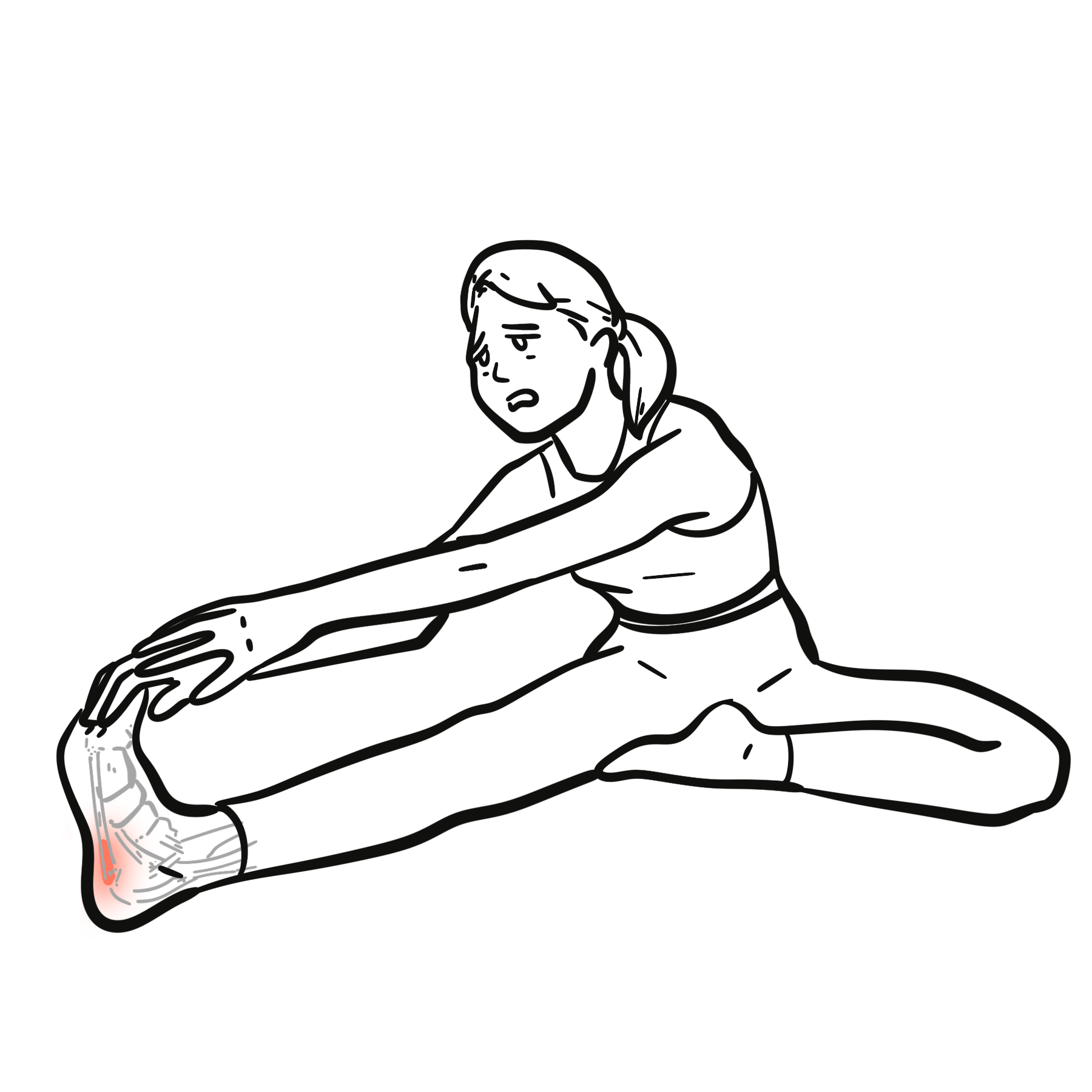
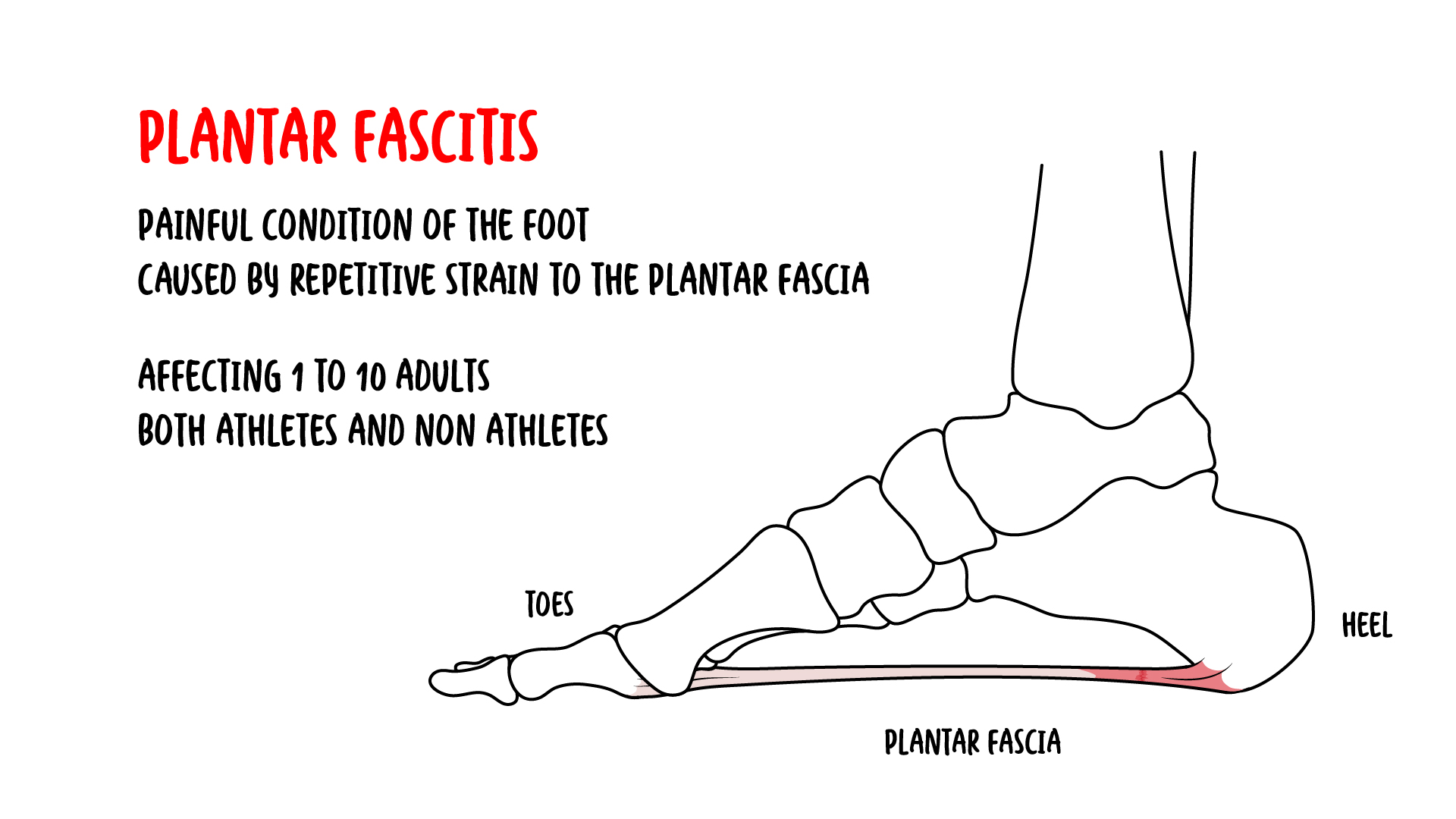
Plantar fasciitis is a common cause of plantar heel pain associated with repetitive loading of the plantar fascia, the fibrous band that supports the longitudinal arch of the foot. The term plantar fasciopathy is often used because chronic cases show degenerative change rather than prominent inflammation.
It typically causes pain beneath the medial heel on the first steps after sleep or rest. Pain may ease after a few minutes of walking but return after prolonged standing or activity. Diagnosis is usually clinical, and most people improve with sustained load modification, stretching and supportive footwear.
Definition
- Plantar fascia
- Thick connective tissue extending from the medial calcaneal tubercle towards the toes and supporting the foot arch.
- Plantar fasciopathy
- Chronic overload and degeneration of the plantar fascia; often used interchangeably with plantar fasciitis.
- First-step pain
- Heel pain that is most pronounced when standing after sleep or prolonged sitting.
- Windlass test
- Reproduction of plantar heel pain when the great toe is passively dorsiflexed, tightening the plantar fascia.
Aetiology & Risk Factors
- A sudden increase in walking, running, jumping or time spent standing.
- Limited ankle dorsiflexion or tight calf muscles.
- Higher body mass and prolonged weight-bearing work.
- Unsupportive footwear or walking barefoot on hard surfaces.
- Foot mechanics that increase plantar fascia loading, including very high or low arches.
- Middle age; plantar heel pain also occurs in younger athletes.
Clinical Manifestations
- Focal pain beneath the medial heel, sometimes extending along the plantar arch.
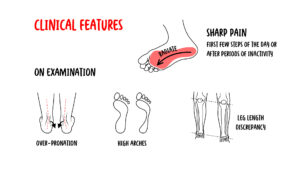
- Marked first-step pain in the morning or after sitting. Symptoms may improve with initial movement and worsen later with prolonged loading.
- Tenderness at the medial calcaneal tubercle, at the origin of the plantar fascia.
- Pain provoked by stretching the plantar fascia, for example with passive dorsiflexion of the toes.
- Possible calf tightness or reduced ankle dorsiflexion.
Features Suggesting Another Diagnosis
- Burning, tingling or numbness suggests nerve entrapment or neuropathy.
- Pain after a clear injury, inability to bear weight or pain with calcaneal squeeze raises concern for fracture.
- Posterior heel pain suggests Achilles tendinopathy. Diffuse or systemic symptoms prompt assessment for inflammatory or other pathology.
Diagnosis
Diagnosis is usually based on the characteristic history and examination. Assess the location of tenderness, ankle and toe movement, gait, footwear, neurological symptoms and alternative causes of heel pain.
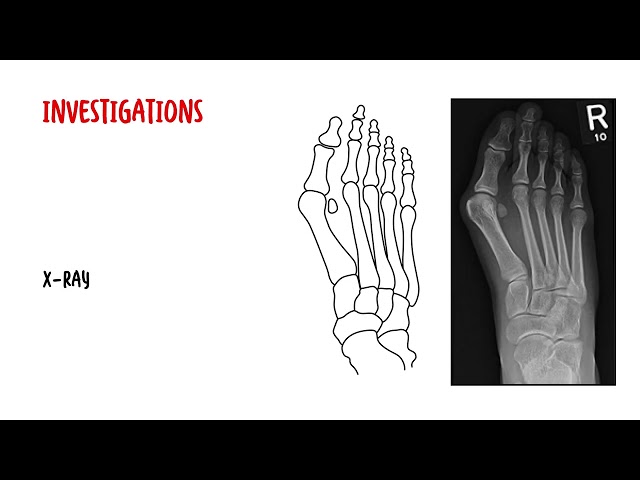
- Imaging is usually unnecessary for a typical presentation. Consider a radiograph for trauma, suspected fracture or atypical persistent pain; a heel spur alone does not establish the diagnosis.
- Ultrasound can demonstrate thickening or altered appearance of the plantar fascia when the diagnosis is uncertain. MRI may help assess suspected stress fracture, rupture or other pathology in refractory or atypical cases.
- Blood tests are not routine. Investigate inflammatory arthritis, infection or another systemic cause only if the history or examination suggests one.
Treatment
Initial Conservative Management
- Explain that improvement is often gradual over months. Encourage continued activity within tolerable pain limits rather than prolonged complete rest. Temporarily reduce provocative running, jumping or standing, then increase loading progressively.
- Perform plantar fascia-specific stretching, especially before the first steps in the morning, together with calf stretching. A physiotherapist can guide stretching and progressive foot and calf strengthening.
- Use comfortable, supportive shoes and avoid barefoot walking on hard surfaces. Heel cups or prefabricated foot orthoses may help, particularly alongside exercise.
- Consider short-term taping for symptom relief. Ice or simple analgesia may be used where appropriate. NSAIDs can help pain but do not replace rehabilitation.
Persistent Symptoms
- Reassess adherence, loading and the diagnosis. Consider physiotherapy or podiatry review, a night splint for prominent morning pain, and individualised orthoses where appropriate.
- Extracorporeal shock-wave therapy can be considered after a sustained course of conservative care; availability and response vary.
- Corticosteroid injection may provide short-term relief in selected refractory cases, but this must be weighed against post-injection pain, fat-pad atrophy and rare plantar fascia rupture. Repeated injections are generally avoided.
- Surgery is rarely required and is reserved for severe symptoms despite extended non-operative treatment and specialist assessment.
First-step pain with focal tenderness at the medial plantar heel is characteristic. Begin with load modification, plantar fascia and calf stretching, and supportive footwear. Reconsider the diagnosis when symptoms are atypical or do not improve.
Complications & Prognosis
Complications
- Persistent pain may limit walking, exercise or work.
- Compensatory gait changes may contribute to pain elsewhere in the foot or lower limb.
- Plantar fascia rupture or heel fat-pad atrophy can occur rarely after corticosteroid injection.
Prognosis
Most patients improve with conservative management, although recovery may take several months. Recurrence is possible when loading increases rapidly or contributing factors persist. Persistent, progressive or unusual pain warrants reassessment for another diagnosis.
References
- Koc TA Jr, Bise CG, Neville C, Carreira D, Martin RL, et al. Heel Pain—Plantar Fasciitis: Revision 2023. J Orthop Sports Phys Ther. 2023;53(12):CPG1–CPG39. PubMed.
- Morrissey D, Cotchett M, Said J, et al. Management of plantar heel pain: a best practice guide informed by a systematic review, expert clinical reasoning and patient values. Br J Sports Med. 2021;55:1106–1118. PubMed.
- American Academy of Orthopaedic Surgeons. Plantar Fasciitis and Bone Spurs. OrthoInfo. AAOS.
- NHS. Plantar fasciitis. NHS.
Members only discussions coming soon…