

Visual explanationFree resource
Visual medical education by Armando Hasudungan
Medical science, drawn into focus.
Explore visual explanations that reveal how the facts, processes and clinical patterns fit together—then discover the coming AH study platform, built to guide what you study next and check what stuck.
Connected studyComing soon
Clear visual explanations used by medical and allied-health learners around the world.
Explore the free library
Start with the topic in front of you.
Browse by subject or jump straight into the explanation you need. No account required.
Anorexia Nervosa
“ To lose confidence in one’s body is to lose confidence in oneself .” ― Simone de Beauvoir " Every woman knows that, regardless of all her other achievements, she is a failure if she is not beautiful ." – Germaine Greer Overview Eating disorders have traditionally been classified into two well-established categories. They are…
View topic ↗Hyperparathyroidism
This section will mainly focus on Primary Parathyroidism Overview Primary Hyperparathyroidism (PHPT) is generalised disorder calcium, phosphate and bone metabolism due to increased secretion of parathyroid hormone normally leading to hypercalcaemia and hypophosphatemia. PHPT may present with recurrent nephrolithiasis, peptic ulcers, mental and muscle changes and less frequently bone resorption. Frequently, routine blood tests will…
View topic ↗Paediatric Viral Cutaneous Infection
Classical Exanthem Overview Exanthem refers to the cutaneous manifestation of a viral illness (enanthem is the manifestation in the mouth). Historically, 6 exanthems have been recognised, 4 of which are viral. However, obviously there are much more common exanthems. The six described are: Measles (measles virus) Scarlet fever ( streptococcus pyogenes ) – this is…
View topic ↗Aortic Regurgitation (incompetence)
Overview Aortic regurgitation (AR) is backward flow of blood from the aorta into the left ventricle during diastole because the aortic valve does not close completely. AR may result from disease of the valve leaflets, dilatation of the aortic root or both. Chronic AR causes progressive left-ventricular volume overload and dilatation, whereas acute severe AR…
View topic ↗Psoriasis
Overview Psoriasis is a chronic, immune-mediated, inflammatory skin disease with systemic associations, characterized by sharply demarcated erythematous plaques with overlying scale, most commonly plaque psoriasis. [1-4] It affects about 1% to 3% of the global population, although prevalence varies by geography and ethnicity, and plaque psoriasis accounts for about 80% to 90% of cases. [1,2]…
View topic ↗Hyperlipidaemia
Overview Hyperlipidaemia is an umbrella term which encompasses genetic and acquired disorders that raise lipid levels within the blood. Hyperlipidaemia does not independently cause clinical symptoms, rather can lead to other disorders that can manifest in possible life-threatening presentations. Most notably, hyperlipidaemia causes atherosclerosis which may lead to cardiovascular, cerebrovascular, and peripheral vascular disease. 1…
View topic ↗Umbilical Hernia
Overview Umbilical hernias are one of the most common surgical conditions in infants and children. In infantile umbilical hernia there is a pathological failure of obliteration of umbilical defect. Umbilical hernia can also occur in adults and is usually acquired due to increased intrabdominal pressure due to obesity, pregnancy, ascites. Management is surgery. Hernia: A bulge or protrusion of…
View topic ↗Full resource library
Browse all topics ↗Choose how you learn
One idea. More than one way to see it.
Use the format that helps the topic click, then switch formats when you need to reinforce it.
01 / WATCH02 / READ03 / SEE04 / CHECK
Videos
Hand-drawn explanations that build the big picture as the concept unfolds.
Notes
Clear written explanations for review, reference and filling in the details.
Diagrams
Visual snapshots that help you easily review topics.
Questions
Test whether the explanation stayed with you—not just whether it looked familiar.
Good places to begin
Explanations learners return to.
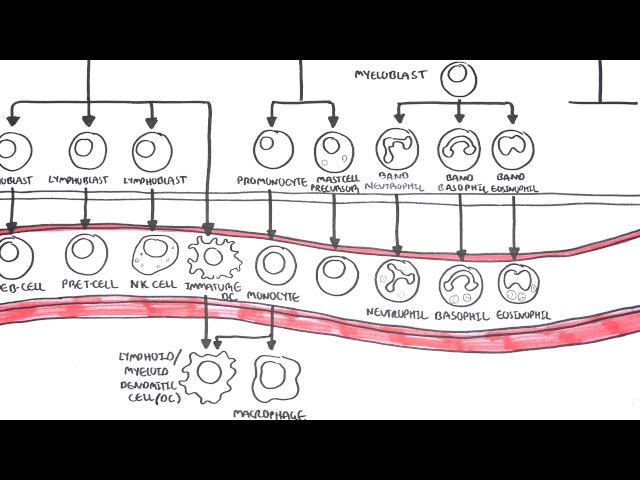
Introduction to Myeloproliferative Disorders
Discover the basics of Myeloproliferative Disorders — their types, causes, symptoms, and diagnosis. A concise overview designed for medical students, healthcare professionals, and anyone interested in hematology.
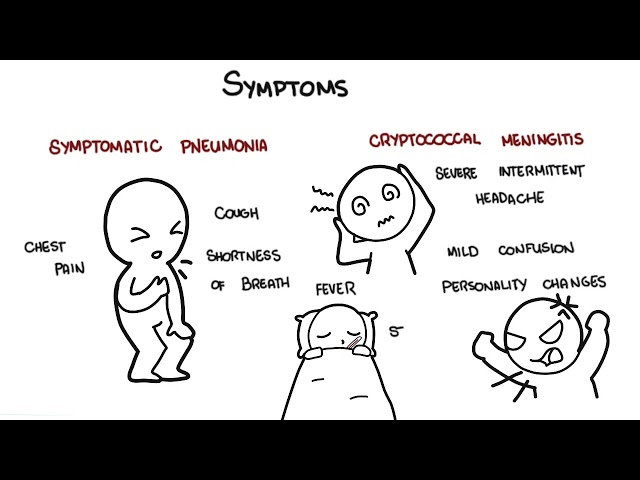
Cryptococcus neoformans infection – symptoms, pathophysiology, diagnosis, treatment
Explore Cryptococcus neoformans infection, a fungal disease that primarily affects the lungs and central nervous system, especially in immunocompromised individuals. This video covers its symptoms, pathophysiology, diagnostic methods, and current treatment options including antifungal therapy.
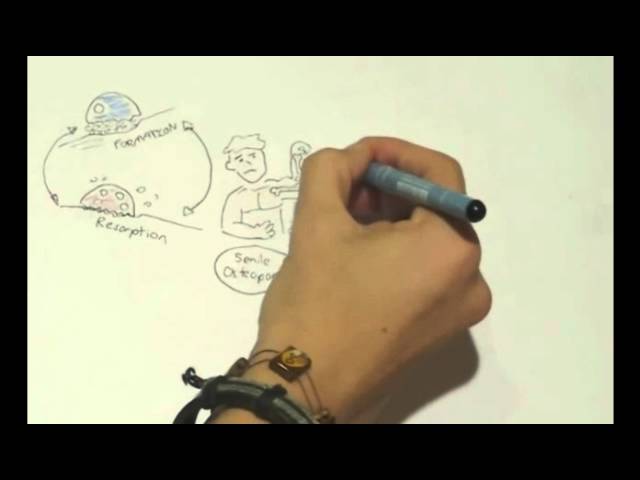
Osteoporosis (Part I)
Learn the fundamentals of Osteoporosis in Part I—covering its pathophysiology, risk factors, and the role of bone remodeling. Perfect for medical students and healthcare professionals seeking a clear, exam-focused breakdown of this common metabolic bone disease.
Our mission
Medical science is complex. Understanding it should feel possible.
Armando Hasudungan turns difficult medical science into clear visual explanations and connected learning experiences—so learners can see the whole picture, remember what matters and find a clearer way forward.
See it clearly
Turn abstract processes and invisible relationships into something the learner can picture.
Connect the pieces
Build understanding around how concepts fit together—not a pile of isolated facts.
Make it useful
Help learners move from explanation to recall, revision and the next logical step.
What clarity feels like
When the topic stops being a blur.
Learners do not come back because the subject became easy. They come back because the explanation gave them a picture they could work with.
“Armando's teaching style gives me the foundational knowledge.
Jessica Payne-Burnett
Medical Student, Charles Sturt University
“The notes I make during his videos help me retain everything better.
Ayesha RaiStudent, Islamabad Medical and Dental College
“The drawings are amazing and super easy to remember.
Reem Mohamed Khair Abdalrazig
Student, Neelain University
Coming soon: the AH study platform
The explanation is only the start.
The free library helps you find a clear explanation. The AH platform is being built to help you connect the resources, follow a clearer path and check what actually stuck.
- Watch in a focused, ad-free study environment.
- Move between connected videos, notes, diagrams and questions.
- Know what belongs next instead of rebuilding the study path yourself.
- Test your understanding while the topic is still fresh.
New and worth a look
Keep building the picture.
Lambert-Eaton Myasthenic Syndrome
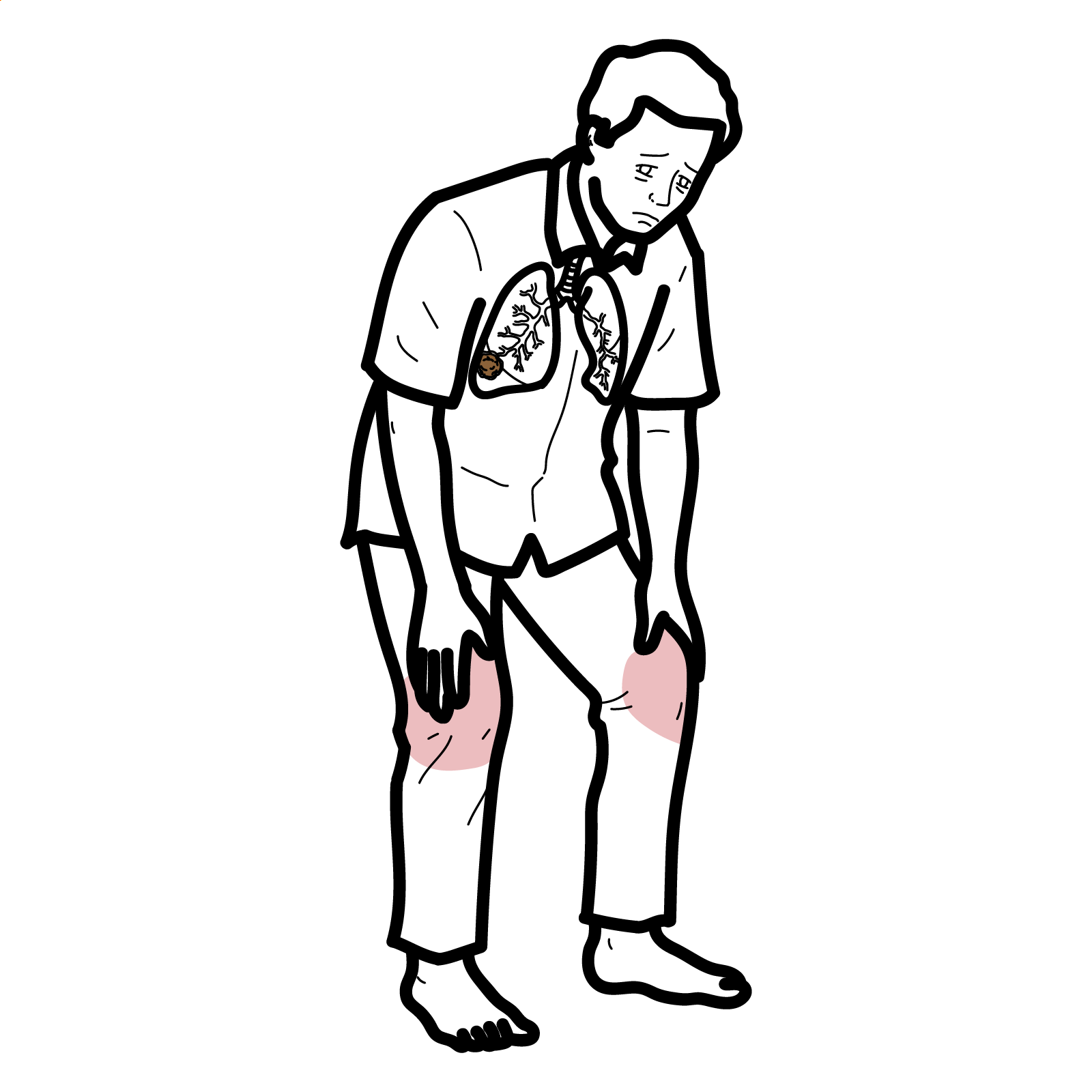
Overview Lambert–Eaton myasthenic syndrome (LEMS) is a rare autoimmune disorder of the presynaptic neuromuscular junction. It causes impaired acetylcholine release, producing the characteristic triad of proximal muscle weakness, reduced reflexes and autonomic dysfunction. LEMS may occur as a paraneoplastic syndrome—most commonly associated with small-cell lung cancer (SCLC)—or as a non-tumour-associated autoimmune disorder. Neuromuscular junction: connection…
View this topic ↗About Visualising Medicine
Good education does not remove complexity. It makes complexity feel simple.
Visualising Medicine is the team behind Armando Hasudungan. We bring together medicine, illustration, writing and technology to make difficult ideas clearer—and build better ways for learners to use them.