

Visual explanationFree resource
Visual medical education by Armando Hasudungan
Medical science, drawn into focus.
Explore visual explanations that reveal how the facts, processes and clinical patterns fit together—then discover the coming AH study platform, built to guide what you study next and check what stuck.
Connected studyComing soon
Clear visual explanations used by medical and allied-health learners around the world.
Explore the free library
Start with the topic in front of you.
Browse by subject or jump straight into the explanation you need. No account required.

Dupuytren’s Contracture
Overview Dupuytren’s disease is a benign fibroproliferative disorder affecting the palmar fascia. Abnormal collagen deposition produces firm nodules and cords beneath the skin of the palm, which may progressively shorten and pull one or more fingers into flexion. The ring and little fingers are most commonly affected. Contracture usually develops slowly over months or years…
View topic ↗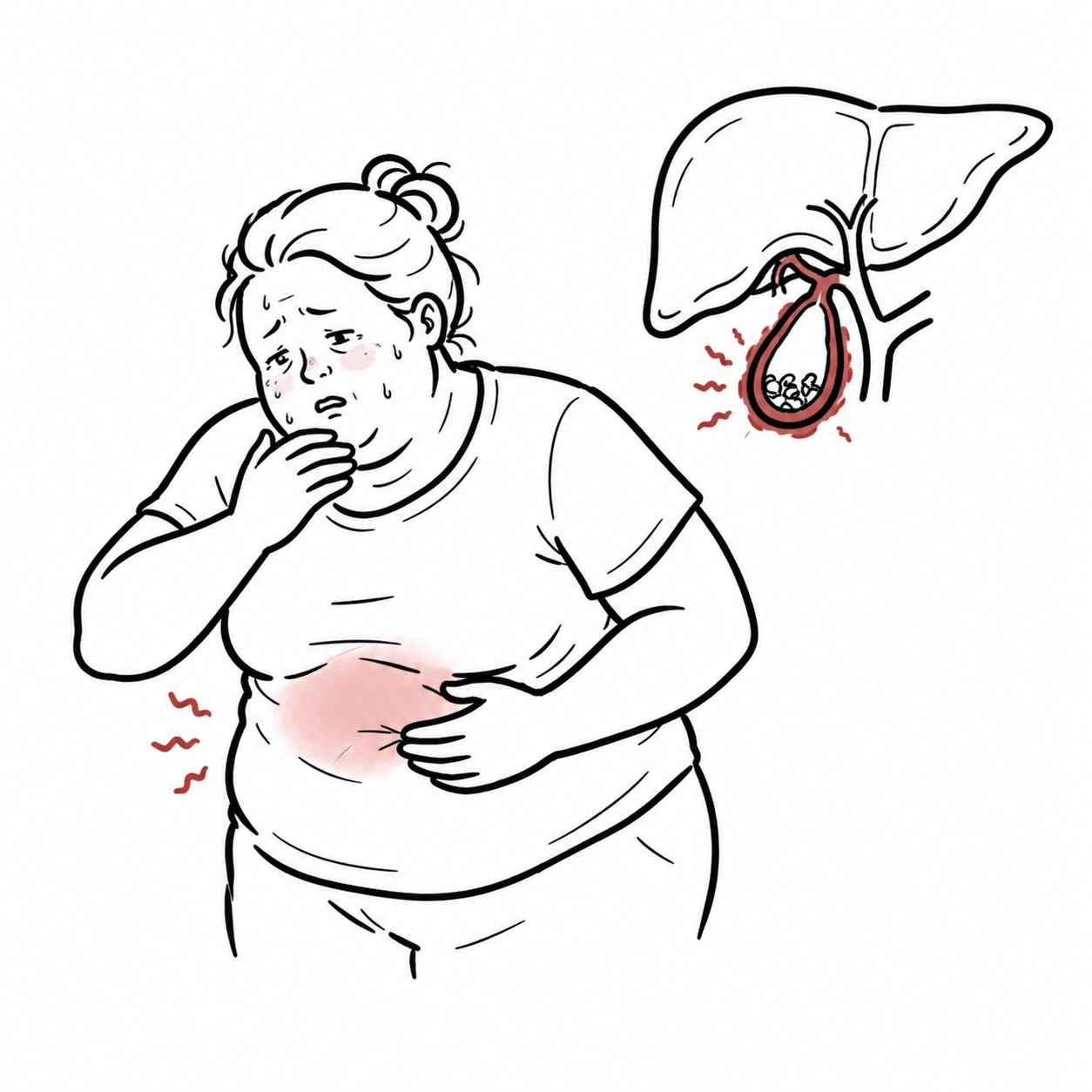
Acute Cholecystitis
Overview Acute cholecystitis is acute inflammation of the gallbladder, usually caused by a gallstone obstructing the cystic duct. Persistent obstruction causes gallbladder distension, inflammation and possible secondary bacterial infection. Most cases are calculous, while acalculous cholecystitis occurs mainly in critically ill or severely immunocompromised patients. Cholecystectomy: surgical removal of the gallbladder. Calculous cholecystitis: gallbladder inflammation…
View topic ↗
Polyendocrine Metabolic Ovarian Syndrome
Overview PMOS; formerly polycystic ovary syndrome—PCOS In May 2026, PCOS was renamed polyendocrine metabolic ovarian syndrome (PMOS) to reflect its endocrine, metabolic, reproductive, dermatological and psychological effects. The terminology will transition gradually through to the 2028 international guideline update. It is not caused by multiple pathological ovarian cysts . Common chronic endocrine condition affecting approximately …
View topic ↗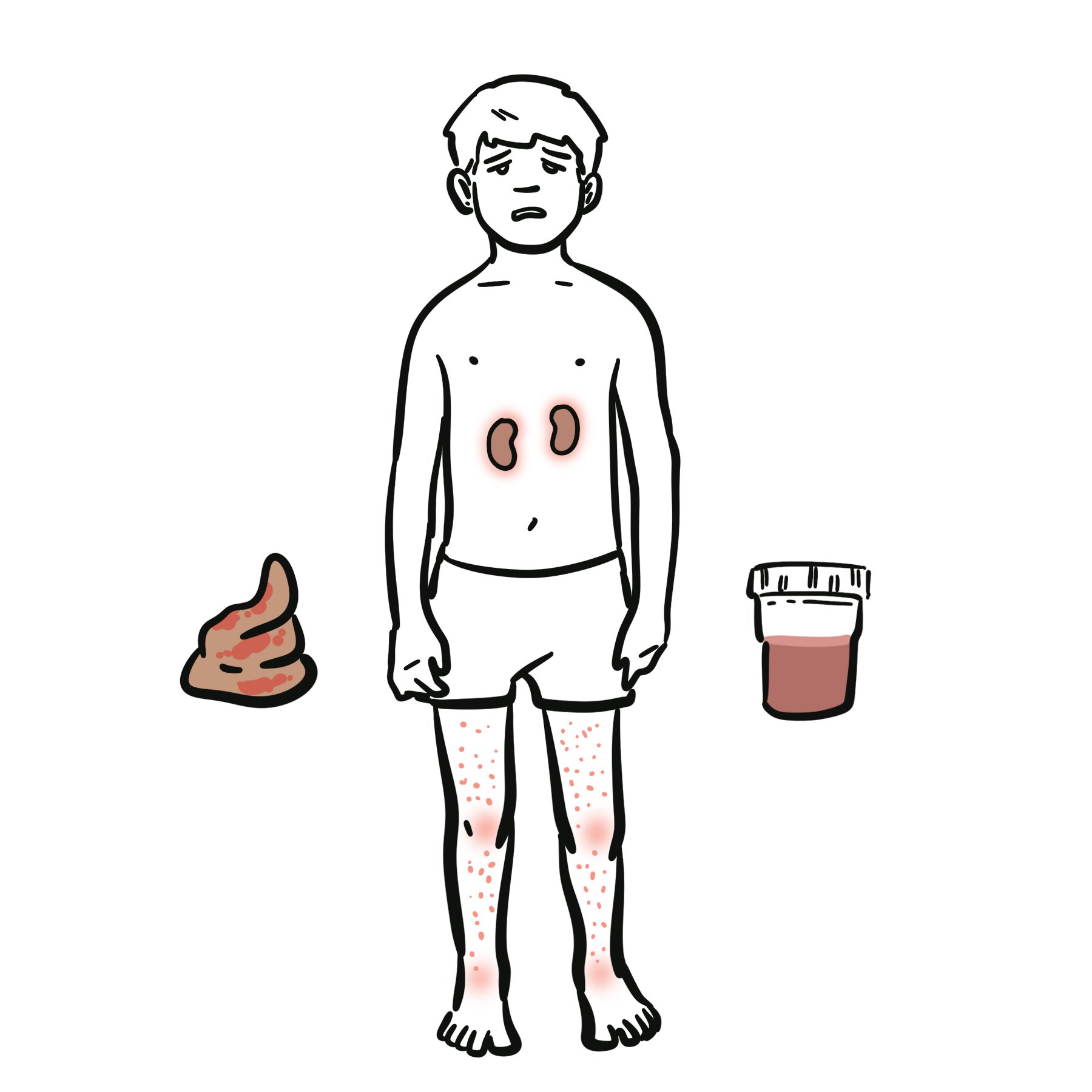
Henoch–Schönlein Purpura (IgA Vasculitis)
Overview Henoch–Schönlein purpura (HSP), now termed IgA vasculitis, is the most common systemic vasculitis in children, characterised by IgA1-dominant immune complex deposition in small vessels, particularly affecting the skin, joints, gastrointestinal tract, and kidneys. It predominantly occurs in children aged 3–10 years, with a slight male predominance, and often follows an upper respiratory tract infection.…
View topic ↗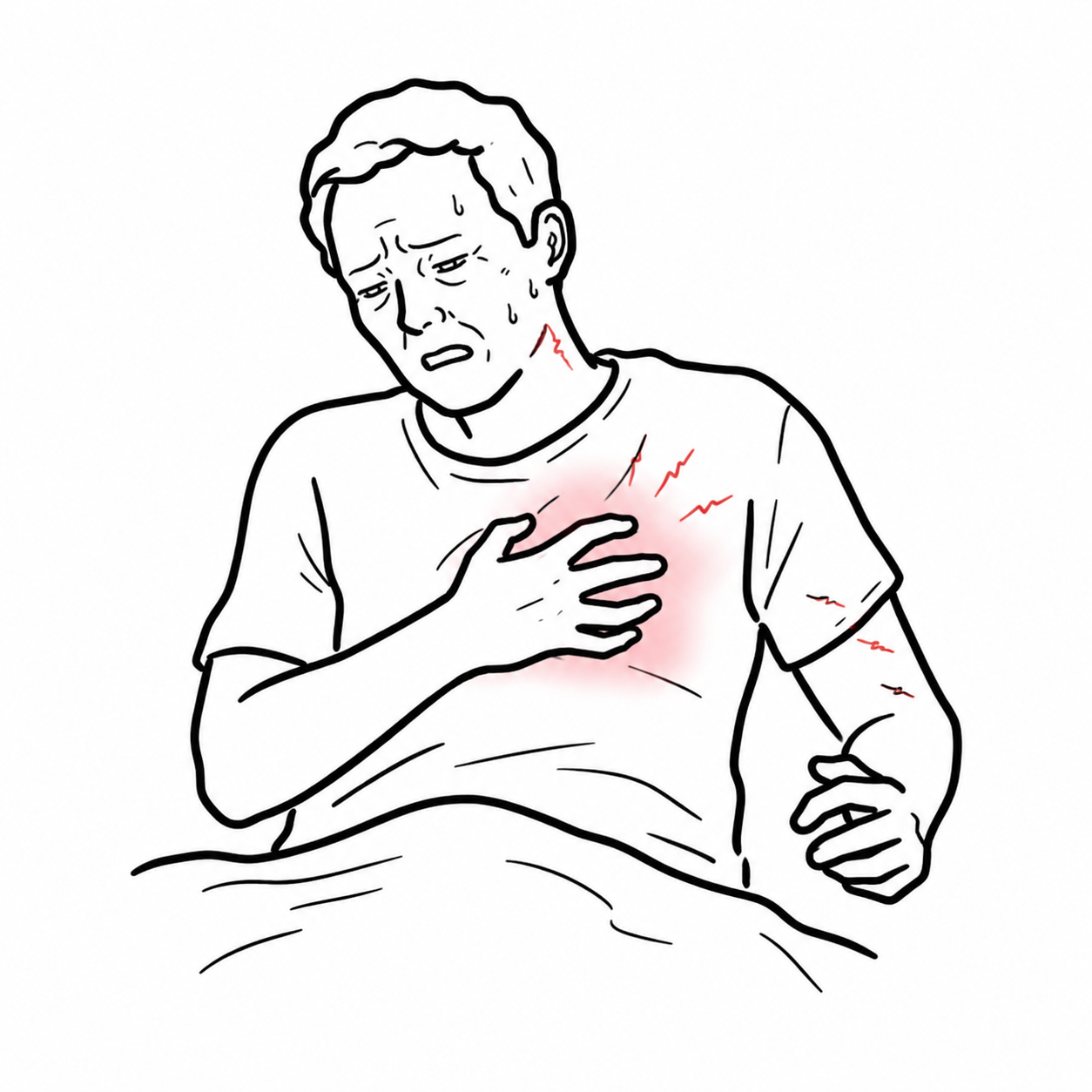
Acute Coronary Syndrome: Myocardial infarction (STEMI, NSTEMI)
Overview Acute coronary syndrome (ACS) describes acute myocardial ischaemia caused by an abrupt reduction in coronary blood flow. It includes myocardial infarction (MI) and unstable angina and is a time-critical medical emergency. This article focuses on ST-segment elevation myocardial infarction (STEMI) and non-ST-segment elevation myocardial infarction (NSTEMI). 1 Myocardial infarction is diagnosed when there is…
View topic ↗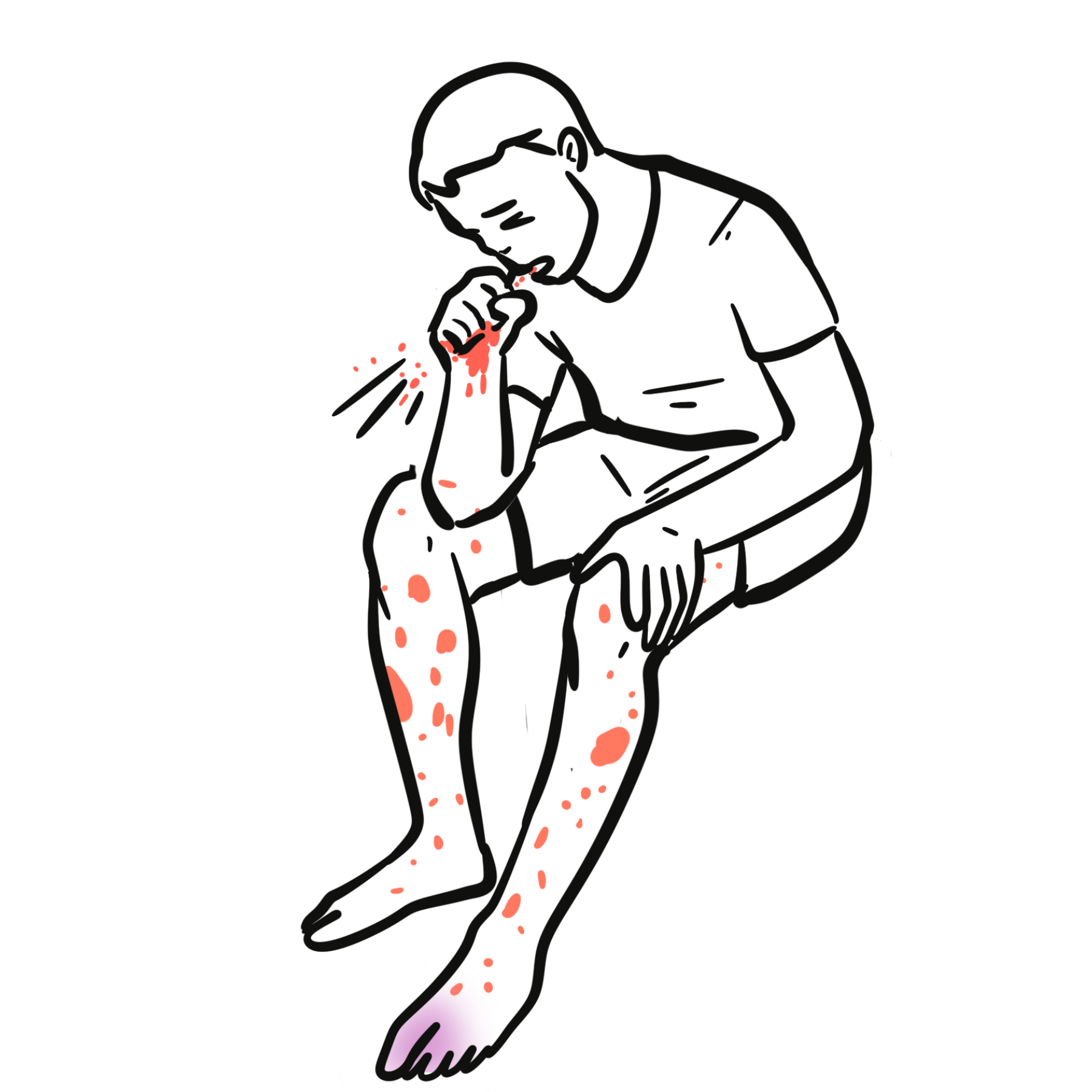
ANCA – Associated Vasculitis with Pulmonary Haemorrhage or Fibrosis
ANCA-associated vasculitis can cause life-threatening diffuse alveolar haemorrhage or chronic interstitial lung disease and pulmonary fibrosis. Review its presentation, diagnosis and management.
View topic ↗
Transient Ischaemic Attack (TIA)
Overview Transient ischemic attack is defined as transient neurologic symptoms without evidence of acute infarction. It is a common and important risk factor for future stroke. TIAs are produced by temporary ischemia to a vascular territory, usually caused by thrombosis or embolism and less commonly by vasculitis, hematologic disorders such as sickle cell disease or…
View topic ↗Full resource library
Browse all topics ↗Choose how you learn
One idea. More than one way to see it.
Use the format that helps the topic click, then switch formats when you need to reinforce it.
01 / WATCH02 / READ03 / SEE04 / CHECK
Videos
Hand-drawn explanations that build the big picture as the concept unfolds.
Notes
Clear written explanations for review, reference and filling in the details.
Diagrams
Visual snapshots that help you easily review topics.
Questions
Test whether the explanation stayed with you—not just whether it looked familiar.
Good places to begin
Explanations learners return to.
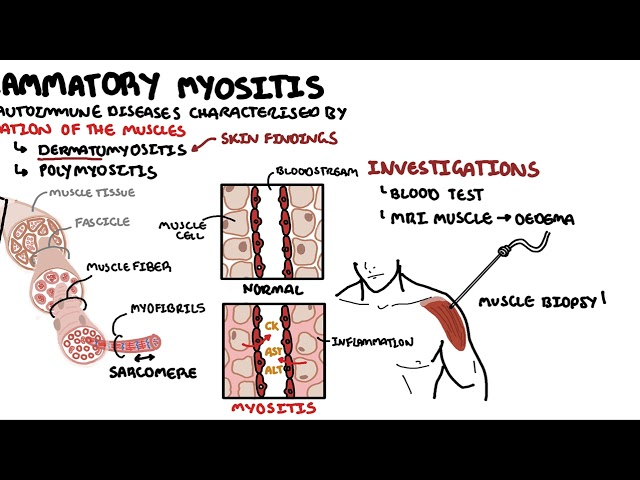
Understanding Inflammatory Myopathies – Dermatomyositis, Polymyositis, Antisynthetase syndrome
Inflammatory myopathies are a group of autoimmune diseases characterized by inflammation of the muscles, leading to muscle weakness and atrophy. The two most commonly recognized types are dermatomyositis and polymyositis. Typically presenting with proximal muscle weakness. Difference is that dermatomyositis has skin changes.
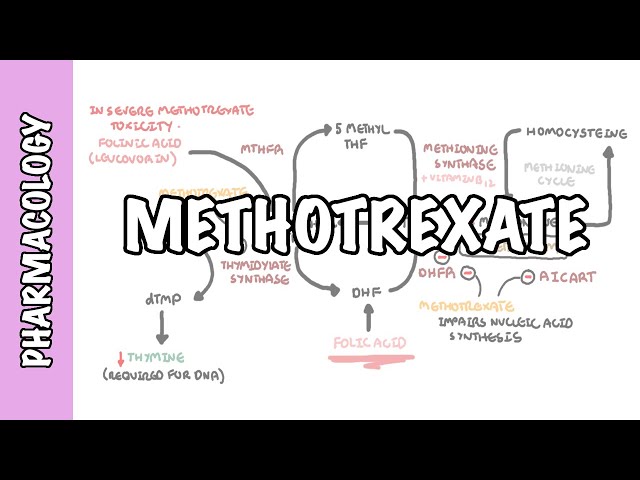
Methotrexate – Pharmacology (DMARDs, mechanism of action, side effects)
Learn about methotrexate, a key disease-modifying antirheumatic drug (DMARD) used to treat autoimmune conditions and certain cancers. This video explains its mechanism of action, pharmacologic properties, and common side effects such as liver toxicity and bone marrow suppression.
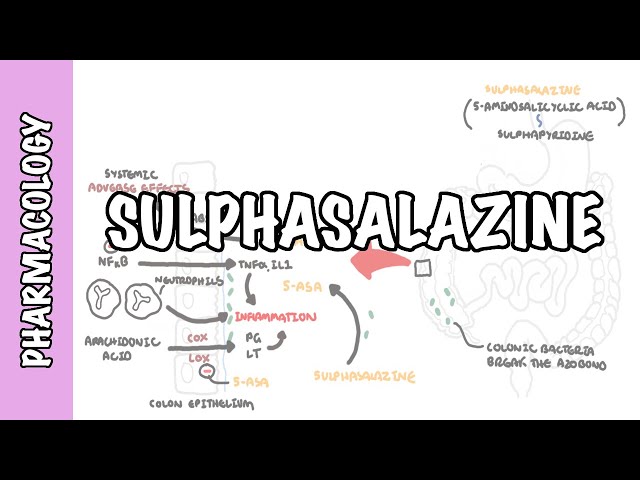
Sulphasalazine (DMARD) – Pharmacology, mechanism of action, metabolism, side effects
Learn about sulfasalazine, a disease-modifying antirheumatic drug (DMARD) used to treat inflammatory conditions like rheumatoid arthritis and IBD. This video explains its pharmacology, mechanism of action, metabolism, and potential side effects including gastrointestinal upset and hypersensitivity reactions.
Our mission
Medical science is complex. Understanding it should feel possible.
Armando Hasudungan turns difficult medical science into clear visual explanations and connected learning experiences—so learners can see the whole picture, remember what matters and find a clearer way forward.
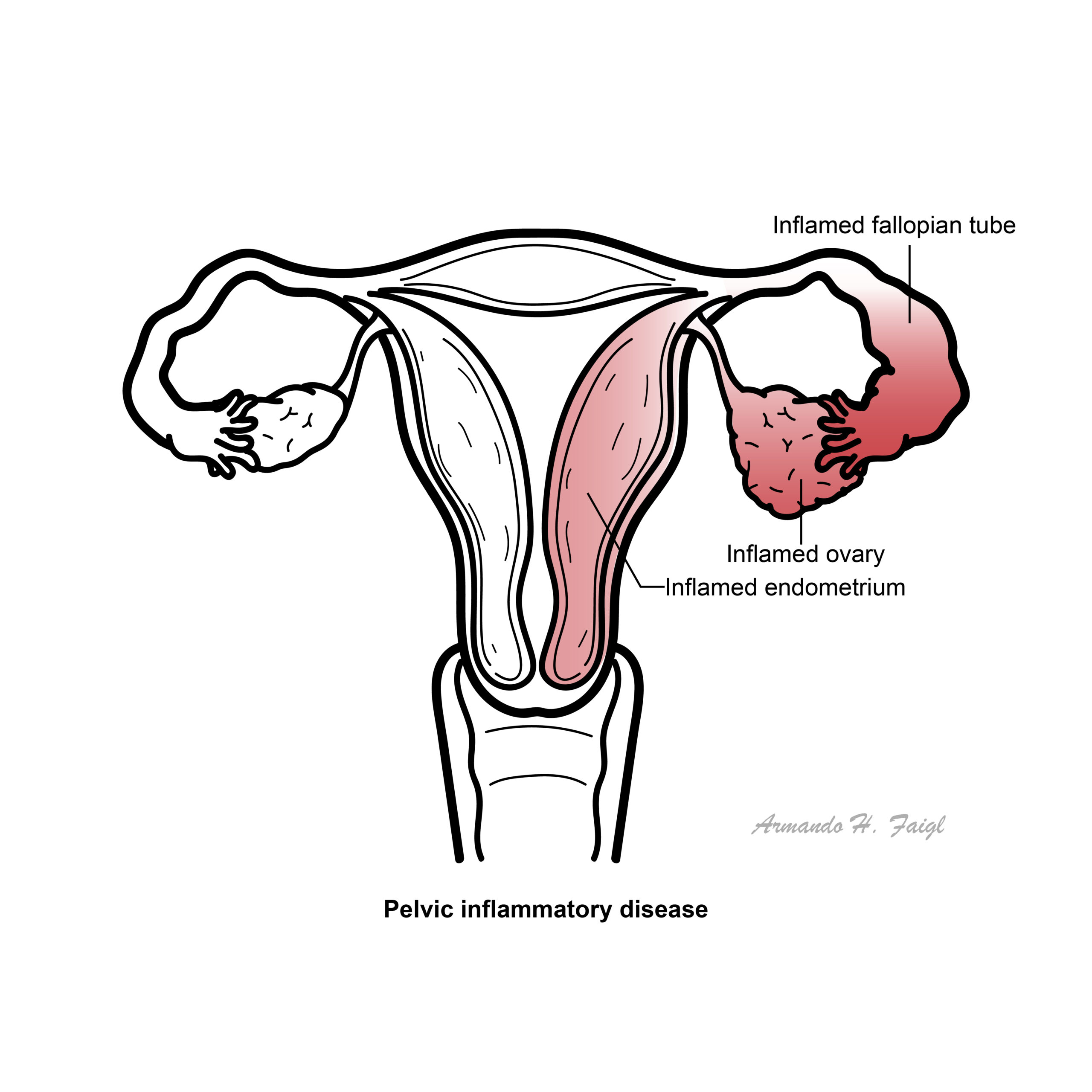
See it clearly
Turn abstract processes and invisible relationships into something the learner can picture.
Connect the pieces
Build understanding around how concepts fit together—not a pile of isolated facts.
Make it useful
Help learners move from explanation to recall, revision and the next logical step.
What clarity feels like
When the topic stops being a blur.
Learners do not come back because the subject became easy. They come back because the explanation gave them a picture they could work with.
“Armando's teaching style gives me the foundational knowledge.
Jessica Payne-Burnett
Medical Student, Charles Sturt University
“The notes I make during his videos help me retain everything better.
Ayesha RaiStudent, Islamabad Medical and Dental College
“The drawings are amazing and super easy to remember.
Reem Mohamed Khair Abdalrazig
Student, Neelain University
Coming soon: the AH study platform
The explanation is only the start.
The free library helps you find a clear explanation. The AH platform is being built to help you connect the resources, follow a clearer path and check what actually stuck.
- Watch in a focused, ad-free study environment.
- Move between connected videos, notes, diagrams and questions.
- Know what belongs next instead of rebuilding the study path yourself.
- Test your understanding while the topic is still fresh.
New and worth a look
Keep building the picture.
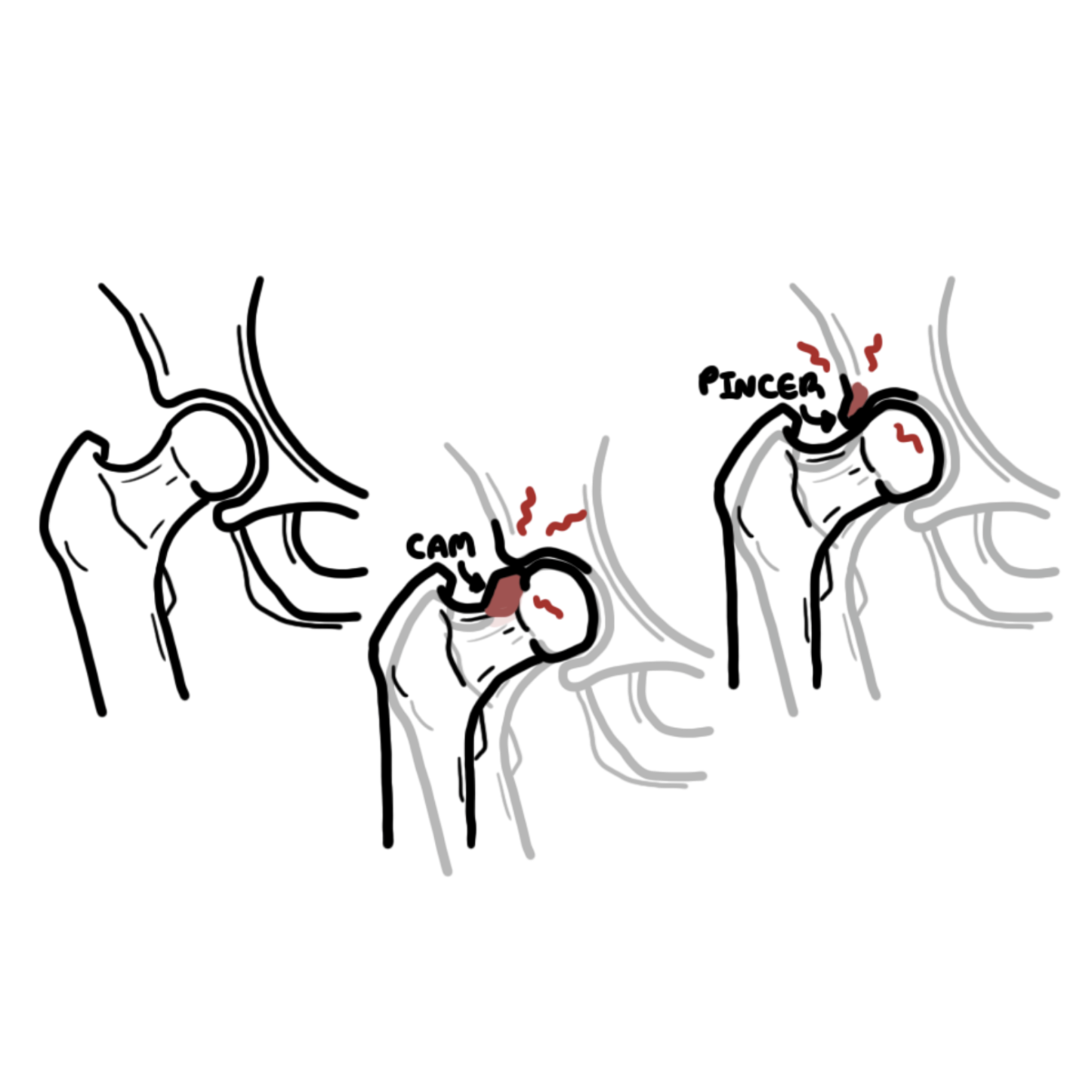
Femoroacetabular Impingement Syndrome
Overview Femoroacetabular impingement syndrome (FAIS) is a motion-related clinical disorder of the hip in which symptoms and clinical signs occur in association with characteristic femoral and/or acetabular morphology. The accepted diagnostic concept is a triad of symptoms, clinical signs and imaging findings ; bone morphology alone does not establish the syndrome. Patients commonly present with…
View this topic ↗Deep Neck Infection Causes, specific syndromes and symptoms, Complications & TreatmentExtensor Tendon Anatomy & Injuries Explained | Zones, Clinical features and examinationApoptosis – internal and external pathwaysMCL Knee Tear Explained Symptoms, Grades and TreatmentPharmacodynamics Explained Agonists, Antagonists, Efficacy & AffinityFlexor Tendon Injury & Anatomy Explained Zones, Anatomy, Diagnosis & Treatment
About Visualising Medicine
Good education does not remove complexity. It makes complexity feel simple.
Visualising Medicine is the team behind Armando Hasudungan. We bring together medicine, illustration, writing and technology to make difficult ideas clearer—and build better ways for learners to use them.