

Visual explanationFree resource
Visual medical education by Armando Hasudungan
Medical science, drawn into focus.
Explore visual explanations that reveal how the facts, processes and clinical patterns fit together—then discover the coming AH study platform, built to guide what you study next and check what stuck.
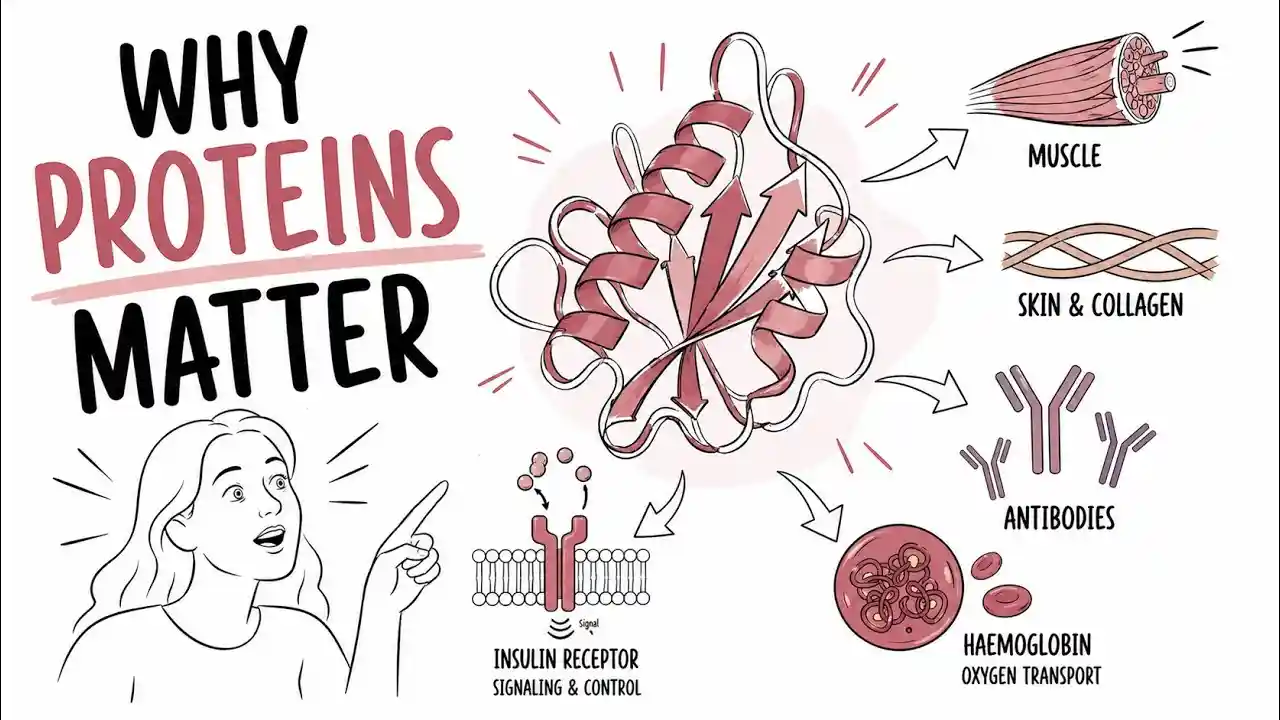
Connected studyComing soon
Clear visual explanations used by medical and allied-health learners around the world.
Explore the free library
Start with the topic in front of you.
Browse by subject or jump straight into the explanation you need. No account required.
Thyroiditis
Overview Thyroiditis: Varied group of disorder all characterized by some form of thyroid inflammation Hyperthyroidism: denote conditions in which hyperfunction of the thyroid leads to thyrotoxicosis. Hypothyroidism: Variety of abnormalities that cause insufficient secretion of thyroid hormones. The most common cause is autoimmune thyroid disease Thyrotoxicosis: denotes the clinical, physiological, and biochemical findings that result…
View topic ↗Neural Tube Defect
Overview Neural tube defects (NTDs) are a group of major congenital anomalies comprising anencephaly, spina bifida and encephalocele that result from very early disruption in the development of the brain and spinal cord. These conditions are often incompatible with life. Survivors frequently require intensive, costly, lifelong health and social care. Neural tube defect (NTD): Severe…
View topic ↗Goodpasture Syndrome (Anti-GBM disease)
Overview Goodpasture syndrome, now more precisely termed anti-glomerular basement membrane (anti-GBM) disease , is a rare autoimmune small-vessel vasculitis affecting lungs and kidneys, typically manifesting with diffuse alveolar hemorrhage and rapidly progressive glomerulonephritis. Microscopic polyangiitis (MPA) has an estimated incidence of approximately 0.5 to 1.8 cases per million per year. It demonstrates a bimodal age…
View topic ↗Acute Liver (Hepatic) Failure
Overview Acute liver failure is a rare but life-threatening critical illness that occurs most often in patients who do not have preexisting liver disease. Acute liver failure is seen most commonly in previously healthy adults in their 30s and presents unique challenges in clinical management. The clinical presentation usually includes hepatic dysfunction, abnormal liver biochemical…
View topic ↗X-linked Agammaglobulinaemia (XLA / Bruton’s Disease)
Overview X-linked agammaglobulinaemia (XLA) is a rare primary immunodeficiency caused by mutations in the Bruton’s tyrosine kinase (BTK) gene , leading to failure of B-cell maturation. It results in profound hypogammaglobulinaemia and susceptibility to recurrent bacterial infections, particularly with encapsulated organisms. It usually presents after 6 months of age (once maternal IgG wanes). Prevalence is…
View topic ↗Hydatidiform Mole (Molar Pregnancy)
Overview Hydatidiform moles are part of a group of diseases falling under gestational trophoblastic disease. A hydatidiform mole refers to the abnormal growth of trophoblastic cells in the placenta, resulting in edematous placental villi that form hydatidiform structures. It is classified as either partial or complete, causing either abnormal foetal development (resulting in foetal demise)…
View topic ↗Atopic Dermatitis (Eczema)
Overview Atopic dermatitis is a chronic highly pruritic (itchy) inflammatory skin disease. Atopic dermatitis and eczema are often used synonymously. Atopic dermatitis primarily affect young children and is often associated with other atopic disorders, such as allergic rhinitis and asthma. The prevalence of atopic dermatitis has doubled or tripled in industrialised countries during the past three decades.…
View topic ↗Full resource library
Browse all topics ↗Choose how you learn
One idea. More than one way to see it.
Use the format that helps the topic click, then switch formats when you need to reinforce it.
01 / WATCH02 / READ03 / SEE04 / CHECK
Videos
Hand-drawn explanations that build the big picture as the concept unfolds.
Notes
Clear written explanations for review, reference and filling in the details.
Diagrams
Visual snapshots that help you easily review topics.
Questions
Test whether the explanation stayed with you—not just whether it looked familiar.
Good places to begin
Explanations learners return to.
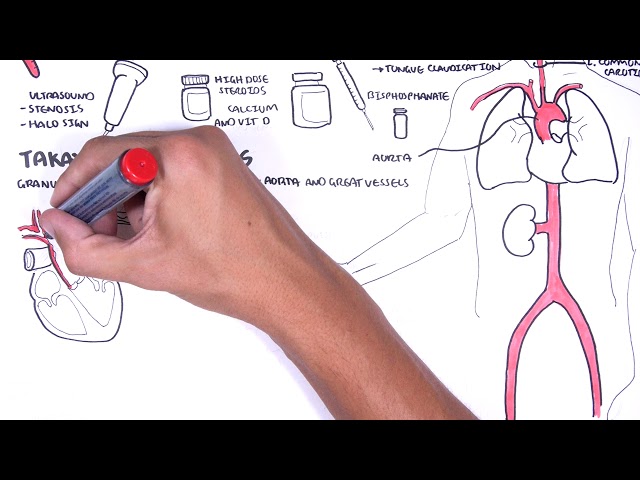
Giant cell Arteritis and Takayasu arteritis (Large Vessel Vasculitis) – signs, pathophysiology
Giant Cell Arteritis and Takayasu Arteritis are large vessel vasculitides that primarily affect major arteries, leading to systemic and ischemic symptoms. This video covers their clinical signs, underlying pathophysiology, and key differences in presentation and affected demographics.

How to Bathe a Newborn Baby | Baby Bathing Tips for New Parents
Learn how to safely bathe your newborn baby step by step. This baby bath tutorial covers when to start, how often to bathe your baby, sponge vs tub baths, and tips for keeping baby warm and calm during the bath. Perfect for first-time parents! ✔️ Baby bath basics ✔️ Newborn sponge bath technique ✔️ How…
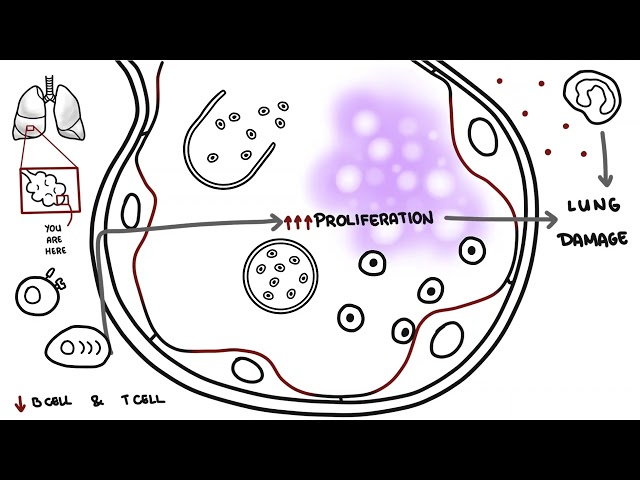
Pneumocystis jirovecii – Pneumocystis pneumonia
Explore Pneumocystis jirovecii, the fungal organism responsible for Pneumocystis pneumonia (PCP), particularly in immunocompromised individuals. This video explains the mode of transmission, clinical features, diagnosis, and treatment strategies for managing PCP.
Our mission
Medical science is complex. Understanding it should feel possible.
Armando Hasudungan turns difficult medical science into clear visual explanations and connected learning experiences—so learners can see the whole picture, remember what matters and find a clearer way forward.
See it clearly
Turn abstract processes and invisible relationships into something the learner can picture.
Connect the pieces
Build understanding around how concepts fit together—not a pile of isolated facts.
Make it useful
Help learners move from explanation to recall, revision and the next logical step.
What clarity feels like
When the topic stops being a blur.
Learners do not come back because the subject became easy. They come back because the explanation gave them a picture they could work with.
“Armando's teaching style gives me the foundational knowledge.
Jessica Payne-Burnett
Medical Student, Charles Sturt University
“The notes I make during his videos help me retain everything better.
Ayesha RaiStudent, Islamabad Medical and Dental College
“The drawings are amazing and super easy to remember.
Reem Mohamed Khair Abdalrazig
Student, Neelain University
Coming soon: the AH study platform
The explanation is only the start.
The free library helps you find a clear explanation. The AH platform is being built to help you connect the resources, follow a clearer path and check what actually stuck.
- Watch in a focused, ad-free study environment.
- Move between connected videos, notes, diagrams and questions.
- Know what belongs next instead of rebuilding the study path yourself.
- Test your understanding while the topic is still fresh.
New and worth a look
Keep building the picture.
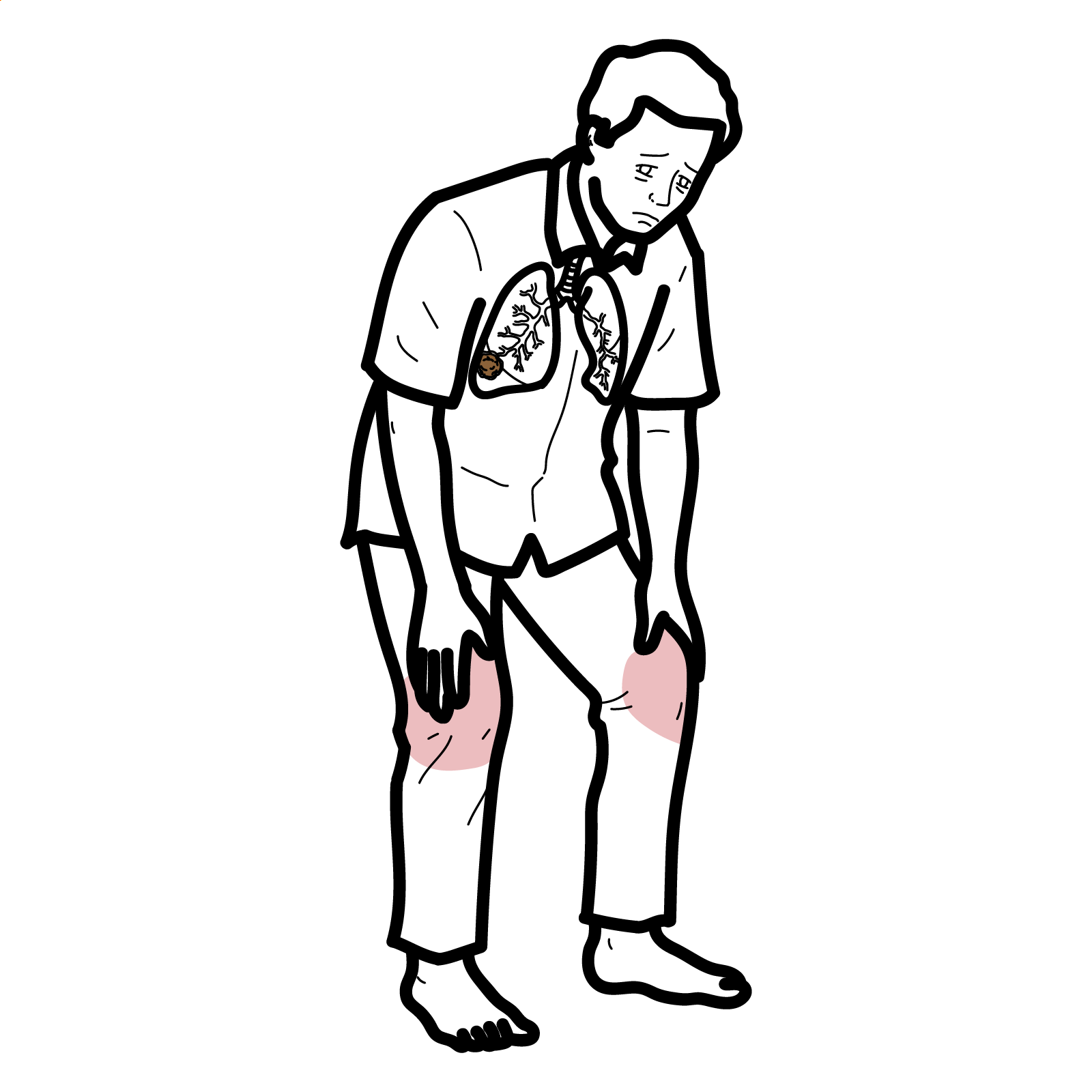
Lambert-Eaton Myasthenic Syndrome
Overview Lambert–Eaton myasthenic syndrome (LEMS) is a rare autoimmune disorder of the presynaptic neuromuscular junction. It causes impaired acetylcholine release, producing the characteristic triad of proximal muscle weakness, reduced reflexes and autonomic dysfunction. LEMS may occur as a paraneoplastic syndrome—most commonly associated with small-cell lung cancer (SCLC)—or as a non-tumour-associated autoimmune disorder. Neuromuscular junction: connection…
View this topic ↗About Visualising Medicine
Good education does not remove complexity. It makes complexity feel simple.
Visualising Medicine is the team behind Armando Hasudungan. We bring together medicine, illustration, writing and technology to make difficult ideas clearer—and build better ways for learners to use them.