

Goodpasture Syndrome (Anti-GBM disease)
Overview
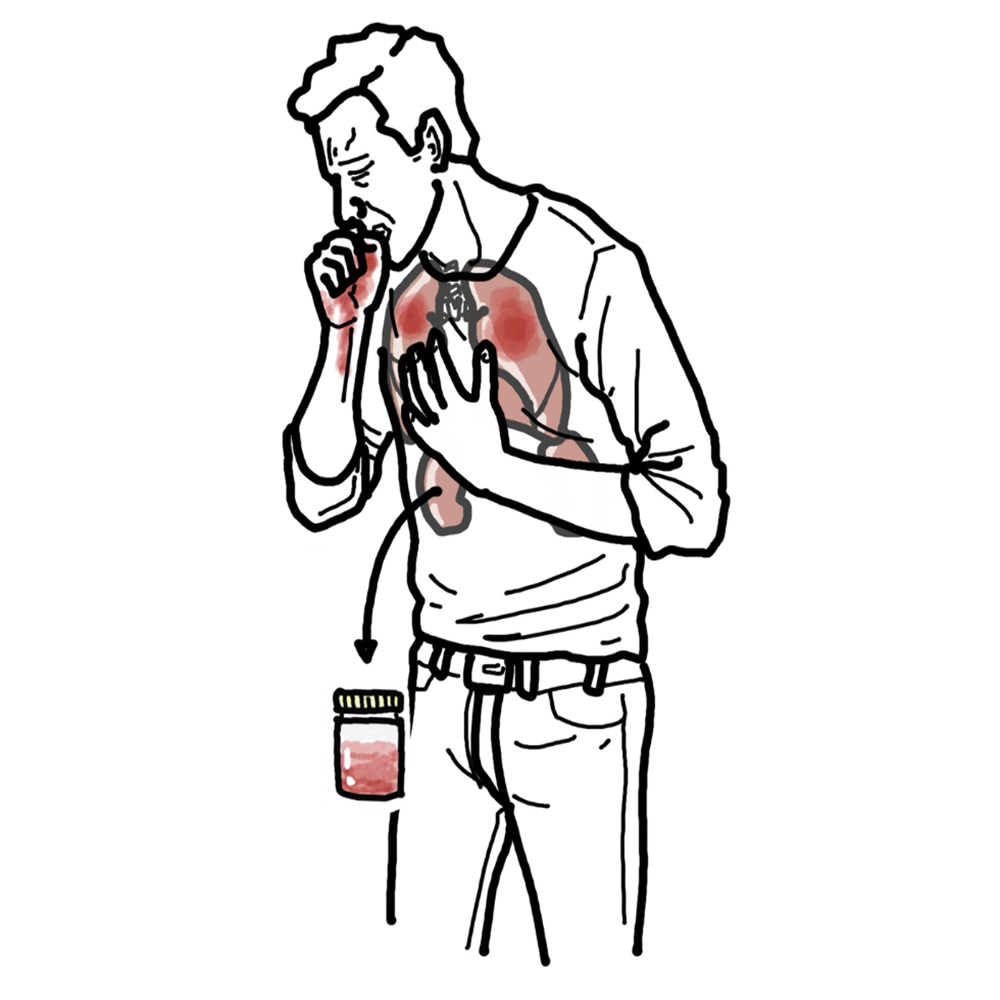
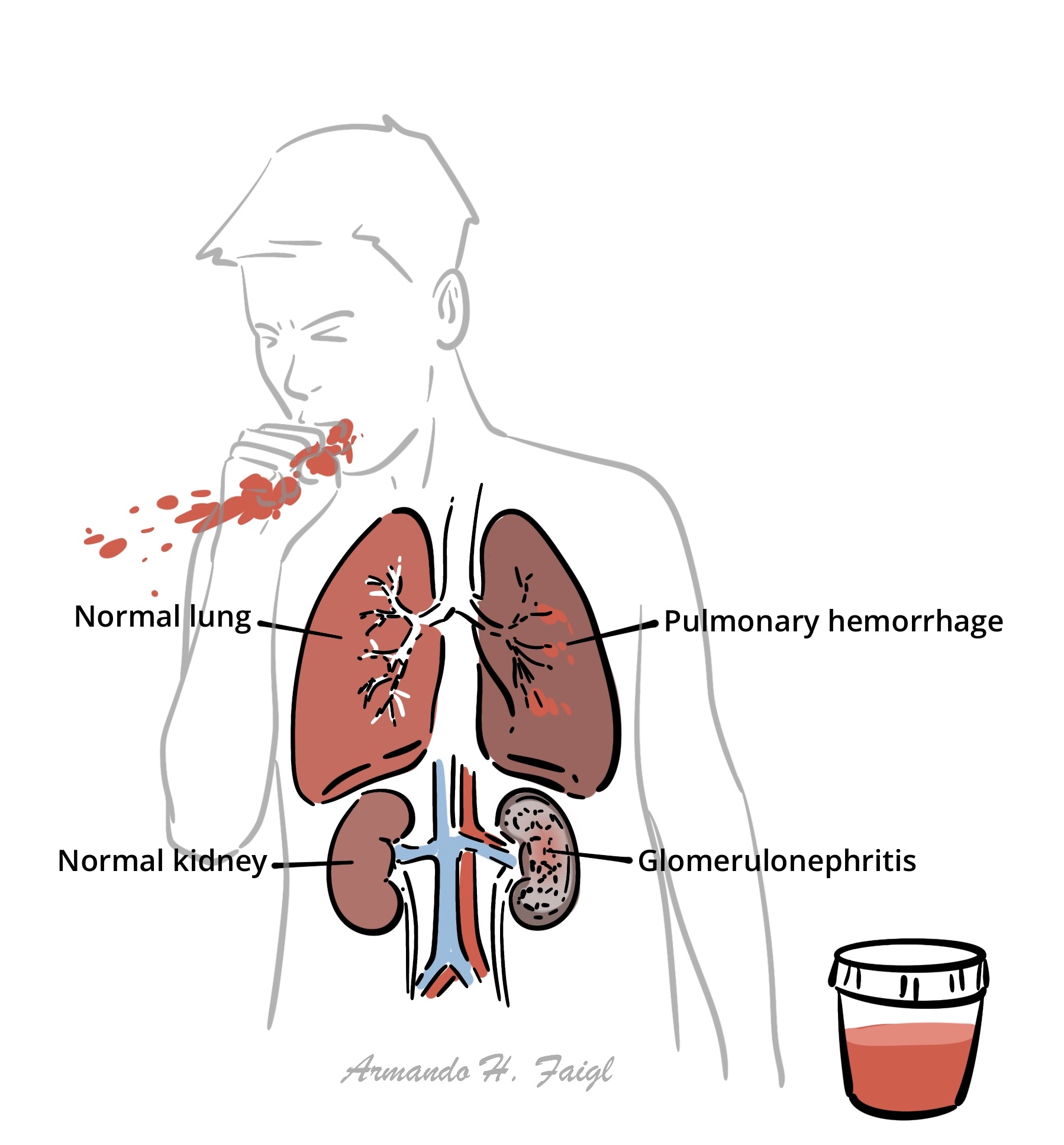
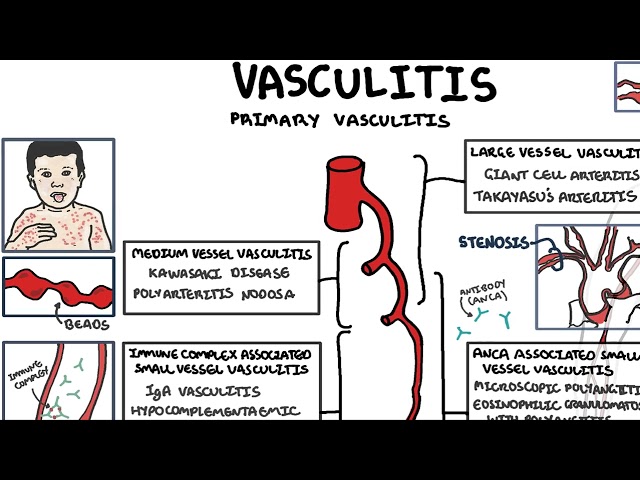
Goodpasture syndrome, now more precisely termed anti-glomerular basement membrane (anti-GBM) disease, is a rare autoimmune small-vessel vasculitis affecting lungs and kidneys, typically manifesting with diffuse alveolar hemorrhage and rapidly progressive glomerulonephritis.
Microscopic polyangiitis (MPA) has an estimated incidence of approximately 0.5 to 1.8 cases per million per year. It demonstrates a bimodal age distribution, with peaks occurring between 20–30 years and again between 60–70 years. There is a male predominance. Genetic associations include HLA-DR15 and HLA-DR4, and environmental triggers such as smoking and hydrocarbon exposure have also been implicated in disease development.
Definition
Anti-GBM disease: autoimmune condition where antibodies target the α3-NC1 domain of type IV collagen in glomerular and alveolar basement membranes
Pulmonary-renal syndrome: simultaneous involvement of lungs (hemorrhage) and kidneys (glomerulonephritis).
Rapidly progressive glomerulonephritis (RPGN): rapid loss of kidney function often with crescents on biopsy, can be manifestation of anti-GBM disease.
Type II hypersensitivity: immune reaction where antibodies bind antigens on tissues, causing complement fixation and inflammation (mechanism here).
What to notice
Detailed image description
Anatomy & Physiology
Relevant normal anatomy/physiology without disease:
- Glomerular basement membrane (GBM): multilaminar basal lamina between endothelial cells and podocytes—critical filtration barrier in kidney glomerulus
- Alveolar basement membrane: part of the thin blood-air barrier for gas exchange in alveoli, consisting of alveolar epithelial and capillary endothelial layers plus basement membranes
Aetiology & Risk Factors
Aetiology
Autoantibodies directed against the non-collagenous (NC-1) domain of α3 chain of type IV collagen in lung and kidney basement membranes.
- Genetic predisposition: HLA-DR15, HLA-DR4, HLA-DRB1*1501/1502
- Environmental triggers: cigarette smoking, hydrocarbon/organic solvent inhalation, viral respiratory infection (e.g., influenza) [1,8,4].
- Others: exposure to certain chemicals, infections, possibly post-renal transplant in Alport syndrome, heavy metals [4,8].
genetic predisposition creates susceptibility—but environmental “hits” often precipitate disease.
Pathophysiology
- Environmental insult (e.g. smoking) → alveolar capillary injury and increased antigen exposure.
- Autoimmune response: B cells produce anti-GBM antibodies targeting α3-NC1 type IV collagen
- Circulating antibodies bind linear epitopes in GBM and alveolar BM → complement activation → neutrophil-mediated inflammation and capillaritis
- Tissue damage: crescentic glomerulonephritis in kidneys; diffuse alveolar hemorrhage in lungs
early damage to barrier exposes hidden antigens, tipping into autoimmune cascade.
Clinical Manifestations
Clinical features reflect acute, severe pulmonary and renal parenchymal injury.
- Pulmonary Manifestations (Seen in ~60–70% of Patients)
- Hemoptysis: Ranges from minor blood-streaked sputum to sudden, massive life-threatening pulmonary hemorrhage.
- Shortness of Breath: Acute exertional dyspnoea, tachypnea, and cough.
- Constitutional Lung Findings: Crackles/crepitations on lung auscultation, acute respiratory distress syndrome (ARDS) requiring mechanical ventilation in severe cases.
- Iron Deficiency Anemia: Rapidly developing microcytic anemia due to sequestration of blood inside the alveolar spaces.
- Renal Manifestations (Seen in > 80–90% of Patients)
- Rapidly Progressive Renal Failure: Acute oliguria, anuria, rapidly rising serum creatinine, and uremic symptoms (nausea, pericarditis, encephalopathy) over days.
- Nephritic Urine Sediment: Gross or microscopic hematuria, dysmorphic red blood cells, RBC casts, and mild-to-moderate proteinuria (< 3 g/day).
- Fluid Overload: Hypertension, peripheral edema, and pulmonary edema (may mask or worsen alveolar hemorrhage).
- Constitutional & Systemic Manifestations
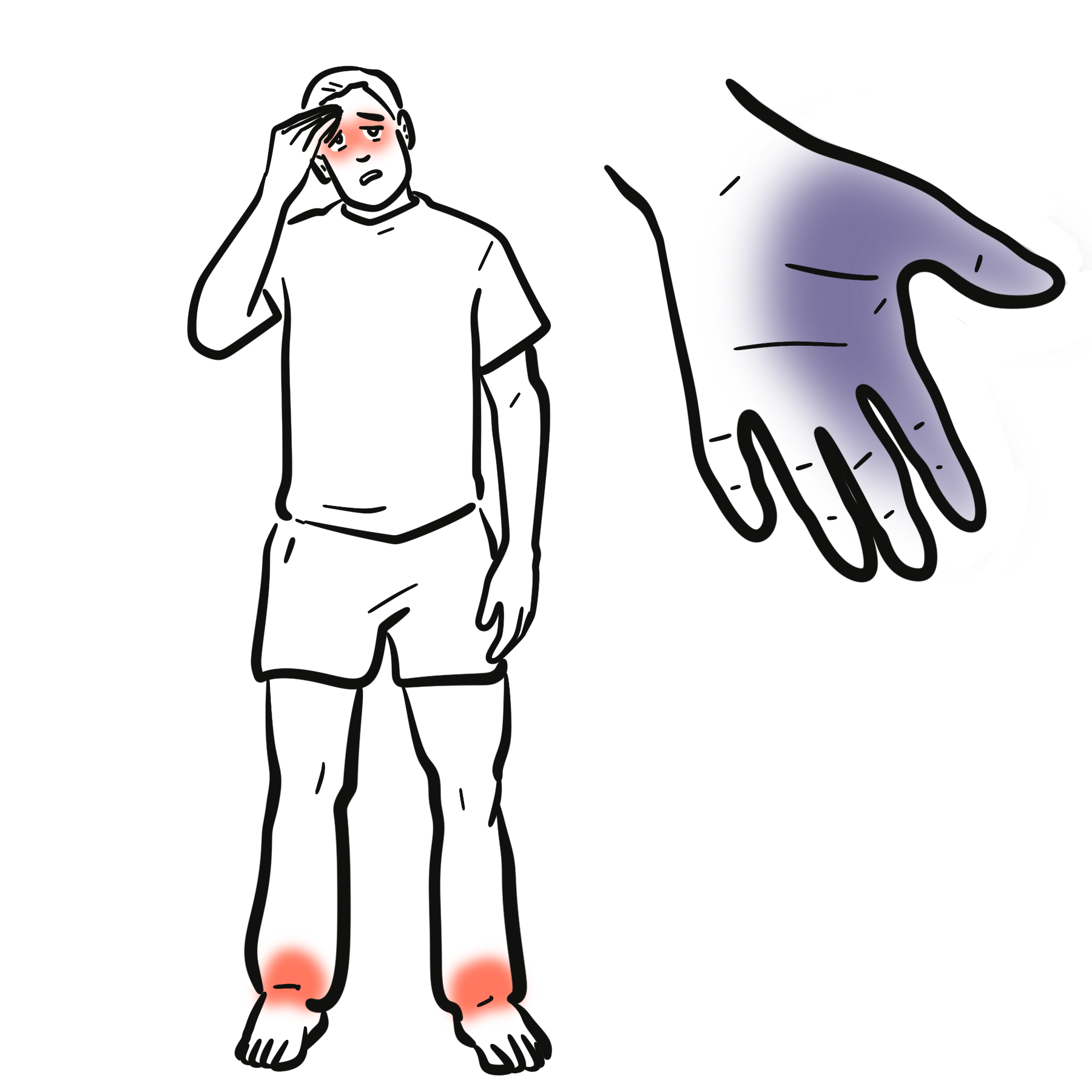
- Nonspecific Symptoms: Fatigue, low-grade fever, malaise, anorexia, and weight loss.
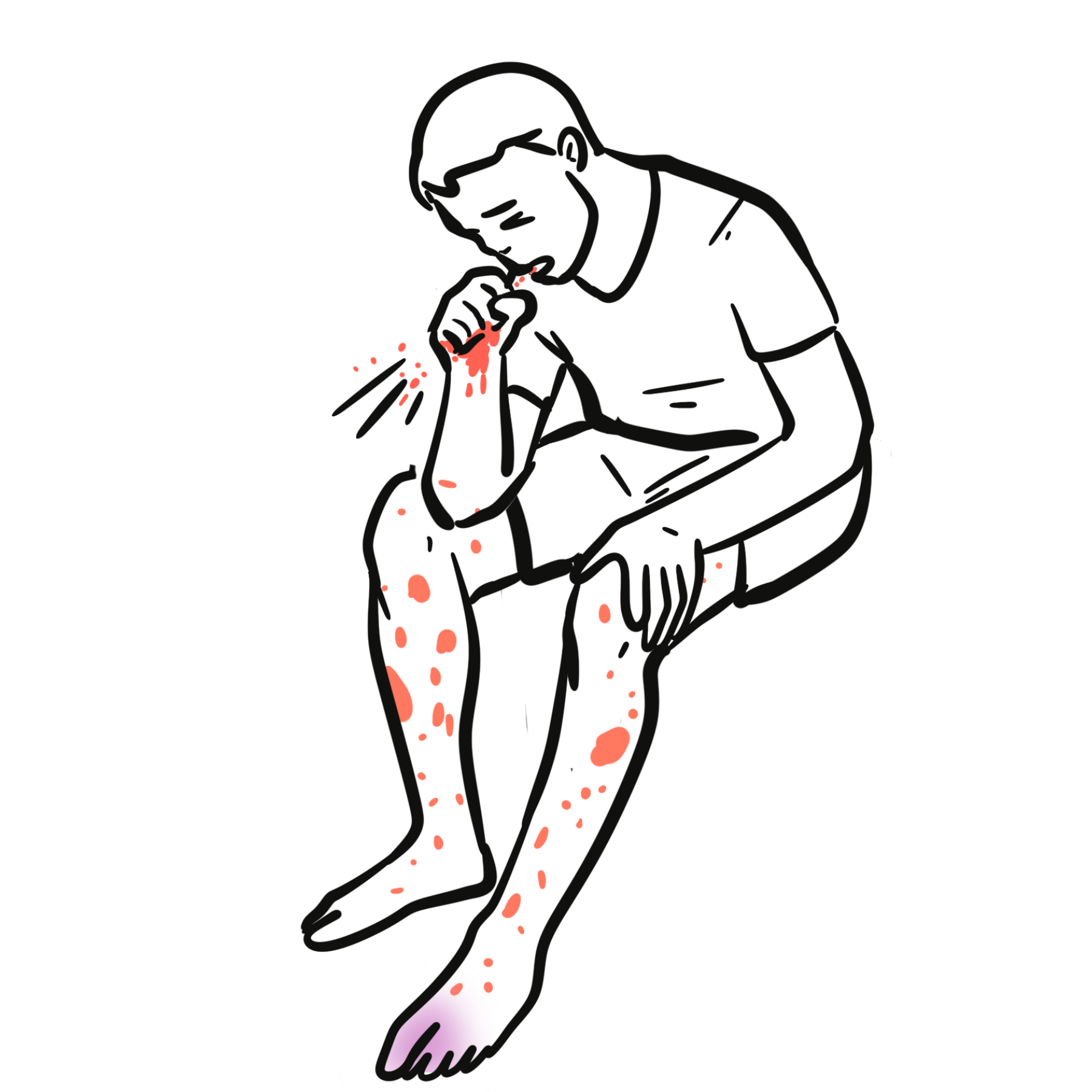
Severe systemic vasculitic manifestations (e.g., purpura, mononeuritis multiplex, or upper airway granulomas) are usually absent in isolated anti-GBM disease and suggest ANCA vasculitis or double-positivity.
Triad: hemoptysis + glomerulonephritis + anti-GBM antibodies — diagnostic triad of Goodpasture syndrome.
absence of hemoptysis does NOT rule out pulmonary involvement.
Diagnosis
- Anti-GBM antibody
- Renal biopsy (gold standard): crescentic GN, linear IgG deposition on GBM by immunofluorescence
- ANCA (≈20–35% double positive)
- Complement levels; exclude other vasculitides or lupus
Differential diagnoses
- ANCA-associated vasculitis (e.g., GPA)—distinguished by presence of ANCA and pauci-immune GN
- SLE
- Other pulmonary hemorrhage causes (coagulopathy, infection)
On immunofluorescence, linear IgG deposition indicates Goodpasture Syndrome, whereas granular deposition indicates immune-complex glomerulonephritis (e.g., Lupus, Post-streptococcal), and pauci-immune (negative IF) indicates ANCA vasculitis.
Treatment
Anti-GBM disease is a medical emergency requiring immediate initiation of a three-part regimen before irreversible organ damage occurs.
1. Emergency Therapeutic Plasma Exchange (Plasmapheresis)
- Mechanism: Rapidly removes circulating pathogenic anti-GBM antibodies and inflammatory mediators.
- Protocol: Daily or alternate-day 4-liter plasma exchanges for 14 days, or until serum anti-GBM antibody titers are completely negative.
2. Immunosuppressive Therapy (To Halt Antibody Production)
- High-Dose Corticosteroids: IV Methylprednisolone pulse (500–1000 mg daily for 3 days), followed by high-dose oral Prednisone (1 mg/kg/day) tapered over several months.
- Cyclophosphamide: Oral (2 mg/kg/day) or monthly IV pulse cyclophosphamide for 2 to 3 months to suppress autoantibody synthesis by B-lymphocytes.
- Rituximab: Used as an alternative or adjunct in patients intolerant to cyclophosphamide or in refractory cases.
3. Supportive Care
- Renal Replacement Therapy: Early hemodialysis or continuous renal replacement therapy (CRRT) for fluid overload, hyperkalemia, and uremia.
- Smoking Cessation: Essential to prevent recurrent alveolar hemorrhage.
Plasmapheresis removes the antibodies already circulating in the blood, while Cyclophosphamide and Corticosteroids stop the immune system from making new ones. Both are essential.
Complications & Prognosis
- Renal failure requiring long-term dialysis or transplant.
- Massive pulmonary hemorrhage.
- Infections due to immunosuppression.
- Rare relapse.
- With early treatment: 5-year survival ~80%, >80% overall initial survival [8,4].
- Without treatment: nearly universally fatal.
- Poor prognostic factors: dialysis dependence at presentation, high creatinine, extensive crescents, delayed treatment
early intervention markedly improves outcomes.
References
- Lee JY, et al. Goodpasture Syndrome. MSD Manual Professional. 2023.
- Hellmark T, Segelmark M. Diagnosis and classification of Goodpasture’s disease. Div Nephrol. 2014.
- Li T, McAdoo SP. Anti-GBM disease. BMJ Best Practice. 2024.
- Kathuria P, Batuman V. Goodpasture Syndrome. Medscape. 2023.
- Longo L, Martellucci S, Fusconi M. Goodpasture’s syndrome: a clinical update. Autoimmun Rev. 2015.
- Wikipedia contributors. Goodpasture syndrome. Accessed 2025.


Members only discussions coming soon…