

Juvenile Idiopathic Arthritis (JIA)
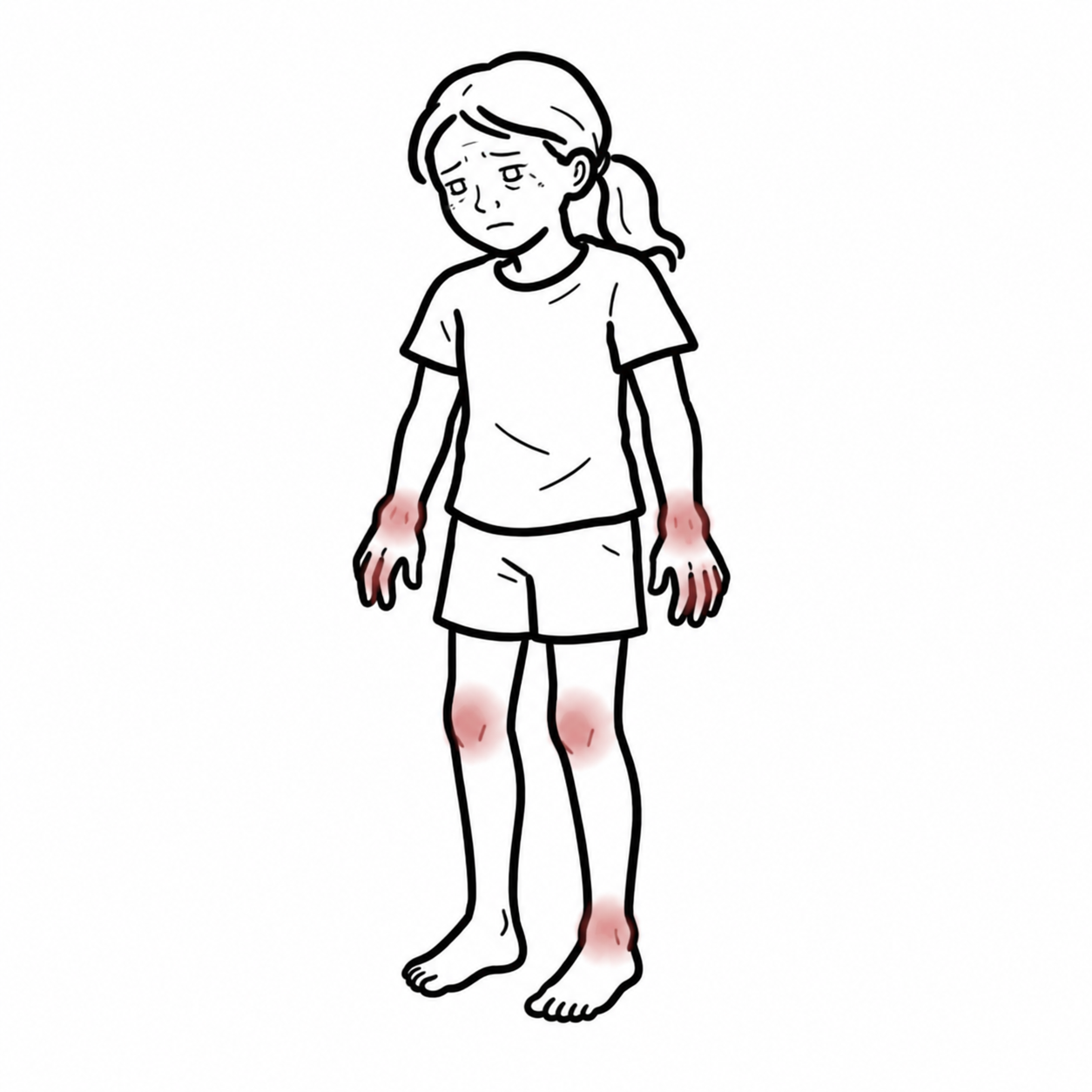
Overview
Juvenile Idiopathic Arthritis (JIA) is an umbrella term encompassing a heterogeneous group of chronic inflammatory arthritides of unknown etiology presenting in children under 16 years of age. It represents the most common chronic pediatric rheumatic disease, with an estimated prevalence of 1 in 1,000 children.
To meet the diagnostic criteria, arthritis must persist for a minimum of 6 continuous weeks while excluding other infectious, malignant, orthopaedic, or systemic inflammatory conditions. JIA encompasses distinct clinical categories with variable joint patterns, extra-articular manifestations, immunogenetic profiles, and long-term outcomes. Early recognition and aggressive targeted therapy are critical to prevent chronic joint damage, localized and generalized growth impairment, and permanent vision loss from silent, chronic anterior uveitis.
JIA is a clinical diagnosis of exclusion. Any joint swelling or pain in a child lasting 6 weeks or longer without an identifiable infectious or malignant cause is JIA until proven otherwise.
Definitions
Juvenile Idiopathic Arthritis (JIA): Persistent arthritis involving one or more joints for 6 weeks or longer in a patient under 16 years of age, without another known cause.
Chronic Anterior Uveitis: An insidious, asymptomatic, non-granulomatous intraocular inflammation of the iris and ciliary body that is strongly associated with ANA-positive oligoarticular JIA.
Macrophage Activation Syndrome (MAS): A life-threatening autoinflammatory emergency primarily complicating Systemic JIA, characterized by uncontrolled activation of T lymphocytes and tissue macrophages, hyperferritinemia, pancytopenia, and multi-organ failure.
Quotidian Fever: A high daily fever spike (typically exceeding 39.0 degrees C) occurring once or twice daily (usually late afternoon or evening) that rapidly returns to normal or subnormal baseline levels; characteristic of Systemic JIA.
Why is chronic anterior uveitis in JIA called “silent”?
Unlike acute anterior uveitis seen in adults (which causes a red, painful, photophobic eye), JIA-associated uveitis is entirely asymptomatic and painless in up to 80% of children. Without routine ophthalmological slit-lamp screening, it can progress undetected until severe vision loss, band keratopathy, cataracts, or glaucoma develop.
Classification (ILAR Criteria)
The International League of Associations for Rheumatology (ILAR) classifies JIA into seven mutually exclusive categories based on clinical and laboratory features present during the first 6 months of disease:
Oligoarticular JIA (~50% of cases)
- Affects 4 or fewer joints during the first 6 months of disease. Peak age of onset is 1 to 3 years, with a marked female predominance (3:1).
- Persistent Oligoarticular: Involves <= 4 joints throughout the disease course.
- Extended Oligoarticular: Expands to involve > 4 joints after the first 6 months.
- Key Feature: Highest risk of chronic anterior uveitis (up to 30%), especially when Antinuclear Antibody (ANA) is positive.
Polyarticular JIA (~25% of cases)
- Affects 5 or more joints during the first 6 months.
- Rheumatoid Factor (RF)-Negative (~20%): Onset throughout childhood; variable prognosis.
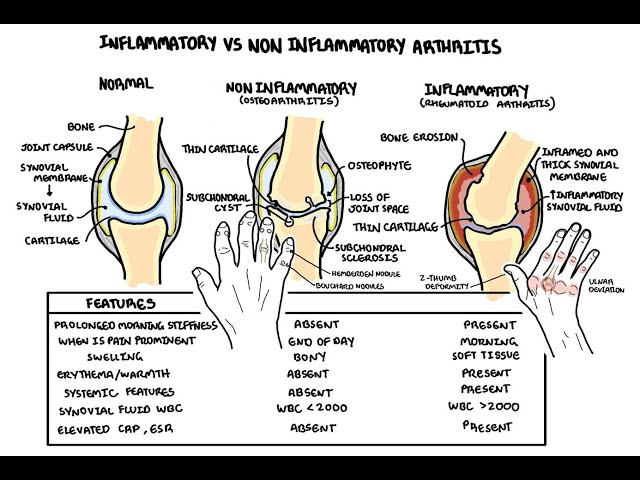
- Rheumatoid Factor (RF)-Positive (~5%): Typically develops in late childhood/adolescence; mimics adult Rheumatoid Arthritis with symmetrical small joint involvement of the hands/feet, aggressive erosions, and nodules.
Systemic JIA (sJIA / Still’s Disease) (~10–15% of cases)
- Characterized by arthritis in 1 or more joints accompanied by (or preceded by) daily quotidian fever of at least 2 weeks’ duration plus at least one of the following:
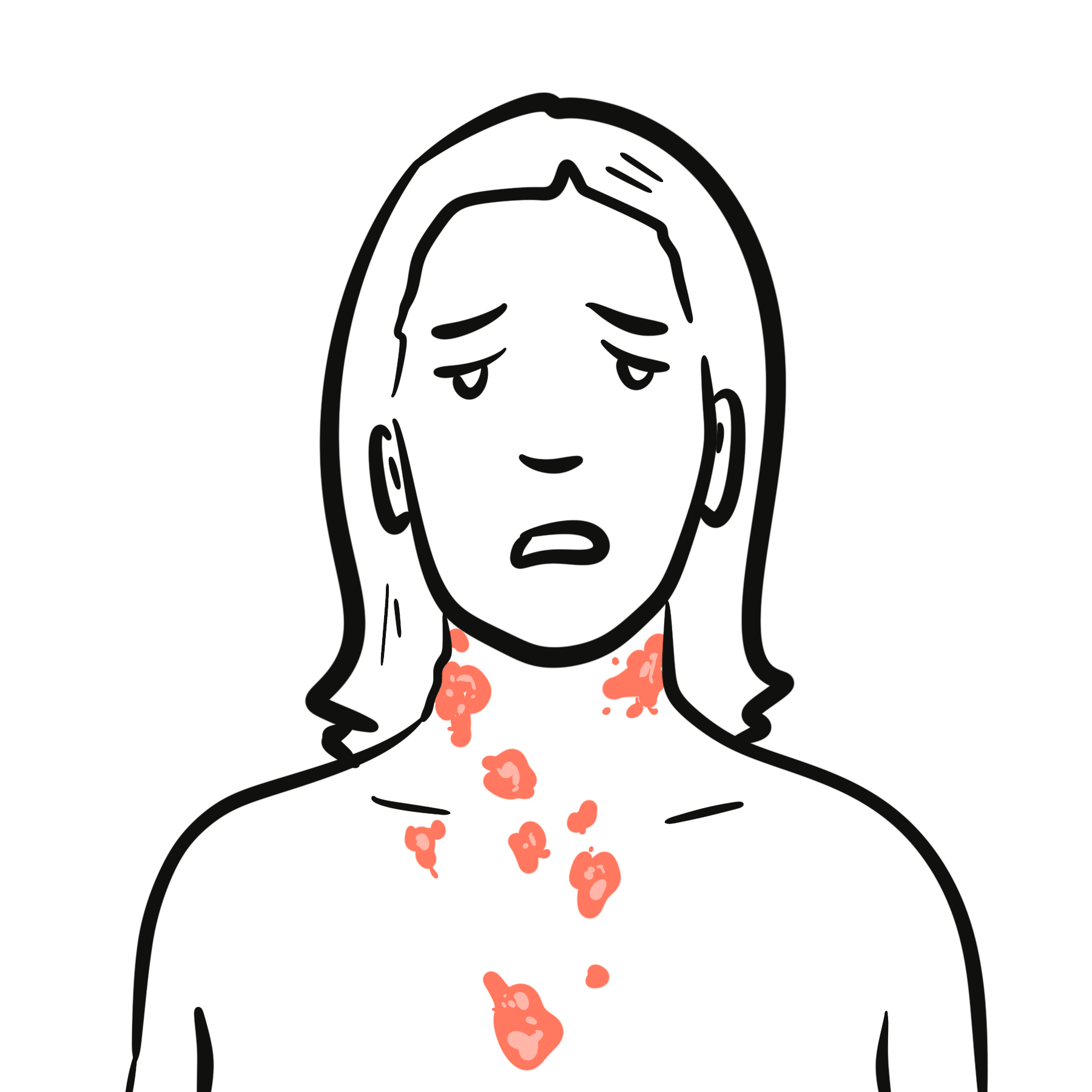
- Evanescent (fleeting), non-pruritic, salmon-pink maculopapular rash (flares during fever spikes).
- Generalized lymphadenopathy.
- Hepatosplenomegaly.
- Serositis (pericarditis, pleuritis, or peritonitis).
Enthesitis-Related Arthritis (ERA) (~10% of cases)
- Affects older boys (> 6 years of age). Characterized by arthritis and enthesitis (inflammation at tendon/ligament insertions, e.g., Achilles tendon insertion or plantar fascia).
- Strongly associated with HLA-B27 positivity; frequently progresses to juvenile ankylosing spondylitis.
Psoriatic JIA (~5% of cases)
- Arthritis plus psoriasis, OR arthritis plus at least 2 of: dactylitis (“sausage digit”), nail pitting/onycholysis, or a first-degree relative with psoriasis.
Undifferentiated JIA
- Disease that does not meet criteria for any category, or meets criteria for more than one category.
Polyarticular RF-positive JIA is the only subtype of JIA that directly mirrors adult Rheumatoid Arthritis immunologically and histologically, representing the childhood onset of the exact same adult disease process.
Aetiology and Risk Factors
Autoimmune vs. Autoinflammatory Pathogenesis
- Non-Systemic JIA Subtypes (Oligo, Poly, ERA): Primarily autoimmune disorders driven by adaptive immune system dysregulation (autoreactive CD4+ T lymphocytes, B-cell hyperactivity, and autoantibody production).
- Systemic JIA (sJIA): Primarily an autoinflammatory disorder driven by innate immune system hyperactivity, featuring massive hypersecretion of pro-inflammatory cytokines without specific autoantibodies or autoreactive T cells.
Immunogenetics & Triggers
- HLA Associations:
- Environmental Triggers: Viral infections (Parvovirus B19, EBV, Enteroviruses) or changes in the gut microbiome may act as triggers in genetically susceptible children.
Pathophysiology
- Synovitis & Pannus Formation (Oligo/Poly/ERA): Infiltrating T cells and macrophages secrete TNF-alpha, IL-6, and IL-17 into the joint capsule, inducing synovial cell hyperplasia, neovascularization, and hyper-production of synovial fluid. The resulting hypertrophic, invasive synovial tissue (pannus) erodes articular cartilage and subchondral bone.
- Systemic Inflammatory Cascade (sJIA): Uncontrolled activation of monocytes, macrophages, and neutrophils leads to a massive systemic release of Interleukin-1 (IL-1), Interleukin-6 (IL-6), Interleukin-18 (IL-18), and S100 alarmin proteins (S100A8/A9/A12). IL-6 drives the liver to produce high acute-phase reactants (CRP, fibrinogen, ferritin) and resets the hypothalamic thermostat, producing dramatic fever spikes.
Biologic therapies for Systemic JIA target IL-1 (Anakinra, Canakinumab) and IL-6 (Tocilizumab), whereas biologics for Polyarticular and ERA subtypes primarily target TNF-alpha (Adalimumab, Etanercept).
Clinical Manifestations
- Morning Stiffness
- Prolonged stiffness (> 30–60 minutes) or gelling phenomenon after rest
- Improves with movement and warm baths.
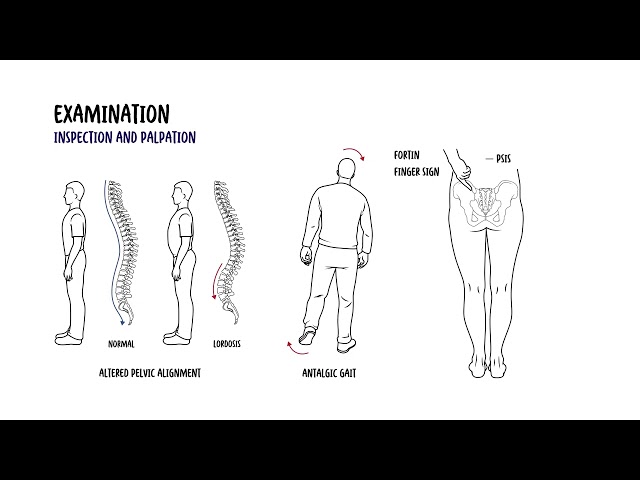
- Gait Alterations: Limping (especially in the morning) or refusal to walk in toddlers.
- Joint Examination
- Joint effusion, warmth, tenderness, and restricted range of motion.
- Direct joint pain may be surprisingly minimal in young children with oligoarticular disease.
- Joint effusion, warmth, tenderness, and restricted range of motion.
- Predilection:
- Oligoarticular: Large joints (knees, ankles, elbows); spares small hand joints.
- Polyarticular: Small joints of the hands (PIP, MCP, wrist) and feet, as well as knees, hips, and TMJs.
- ERA: Lower extremity joints (knees, ankles) plus entheses (calcaneal insertion, patellar tendons).
- Growth Disturbances: Localized hyperemia accelerates epiphyseal maturation, causing bony overgrowth / leg length discrepancy early on, followed by premature growth plate closure.
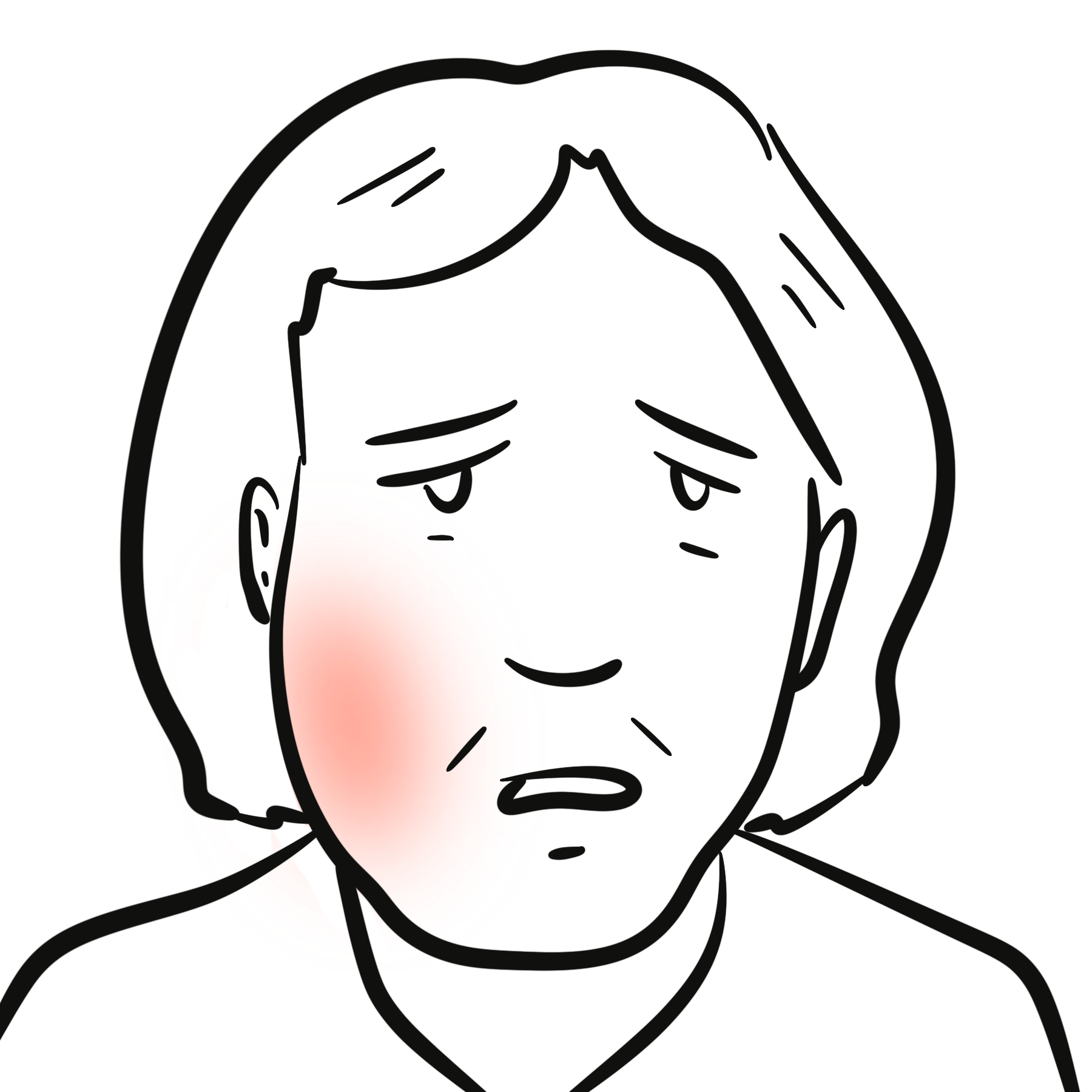
- Temporomandibular Joint (TMJ) Involvement: Can cause mandibular hypoplasia, micrognathia (“bird-like facies”), malocclusion, and restricted mouth opening.
Extra-Articular Manifestations
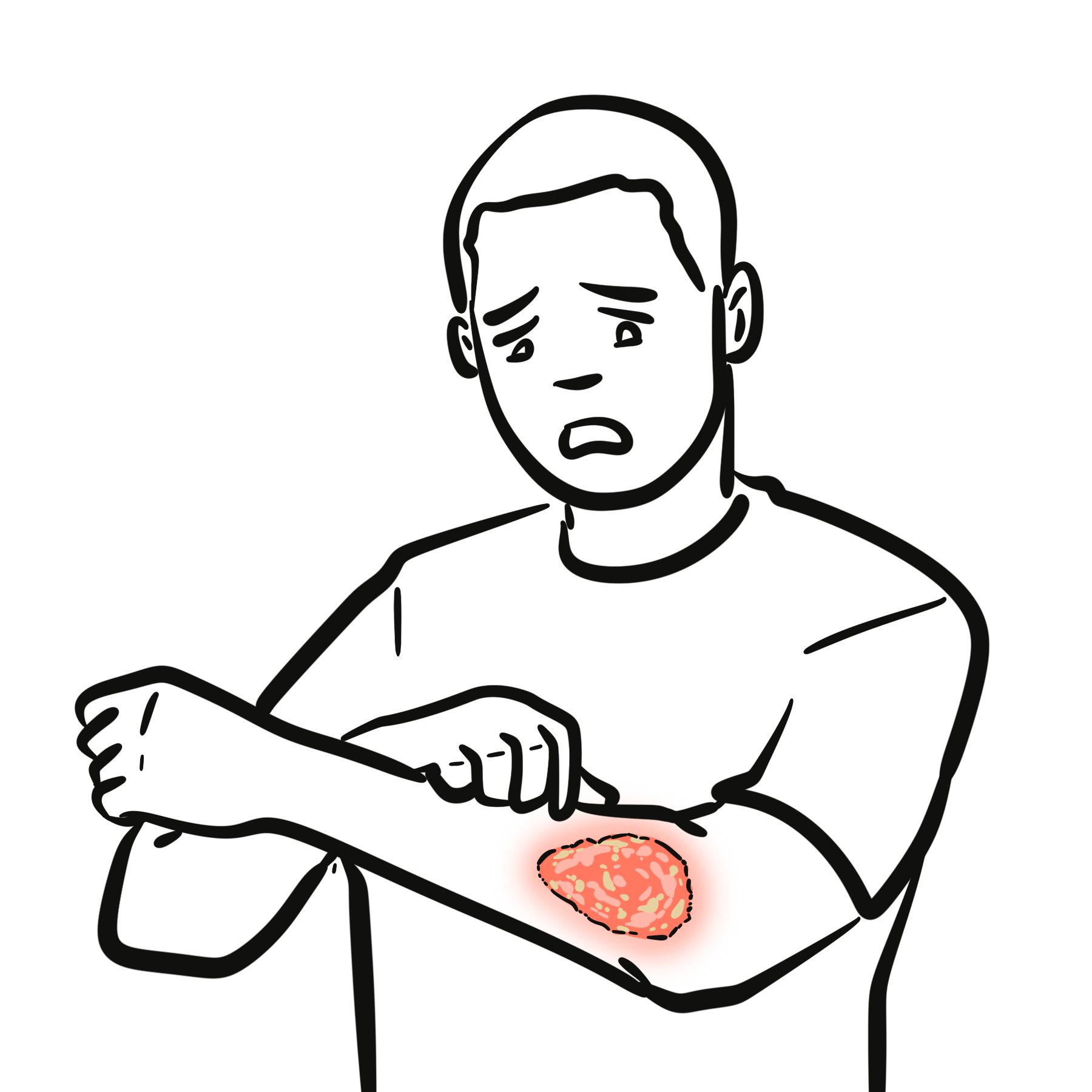
- Psoriasis
- Anterior Uveitis
Temporomandibular joint (TMJ) arthritis occurs in up to 50% of children with JIA but is frequently clinically silent. Unrecognized TMJ involvement during peak facial growth leads to retrognathia and severe bite malocclusion.
Diagnosis
Diagnosis is clinical, supported by screening laboratory tests and imaging to define the subclass, monitor disease activity, and exclude alternative conditions.
| Test | Clinical Significance in JIA |
|---|---|
| Antinuclear Antibodies (ANA) | Positive in 70% of Oligoarticular JIA. Identifies high risk for chronic anterior uveitis; does not correlate with arthritis severity. |
| Rheumatoid Factor (RF) & Anti-CCP | Defines RF-Positive Polyarticular JIA; marker of aggressive, erosive joint disease. |
| HLA-B27 | Positive in > 85% of Enthesitis-Related Arthritis (ERA) cases. |
| ESR & CRP | Normal or mildly elevated in Oligoarticular JIA; markedly elevated in Systemic JIA and active Polyarticular JIA. |
| Serum Ferritin | Extremely elevated (> 1,000–10,000 ng/mL) in Systemic JIA and Macrophage Activation Syndrome (MAS). |
Imaging
- Ultrasound (US): Highly sensitive for detecting subclinical synovitis, joint effusions, tenosynovitis, and enthesitis.
- Plain Radiography:
- Early: Soft tissue swelling, juxta-articular osteopenia, epiphyseal overgrowth.
- Late: Joint space narrowing, subchondral erosions, growth plate closure, subluxation, and ankylosis.
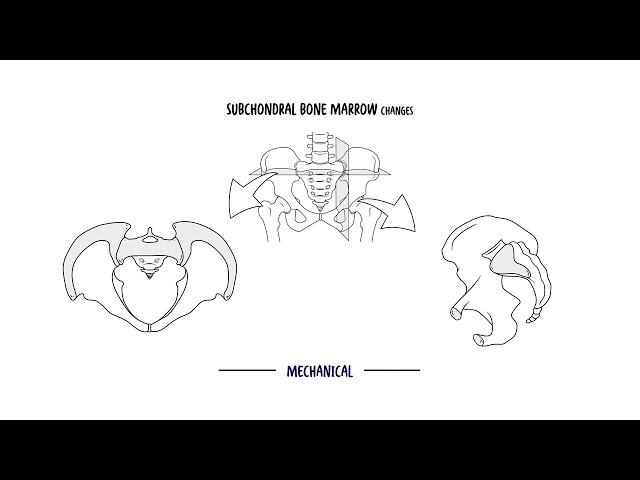
- Magnetic Resonance Imaging (MRI): Gold standard for detecting TMJ synovitis, early cartilage loss, bone marrow edema, and sacroiliitis in ERA.
- Infectious: Septic arthritis, osteomyelitis, Lyme disease, transient synovitis of the hip, post-streptococcal reactive arthritis.
- Malignancy (Crucial Red Flag): Acute Lymphoblastic Leukemia (ALL) and neuroblastoma can present with nocturnal bone pain, cytopenias, elevated LDH, and limp mimicking JIA.
- Non-Inflammatory: Hypermobility spectrum disorder, Perthes disease, Slipped Capital Femoral Epiphysis (SCFE).
ANA positivity in JIA does NOT indicate arthritis severity or disease activity. Its primary clinical utility is as a prognostic biomarker indicating a high risk of developing chronic, silent anterior uveitis.
Rule Out Leukemia Before Starting Steroids!
Children with Acute Lymphoblastic Leukemia (ALL) frequently present with musculoskeletal pain, fever, and transient joint swelling. Administering systemic steroids for presumed JIA without a clear blood count and peripheral smear can partially treat the leukemia, mask the diagnosis, and cause severe diagnostic delays.
Treatment
Modern treatment focuses on early, aggressive intervention to achieve complete clinical remission (“treat-to-target”) and prevent irreversible tissue damage.
- Non-Steroidal Anti-Inflammatory Drugs (NSAIDs): Naproxen (10–15 mg/kg BD) or Ibuprofen. Provides rapid symptomatic relief of pain and stiffness, but does not alter long-term disease progression.
- Intra-Articular Corticosteroid Injections
- Treatment of choice for localized or oligoarticular disease, providing rapid, long-lasting local remission (often > 6–12 months) without systemic steroid toxicity.
- Disease-Modifying Anti-Rheumatic Drugs (DMARDs):
- Methotrexate (15 mg/m² once weekly orally or subcutaneously): The first-line systemic DMARD for polyarticular JIA or extended oligoarticular JIA. Requires co-administration of Folic Acid to minimize mucosal and gastrointestinal toxicity.
- Biologic Agents:
- Anti-TNF Alpha Agents: Adalimumab or Etanercept (indicated for polyarticular JIA, ERA, and psoriatic JIA non-responsive to Methotrexate).
- Anti-IL-1 & Anti-IL-6 Agents: Anakinra, Canakinumab (Anti-IL-1) and Tocilizumab (Anti-IL-6) are first-line disease-modifying biologics for Systemic JIA.
Mandatory Ophthalmological Screening
- All JIA patients require regular slit-lamp examinations by an experienced ophthalmologist. High-risk patients (ANA-positive oligoarticular JIA) require screening every 3 months for the first several years of disease.
Complications and Prognosis
- Macrophage Activation Syndrome (MAS)
- Features: Non-remitting high fever, purpura/bleeding, hepatosplenomegaly, central nervous system dysfunction, sudden paradoxically falling ESR (due to hypofibrinogenemia), profoundly elevated Ferritin (> 5,000–10,000 ng/mL), elevated AST/ALT, and cytopenias.
- Treatment: High-dose IV Methylprednisolone pulse therapy, Cyclosporine, or high-dose Anakinra.
- Ocular Blindness: Cataracts, secondary glaucoma, band keratopathy, and vision loss from chronic uveitis.
- Severe Musculoskeletal Deformities: Micrognathia, leg length discrepancies, joint subluxations, and joint ankylosis.
Prognosis
- Oligoarticular JIA: Best overall joint prognosis; over 50–70% achieve long-term clinical remission, though uveitis risk persists.
- Polyarticular RF-Positive JIA & Systemic JIA: Worse long-term joint outcomes; often requires long-term biologic therapy to control progressive joint destruction.
References
- Giannini EH, Ruperto N, Ravelli A, Lovell DJ, Martini A, Martini A. Juvenile idiopathic arthritis. Lancet. 2011;377(9783):2138-2149. doi:10.1016/S0140-6736(11)60135-9
- Ringold S, Angeles-Han ST, Beukelman T, et al. 2019 American College of Rheumatology/Arthritis Foundation Guideline for the Treatment of Juvenile Idiopathic Arthritis: Therapeutic Approaches for Non-Systemic Polyarthritis, Sacroiliitis, and Enthesitis. Arthritis Care Res (Hoboken). 2019;71(6):717-734. doi:10.1002/acr.23870
- Onel KB, Horton DB, Lovell DJ, et al. 2021 American College of Rheumatology Guideline for the Treatment of Juvenile Idiopathic Arthritis: Therapeutic Approaches for Oligoarthritis, Temporomandibular Joint Arthritis, and Systemic Juvenile Idiopathic Arthritis. Arthritis Rheumatol. 2022;74(4):553-571. doi:10.1002/art.42037



Members only discussions coming soon…