

Visual explanationFree resource
Visual medical education by Armando Hasudungan
Medical science, drawn into focus.
Explore visual explanations that reveal how the facts, processes and clinical patterns fit together—then discover the coming AH study platform, built to guide what you study next and check what stuck.
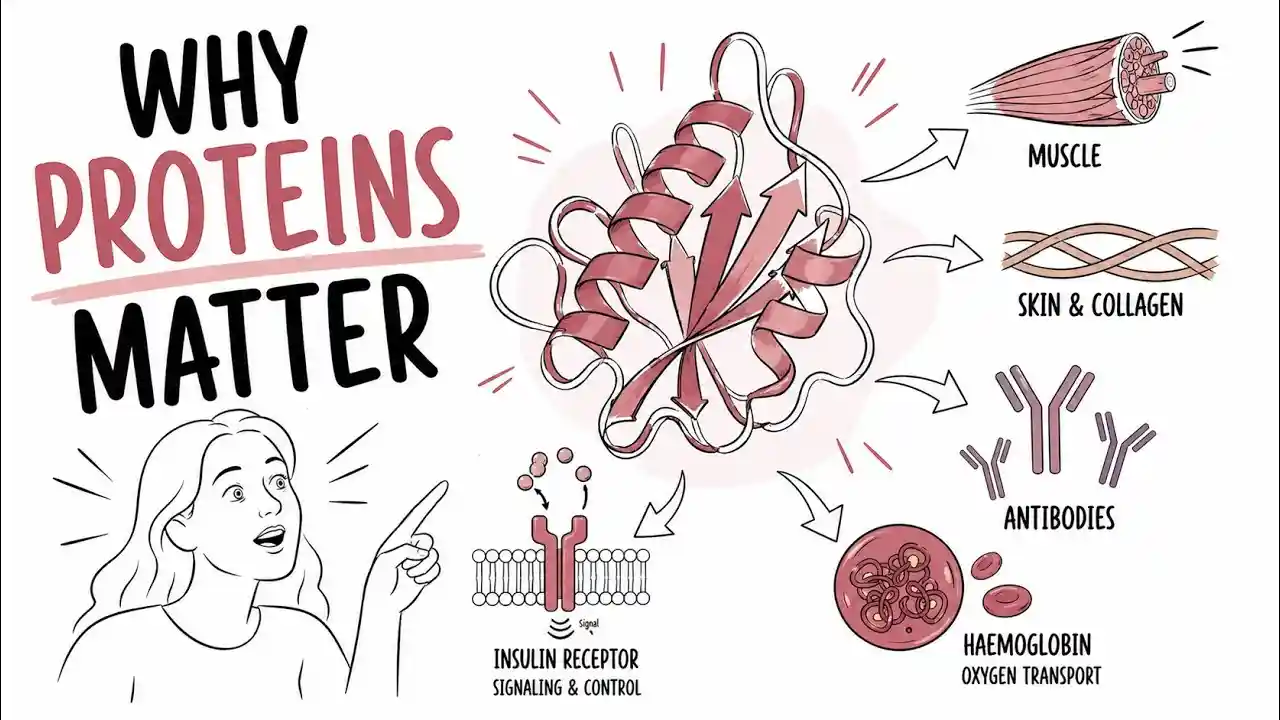
Connected studyComing soon
Clear visual explanations used by medical and allied-health learners around the world.
Explore the free library
Start with the topic in front of you.
Browse by subject or jump straight into the explanation you need. No account required.
Hypercholesterolaemia
Overview Higher levels of cholesterol associated with worse CV outcomes. Three main types that are measured: VLDL, LDL and HDL. High LDL is associated with a significant increase in cardiovascular problems. Hypercholesterolaemia can also run in families. Lifestyle modification aim to reduce cardiovascular risk. Pharmacological agents are lipid lowering drugs, statins being first-line. Lipid Physiology…
View topic ↗Paracetamol Overdose
Overview Paracetamol overdose is a common cause of hospital presentation. Paracetamol is an analgesic and antipyretic drug used in both children and adults. Its mechanism of action is yet to be fully determined, and is likely to involve a number of pain pathways. When taken in excess it can cause signs such as vomiting, right…
View topic ↗Breast Cancer
"A 35 Year old women presents with a 1cm hard lump in the upper quadrant of her right breast. She first noticed this when she was in the shower three months ago. She is worried that the lump might be malignant" Overview Breast cancer is the most common cancer in women worldwide. It accounts for…
View topic ↗Goitre and Nodules
Overview Goitre refers to an enlarged thyroid gland. Thyroid nodules are common in the general population, especially in women. Goitre results from follicular cell hyperplasia at one or multiple sites within the thyroid gland. Goitre can be classified based on morphology into diffuse or nodular. Nodular thyroid denotes the presence of single or multiple palpable…
View topic ↗Aortic Regurgitation (incompetence)
Overview Aortic regurgitation (AR) is backward flow of blood from the aorta into the left ventricle during diastole because the aortic valve does not close completely. AR may result from disease of the valve leaflets, dilatation of the aortic root or both. Chronic AR causes progressive left-ventricular volume overload and dilatation, whereas acute severe AR…
View topic ↗Melanoma
Overview Melanoma accounts for 4 percent of all dermatological cancer. Melanoma has the highest mortality rate of all dermatological cancers, only 14 percent of patients with metastatic melanoma survive for five years. Melanoma is one of the most common cancers in young adults. Melanoma Overview Anatomy and Physiology The skin consist of three layers, from superficial…
View topic ↗Takayasu Arteritis
Overview Takayasu arteritis is a rare, chronic large-vessel vasculitis primarily affecting the aorta and its major branches, leading to stenosis, occlusion, or aneurysm formation. It most commonly affects young women (<40 years), particularly of Asian descent. The global incidence is estimated at 1–2 per million per year, with a female predominance (F:M ~9:1). It is…
View topic ↗Full resource library
Browse all topics ↗Choose how you learn
One idea. More than one way to see it.
Use the format that helps the topic click, then switch formats when you need to reinforce it.
01 / WATCH02 / READ03 / SEE04 / CHECK
Videos
Hand-drawn explanations that build the big picture as the concept unfolds.
Notes
Clear written explanations for review, reference and filling in the details.
Diagrams
Visual snapshots that help you easily review topics.
Questions
Test whether the explanation stayed with you—not just whether it looked familiar.
Good places to begin
Explanations learners return to.

Lung Cancer – Overview
Learn about lung cancer, including its major types, risk factors, and how it develops within lung tissue. This video provides an overview of symptoms, diagnostic methods, and general approaches to treatment and management.
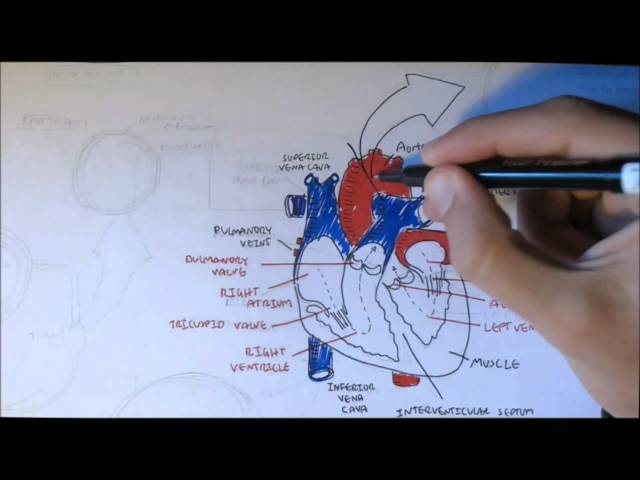
Cardiovascular System Anatomy
Explore the anatomy of the cardiovascular system in this video, covering the heart chambers, valves, major vessels, and circulatory pathways. Ideal for students and exam prep, this video simplifies complex structures with clear visuals and essential clinical correlations.

Immunology – Interleukin 6 (IL6) physiology and IL6 antagonist pharmacology Tocilizumab
Learn about Interleukin-6 (IL-6), a key cytokine involved in inflammation, immune regulation, and acute phase responses. This video also explains the pharmacology of IL-6 antagonists like tocilizumab, including their mechanism of action and clinical use in conditions such as rheumatoid arthritis and cytokine release syndrome.
Our mission
Medical science is complex. Understanding it should feel possible.
Armando Hasudungan turns difficult medical science into clear visual explanations and connected learning experiences—so learners can see the whole picture, remember what matters and find a clearer way forward.
See it clearly
Turn abstract processes and invisible relationships into something the learner can picture.
Connect the pieces
Build understanding around how concepts fit together—not a pile of isolated facts.
Make it useful
Help learners move from explanation to recall, revision and the next logical step.
What clarity feels like
When the topic stops being a blur.
Learners do not come back because the subject became easy. They come back because the explanation gave them a picture they could work with.
“Armando's teaching style gives me the foundational knowledge.
Jessica Payne-Burnett
Medical Student, Charles Sturt University
“The notes I make during his videos help me retain everything better.
Ayesha RaiStudent, Islamabad Medical and Dental College
“The drawings are amazing and super easy to remember.
Reem Mohamed Khair Abdalrazig
Student, Neelain University
Coming soon: the AH study platform
The explanation is only the start.
The free library helps you find a clear explanation. The AH platform is being built to help you connect the resources, follow a clearer path and check what actually stuck.
- Watch in a focused, ad-free study environment.
- Move between connected videos, notes, diagrams and questions.
- Know what belongs next instead of rebuilding the study path yourself.
- Test your understanding while the topic is still fresh.
New and worth a look
Keep building the picture.
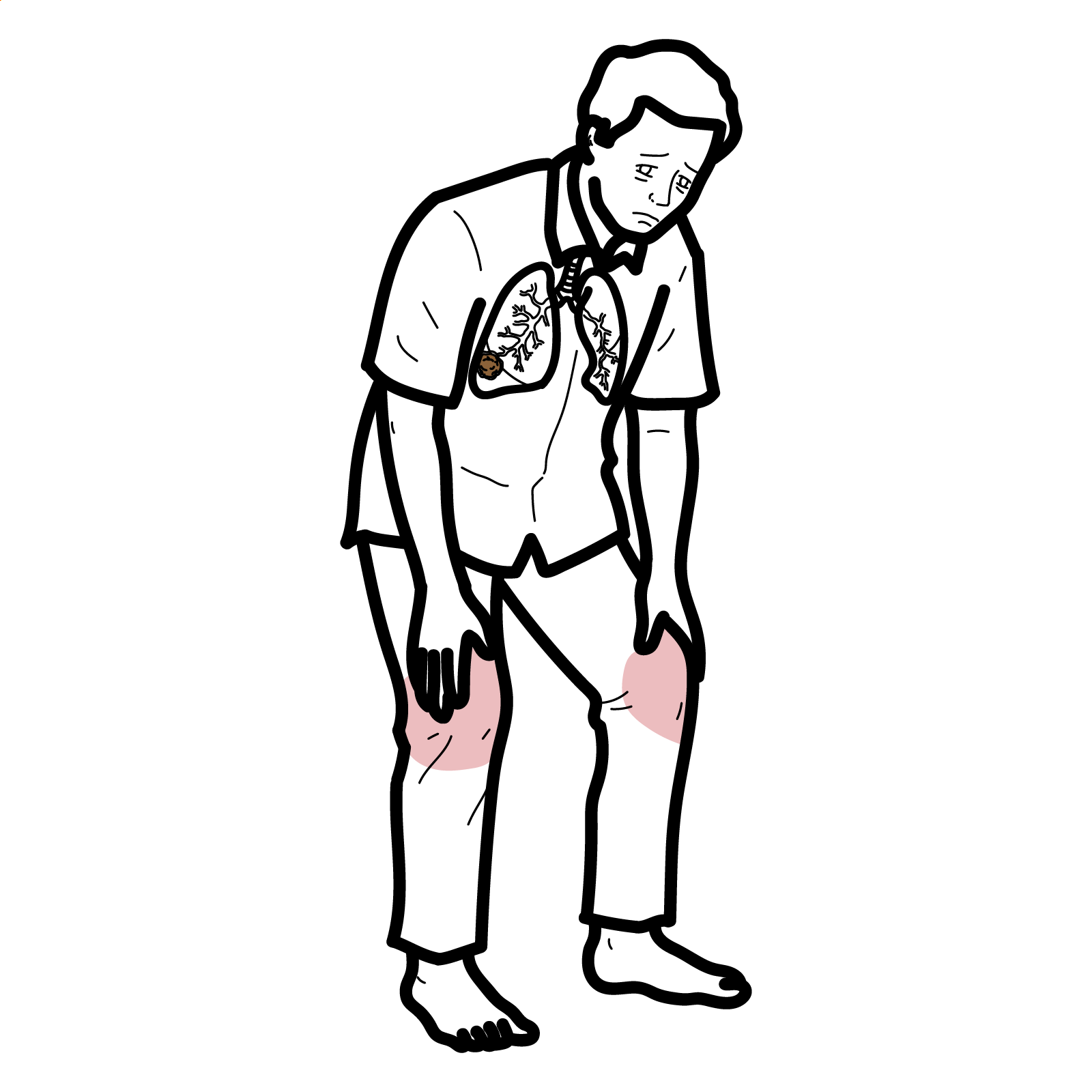
Lambert-Eaton Myasthenic Syndrome
Overview Lambert–Eaton myasthenic syndrome (LEMS) is a rare autoimmune disorder of the presynaptic neuromuscular junction. It causes impaired acetylcholine release, producing the characteristic triad of proximal muscle weakness, reduced reflexes and autonomic dysfunction. LEMS may occur as a paraneoplastic syndrome—most commonly associated with small-cell lung cancer (SCLC)—or as a non-tumour-associated autoimmune disorder. Neuromuscular junction: connection…
View this topic ↗About Visualising Medicine
Good education does not remove complexity. It makes complexity feel simple.
Visualising Medicine is the team behind Armando Hasudungan. We bring together medicine, illustration, writing and technology to make difficult ideas clearer—and build better ways for learners to use them.