

Visual explanationFree resource
Visual medical education by Armando Hasudungan
Medical science, drawn into focus.
Explore visual explanations that reveal how the facts, processes and clinical patterns fit together—then discover the coming AH study platform, built to guide what you study next and check what stuck.
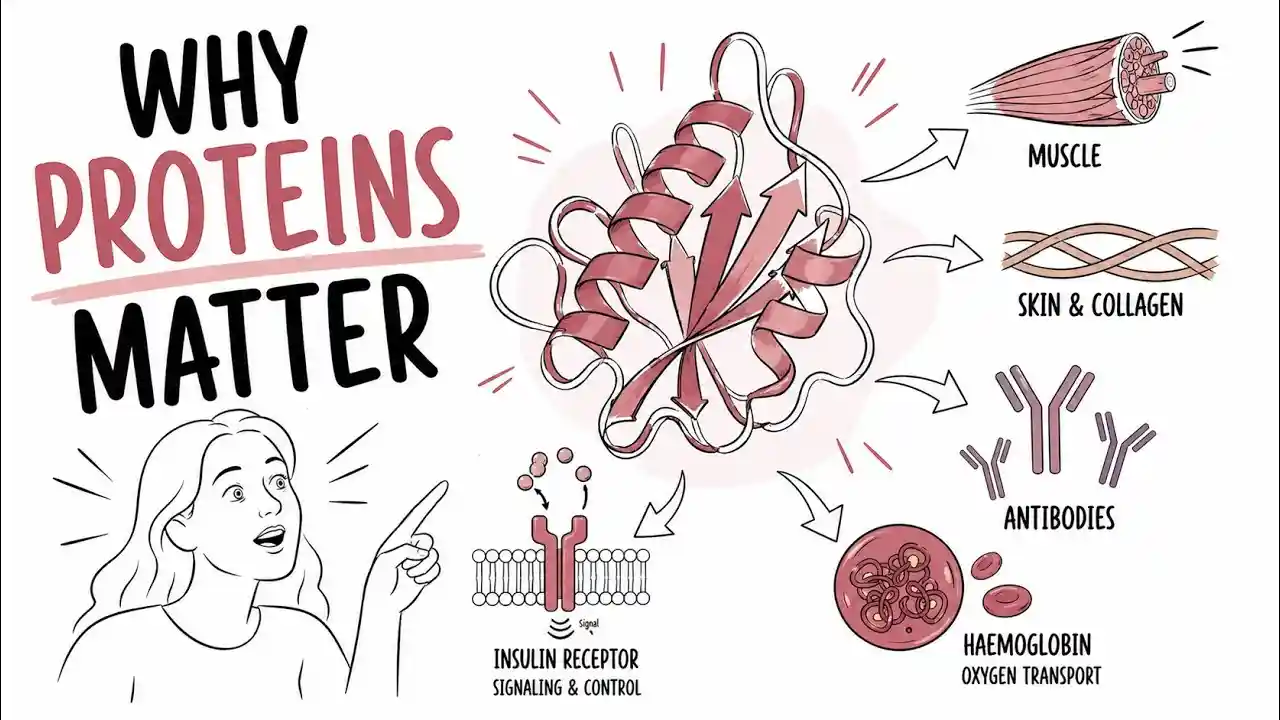
Connected studyComing soon
Clear visual explanations used by medical and allied-health learners around the world.
Explore the free library
Start with the topic in front of you.
Browse by subject or jump straight into the explanation you need. No account required.
Long-Term Complications of Diabetes (Overview)
Overview Classification Microvascular Complications Retinopathy Nephropathy Neuropathy Macrovascular Complications Coronary heart disease Cerebrovascular disease Diabetic foot Diabetic Retinopathy Overview Diabetes is the most common cause of blindness in the working population. Blindness is preventable. Annual retinal screening is advised for patients at risk. Pre-symptomatic screening enables laser photocoagulation to be used, aimed to stop production of…
View topic ↗Umbilical Hernia
Overview Umbilical hernias are one of the most common surgical conditions in infants and children. In infantile umbilical hernia there is a pathological failure of obliteration of umbilical defect. Umbilical hernia can also occur in adults and is usually acquired due to increased intrabdominal pressure due to obesity, pregnancy, ascites. Management is surgery. Hernia: A bulge or protrusion of…
View topic ↗Myelofibrosis
Overview Myelofibrosis is a type of myeloproliferative diseasecharacterized by clonal myeloid expansion, followed by progressive fibrous connective tissue deposition in the bone marrow, resulting in bone marrow failure. Clonal evolution can also occur, with an increased risk of transformation to acute myeloid leukemia. In addition, disabling constitutional symptoms secondary to the high circulating levels of…
View topic ↗Inflammatory Bowel Disease
Overview Inflammatory bowel disease is a common condition. It is divided into two types: Crohn disease and Ulcerative colitis. Both these condition differ in pathology, progression and complication, but they do share a lot similar characteristics as well. Colitis: Inflammation of the colon, which may be due to infectious, autoimmune, ischemic, or idiopathic causes. Inflammatory…
View topic ↗Caplan Syndrome
Overview Caplan syndrome, also known as rheumatoid pneumoconiosis, is a rare condition seen in patients with rheumatoid arthritis (RA) who have had occupational exposure to inhaled dust, particularly coal dust or silica. It is characterised by multiple, rounded pulmonary nodules and underlying pneumoconiosis. It primarily affects middle-aged male coal workers and is now rare in…
View topic ↗Anklylosing Spondylitis (AS)
Overview Ankylosing spondylitis (AS) is a chronic, progressive inflammatory arthritis that primarily affects the axial skeleton, especially the sacroiliac joints and spine. It is a subtype of the seronegative spondyloarthropathies and is characterised by inflammatory back pain, morning stiffness, and eventual spinal fusion in severe cases. AS often presents in young adults, typically males, and…
View topic ↗Knee Osteoarthritis (KOA)
Overview Knee osteoarthritis is a chronic, whole-joint disorder characterized by pain, stiffness, functional limitation and progressive structural change affecting cartilage, subchondral bone, synovium, menisci, ligaments and peri-articular muscles. Prevalence rises with age and obesity and contributes substantially to global disability; recent GBD analyses and reviews highlight knee OA as a leading cause of pain and…
View topic ↗Full resource library
Browse all topics ↗Choose how you learn
One idea. More than one way to see it.
Use the format that helps the topic click, then switch formats when you need to reinforce it.
01 / WATCH02 / READ03 / SEE04 / CHECK
Videos
Hand-drawn explanations that build the big picture as the concept unfolds.
Notes
Clear written explanations for review, reference and filling in the details.
Diagrams
Visual snapshots that help you easily review topics.
Questions
Test whether the explanation stayed with you—not just whether it looked familiar.
Good places to begin
Explanations learners return to.
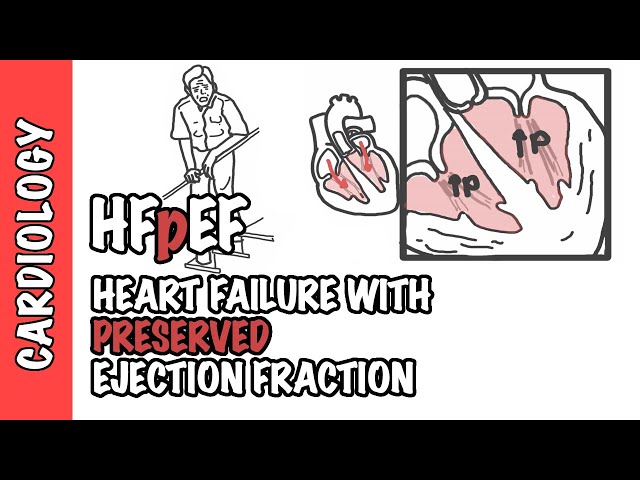
Heart failure with preserved ejection fraction – pathophysiology and management
Learn about heart failure with preserved ejection fraction (HFpEF), a condition where the heart maintains normal pumping ability but struggles to fill properly. This video explains the pathophysiology, common symptoms, diagnostic criteria, and current management strategies for HFpEF.
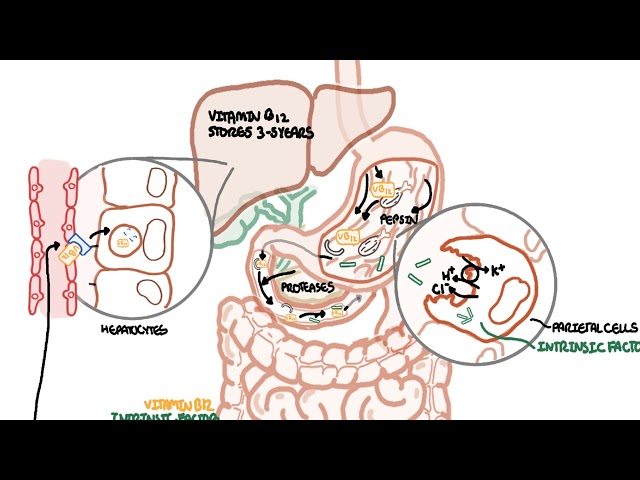
Understanding Vitamin B12 metabolism
Learn how vitamin B12 is absorbed, transported, and utilized in the body, highlighting its essential roles in red blood cell formation and nervous system function. This video explains the key steps in B12 metabolism, including intrinsic factor binding, absorption in the ileum, and clinical implications of deficiency.
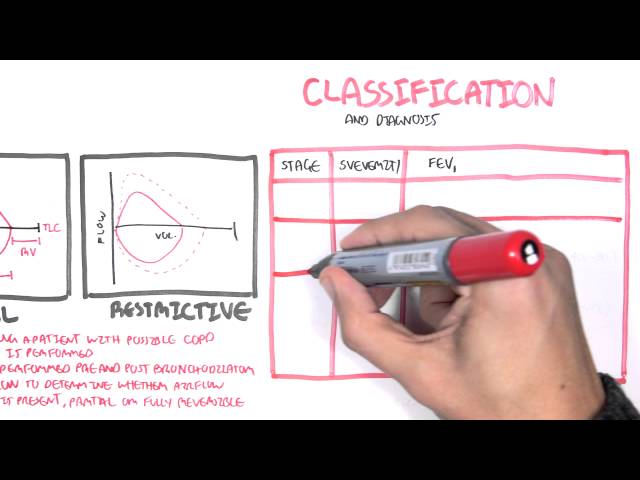
COPD – Investigations and Treatment (PART II)
Learn about the key investigations used to diagnose Chronic Obstructive Pulmonary Disease (COPD), including spirometry and imaging techniques. This video also explores evidence-based treatment options such as bronchodilators, corticosteroids, oxygen therapy, and lifestyle modifications.
Our mission
Medical science is complex. Understanding it should feel possible.
Armando Hasudungan turns difficult medical science into clear visual explanations and connected learning experiences—so learners can see the whole picture, remember what matters and find a clearer way forward.
See it clearly
Turn abstract processes and invisible relationships into something the learner can picture.
Connect the pieces
Build understanding around how concepts fit together—not a pile of isolated facts.
Make it useful
Help learners move from explanation to recall, revision and the next logical step.
What clarity feels like
When the topic stops being a blur.
Learners do not come back because the subject became easy. They come back because the explanation gave them a picture they could work with.
“Armando's teaching style gives me the foundational knowledge.
Jessica Payne-Burnett
Medical Student, Charles Sturt University
“The notes I make during his videos help me retain everything better.
Ayesha RaiStudent, Islamabad Medical and Dental College
“The drawings are amazing and super easy to remember.
Reem Mohamed Khair Abdalrazig
Student, Neelain University
Coming soon: the AH study platform
The explanation is only the start.
The free library helps you find a clear explanation. The AH platform is being built to help you connect the resources, follow a clearer path and check what actually stuck.
- Watch in a focused, ad-free study environment.
- Move between connected videos, notes, diagrams and questions.
- Know what belongs next instead of rebuilding the study path yourself.
- Test your understanding while the topic is still fresh.
New and worth a look
Keep building the picture.
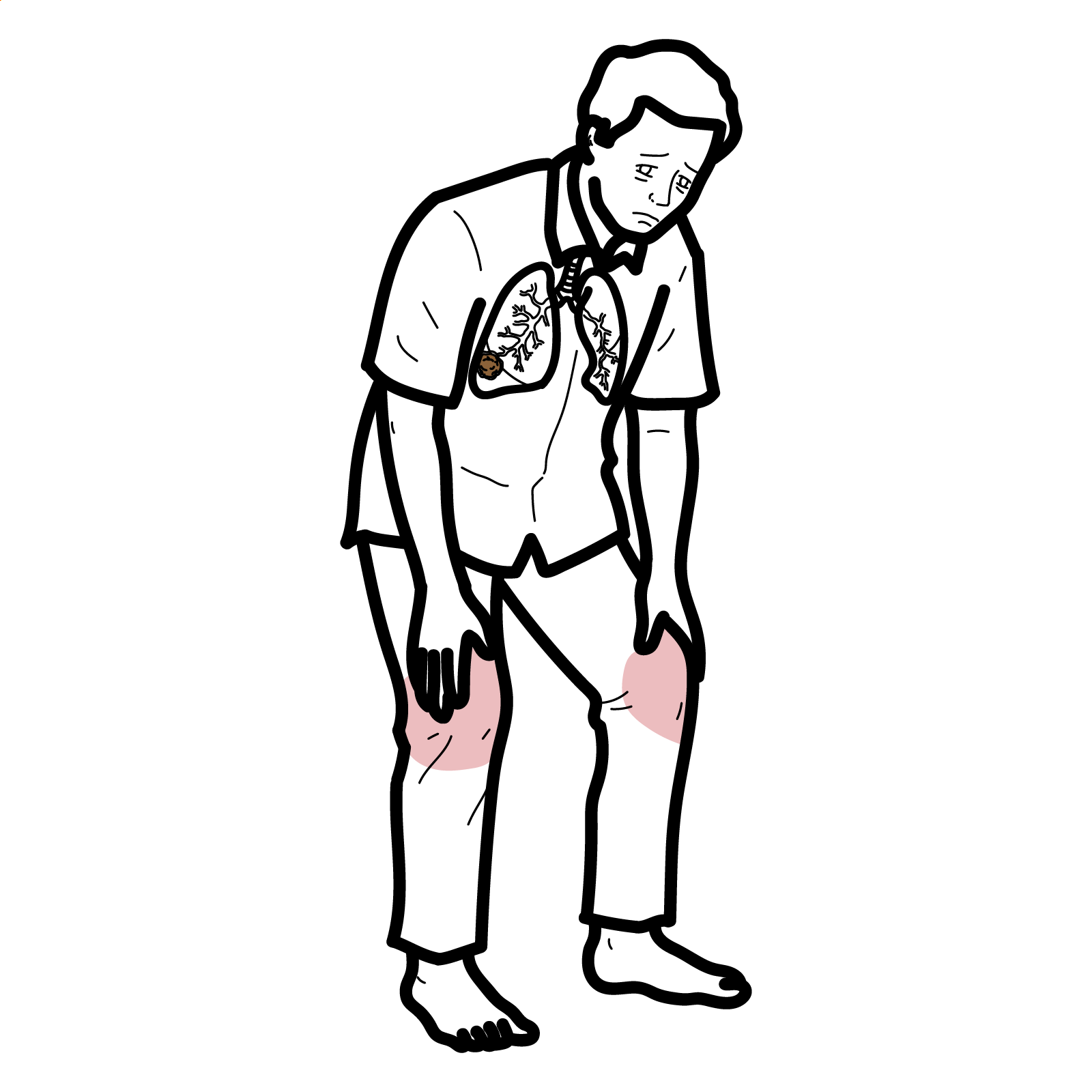
Lambert-Eaton Myasthenic Syndrome
Overview Lambert–Eaton myasthenic syndrome (LEMS) is a rare autoimmune disorder of the presynaptic neuromuscular junction. It causes impaired acetylcholine release, producing the characteristic triad of proximal muscle weakness, reduced reflexes and autonomic dysfunction. LEMS may occur as a paraneoplastic syndrome—most commonly associated with small-cell lung cancer (SCLC)—or as a non-tumour-associated autoimmune disorder. Neuromuscular junction: connection…
View this topic ↗About Visualising Medicine
Good education does not remove complexity. It makes complexity feel simple.
Visualising Medicine is the team behind Armando Hasudungan. We bring together medicine, illustration, writing and technology to make difficult ideas clearer—and build better ways for learners to use them.