

Visual explanationFree resource
Visual medical education by Armando Hasudungan
Medical science, drawn into focus.
Explore visual explanations that reveal how the facts, processes and clinical patterns fit together—then discover the coming AH study platform, built to guide what you study next and check what stuck.
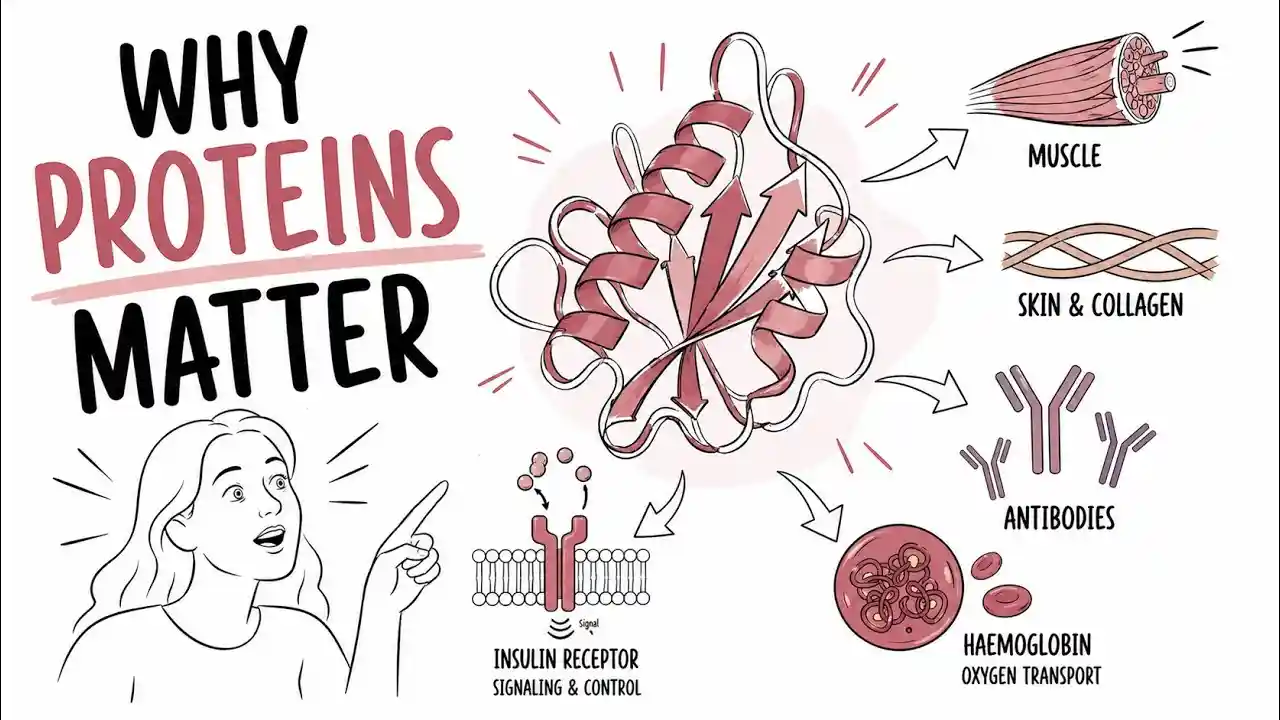
Connected studyComing soon
Clear visual explanations used by medical and allied-health learners around the world.
Explore the free library
Start with the topic in front of you.
Browse by subject or jump straight into the explanation you need. No account required.
Asthma in Emergency
Introduction Most asthma deaths occur outside hospital and are: In patients with chronic severe disease In those receiving inadequate medical treatment In those who have been symptomatically deteriorating, and may have already sought medical help Associated with adverse behavioural and psychological factors Asthma Assessment Assess severity and start bronchodilators! Mild-Moderate (maybe admitted to hospital or…
View topic ↗Hydatidiform Mole (Molar Pregnancy)
Overview Hydatidiform moles are part of a group of diseases falling under gestational trophoblastic disease. A hydatidiform mole refers to the abnormal growth of trophoblastic cells in the placenta, resulting in edematous placental villi that form hydatidiform structures. It is classified as either partial or complete, causing either abnormal foetal development (resulting in foetal demise)…
View topic ↗Schizophrenia
Overview Schizophrenia is a complex syndrome often presenting in late teens/early 20s with positive, negative and cognitive symptoms. Positive symptoms include behaviours and thoughts that are not normally present (psychosis). Negative symptoms include social withdrawal and affective flattening. Finally, cognitive symptoms are expressed as a broad set of cognitive dysfunction. The average lifetime prevalence of…
View topic ↗Sickle Cell Anaemia
Overview Sickle cell anaemia is an autosomal recessive disorder causing production of abnormal ß-globin chains. A single amino acid is substituted in the ß-globin chain (Glu to Val at position 6). This results in the production of HbS (haemoglobin Sickle) rather than HbA. The common variants of sickle cell disease are: Sickle cell anaemia (SS…
View topic ↗Colorectal Cancer
Overview Colon cancer is the second most commonly diagnosed cancer. 1/12 people will develop bowel cancer before the age of 85. However, there are Survival rates are increasing. Early bowel cancer is cured by surgery alone (screening is important!!). If untreated, or diagnosed when distance metastases are present, >98% pf patients die in <5 years. Polyps: …
View topic ↗X-linked Agammaglobulinaemia (XLA / Bruton’s Disease)
Overview X-linked agammaglobulinaemia (XLA) is a rare primary immunodeficiency caused by mutations in the Bruton’s tyrosine kinase (BTK) gene , leading to failure of B-cell maturation. It results in profound hypogammaglobulinaemia and susceptibility to recurrent bacterial infections, particularly with encapsulated organisms. It usually presents after 6 months of age (once maternal IgG wanes). Prevalence is…
View topic ↗Junctional Arrythmias
Overview Junctional rhythms occur when the AV node takes over as the primary pacemaker. Junctional rhythm usually is associated with a benign course. Mechanism SA node has failed AV node just wants to be faster and takes over Enhanced automaticity in AV nodal cells AVNRT – Seperate condition where a re-entry loop stimulates the AV node…
View topic ↗Full resource library
Browse all topics ↗Choose how you learn
One idea. More than one way to see it.
Use the format that helps the topic click, then switch formats when you need to reinforce it.
01 / WATCH02 / READ03 / SEE04 / CHECK
Videos
Hand-drawn explanations that build the big picture as the concept unfolds.
Notes
Clear written explanations for review, reference and filling in the details.
Diagrams
Visual snapshots that help you easily review topics.
Questions
Test whether the explanation stayed with you—not just whether it looked familiar.
Good places to begin
Explanations learners return to.
Part II – Mucosal Immunity
Delve deeper into mucosal immunity by examining the roles of secretory IgA, antigen sampling, and immune tolerance at mucosal surfaces. This video explains how immune cells coordinate responses while maintaining balance between protection and tolerance in environments like the gut and respiratory tract.
Cells Overview
Get an overview of cell structure and function, including organelles, membranes, and key cellular processes. Perfect for quick revision, this video breaks down complex concepts into simple, exam-focused explanations.
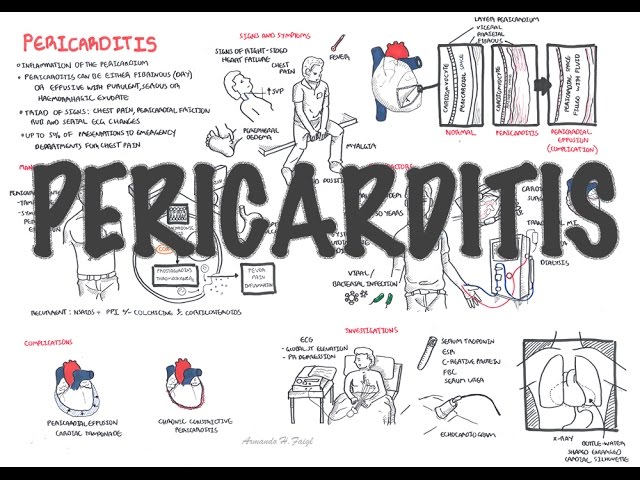
Pericarditis – Overview (signs and symptoms, pathophysiology, diagnosis, treatment)
This video provides a comprehensive overview of pericarditis, covering its signs and symptoms, underlying pathophysiology, and diagnostic approach. Learn how this inflammatory heart condition is identified and effectively managed through targeted treatment strategies.
Our mission
Medical science is complex. Understanding it should feel possible.
Armando Hasudungan turns difficult medical science into clear visual explanations and connected learning experiences—so learners can see the whole picture, remember what matters and find a clearer way forward.
See it clearly
Turn abstract processes and invisible relationships into something the learner can picture.
Connect the pieces
Build understanding around how concepts fit together—not a pile of isolated facts.
Make it useful
Help learners move from explanation to recall, revision and the next logical step.
What clarity feels like
When the topic stops being a blur.
Learners do not come back because the subject became easy. They come back because the explanation gave them a picture they could work with.
“Armando's teaching style gives me the foundational knowledge.
Jessica Payne-Burnett
Medical Student, Charles Sturt University
“The notes I make during his videos help me retain everything better.
Ayesha RaiStudent, Islamabad Medical and Dental College
“The drawings are amazing and super easy to remember.
Reem Mohamed Khair Abdalrazig
Student, Neelain University
Coming soon: the AH study platform
The explanation is only the start.
The free library helps you find a clear explanation. The AH platform is being built to help you connect the resources, follow a clearer path and check what actually stuck.
- Watch in a focused, ad-free study environment.
- Move between connected videos, notes, diagrams and questions.
- Know what belongs next instead of rebuilding the study path yourself.
- Test your understanding while the topic is still fresh.
New and worth a look
Keep building the picture.
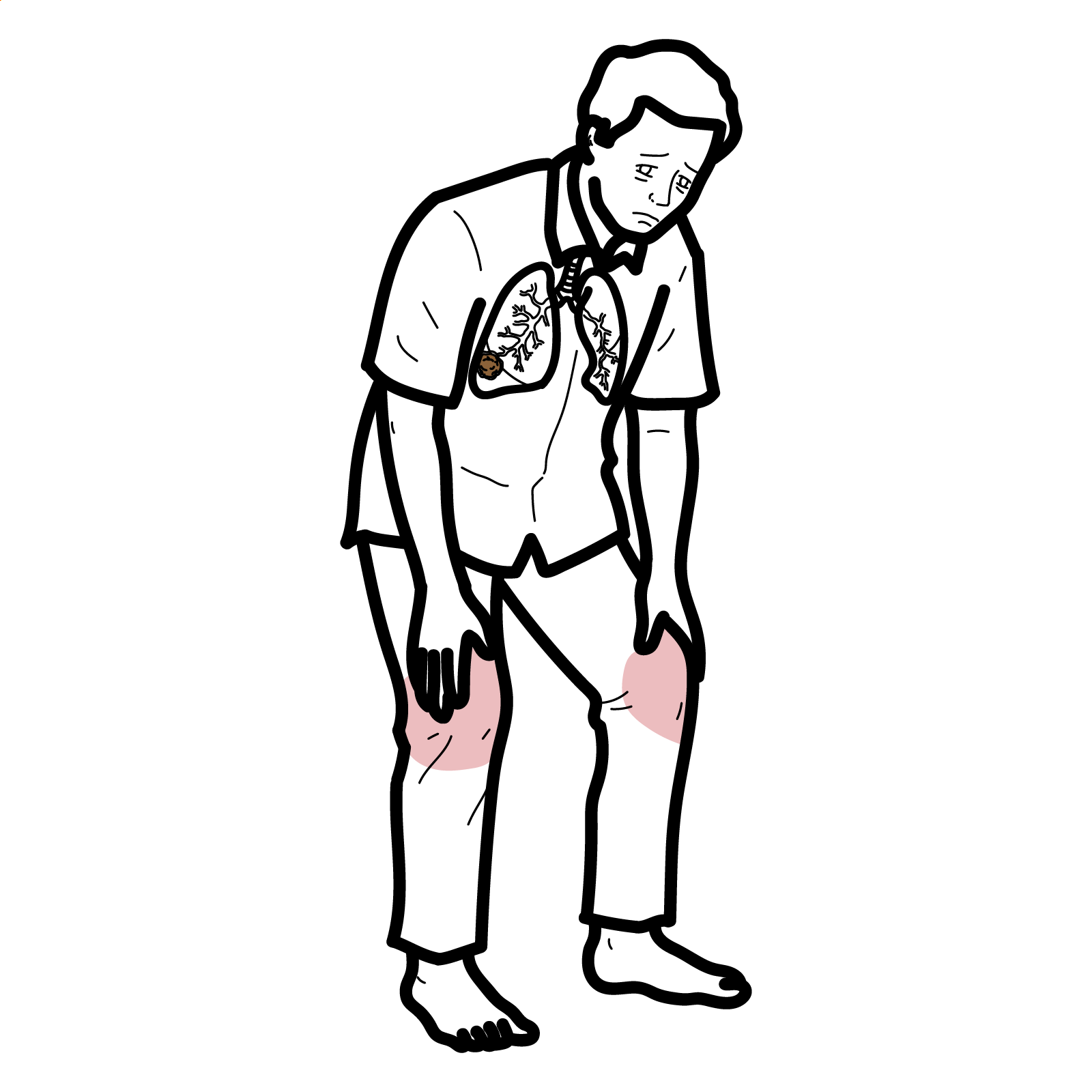
Lambert-Eaton Myasthenic Syndrome
Overview Lambert–Eaton myasthenic syndrome (LEMS) is a rare autoimmune disorder of the presynaptic neuromuscular junction. It causes impaired acetylcholine release, producing the characteristic triad of proximal muscle weakness, reduced reflexes and autonomic dysfunction. LEMS may occur as a paraneoplastic syndrome—most commonly associated with small-cell lung cancer (SCLC)—or as a non-tumour-associated autoimmune disorder. Neuromuscular junction: connection…
View this topic ↗About Visualising Medicine
Good education does not remove complexity. It makes complexity feel simple.
Visualising Medicine is the team behind Armando Hasudungan. We bring together medicine, illustration, writing and technology to make difficult ideas clearer—and build better ways for learners to use them.