

Visual explanationFree resource
Visual medical education by Armando Hasudungan
Medical science, drawn into focus.
Explore visual explanations that reveal how the facts, processes and clinical patterns fit together—then discover the coming AH study platform, built to guide what you study next and check what stuck.
Connected studyComing soon
Clear visual explanations used by medical and allied-health learners around the world.
Explore the free library
Start with the topic in front of you.
Browse by subject or jump straight into the explanation you need. No account required.
Cervical Cancer
Overview Cervical cancer is an HPV-related malignancy of the uterine cervical mucosa. Most cervical tumours contain HPV DNA (99.7%) . There are many variants of HPV, HPV-16 and 18 are the 2 most common high-risk types. Cervical cancer is proceeded by an idenifiable precursor lesion (cervical intraepithelial neoplasia (CIN1)) that may progress to invasive cancer. CIN can…
View topic ↗Henoch–Schönlein Purpura (IgA Vasculitis)
Overview Henoch–Schönlein purpura (HSP), now termed IgA vasculitis, is the most common systemic vasculitis in children, characterised by IgA1-dominant immune complex deposition in small vessels, particularly affecting the skin, joints, gastrointestinal tract, and kidneys. It predominantly occurs in children aged 3–10 years, with a slight male predominance, and often follows an upper respiratory tract infection.…
View topic ↗Resuscitation of Newborn
Overview The successful transition from intrauterine to extrauterine life is dependent upon significant physiologic changes that occur at birth. Successful transition – 90% Need some intervention – 10% Require extensive resuscitative measures - 1% High-risk delivery Infants who are more likely to require resuscitation can be identified by the presence of one or more of…
View topic ↗Chronic Lower Limb Ischaemia: Intermittent Claudication
Overview Chronic lower limb ischemia can be classified using the Fontaine classification: I – asymptomatic II – intermittent claudication III – rest pain IV – ulcers/gangrene Grades III and IV are classified as Critical Limb Ischemia. Intermittent claudication is a type of chronic lower limb ischemia that presents with muscle pain on exercise and is…
View topic ↗Dementia
Overview Dementia is a disorder that is characterized by impairment of cognition, typically involving memory and at least one other cognitive deficit, such as aphasia, apraxia, agnosia, or disturbance in executive functioning. These must represent a decline from previous level of function and be severe enough to interfere with daily function and independence. Decrease in intellectual…
View topic ↗Lambert-Eaton Myasthenic Syndrome
Overview Lambert–Eaton myasthenic syndrome (LEMS) is a rare autoimmune disorder of the presynaptic neuromuscular junction. It causes impaired acetylcholine release, producing the characteristic triad of proximal muscle weakness, reduced reflexes and autonomic dysfunction. LEMS may occur as a paraneoplastic syndrome—most commonly associated with small-cell lung cancer (SCLC)—or as a non-tumour-associated autoimmune disorder. Neuromuscular junction: connection…
View topic ↗Community Acquired Pneumonia
Overview Community acquired pneumonia occur in individuals who are not in hospital (or have been in hospital in the past 48 hours) and who are not significantly immunocompromised. The World Health Organization estimates that lower respiratory tract infection is the most common infectious cause of death in the world. Choice of antibiotics are usually empirical…
View topic ↗Full resource library
Browse all topics ↗Choose how you learn
One idea. More than one way to see it.
Use the format that helps the topic click, then switch formats when you need to reinforce it.
01 / WATCH02 / READ03 / SEE04 / CHECK
Videos
Hand-drawn explanations that build the big picture as the concept unfolds.
Notes
Clear written explanations for review, reference and filling in the details.
Diagrams
Visual snapshots that help you easily review topics.
Questions
Test whether the explanation stayed with you—not just whether it looked familiar.
Good places to begin
Explanations learners return to.
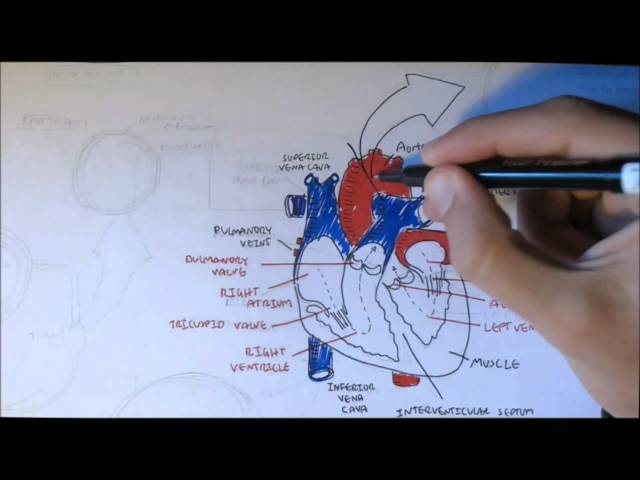
Cardiovascular System Anatomy
Explore the anatomy of the cardiovascular system in this video, covering the heart chambers, valves, major vessels, and circulatory pathways. Ideal for students and exam prep, this video simplifies complex structures with clear visuals and essential clinical correlations.
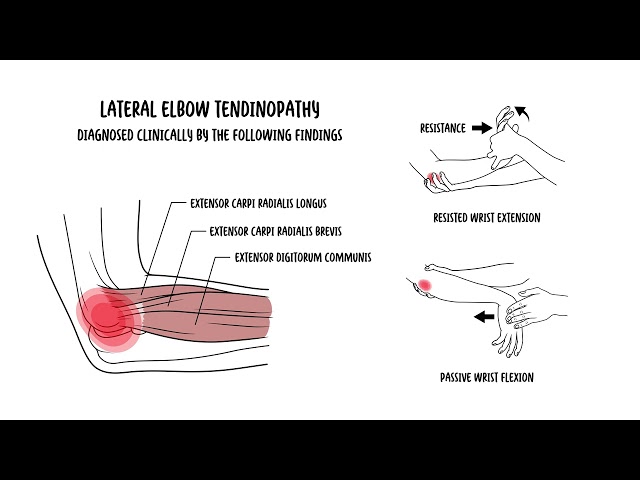
Tennis elbow – lateral elbow tendinopathy (lateral epicondylitis)
Discover the causes and symptoms of tennis elbow, also known as lateral elbow tendinopathy or lateral epicondylitis, a condition involving overuse of the forearm extensor tendons. This video explains the underlying pathology, risk factors, diagnostic approach, and treatment options.
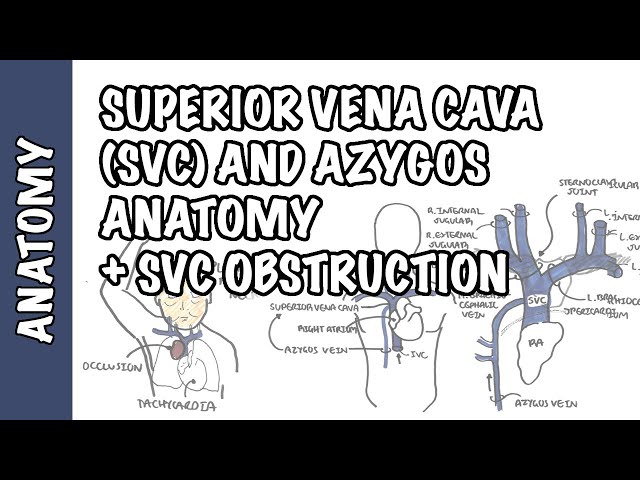
Superior vena cava and azygos system – clinical anatomy
Explore the clinical anatomy of the superior vena cava and azygos system, focusing on their roles in venous return to the heart. This video also explains the causes, signs, and collateral pathways involved in superior vena cava obstruction, a critical oncologic emergency.
Our mission
Medical science is complex. Understanding it should feel possible.
Armando Hasudungan turns difficult medical science into clear visual explanations and connected learning experiences—so learners can see the whole picture, remember what matters and find a clearer way forward.
See it clearly
Turn abstract processes and invisible relationships into something the learner can picture.
Connect the pieces
Build understanding around how concepts fit together—not a pile of isolated facts.
Make it useful
Help learners move from explanation to recall, revision and the next logical step.
What clarity feels like
When the topic stops being a blur.
Learners do not come back because the subject became easy. They come back because the explanation gave them a picture they could work with.
“Armando's teaching style gives me the foundational knowledge.
Jessica Payne-Burnett
Medical Student, Charles Sturt University
“The notes I make during his videos help me retain everything better.
Ayesha RaiStudent, Islamabad Medical and Dental College
“The drawings are amazing and super easy to remember.
Reem Mohamed Khair Abdalrazig
Student, Neelain University
Coming soon: the AH study platform
The explanation is only the start.
The free library helps you find a clear explanation. The AH platform is being built to help you connect the resources, follow a clearer path and check what actually stuck.
- Watch in a focused, ad-free study environment.
- Move between connected videos, notes, diagrams and questions.
- Know what belongs next instead of rebuilding the study path yourself.
- Test your understanding while the topic is still fresh.
New and worth a look
Keep building the picture.
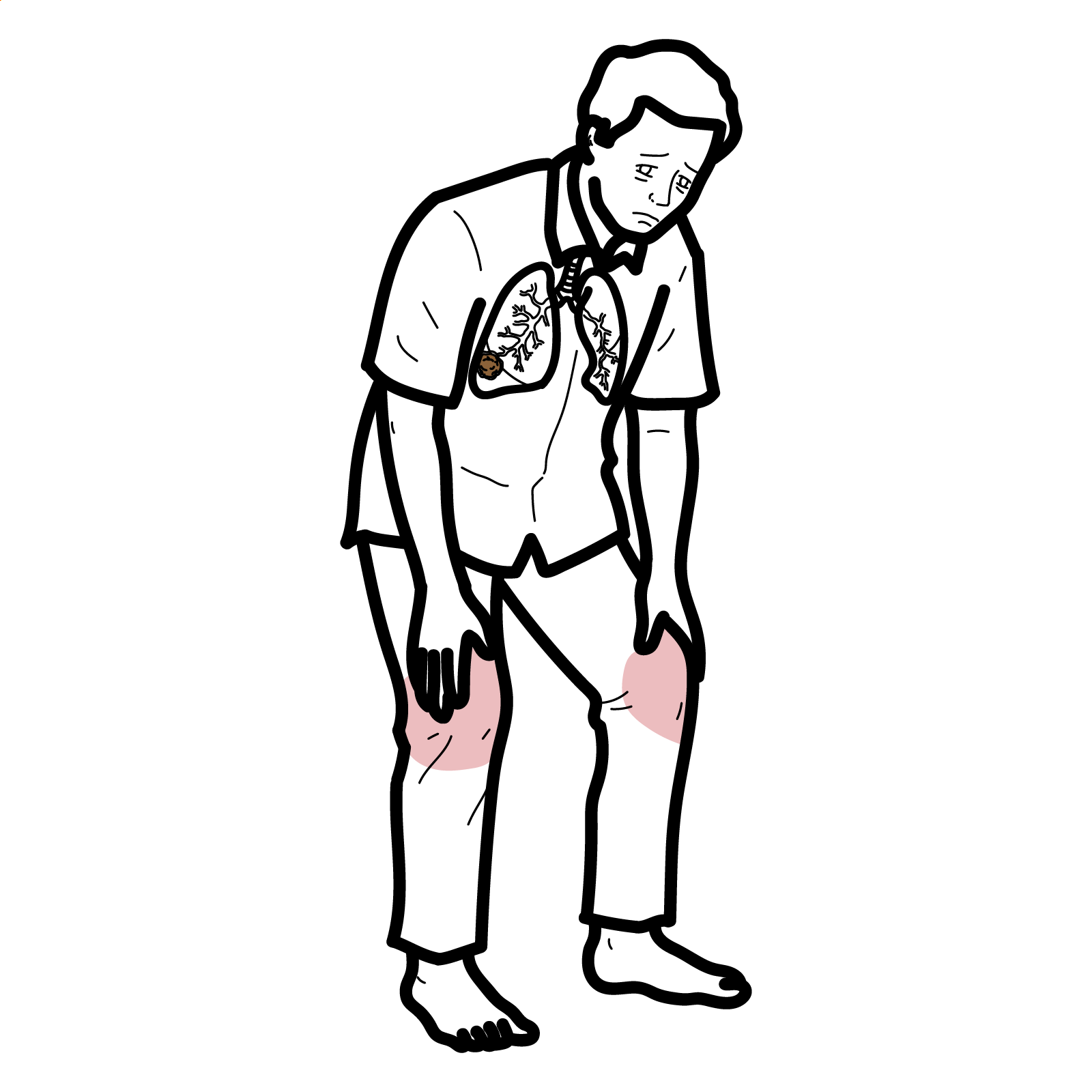
Lambert-Eaton Myasthenic Syndrome
Overview Lambert–Eaton myasthenic syndrome (LEMS) is a rare autoimmune disorder of the presynaptic neuromuscular junction. It causes impaired acetylcholine release, producing the characteristic triad of proximal muscle weakness, reduced reflexes and autonomic dysfunction. LEMS may occur as a paraneoplastic syndrome—most commonly associated with small-cell lung cancer (SCLC)—or as a non-tumour-associated autoimmune disorder. Neuromuscular junction: connection…
View this topic ↗About Visualising Medicine
Good education does not remove complexity. It makes complexity feel simple.
Visualising Medicine is the team behind Armando Hasudungan. We bring together medicine, illustration, writing and technology to make difficult ideas clearer—and build better ways for learners to use them.