

Visual explanationFree resource
Visual medical education by Armando Hasudungan
Medical science, drawn into focus.
Explore visual explanations that reveal how the facts, processes and clinical patterns fit together—then discover the coming AH study platform, built to guide what you study next and check what stuck.
Connected studyComing soon
Clear visual explanations used by medical and allied-health learners around the world.
Explore the free library
Start with the topic in front of you.
Browse by subject or jump straight into the explanation you need. No account required.
Sexual Transmitted Infection
Overview Sexually transmitted infections (STI) are a significant public health worldwide. STI can result in chronic disease, pregnancy complications, infertility, and even death. Globally, congenital syphilis is still a leading cause of stillbirth and neonatal death. Antibiotic-resistant Neisseria gonorrhoeae continues to be a significant public health concern. Chlamydia trachomatis infection is the most frequently reported…
View topic ↗Acute Heart Failure
Overview Heart failure is a condition in which the heart does not pump enough blood to meet all the needs of the body. It is caused by heart muscle damage or dysfunction, valve problems, heart rhythm disturbances and other rarer causes. Acute heart failure can present as new-onset heart failure in people without known cardiac…
View topic ↗Osteomalacia / Rickets
Overview Osteomalacia (adults) and rickets (children) are disorders of impaired bone mineralisation leading to soft, poorly mineralised bone. It arises when there is insufficient calcium–phosphate supply to the mineralising matrix due to vitamin D deficiency, calcium deficiency, phosphate deficiency (often FGF23-mediated). Nutritional rickets still occurs worldwide, while hypophosphataemic forms (e.g., XLH, tumour-induced osteomalacia) are rarer…
View topic ↗Stroke (Ischaemic and Haemorrhagic)
Overview Third most common cause of death worldwide and most common cause of neurological disability. It is subdivided into ischaemic stroke (caused by vascular occlusion or stenosis) and haemorrhagic stroke (caused by vascular rupture, resulting in intra-parenchymal and/or subarachnoid haemorrhage). Stroke: Acute onset of a focal neurologic deficit due to a cerebral infarction or hemorrhage. Transient Ischaemic…
View topic ↗Post Traumatic Stress Disorder
Traumatic and Stress Related Disorders Post traumatic stress disorder Acute stress Disrorder Adjustment Disorder This will mainly focus on PTSD Overview The identification of Post traumatic stress disorder (PTSD) in a patient involves understanding the traumatic event and the patient characteristics. PTSD may develop following exposure to 1 or more traumatic events such as deliberate acts of interpersonal…
View topic ↗Chronic Exertional Compartment Syndrome (Exercise-induced Compartment Syndrome)
Overview Chronic compartment syndrome (also known as chronic exertional compartment syndrome or exercise induced compartment syndrome) is an exertional condition in which repetitive activity causes transiently elevated pressure within a closed myofascial compartment, leading to ischemic pain, tightness, and sometimes neurologic symptoms that predictably begin with exercise and abate with rest. It most often affects…
View topic ↗Nephritic Syndrome
Overview Nephritic syndrome is one of two clinical patterns seen in glomerular disease. Nephritic Syndrome is characterised by haematuria, proteinuria, hypertension and oligouria. Nephritic syndrome can be further classified based on light microscopic features: Focal Diffuse Glomerular Disease: Disease effecting the glomerulus. Glomerular disease reduces the ability of the kidneys to maintain a balance of certain substances in…
View topic ↗Full resource library
Browse all topics ↗Choose how you learn
One idea. More than one way to see it.
Use the format that helps the topic click, then switch formats when you need to reinforce it.
01 / WATCH02 / READ03 / SEE04 / CHECK
Videos
Hand-drawn explanations that build the big picture as the concept unfolds.
Notes
Clear written explanations for review, reference and filling in the details.
Diagrams
Visual snapshots that help you easily review topics.
Questions
Test whether the explanation stayed with you—not just whether it looked familiar.
Good places to begin
Explanations learners return to.
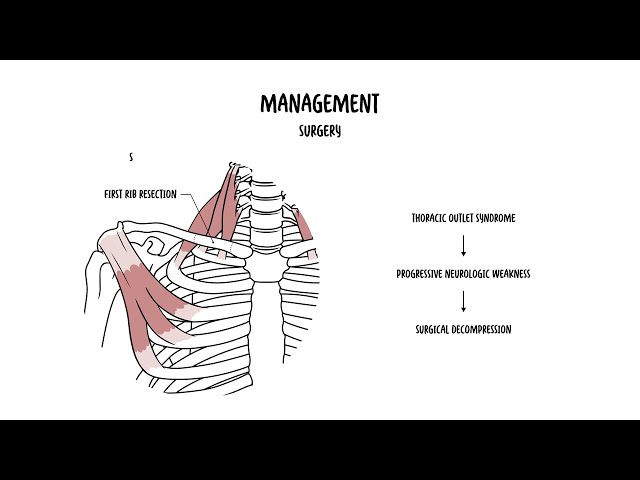
Thoracic Outlet Obstruction Explained | Causes, Symptoms, Tests & Treatment
Thoracic Outlet Obstruction (TOS) is caused by nerve or vessel compression near the collarbone. Learn the key types—neurogenic, venous, and arterial—along with symptoms, anatomy, tests (Adson’s, Roos), and treatment. This video is ideal for medical students, physios, and clinicians looking to master upper limb compression syndromes.

Congenital Hypertrophic Pyloric Stenosis
Understand Pyloric Stenosis, a condition that affects infants and causes severe vomiting due to the narrowing of the pylorus. This video explains the causes, symptoms, diagnosis, and treatment options, including the importance of early intervention. Ideal for parents, medical students, and healthcare professionals seeking clear, concise information on this common pediatric condition.
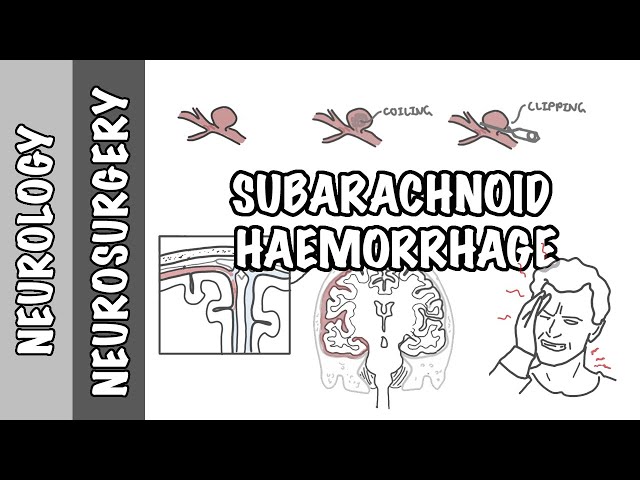
Subarachnoid Haemorrhage / pathophysiology, complications and management
A subarachnoid haemorrhage (SAH) is a type of stroke that causes bleeding around the brain. Subarachnoid haemorrhage, the bleeding happens in a part of your head called the "subarachnoid space." Most spontaneous SAHs are caused by ruptured saccular aneurysms. Other causes of SAH include occult trauma, arteriovenous malformations/fistulae, vasculitides, intracranial arterial dissections, amyloid angiopathy, bleeding…
Our mission
Medical science is complex. Understanding it should feel possible.
Armando Hasudungan turns difficult medical science into clear visual explanations and connected learning experiences—so learners can see the whole picture, remember what matters and find a clearer way forward.
See it clearly
Turn abstract processes and invisible relationships into something the learner can picture.
Connect the pieces
Build understanding around how concepts fit together—not a pile of isolated facts.
Make it useful
Help learners move from explanation to recall, revision and the next logical step.
What clarity feels like
When the topic stops being a blur.
Learners do not come back because the subject became easy. They come back because the explanation gave them a picture they could work with.
“Armando's teaching style gives me the foundational knowledge.
Jessica Payne-Burnett
Medical Student, Charles Sturt University
“The notes I make during his videos help me retain everything better.
Ayesha RaiStudent, Islamabad Medical and Dental College
“The drawings are amazing and super easy to remember.
Reem Mohamed Khair Abdalrazig
Student, Neelain University
Coming soon: the AH study platform
The explanation is only the start.
The free library helps you find a clear explanation. The AH platform is being built to help you connect the resources, follow a clearer path and check what actually stuck.
- Watch in a focused, ad-free study environment.
- Move between connected videos, notes, diagrams and questions.
- Know what belongs next instead of rebuilding the study path yourself.
- Test your understanding while the topic is still fresh.
New and worth a look
Keep building the picture.
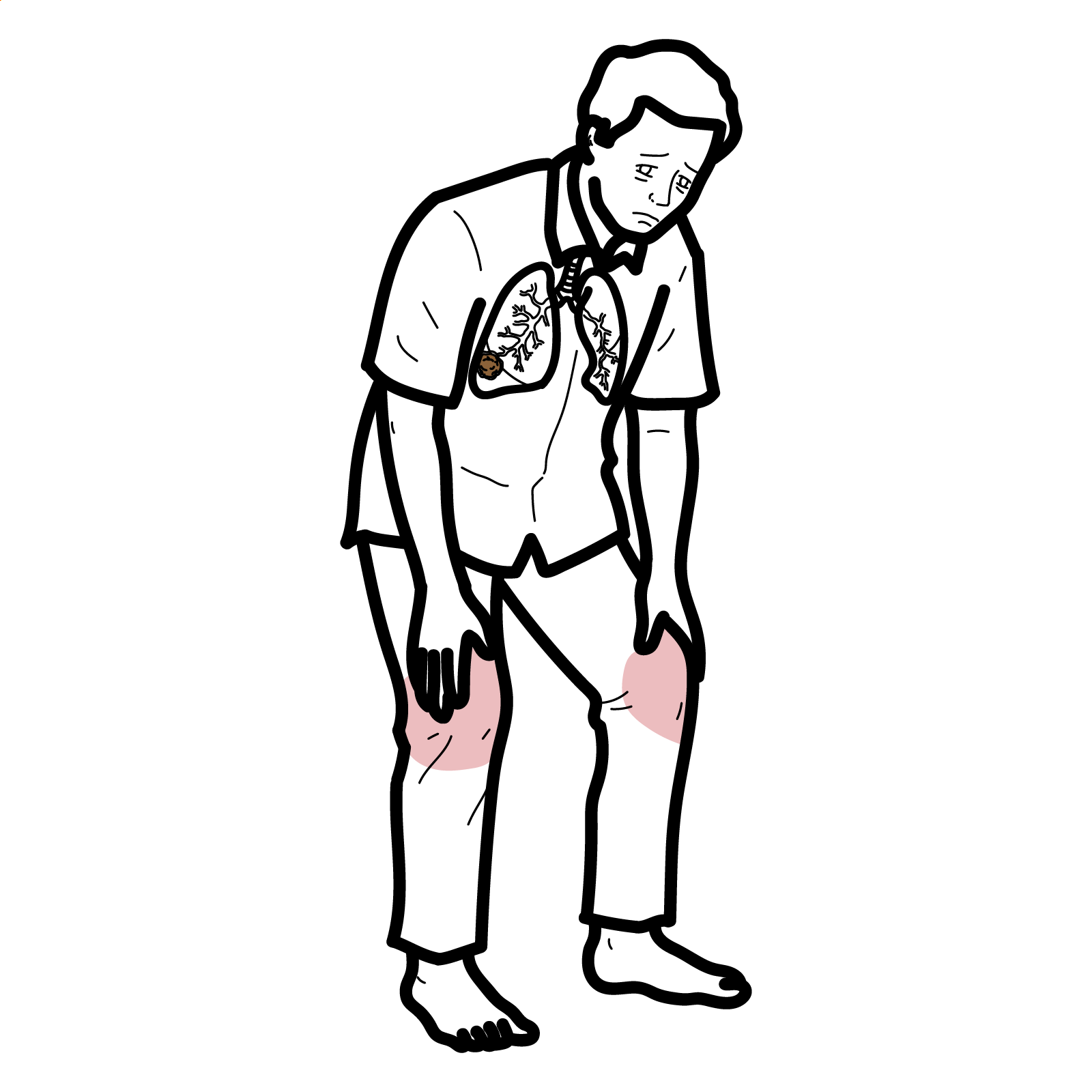
Lambert-Eaton Myasthenic Syndrome
Overview Lambert–Eaton myasthenic syndrome (LEMS) is a rare autoimmune disorder of the presynaptic neuromuscular junction. It causes impaired acetylcholine release, producing the characteristic triad of proximal muscle weakness, reduced reflexes and autonomic dysfunction. LEMS may occur as a paraneoplastic syndrome—most commonly associated with small-cell lung cancer (SCLC)—or as a non-tumour-associated autoimmune disorder. Neuromuscular junction: connection…
View this topic ↗About Visualising Medicine
Good education does not remove complexity. It makes complexity feel simple.
Visualising Medicine is the team behind Armando Hasudungan. We bring together medicine, illustration, writing and technology to make difficult ideas clearer—and build better ways for learners to use them.