

Visual explanationFree resource
Visual medical education by Armando Hasudungan
Medical science, drawn into focus.
Explore visual explanations that reveal how the facts, processes and clinical patterns fit together—then discover the coming AH study platform, built to guide what you study next and check what stuck.
Connected studyComing soon
Clear visual explanations used by medical and allied-health learners around the world.
Explore the free library
Start with the topic in front of you.
Browse by subject or jump straight into the explanation you need. No account required.
X-linked Agammaglobulinaemia (XLA / Bruton’s Disease)
Overview X-linked agammaglobulinaemia (XLA) is a rare primary immunodeficiency caused by mutations in the Bruton’s tyrosine kinase (BTK) gene , leading to failure of B-cell maturation. It results in profound hypogammaglobulinaemia and susceptibility to recurrent bacterial infections, particularly with encapsulated organisms. It usually presents after 6 months of age (once maternal IgG wanes). Prevalence is…
View topic ↗Eosinophilic Granulomatosis with Polyangiitis
Overview EGPA (formerly Churg-Strauss syndrome) is a rare, small-to-medium vessel necrotizing vasculitis characterized by asthma, eosinophilia, and extravascular granulomas. It commonly affects the lungs, skin, peripheral nerves, and heart. Annual incidence: ~1–3 per million; peak onset in 40s–60s; no significant gender bias. Strongly associated with MPO-ANCA positivity in ~40–60% of patients; others are ANCA-negative. Eosinophilia…
View topic ↗Caplan Syndrome
Overview Caplan syndrome, also known as rheumatoid pneumoconiosis, is a rare condition seen in patients with rheumatoid arthritis (RA) who have had occupational exposure to inhaled dust, particularly coal dust or silica. It is characterised by multiple, rounded pulmonary nodules and underlying pneumoconiosis. It primarily affects middle-aged male coal workers and is now rare in…
View topic ↗Birth Defects
Overview Birth defects are the leading cause of perinatal and post- neonatal deaths, and result in substantial morbidity and disability in developed countries. There is a wide variety of mechanisms including genetic, environmental and multifactorial. Major birth defects affect 2–3% of live-borns, and minor birth defects affect 15%. Preventative strategies remain limited, but include maternal folic acid supplementation,…
View topic ↗Colorectal Cancer
Overview Colon cancer is the second most commonly diagnosed cancer. 1/12 people will develop bowel cancer before the age of 85. However, there are Survival rates are increasing. Early bowel cancer is cured by surgery alone (screening is important!!). If untreated, or diagnosed when distance metastases are present, >98% pf patients die in <5 years. Polyps: …
View topic ↗Chronic Widespread Pain
Overview Chronic widespread pain (CWP) is a nociplastic pain phenotype defined by persistent (≥3 months) pain affecting multiple body regions, with high comorbidity with fatigue, sleep disturbance, mood symptoms and functional impairment. The pooled global prevalence is ~10% (women>men), with higher rates in lower-HDI settings. CWP is recognised in ICD-11 within the chronic primary pain…
View topic ↗Guillain–Barré Syndrome
Overview Guillain-Barré Syndrome (GBS) is an acute, immune-mediated polyneuropathy typically triggered by a preceding gastrointestinal or respiratory infection. It is characterised by an autoimmune attack on the peripheral nerves, leading to mainly demyelination but also axonal degeneration, which impairs nerve conduction and causes muscle weakness and paralysis. GBS affects about 1–2 per 100,000 people annually.…
View topic ↗Full resource library
Browse all topics ↗Choose how you learn
One idea. More than one way to see it.
Use the format that helps the topic click, then switch formats when you need to reinforce it.
01 / WATCH02 / READ03 / SEE04 / CHECK
Videos
Hand-drawn explanations that build the big picture as the concept unfolds.
Notes
Clear written explanations for review, reference and filling in the details.
Diagrams
Visual snapshots that help you easily review topics.
Questions
Test whether the explanation stayed with you—not just whether it looked familiar.
Good places to begin
Explanations learners return to.
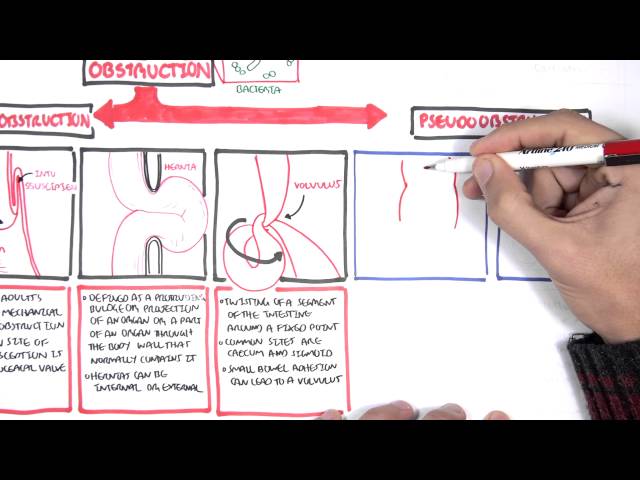
Bowel Obstruction – Causes and Pathophysiology
Learn about the common causes and underlying mechanisms of bowel obstruction, including mechanical and functional types. This video explains the pathophysiology, key clinical signs, and potential complications of intestinal blockage.
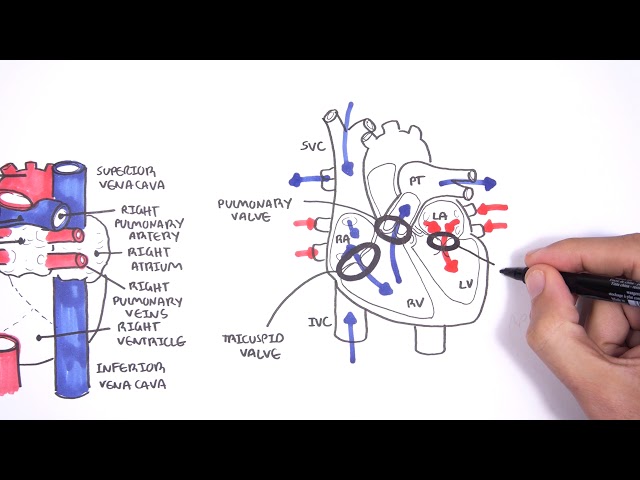
Introduction to Cardiac (Heart) Anatomy and the Chest Xray
Learn the basics of cardiac anatomy and how the heart’s structure is visualized on a chest X-ray. This video explains key anatomical landmarks, heart borders, and how to interpret normal vs abnormal cardiac silhouettes.
Global Hands – Children in Immigration Detention
Explore the human rights issues surrounding children in immigration detention, focusing on their mental health, legal protections, and global advocacy efforts. This video sheds light on the urgent need for humane policies and child-centered approaches worldwide.
Our mission
Medical science is complex. Understanding it should feel possible.
Armando Hasudungan turns difficult medical science into clear visual explanations and connected learning experiences—so learners can see the whole picture, remember what matters and find a clearer way forward.
See it clearly
Turn abstract processes and invisible relationships into something the learner can picture.
Connect the pieces
Build understanding around how concepts fit together—not a pile of isolated facts.
Make it useful
Help learners move from explanation to recall, revision and the next logical step.
What clarity feels like
When the topic stops being a blur.
Learners do not come back because the subject became easy. They come back because the explanation gave them a picture they could work with.
“Armando's teaching style gives me the foundational knowledge.
Jessica Payne-Burnett
Medical Student, Charles Sturt University
“The notes I make during his videos help me retain everything better.
Ayesha RaiStudent, Islamabad Medical and Dental College
“The drawings are amazing and super easy to remember.
Reem Mohamed Khair Abdalrazig
Student, Neelain University
Coming soon: the AH study platform
The explanation is only the start.
The free library helps you find a clear explanation. The AH platform is being built to help you connect the resources, follow a clearer path and check what actually stuck.
- Watch in a focused, ad-free study environment.
- Move between connected videos, notes, diagrams and questions.
- Know what belongs next instead of rebuilding the study path yourself.
- Test your understanding while the topic is still fresh.
New and worth a look
Keep building the picture.
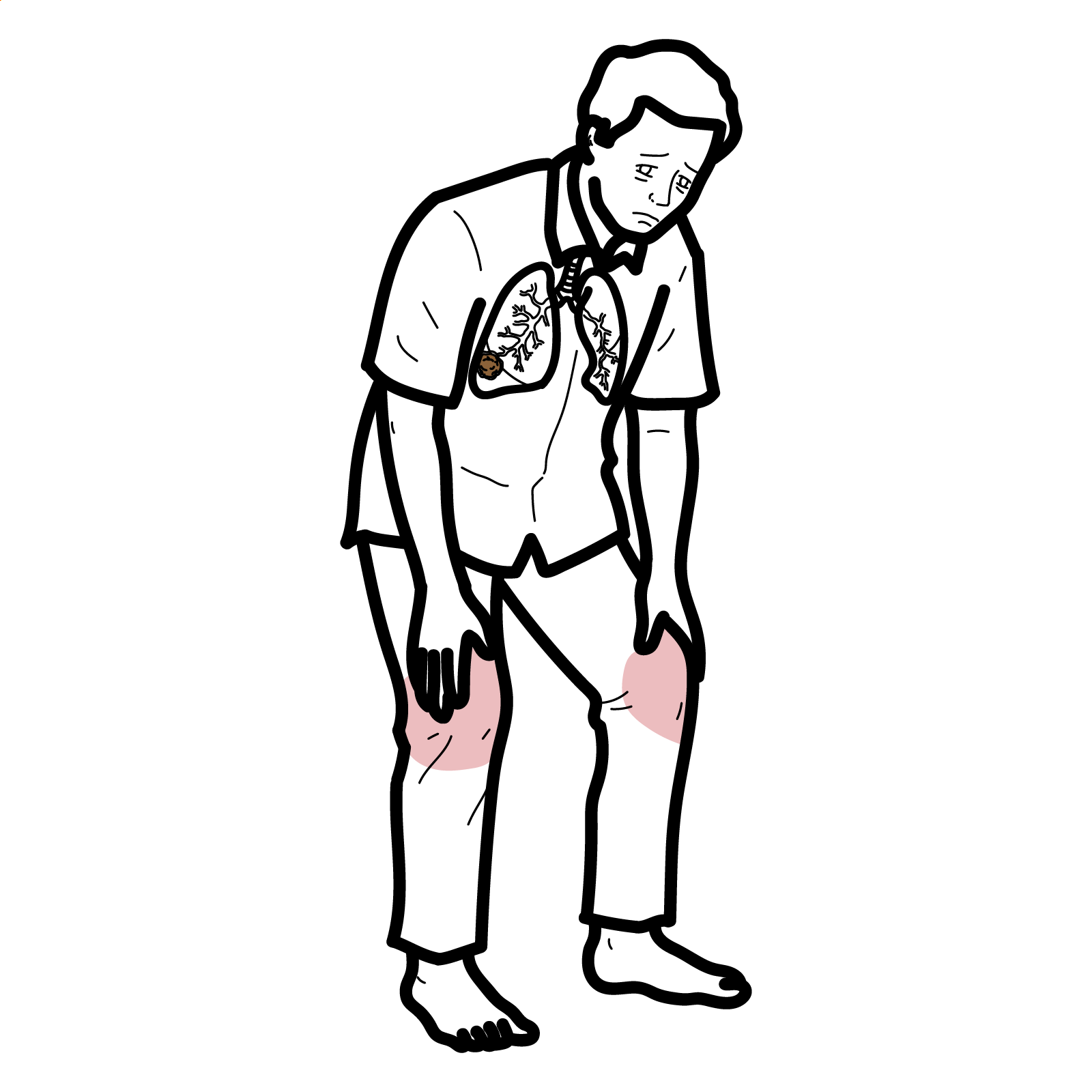
Lambert-Eaton Myasthenic Syndrome
Overview Lambert–Eaton myasthenic syndrome (LEMS) is a rare autoimmune disorder of the presynaptic neuromuscular junction. It causes impaired acetylcholine release, producing the characteristic triad of proximal muscle weakness, reduced reflexes and autonomic dysfunction. LEMS may occur as a paraneoplastic syndrome—most commonly associated with small-cell lung cancer (SCLC)—or as a non-tumour-associated autoimmune disorder. Neuromuscular junction: connection…
View this topic ↗About Visualising Medicine
Good education does not remove complexity. It makes complexity feel simple.
Visualising Medicine is the team behind Armando Hasudungan. We bring together medicine, illustration, writing and technology to make difficult ideas clearer—and build better ways for learners to use them.