

Chronic Widespread Pain
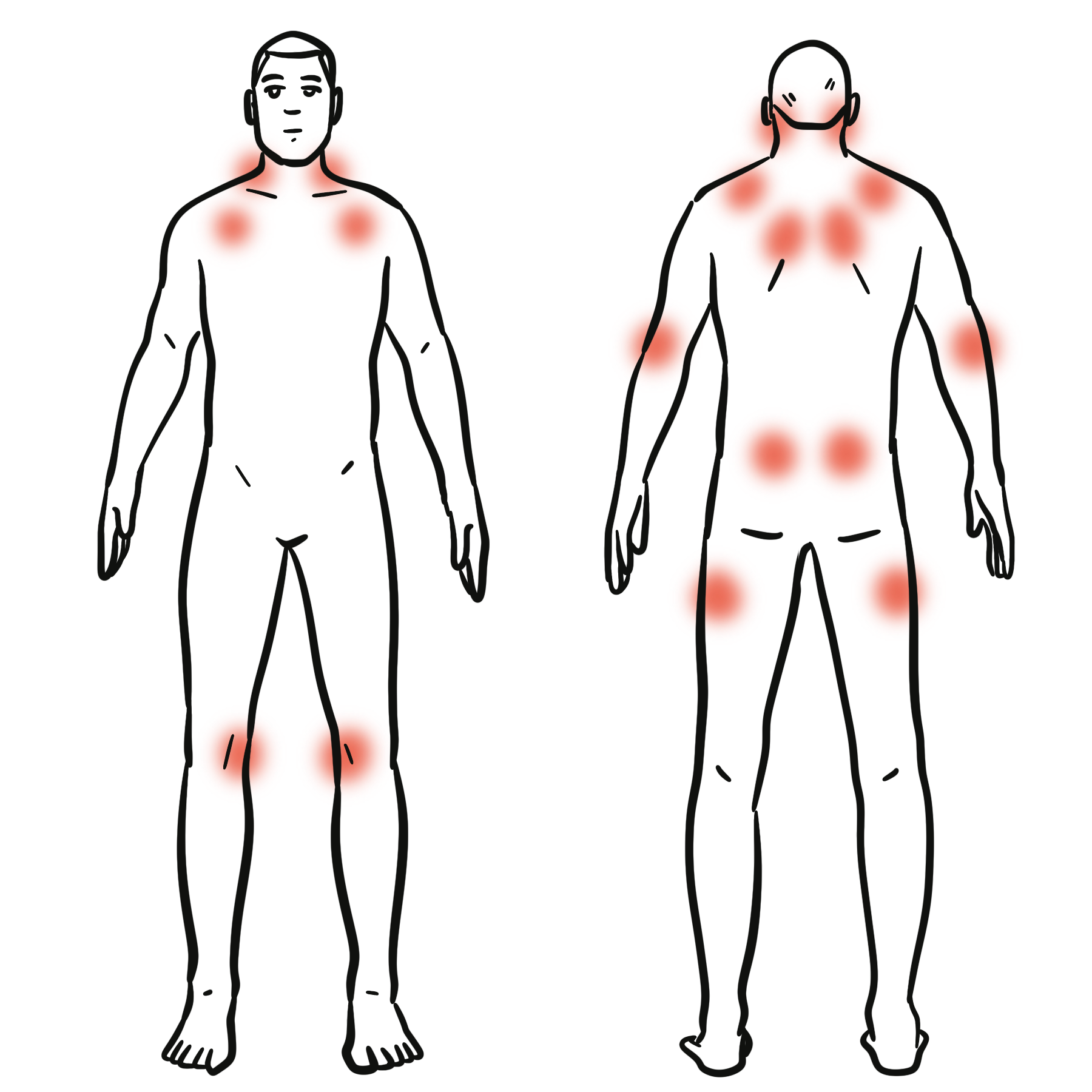
Overview
Chronic widespread pain (CWP) is a nociplastic pain phenotype defined by persistent (≥3 months) pain affecting multiple body regions, with high comorbidity with fatigue, sleep disturbance, mood symptoms and functional impairment. The pooled global prevalence is ~10% (women>men), with higher rates in lower-HDI settings. CWP is recognised in ICD-11 within the chronic primary pain family (fibromyalgia is included).
Major complications include work disability, reduced quality of life and increased all-cause mortality—largely mediated by adverse lifestyle factors—highlighting the need for person-centered, non-drug first care.
Definition
Nociplastic pain: pain from altered nociception without clear tissue damage or somatosensory lesion.
Chronic primary pain (ICD-11): chronic pain as a disease in its own right, with emotional distress/functional disability disproportionate to identifiable pathology; chronic widespread pain is a subgroup (MG30.01) with fibromyalgia listed under it.
Widespread Pain Index (WPI): count of painful sites (0–19) used to quantify pain diffuseness.
“Tender points” are not required for CWP case definition; distribution and duration are.
Classification
Chronic widespread pain is classified under chronic primary pain according to the International Classification of Diseases, 11th Revision (ICD-11). Chronic Primary Pain is pain that persists for ≥3 months and is not better explained by another condition. It is considered a disease in its own right, often associated with emotional distress or functional disability. Examples of chronic primary pain:
- Chronic widespread pain (CWP)
- Fibromyalgia
- Complex regional pain syndrome (CRPS)
- Chronic primary headache
- Chronic primary visceral pain (e.g., irritable bowel syndrome)
- Chronic primary musculoskeletal pain (e.g., non-specific low back pain)
Anatomy & Physiology
- Ascending pathways: peripheral A-delta/C fibres → dorsal horn → spinothalamic/limbic projections → thalamus → S1/S2, insula, anterior cingulate.
- Descending modulation: PAG–RVM circuits modulate dorsal horn via monoamines (5-HT/NA) and endogenous opioids.
- Sleep–pain crosstalk: slow-wave sleep supports descending inhibition; deprivation augments temporal summation.
- Autonomic–HPA axis: sympathetic arousal and cortisol rhythms influence pain thresholds and fatigue.
Changes in sleep and stress biology can shift pain gain as much as structural findings on imaging.
Aetiology & Risk Factors
Aetiology (multifactorial)
- Central sensitisation with impaired descending inhibition (nociplastic mechanism).
- Neuroimmune/glial activation within pain networks (insular/ACC circuits).
- Multisite pain loading and prior regional pains predispose to generalisation.
- Biopsychosocial drivers: adverse life events, psychological distress, deconditioning.
- Female sex, midlife
- Sleep problems (initiation/maintenance/early awakening/non-restorative sleep)
- Fatigue (independent predictors over 5–18 years)
- Higher baseline number of pain sites
- Low socioeconomic/HDI
- Obesity/inactivity
- Anxiety/depression
Ask first about sleep quality and number of pain sites—both predict onset and persistence.
Pathophysiology
- Predisposition (sex, genetics, early adversity, low SES) → lower thresholds for central pain amplification.
- Triggers (regional pain, injury/stress, sleep disruption) → increased peripheral input and stress reactivity.
- CNS changes: augmented temporal summation, reduced conditioned pain modulation, altered insula/ACC connectivity and neurotransmitters (↓NA/5-HT, ↑glutamate); glial activation sustains hyperexcitability.
- Systemic correlates: autonomic dysregulation and sleep fragmentation perpetuate pain and fatigue → generalisation from regional to widespread pain.
Objective inflammation or neuropathic deficits point to secondary causes—reframe diagnosis if present.
Clinical Manifestations
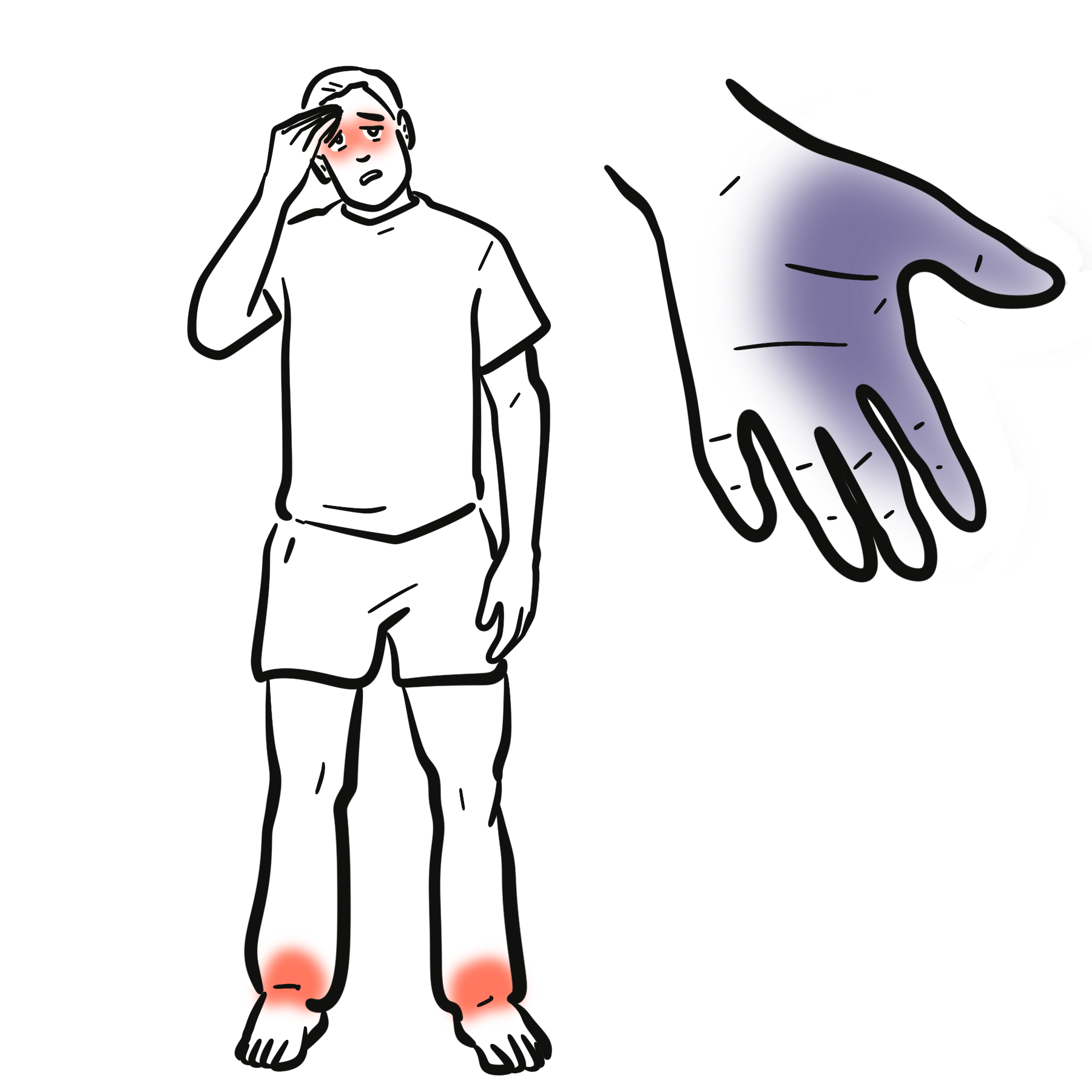
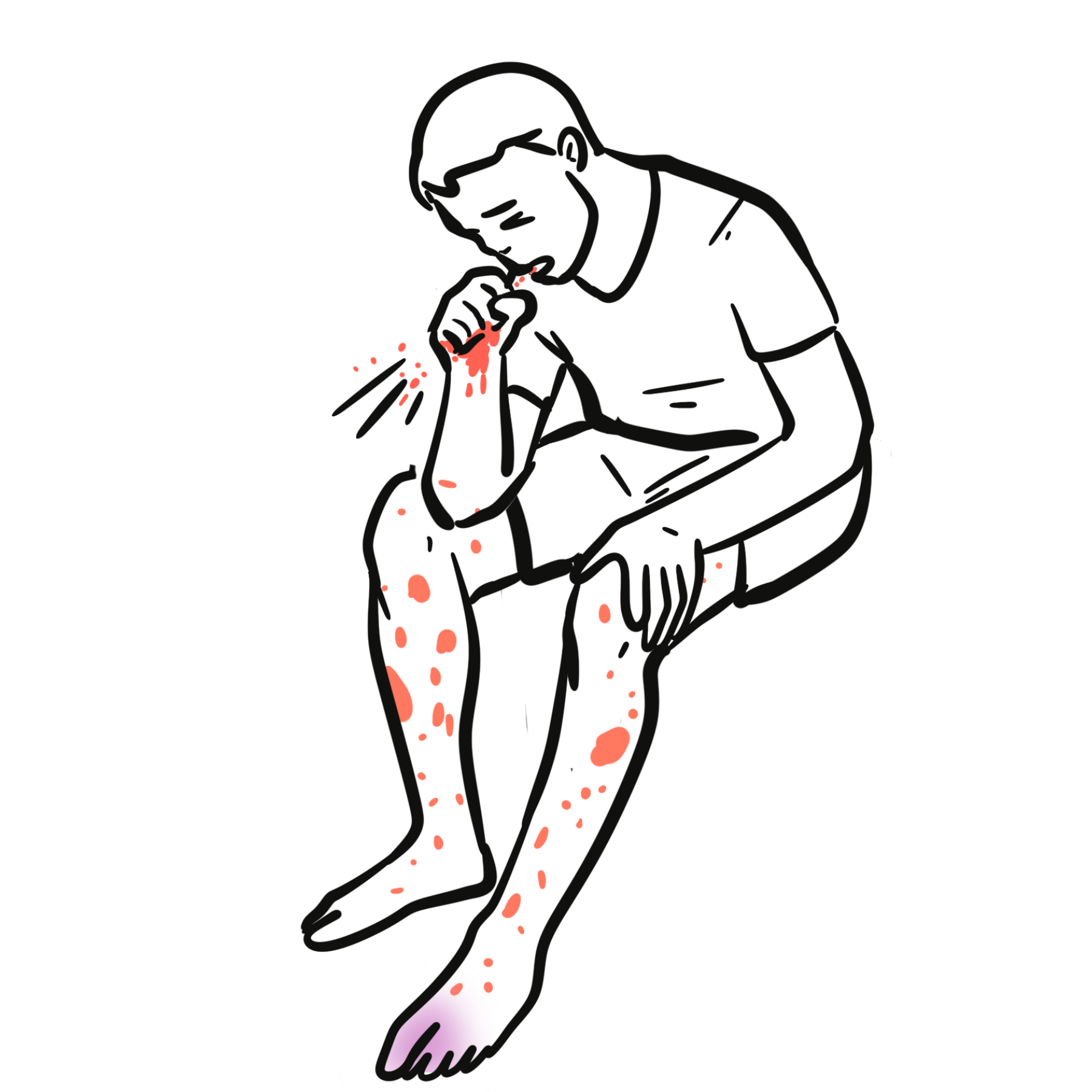
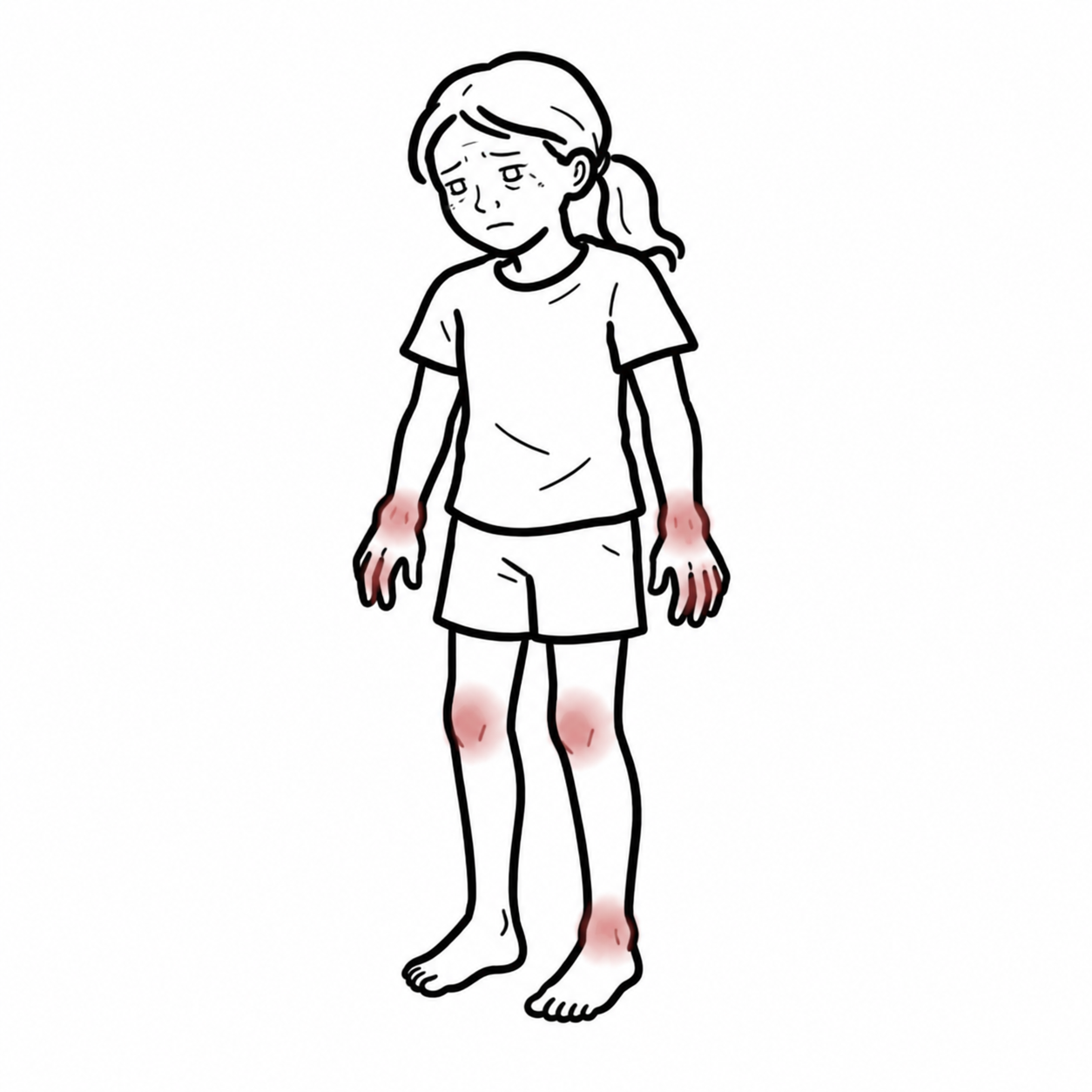
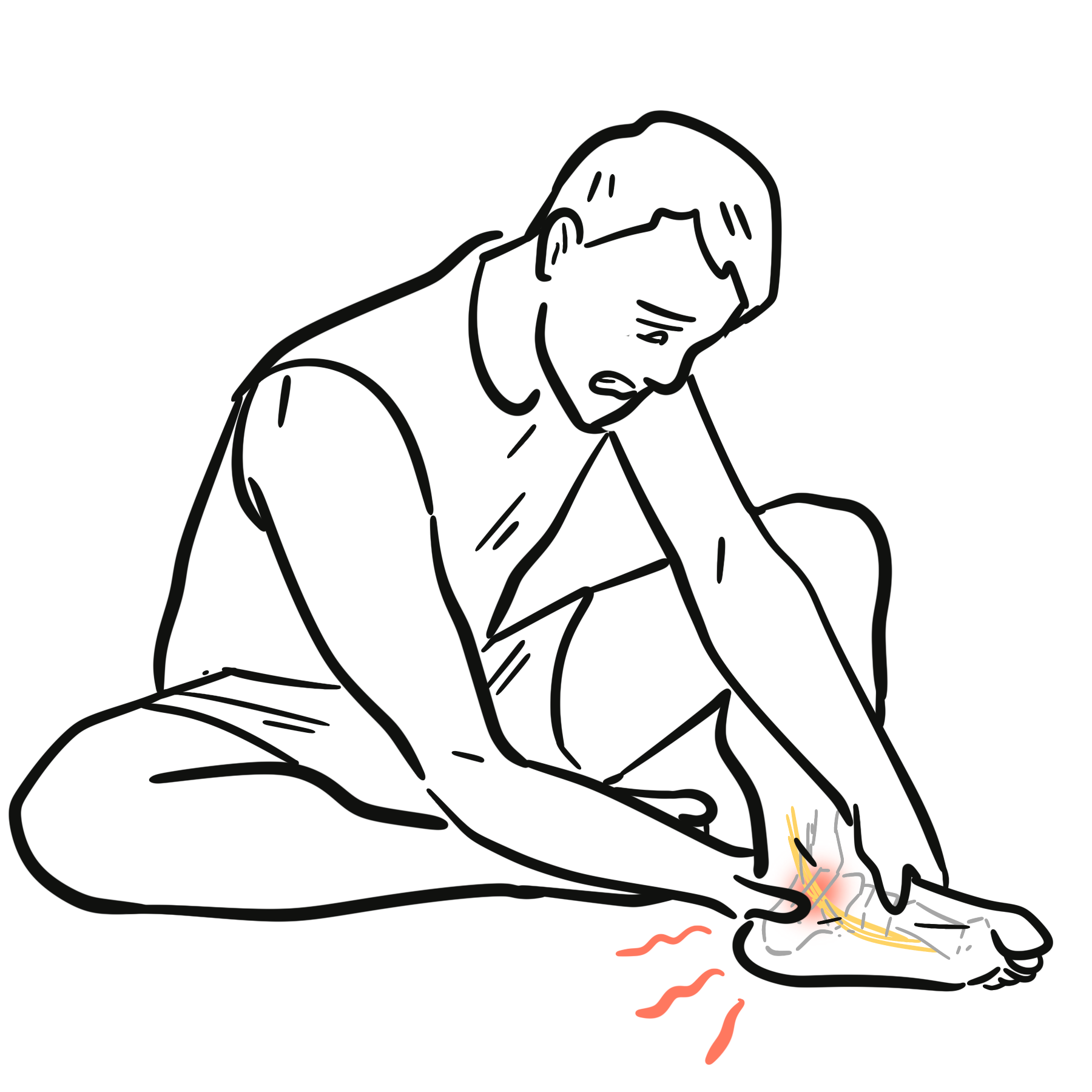
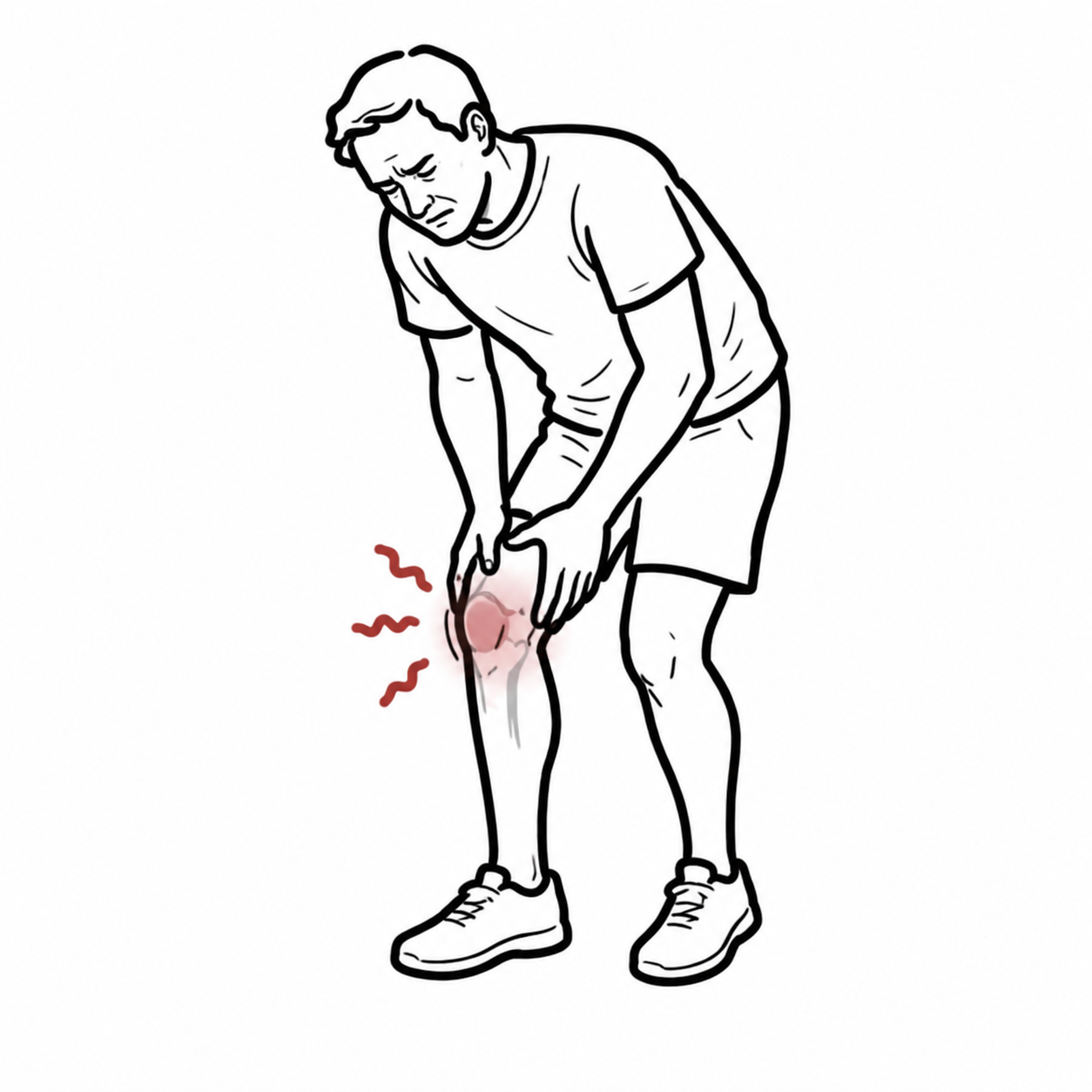
- Pain: chronic (≥3 months), widespread or multisite; migratory/variable intensity; hyperalgesia/allodynia to light pressure.
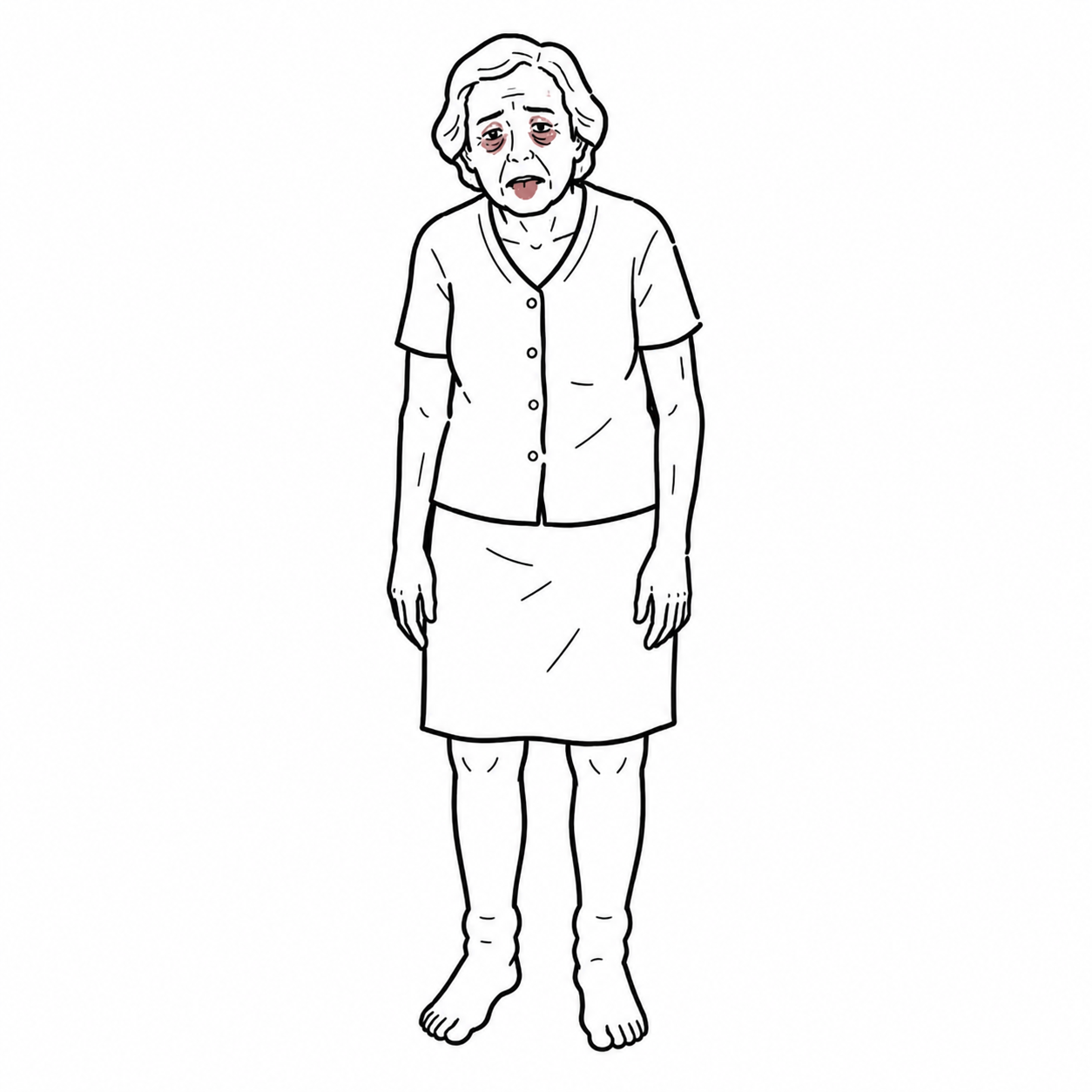
- Somatic symptoms: fatigue, morning stiffness, headaches/migraine, paresthesias, irritable bowel/bladder, TMJ pain.
- Sleep/cognitive: non-restorative sleep, insomnia, “brain-fog” (attention/processing speed).
- Mood/autonomic: anxiety/depression common; orthostatic intolerance, palpitations, thermodysregulation.
- Clinical Examination
- Normal joint exam
- Normal neurological exam
- Diffuse tenderness to ~4 kg pressure
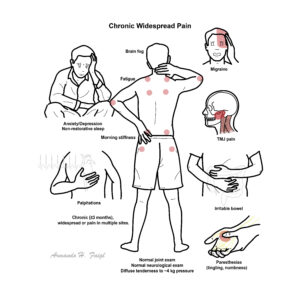
Triad: Widespread pain + Fatigue + Non-restorative sleep.
Severity tracks with polysymptomatic distress (WPI + symptom burden), not imaging findings.
Diagnosis
2019 WP (ACTTION-APS) Case Definition for CWP
To meet the case definition for Chronic Widespread Pain (CWP):
- Duration:
- Pain must be present for ≥3 months.
- Distribution:
- Pain must be present in at least 4 of 5 body regions, which are:
- Left upper region (includes shoulder, arm)
- Right upper region
- Left lower region (includes hip, leg)
- Right lower region
- Axial region (neck, back, chest, abdomen)
- Pain must be present in at least 4 of 5 body regions, which are:
- Exclusion of jaw, chest, and abdominal pain as regions:
- While axial pain is required, pain solely in the chest, jaw, or abdomen does not count toward the 4-region criterion.
- Widespread pain must not be explainable by another condition.
Investigations (rule-out/minimise over-testing): FBC, ESR/CRP, TSH, CMP ± CK; screen for OSA when indicated; B12/ferritin if fatigue; autoimmune serology only if clinical suspicion (e.g., synovitis/rashes). NICE encourages person-centred assessment and avoids indiscriminate testing
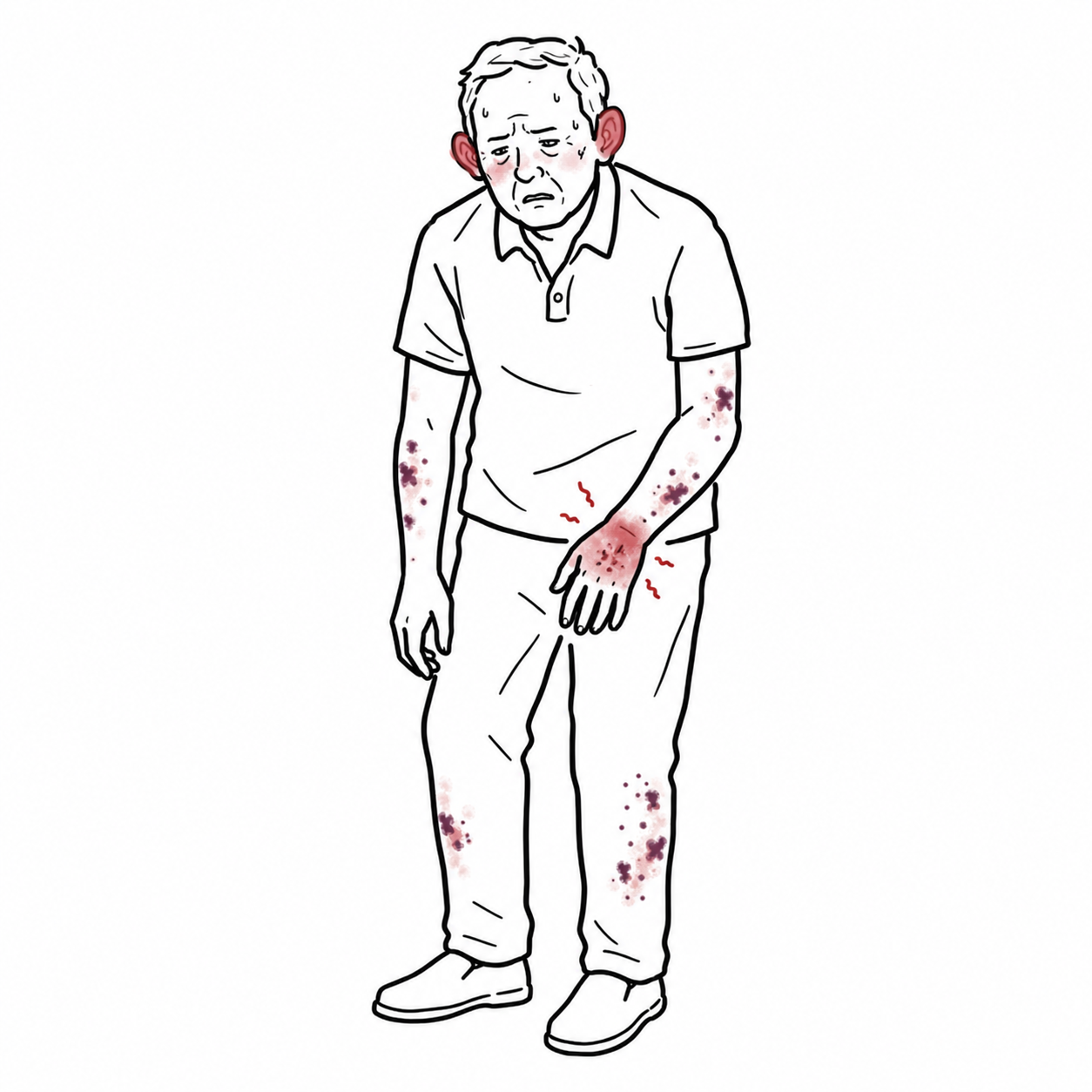
- Fibromyalgia (meets ACR 2016 FM criteria with higher symptom burden, but phenotypes overlap).
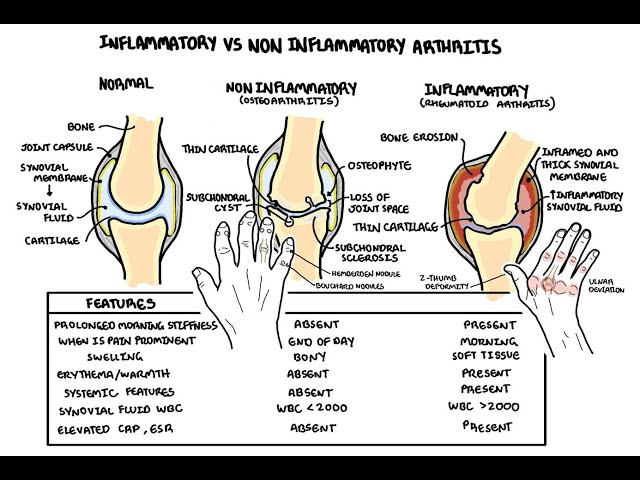
- Inflammatory rheumatic disease (objective synovitis, raised CRP/ESR, erosions).
- Hypothyroidism (TSH↑, clinical features).
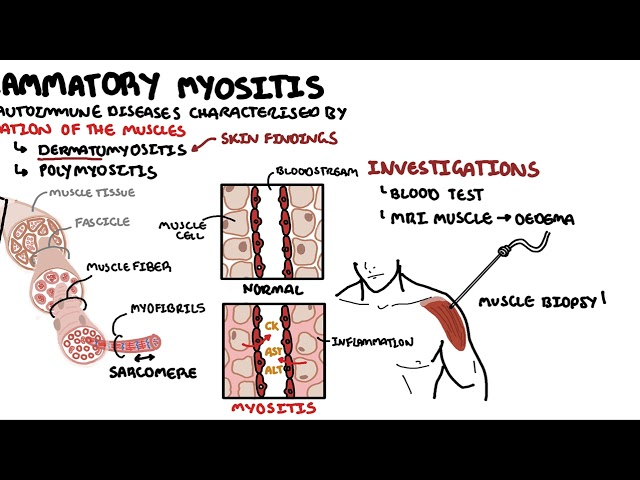
- Myopathies (objective weakness, CK↑).
- Small fibre neuropathy (length-dependent burning, reduced IENFD).
- Polymyalgia rheumatica (older age, shoulder/hip girdle stiffness, CRP/ESR↑).
When patient-reported disease activity is high but CRP/ESR and exam are silent, consider coexisting CWP amplifying symptoms.
Treatment
- General measures
- Medications (for chronic primary pain)
- Consider antidepressants (e.g., amitriptyline, duloxetine, fluoxetine, paroxetine, sertraline, citalopram) after shared decision-making; review regularly for benefit–harm.
- NSAIDs
- Do not initiate opioids, benzodiazepines, antiepileptics (except as part of specialist care)
- Address comorbidities
Exercise has the most consistent benefit across pain, function and QoL; start low, go slow to avoid post-exertional flares.
If multiple drugs at moderate doses fail, rebuild the non-pharmacologic base (sleep–activity–psychology) rather than stacking medications.
Complications & Prognosis
Complications
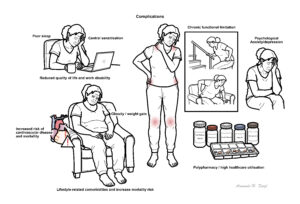
- Functional limitation, reduced QoL and work participation; high healthcare use/polypharmacy; excess mortality relative to non-CWP peers—attenuated by addressing lifestyle risks (physical inactivity, smoking, diet, obesity).
Prognosis
Fluctuating but modifiable course; many improve with multicomponent care; poorer prognosis with high symptom burden, severe sleep disturbance, persistent psychosocial stressors and multiple pain sites.
Tackling lifestyle mediators (activity, weight, smoking) is part of mortality-risk reduction in CWP.
References
- Wolfe F, Butler SH, Fitzcharles MA, et al. Revised chronic widespread pain criteria: development from and integration with fibromyalgia criteria. Scand J Pain. 2020;20(1):77-86. (De Gruyter Brill)
- Treede R-D, Rief W, Barke A, et al. Chronic pain as a symptom or a disease: the IASP classification of chronic pain for ICD-11. Pain. 2019;160(1):19-27. (The Erythromelalgia Association)
- NICE Guideline NG193. Chronic pain (primary and secondary) in over 16s: assessment of all chronic pain and management of chronic primary pain. 2021. (NICE)
- Andrews P, Steultjens M, Riskowski J. Chronic widespread pain prevalence in the general population: a systematic review. Eur J Pain. 2018;22(1):5-18. (Wiley Online Library)
- Aili K, Andersson M, Bremander A, et al. Sleep problems and fatigue as predictors for the onset of chronic widespread pain over a 5- and 18-year perspective. BMC Musculoskelet Disord. 2018;19:390. (BioMed Central)
- Macfarlane GJ, Barnish MS, Jones GT. Persons with chronic widespread pain experience excess mortality: longitudinal results from UK Biobank and meta-analysis. Ann Rheum Dis. 2017;76(11):1815-1822. (ard.bmj.com, aura.abdn.ac.uk)
- Butler S, Landmark T, Glette M, Borchgrevink P, Woodhouse A. Chronic widespread pain – the need for a standard definition. Pain. 2016;157(3):541-543. (De Gruyter Brill)




Members only discussions coming soon…