

Visual explanationFree resource
Visual medical education by Armando Hasudungan
Medical science, drawn into focus.
Explore visual explanations that reveal how the facts, processes and clinical patterns fit together—then discover the coming AH study platform, built to guide what you study next and check what stuck.
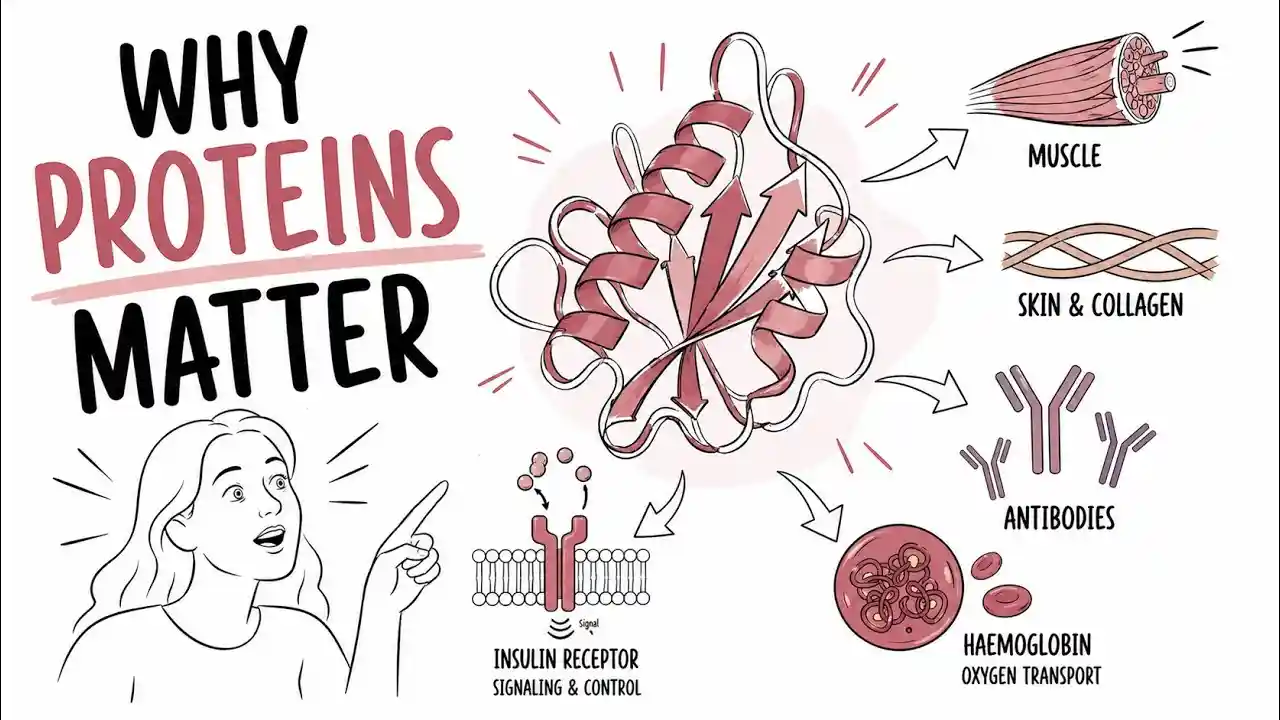
Connected studyComing soon
Clear visual explanations used by medical and allied-health learners around the world.
Explore the free library
Start with the topic in front of you.
Browse by subject or jump straight into the explanation you need. No account required.
Complex Regional Pain Syndrome (CRPS)
Overview CRPS is a disproportionate, regional pain syndrome of a limb that typically follows injury or surgery and features sensory, vasomotor, sudomotor/oedema, and motor/trophic changes. The prevalence after limb fracture/surgery varies widely (≈1–7% overall, higher in some distal radius cohorts) and early recognition with rehabilitation improves outcome. Important risk factors include fracture (especially wrist/ankle), immobilisation,…
View topic ↗Somatoform Disorders
Overview Doctors and patients often experience frustration and helplessness in consultations around medically unexplained symptoms. Up to 50 percent of primary care patients present with physical symptoms that cannot be explained by a general medical condition. Although most do not meet the strict psychiatric diagnostic criteria for one of the somatoform disorders, they can be referred to…
View topic ↗Endometrial Cancer
Overview Endometrial carcinoma is an epithelial malignancy of the uterine corpus mucosa, usually an adenocarcinoma. Endometrial carcinoma is the most common female genital tract malignancy. Postmenopausal bleeding always needs to be investigated because it can indicate malignant disorders and premalignant conditions, such as endometrial hyperplasia. The most common etiology of postmenopausal bleeding is atrophic endometritis or vaginitis. Menopause:…
View topic ↗Lambert-Eaton Myasthenic Syndrome
Overview Lambert–Eaton myasthenic syndrome (LEMS) is a rare autoimmune disorder of the presynaptic neuromuscular junction. It causes impaired acetylcholine release, producing the characteristic triad of proximal muscle weakness, reduced reflexes and autonomic dysfunction. LEMS may occur as a paraneoplastic syndrome—most commonly associated with small-cell lung cancer (SCLC)—or as a non-tumour-associated autoimmune disorder. Neuromuscular junction: connection…
View topic ↗Mesenteric Ischaemia
Aetiology and Risk Factors Aetiology Acute mesenteric ischemia can result from occlusion of a mesenteric vessel arising from an embolus, which may emanate from an atheroma of the aorta or cardiac mural thrombus, or from primary thrombosis of a mesenteric vessel, usually at a site of atherosclerotic stenosis. Embolic occlusion is more common in the…
View topic ↗Digoxin Toxicity
75 year old presents to emergency with a 2 day history nausea, vomiting, abdominal pain and diarrhoea. He has not been tolerating oral fluids and is currently confused with a GCS of 14. He has a past medical history of heart failure, atrial fibrillation and chronic kidney injury. He is on digoxin, metoprolol and an…
View topic ↗Birth Defects
Overview Birth defects are the leading cause of perinatal and post- neonatal deaths, and result in substantial morbidity and disability in developed countries. There is a wide variety of mechanisms including genetic, environmental and multifactorial. Major birth defects affect 2–3% of live-borns, and minor birth defects affect 15%. Preventative strategies remain limited, but include maternal folic acid supplementation,…
View topic ↗Full resource library
Browse all topics ↗Choose how you learn
One idea. More than one way to see it.
Use the format that helps the topic click, then switch formats when you need to reinforce it.
01 / WATCH02 / READ03 / SEE04 / CHECK
Videos
Hand-drawn explanations that build the big picture as the concept unfolds.
Notes
Clear written explanations for review, reference and filling in the details.
Diagrams
Visual snapshots that help you easily review topics.
Questions
Test whether the explanation stayed with you—not just whether it looked familiar.
Good places to begin
Explanations learners return to.
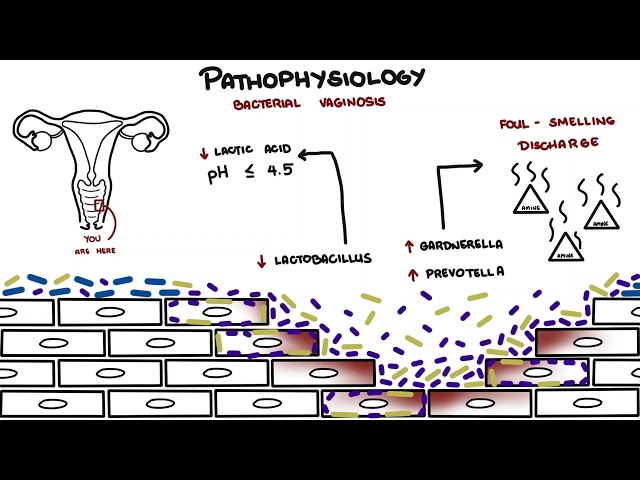
Bacterial Vaginosis
Learn about bacterial vaginosis, a common vaginal condition caused by an imbalance in the normal bacterial flora. This video explains its symptoms, underlying microbiology, risk factors, diagnostic methods, and available treatments.
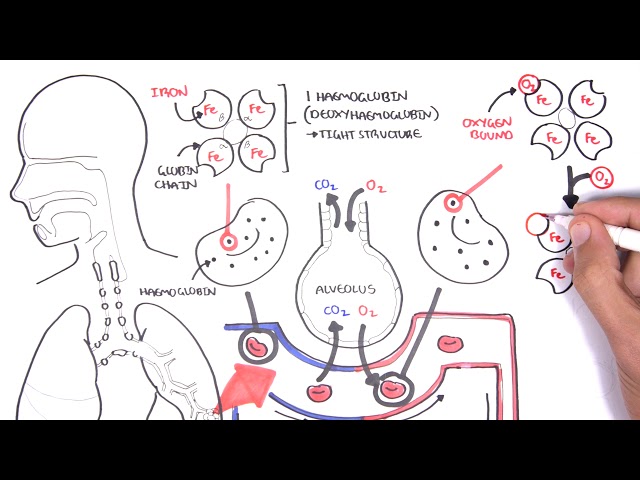
Oxygen – Haemoglobin Dissociation Curve – Physiology
This video explains the oxygen-haemoglobin dissociation curve, detailing how oxygen binds and releases from haemoglobin under varying physiological conditions. Understand key factors affecting oxygen delivery and uptake essential for respiratory and cardiovascular health.
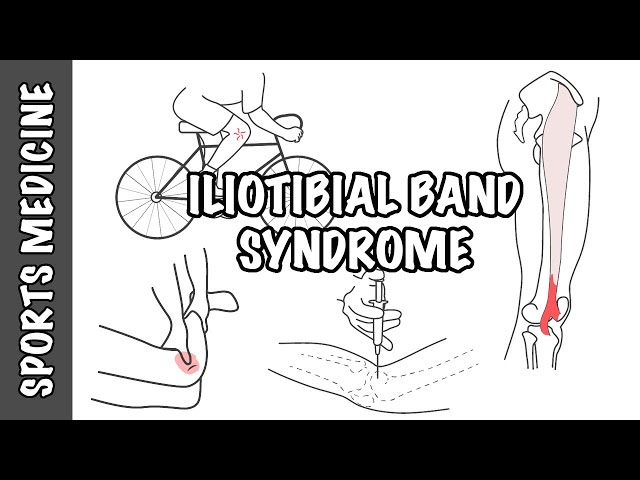
Iliotibial Band Syndrome (ITBS) – Overview
Iliotibial band syndrome is a common overuse injury, causing pain at the outside of the knee. It is typically seen in runners and cyclists. The sudden pain is localised in the outer knee where the iliotibial band courses over the lateral femoral epicondyle.
Our mission
Medical science is complex. Understanding it should feel possible.
Armando Hasudungan turns difficult medical science into clear visual explanations and connected learning experiences—so learners can see the whole picture, remember what matters and find a clearer way forward.
See it clearly
Turn abstract processes and invisible relationships into something the learner can picture.
Connect the pieces
Build understanding around how concepts fit together—not a pile of isolated facts.
Make it useful
Help learners move from explanation to recall, revision and the next logical step.
What clarity feels like
When the topic stops being a blur.
Learners do not come back because the subject became easy. They come back because the explanation gave them a picture they could work with.
“Armando's teaching style gives me the foundational knowledge.
Jessica Payne-Burnett
Medical Student, Charles Sturt University
“The notes I make during his videos help me retain everything better.
Ayesha RaiStudent, Islamabad Medical and Dental College
“The drawings are amazing and super easy to remember.
Reem Mohamed Khair Abdalrazig
Student, Neelain University
Coming soon: the AH study platform
The explanation is only the start.
The free library helps you find a clear explanation. The AH platform is being built to help you connect the resources, follow a clearer path and check what actually stuck.
- Watch in a focused, ad-free study environment.
- Move between connected videos, notes, diagrams and questions.
- Know what belongs next instead of rebuilding the study path yourself.
- Test your understanding while the topic is still fresh.
New and worth a look
Keep building the picture.
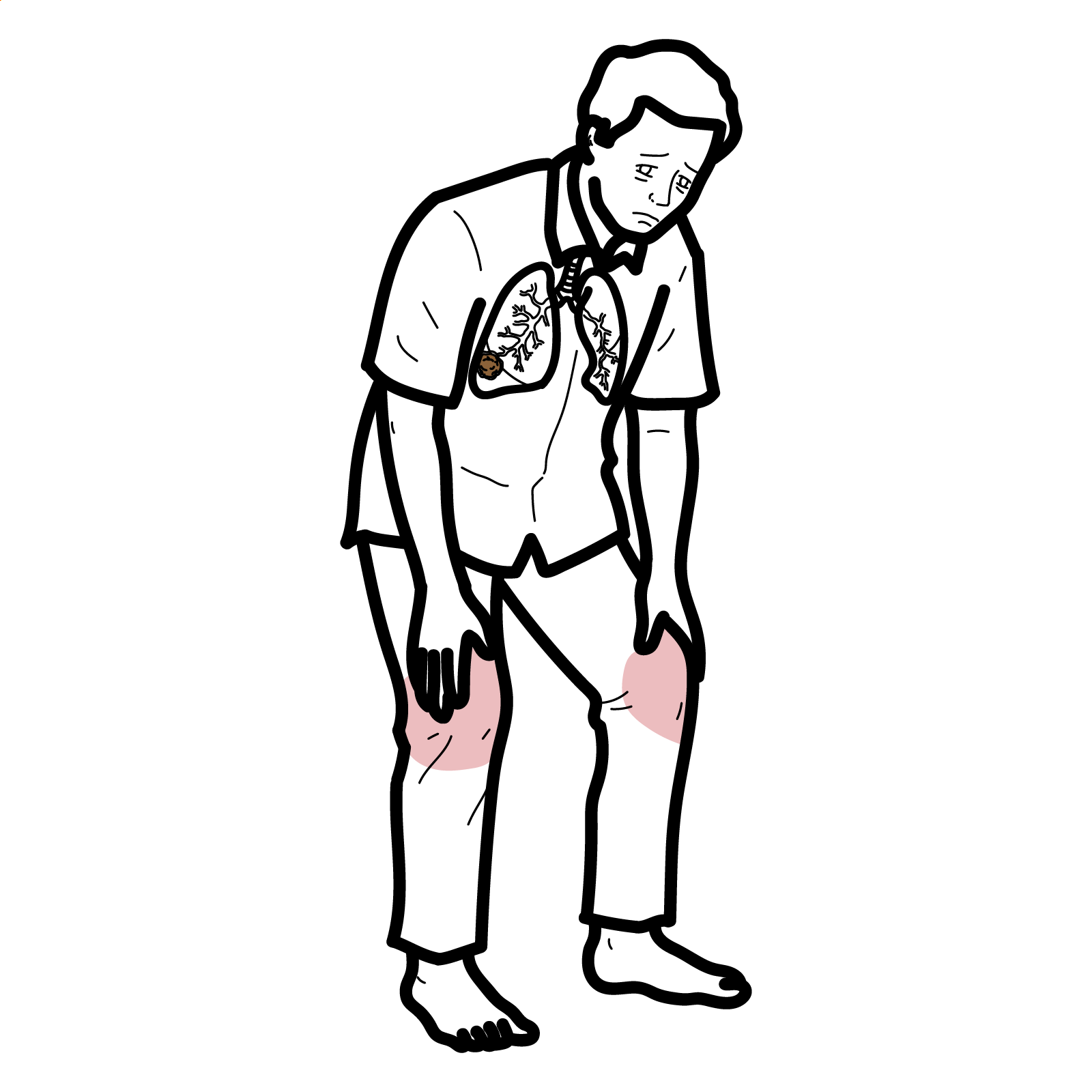
Lambert-Eaton Myasthenic Syndrome
Overview Lambert–Eaton myasthenic syndrome (LEMS) is a rare autoimmune disorder of the presynaptic neuromuscular junction. It causes impaired acetylcholine release, producing the characteristic triad of proximal muscle weakness, reduced reflexes and autonomic dysfunction. LEMS may occur as a paraneoplastic syndrome—most commonly associated with small-cell lung cancer (SCLC)—or as a non-tumour-associated autoimmune disorder. Neuromuscular junction: connection…
View this topic ↗About Visualising Medicine
Good education does not remove complexity. It makes complexity feel simple.
Visualising Medicine is the team behind Armando Hasudungan. We bring together medicine, illustration, writing and technology to make difficult ideas clearer—and build better ways for learners to use them.