

Visual explanationFree resource
Visual medical education by Armando Hasudungan
Medical science, drawn into focus.
Explore visual explanations that reveal how the facts, processes and clinical patterns fit together—then discover the coming AH study platform, built to guide what you study next and check what stuck.
Connected studyComing soon
Clear visual explanations used by medical and allied-health learners around the world.
Explore the free library
Start with the topic in front of you.
Browse by subject or jump straight into the explanation you need. No account required.
Delirium
Overview Delirium is a neuropsychiatric syndrome characterized by a disturbance in consciousness and cognition. It typically presents as an acute confusional state , with inattention as its core symptom. Unfortunately, the diagnosis of delirium is often delayed or missed, especially the hypoactive form that is common in older persons. Delirium : Cognitive impairment typically caused…
View topic ↗Post‑splenectomy Immunodeficiency
Overview Post‑splenectomy immunodeficiency refers to the increased susceptibility to infection following removal (or functional loss) of the spleen. The spleen plays a critical role in filtering bloodborne pathogens, especially encapsulated bacteria, and in mounting both innate and adaptive immune responses. Loss of splenic function leads to impaired opsonisation, reduced IgM production, and defective clearance of…
View topic ↗Acute Coronary Syndrome
Overview Coronary artery obstruction or rupture can result in a variety of ischaemic condition which fall under the term of acute coronary syndrome. This does not include stable angina. Ischaemic heart disease is the leading cause of death world wide. The mortality of myocardial infarction is believed to be 45% with 70% of these deaths…
View topic ↗Umbilical and Epigastric Hernia
Overview Umbilical and Epigastric hernias are types of Primary Ventral abdominal wall hernias. Epigastric hernias are two to three times more common in men. Umbilical hernias are three times more likely in females. Most epigastric hernias contain preperitoneal fat, while most umbilical hernias contain omentum or bowel. These hernias are usually asymptomatic unless incarcerated, obstructed…
View topic ↗Miscarriage
Overview Miscarriage: Spontaneous abortion, or miscarriage, is defined as a clinically recognized pregnancy loss before the 20th week of gestation. Others define it as expulsion or extraction of an embryo or fetus weighing 500 g or less Abortion: After 20weeks Threatened miscarriage: A pregnancy less than 20 weeks’ gestation associated with vaginal bleeding, generally without cervical dilation.…
View topic ↗Acute Diabetes Complication (DKA, HHS, Hypoglycaemia)
Diabetic Ketoacidosis Ketoacidosis: A condition resulting from deficient insulin availability, leading to lipid oxidation and metabolism rather than glucose metabolism. The insulin absence results in free fatty acid (FFA) released from adipose tissue and in unregulated hepatic FFA oxidation and ketogenesis. Type I Diabetes: Autoimmune disease where there is attack of beta cells of the…
View topic ↗X-linked Agammaglobulinaemia (XLA / Bruton’s Disease)
Overview X-linked agammaglobulinaemia (XLA) is a rare primary immunodeficiency caused by mutations in the Bruton’s tyrosine kinase (BTK) gene , leading to failure of B-cell maturation. It results in profound hypogammaglobulinaemia and susceptibility to recurrent bacterial infections, particularly with encapsulated organisms. It usually presents after 6 months of age (once maternal IgG wanes). Prevalence is…
View topic ↗Full resource library
Browse all topics ↗Choose how you learn
One idea. More than one way to see it.
Use the format that helps the topic click, then switch formats when you need to reinforce it.
01 / WATCH02 / READ03 / SEE04 / CHECK
Videos
Hand-drawn explanations that build the big picture as the concept unfolds.
Notes
Clear written explanations for review, reference and filling in the details.
Diagrams
Visual snapshots that help you easily review topics.
Questions
Test whether the explanation stayed with you—not just whether it looked familiar.
Good places to begin
Explanations learners return to.
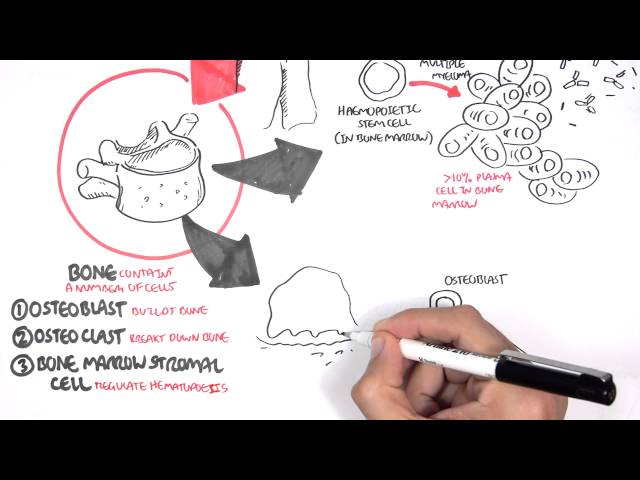
Multiple Myeloma – signs and symptoms, pathophysiology, treatment
Dive into Multiple Myeloma as we explore its hallmark signs and symptoms, underlying pathophysiology, and current treatment options. This video provides a concise and clinically relevant guide for students and healthcare professionals.
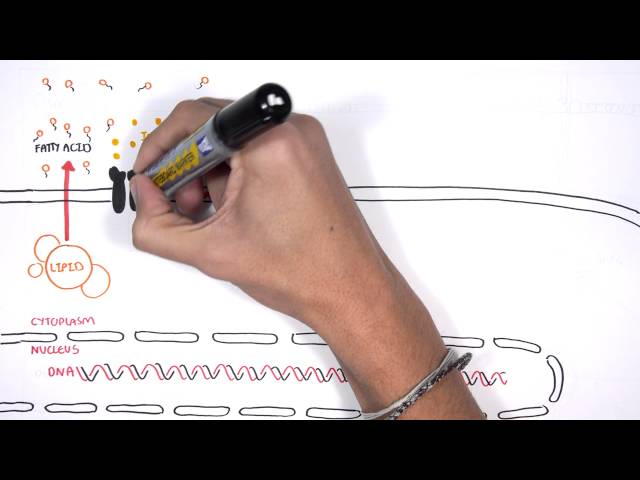
Insulin Signalling Pathway Minardo
Explore the insulin signaling pathway with the Minardo framework, highlighting key molecular steps from insulin receptor activation to glucose uptake. This video simplifies complex biochemical processes for better understanding of metabolic regulation and clinical relevance.
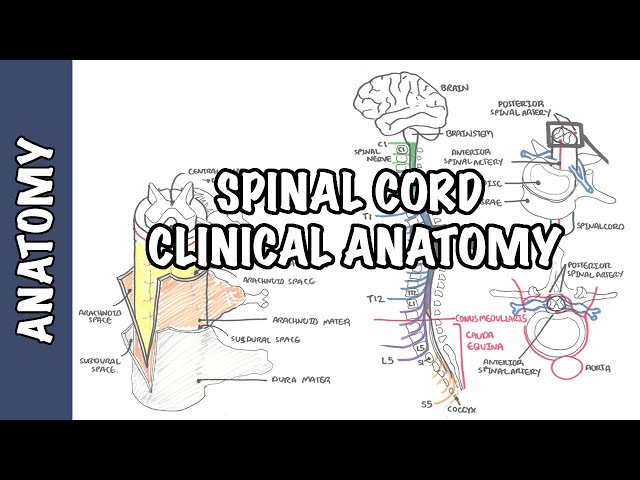
Spinal Cord – Clinical Anatomy and Physiology (dermatomes, blood supply, shingles, lumbar puncture)
Learn the key clinical anatomy and physiology of the spinal cord, including dermatomes, vascular supply, and procedures like lumbar puncture. This video also explains conditions such as shingles and their connection to spinal nerve pathways.
Our mission
Medical science is complex. Understanding it should feel possible.
Armando Hasudungan turns difficult medical science into clear visual explanations and connected learning experiences—so learners can see the whole picture, remember what matters and find a clearer way forward.
See it clearly
Turn abstract processes and invisible relationships into something the learner can picture.
Connect the pieces
Build understanding around how concepts fit together—not a pile of isolated facts.
Make it useful
Help learners move from explanation to recall, revision and the next logical step.
What clarity feels like
When the topic stops being a blur.
Learners do not come back because the subject became easy. They come back because the explanation gave them a picture they could work with.
“Armando's teaching style gives me the foundational knowledge.
Jessica Payne-Burnett
Medical Student, Charles Sturt University
“The notes I make during his videos help me retain everything better.
Ayesha RaiStudent, Islamabad Medical and Dental College
“The drawings are amazing and super easy to remember.
Reem Mohamed Khair Abdalrazig
Student, Neelain University
Coming soon: the AH study platform
The explanation is only the start.
The free library helps you find a clear explanation. The AH platform is being built to help you connect the resources, follow a clearer path and check what actually stuck.
- Watch in a focused, ad-free study environment.
- Move between connected videos, notes, diagrams and questions.
- Know what belongs next instead of rebuilding the study path yourself.
- Test your understanding while the topic is still fresh.
New and worth a look
Keep building the picture.
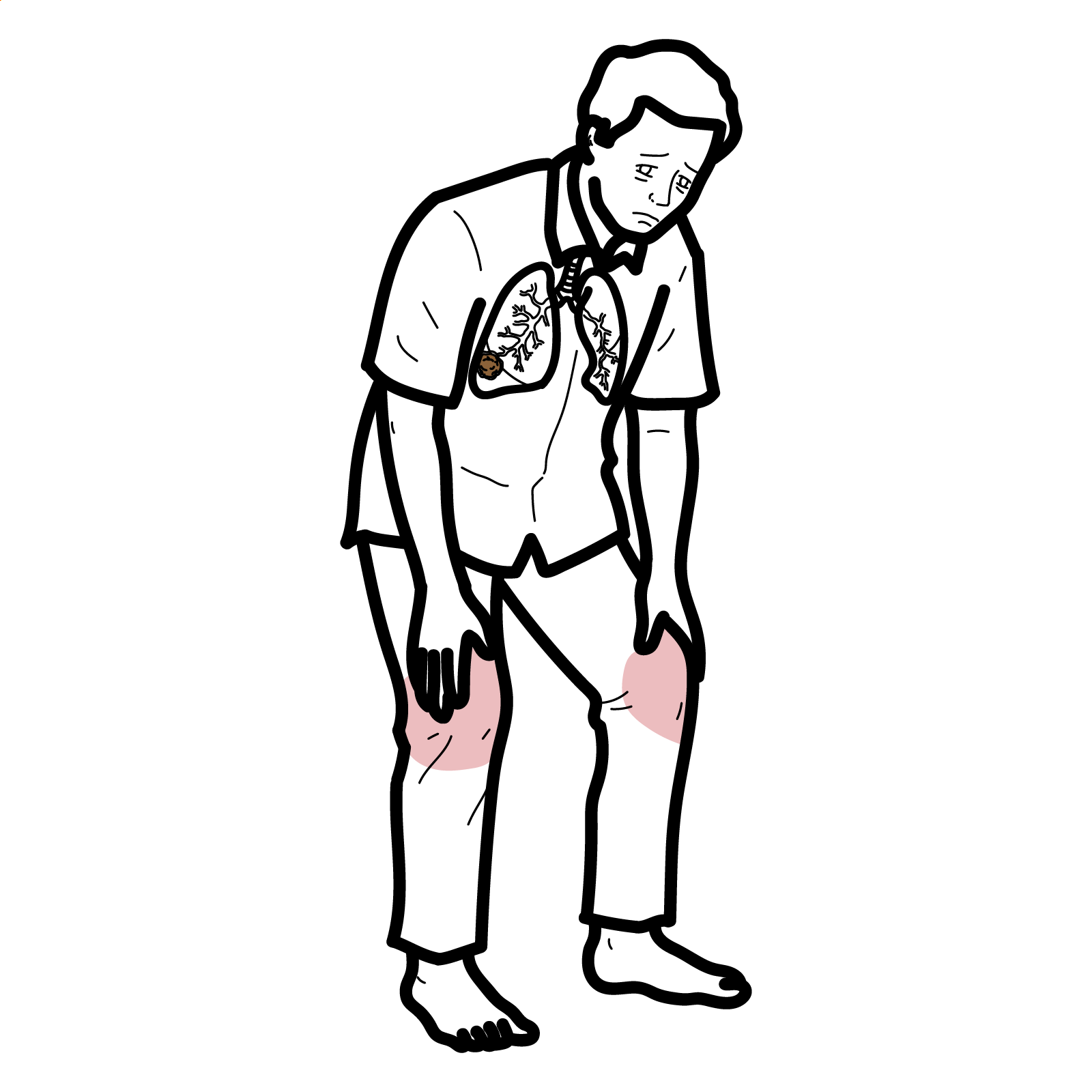
Lambert-Eaton Myasthenic Syndrome
Overview Lambert–Eaton myasthenic syndrome (LEMS) is a rare autoimmune disorder of the presynaptic neuromuscular junction. It causes impaired acetylcholine release, producing the characteristic triad of proximal muscle weakness, reduced reflexes and autonomic dysfunction. LEMS may occur as a paraneoplastic syndrome—most commonly associated with small-cell lung cancer (SCLC)—or as a non-tumour-associated autoimmune disorder. Neuromuscular junction: connection…
View this topic ↗About Visualising Medicine
Good education does not remove complexity. It makes complexity feel simple.
Visualising Medicine is the team behind Armando Hasudungan. We bring together medicine, illustration, writing and technology to make difficult ideas clearer—and build better ways for learners to use them.