

Visual explanationFree resource
Visual medical education by Armando Hasudungan
Medical science, drawn into focus.
Explore visual explanations that reveal how the facts, processes and clinical patterns fit together—then discover the coming AH study platform, built to guide what you study next and check what stuck.
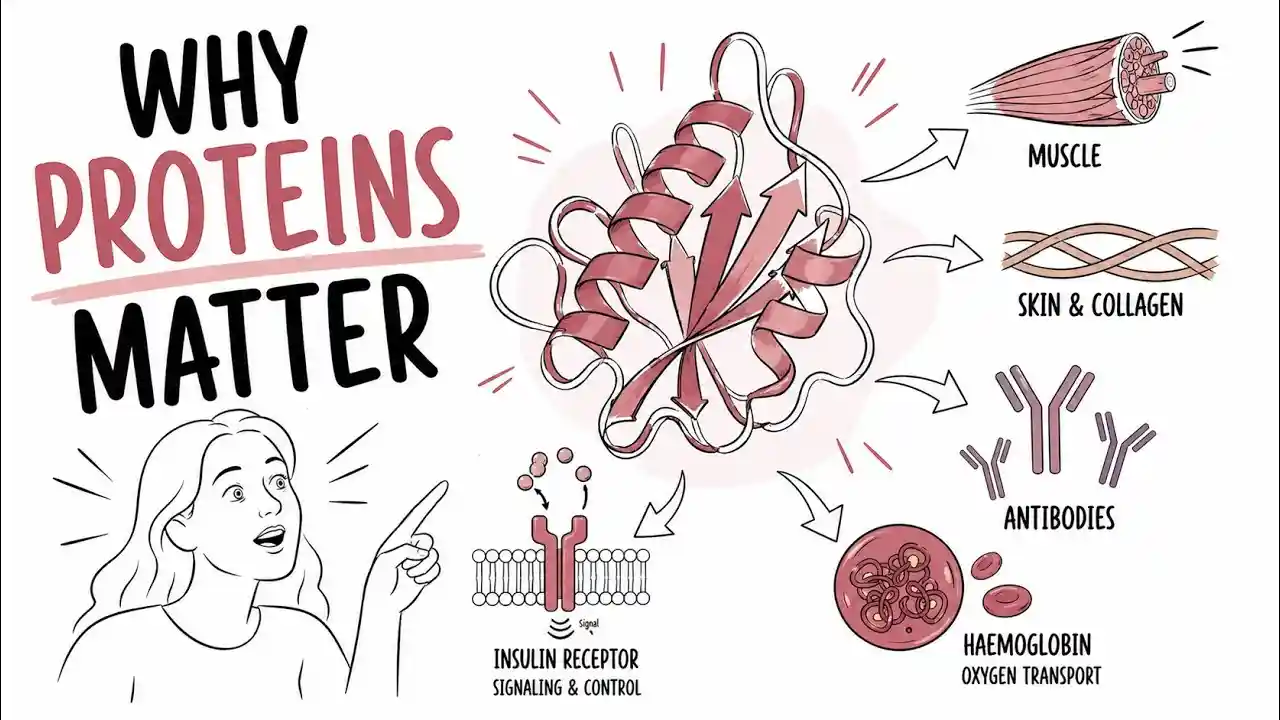
Connected studyComing soon
Clear visual explanations used by medical and allied-health learners around the world.
Explore the free library
Start with the topic in front of you.
Browse by subject or jump straight into the explanation you need. No account required.
Systemic Lupus Erythematosus
Overview Systemic Lupus Erythematosus (SLE) is a chronic, multisystem autoimmune disease characterized by the production of autoantibodies and the deposition of immune complexes in various tissues. It predominantly affects women of childbearing age, with a female-to-male ratio of approximately 9:1. The disease is more prevalent among individuals of African, Asian, and Hispanic descent, and its…
View topic ↗Digoxin Toxicity
75 year old presents to emergency with a 2 day history nausea, vomiting, abdominal pain and diarrhoea. He has not been tolerating oral fluids and is currently confused with a GCS of 14. He has a past medical history of heart failure, atrial fibrillation and chronic kidney injury. He is on digoxin, metoprolol and an…
View topic ↗Pre-operative Care
Overview Definition Perioperative Management refers to the period of time extending from the day prior to surgical intervention to several days after said intervention. It consists of the preoperative, intraoperative and postoperative period. Patient education Investigation used at surgery Coagulation status (ie. INR <2) Imaging scans for day of surgery Pre-operative care Aims: to provide…
View topic ↗Gallstone Disease
This section looks at gallstone disease in general. For info on cholecystitis specifically click here . Overview Gallstones, also called cholelithiasis, are solid deposits formed from components of bile, most commonly cholesterol or bilirubin. They usually develop within the gallbladder but may migrate into the biliary ducts. Gallstones range from very small particles to large stones…
View topic ↗Vasculitides
Classification Large-vessel vasculitis Takayasu arteritis Medium-sized vessel vasculitis Childhood polyarteritis nodosa Kawasaki Disease Small-vessel vasculitis Granulomatosis with polyangiitis (Wegener’s Syndrome) Eosinophilic granulomatosis with polyangiitis (Churg–Strauss syndrome) Henoch-Schönlein purpura (Spring Fever) Other vasculitides Behçet’s disease Kawasaki disease and HSP are the most common childhood vasculitis followed by PAN.
View topic ↗Ectopic Pregnancy
Overview Ectopic Pregnancy: A pregnancy in which the fetus develops outside the womb, typically in a fallopian tube. Amenorrhoea: Absence of mentruation. Laproscopy: A surgical procedure in which a fibre-optic instrument is inserted through the abdominal wall to view the organs in the abdomen or permit small-scale surgery. Laparotomy: A surgical incision into the abdominal cavity, for diagnosis…
View topic ↗Common Variable Immunodeficiency
Overview Common Variable Immunodeficiency (CVID) is the most frequent clinically significant primary antibody deficiency, characterised by hypogammaglobulinaemia and impaired antibody responses. It typically presents with recurrent bacterial infections, autoimmunity, granulomatous disease, and an increased risk of malignancy. CVID affects both sexes equally, with a prevalence of ~1 in 25,000–50,000 individuals. Diagnosis is often delayed, with…
View topic ↗Full resource library
Browse all topics ↗Choose how you learn
One idea. More than one way to see it.
Use the format that helps the topic click, then switch formats when you need to reinforce it.
01 / WATCH02 / READ03 / SEE04 / CHECK
Videos
Hand-drawn explanations that build the big picture as the concept unfolds.
Notes
Clear written explanations for review, reference and filling in the details.
Diagrams
Visual snapshots that help you easily review topics.
Questions
Test whether the explanation stayed with you—not just whether it looked familiar.
Good places to begin
Explanations learners return to.
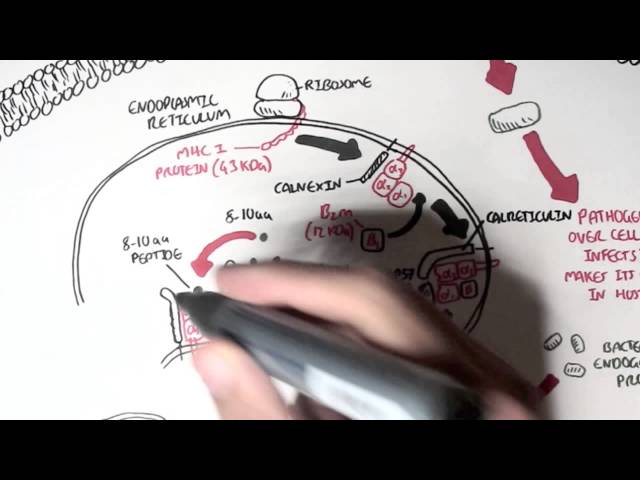
Immunology – MHC I Processing
Explore how MHC I molecules present intracellular antigens to cytotoxic T cells, a crucial step in immune surveillance against infected or abnormal cells. This video explains the antigen processing pathway, including proteasome degradation, peptide transport via TAP, and MHC I loading in the endoplasmic reticulum.
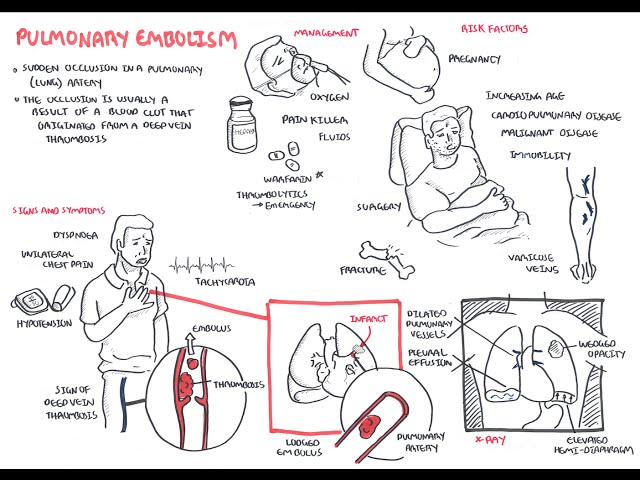
Pulmonary Embolism – Overview
Learn about pulmonary embolism, a life-threatening condition caused by a blood clot blocking arteries in the lungs. This video explains its pathophysiology, risk factors, clinical signs, diagnostic approach, and treatment options for prompt and effective management.

Monkeypox virus overview
Learn about the Monkeypox virus, a zoonotic infection related to smallpox that causes fever, rash, and lymphadenopathy. This video explains its transmission, symptoms, clinical course, and current strategies for diagnosis, prevention, and treatment.
Our mission
Medical science is complex. Understanding it should feel possible.
Armando Hasudungan turns difficult medical science into clear visual explanations and connected learning experiences—so learners can see the whole picture, remember what matters and find a clearer way forward.
See it clearly
Turn abstract processes and invisible relationships into something the learner can picture.
Connect the pieces
Build understanding around how concepts fit together—not a pile of isolated facts.
Make it useful
Help learners move from explanation to recall, revision and the next logical step.
What clarity feels like
When the topic stops being a blur.
Learners do not come back because the subject became easy. They come back because the explanation gave them a picture they could work with.
“Armando's teaching style gives me the foundational knowledge.
Jessica Payne-Burnett
Medical Student, Charles Sturt University
“The notes I make during his videos help me retain everything better.
Ayesha RaiStudent, Islamabad Medical and Dental College
“The drawings are amazing and super easy to remember.
Reem Mohamed Khair Abdalrazig
Student, Neelain University
Coming soon: the AH study platform
The explanation is only the start.
The free library helps you find a clear explanation. The AH platform is being built to help you connect the resources, follow a clearer path and check what actually stuck.
- Watch in a focused, ad-free study environment.
- Move between connected videos, notes, diagrams and questions.
- Know what belongs next instead of rebuilding the study path yourself.
- Test your understanding while the topic is still fresh.
New and worth a look
Keep building the picture.
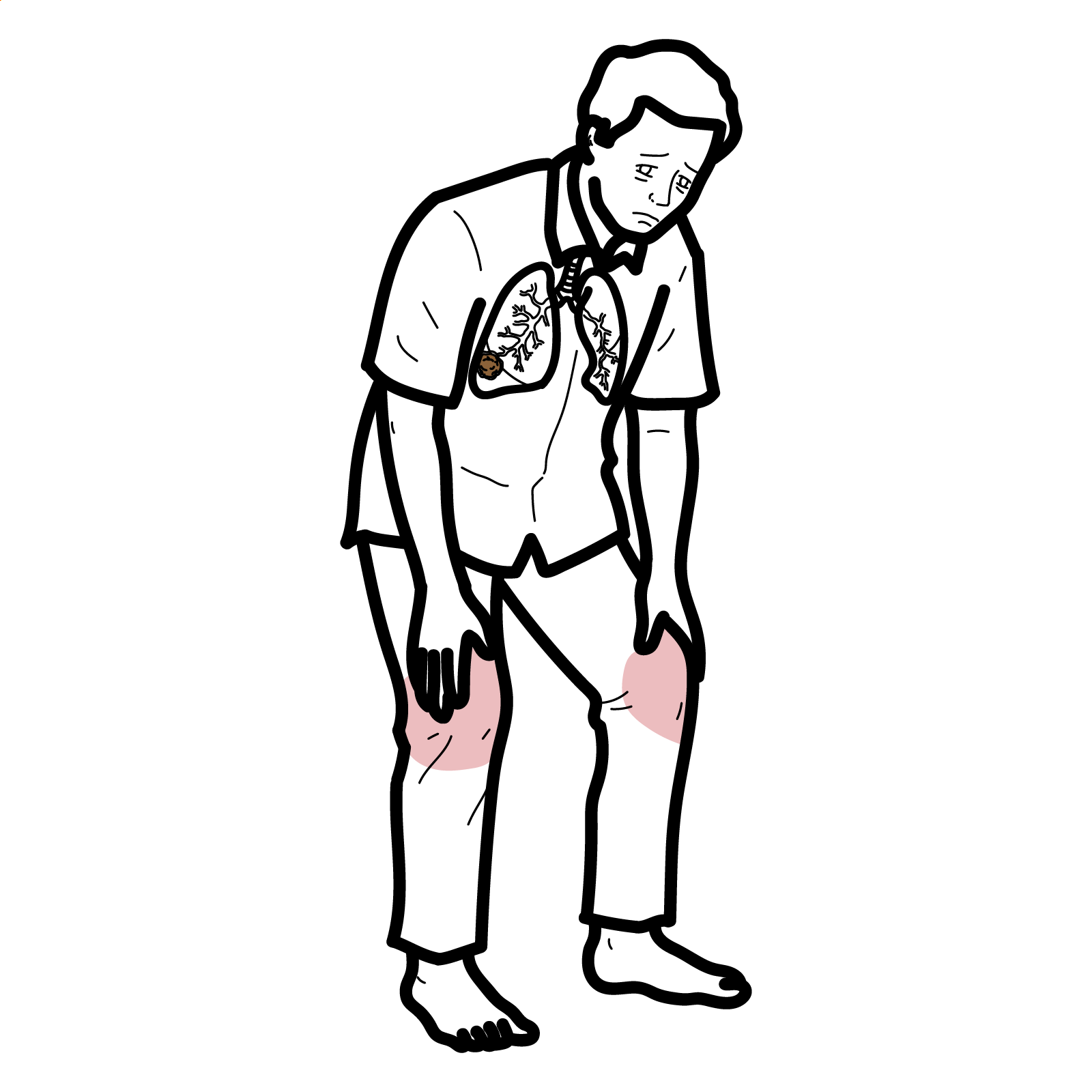
Lambert-Eaton Myasthenic Syndrome
Overview Lambert–Eaton myasthenic syndrome (LEMS) is a rare autoimmune disorder of the presynaptic neuromuscular junction. It causes impaired acetylcholine release, producing the characteristic triad of proximal muscle weakness, reduced reflexes and autonomic dysfunction. LEMS may occur as a paraneoplastic syndrome—most commonly associated with small-cell lung cancer (SCLC)—or as a non-tumour-associated autoimmune disorder. Neuromuscular junction: connection…
View this topic ↗About Visualising Medicine
Good education does not remove complexity. It makes complexity feel simple.
Visualising Medicine is the team behind Armando Hasudungan. We bring together medicine, illustration, writing and technology to make difficult ideas clearer—and build better ways for learners to use them.