

Visual explanationFree resource
Visual medical education by Armando Hasudungan
Medical science, drawn into focus.
Explore visual explanations that reveal how the facts, processes and clinical patterns fit together—then discover the coming AH study platform, built to guide what you study next and check what stuck.
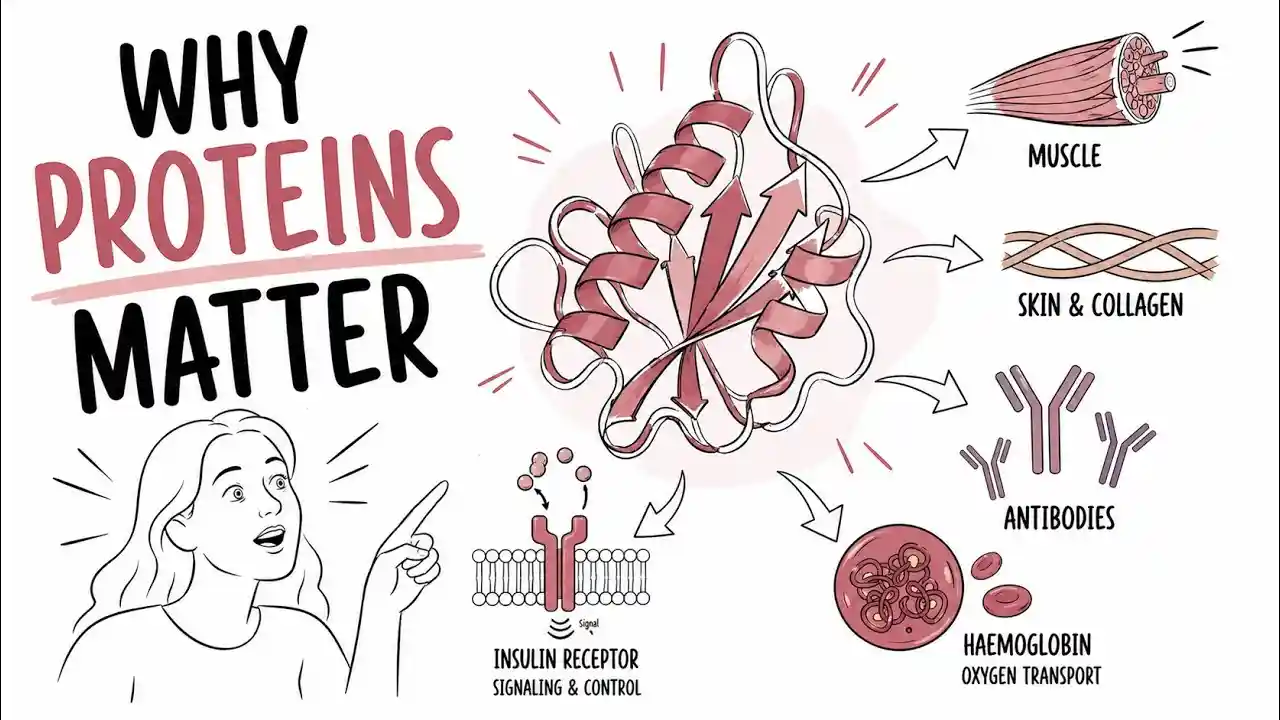
Connected studyComing soon
Clear visual explanations used by medical and allied-health learners around the world.
Explore the free library
Start with the topic in front of you.
Browse by subject or jump straight into the explanation you need. No account required.
Diverticular Disease
Overview Diverticula of the colon consist of outpouchings of mucous membrane through the muscle wall of the bowel. In the colon, diverticula are found most commonly in the sigmoid and descending colon, and become increasingly rare in passing from the left to the right side of the colon. They are unusual before the age of 40…
View topic ↗Iron Deficiency Anaemia
Overview In the clinical setting, iron deficiency is the most common cause of anaemia. Iron Deficiency is lack of iron in the body resulting from inadequate iron intake, increased iron loss and increased iron demand which can lead to anaemia. Iron is an integral part of haemoglobin the oxygen carrying protein. Without iron, oxygen is unable to…
View topic ↗Croup
Overview Croup, also known as largnotracheobronchitis, is a usually self limiting upper airway viral infection causing upper airway obstruction. Croup is more common in boys than in girls, usually occurs between six and 36 months of age, and peaks during the second year of life. Croup is usually caused by viruses, which are detected in up to…
View topic ↗Community Acquired Pneumonia
Overview Community acquired pneumonia occur in individuals who are not in hospital (or have been in hospital in the past 48 hours) and who are not significantly immunocompromised. The World Health Organization estimates that lower respiratory tract infection is the most common infectious cause of death in the world. Choice of antibiotics are usually empirical…
View topic ↗Cystic Fibrosis
Overview Cystic fibrosis causes the dehydration of the mucus lumen causing thick sticky mucus to build up. This occurs mainly the lungs, causing productive cough and increasing rates in respiratory infections, and the pancreas causing pancreatic dysfunction. Cystic fibrosis occurs due to a mutation in the CFTR gene. Salty sweat is also another important characteristic…
View topic ↗Nephrotic Syndrome
Overview Nephrotic syndrome is a relatively rare but important manifestation of kidney disease.Nephrotic syndrome classically presents with heavy proteinuria , minimal hematuria, hypoalbuminemia, hypercholesterolemia, edema , and hypertension. In general, all patients with hypercholesterolemia secondary to nephrotic syndrome should be treated with lipid-lowering agents because they are at increased risk for cardiovascular disease. Nephrotic syndrome…
View topic ↗Acute Limb Ischaemia
Overview Acute limb ischaemia refers to any sudden decrease in limb perfusion that causes a potential threat to viability. It is associated with pain, motor and sensory loss, and cold sensation. It affects one in about 6000 of the population 1 and is more common in the lower limb, with less than 17% of cases…
View topic ↗Full resource library
Browse all topics ↗Choose how you learn
One idea. More than one way to see it.
Use the format that helps the topic click, then switch formats when you need to reinforce it.
01 / WATCH02 / READ03 / SEE04 / CHECK
Videos
Hand-drawn explanations that build the big picture as the concept unfolds.
Notes
Clear written explanations for review, reference and filling in the details.
Diagrams
Visual snapshots that help you easily review topics.
Questions
Test whether the explanation stayed with you—not just whether it looked familiar.
Good places to begin
Explanations learners return to.
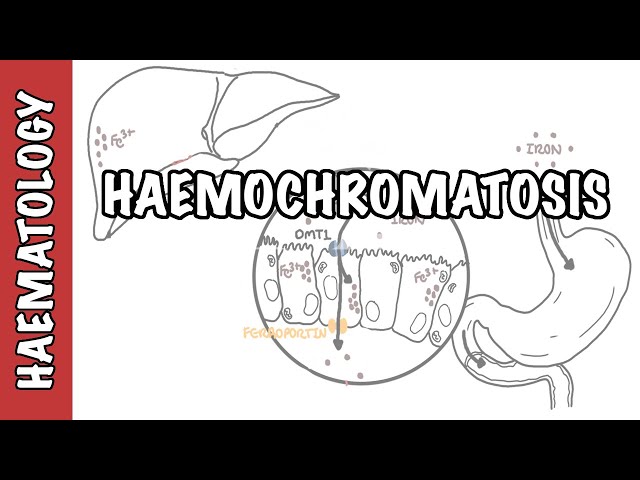
Hemochromatosis – iron physiology and pathophysiology
Learn how hemochromatosis (iron overload) develops, how to diagnose it, and effective treatments like phlebotomy and iron chelation. This clear, concise video explains iron metabolism, the role of hepcidin and ferroportin, and genetic (HFE) and secondary causes of hemochromatosis so you can recognize risk factors and symptoms early. You’ll learn where iron is stored and…
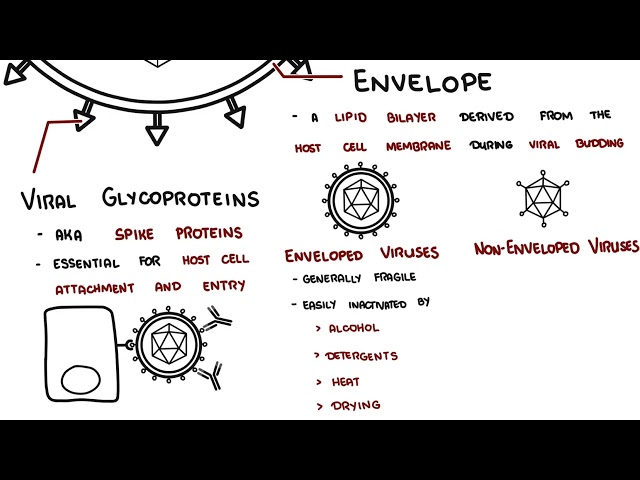
Viral structure – capsid, envelope and genome overview
Discover how viral structure dictates infection, immunity, and transmission — learn viral structure, genomes, capsids, envelopes, and replication basics. This concise explainer breaks down virus biology using clear analogies and key technical terms like capsid, nucleocapsid, positive-sense and negative-sense RNA, segmented genomes, reverse transcriptase, and viral glycoproteins. You’ll understand how genomes (DNA or RNA, single-…
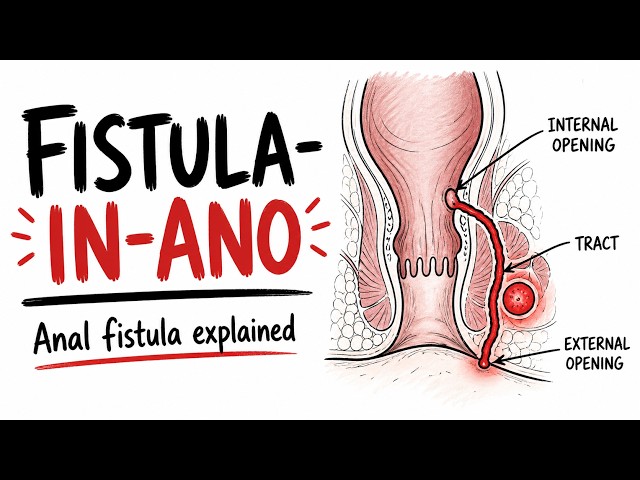
Ano In Fistula
Discover the causes, symptoms, and treatment options for anal fistulas, a painful condition often resulting from infection or abscess near the anus. This video provides a clear overview of the pathophysiology, diagnosis, and surgical management of ano-in fistula.
Our mission
Medical science is complex. Understanding it should feel possible.
Armando Hasudungan turns difficult medical science into clear visual explanations and connected learning experiences—so learners can see the whole picture, remember what matters and find a clearer way forward.
See it clearly
Turn abstract processes and invisible relationships into something the learner can picture.
Connect the pieces
Build understanding around how concepts fit together—not a pile of isolated facts.
Make it useful
Help learners move from explanation to recall, revision and the next logical step.
What clarity feels like
When the topic stops being a blur.
Learners do not come back because the subject became easy. They come back because the explanation gave them a picture they could work with.
“Armando's teaching style gives me the foundational knowledge.
Jessica Payne-Burnett
Medical Student, Charles Sturt University
“The notes I make during his videos help me retain everything better.
Ayesha RaiStudent, Islamabad Medical and Dental College
“The drawings are amazing and super easy to remember.
Reem Mohamed Khair Abdalrazig
Student, Neelain University
Coming soon: the AH study platform
The explanation is only the start.
The free library helps you find a clear explanation. The AH platform is being built to help you connect the resources, follow a clearer path and check what actually stuck.
- Watch in a focused, ad-free study environment.
- Move between connected videos, notes, diagrams and questions.
- Know what belongs next instead of rebuilding the study path yourself.
- Test your understanding while the topic is still fresh.
New and worth a look
Keep building the picture.
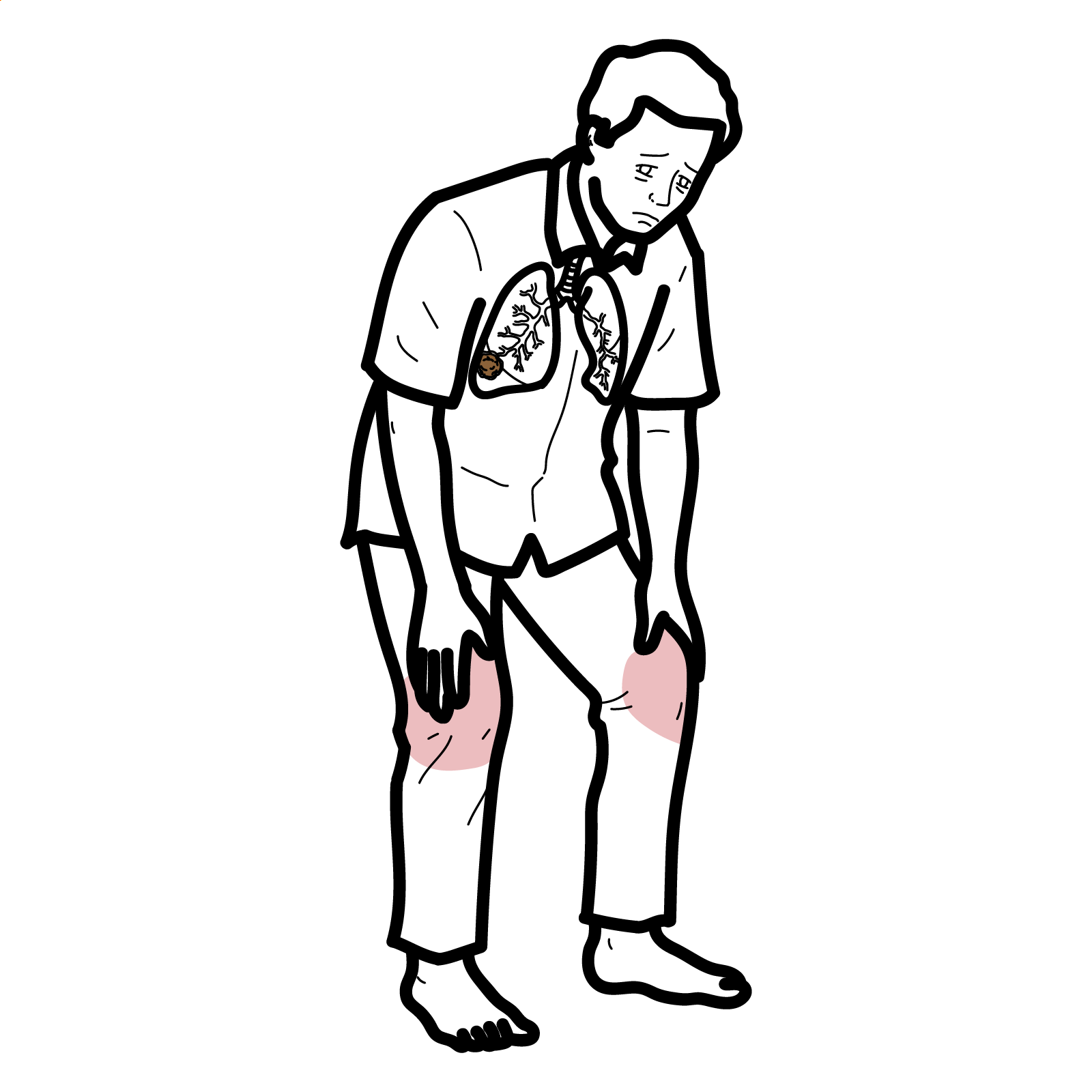
Lambert-Eaton Myasthenic Syndrome
Overview Lambert–Eaton myasthenic syndrome (LEMS) is a rare autoimmune disorder of the presynaptic neuromuscular junction. It causes impaired acetylcholine release, producing the characteristic triad of proximal muscle weakness, reduced reflexes and autonomic dysfunction. LEMS may occur as a paraneoplastic syndrome—most commonly associated with small-cell lung cancer (SCLC)—or as a non-tumour-associated autoimmune disorder. Neuromuscular junction: connection…
View this topic ↗About Visualising Medicine
Good education does not remove complexity. It makes complexity feel simple.
Visualising Medicine is the team behind Armando Hasudungan. We bring together medicine, illustration, writing and technology to make difficult ideas clearer—and build better ways for learners to use them.