

Visual explanationFree resource
Visual medical education by Armando Hasudungan
Medical science, drawn into focus.
Explore visual explanations that reveal how the facts, processes and clinical patterns fit together—then discover the coming AH study platform, built to guide what you study next and check what stuck.
Connected studyComing soon
Clear visual explanations used by medical and allied-health learners around the world.
Explore the free library
Start with the topic in front of you.
Browse by subject or jump straight into the explanation you need. No account required.
DiGeorge Syndrome
Overview DiGeorge syndrome (22q11.2 deletion syndrome) is a congenital immunodeficiency and multisystem disorder caused by a microdeletion on chromosome 22. It leads to defective development of the third and fourth pharyngeal pouches, resulting in thymic hypoplasia/aplasia, hypocalcaemia due to parathyroid hypoplasia, and congenital heart defects. Prevalence is estimated at 1 in 4000 live births. Clinical…
View topic ↗Inflammatory Bowel Disease
Overview Inflammatory bowel disease is a common condition. It is divided into two types: Crohn disease and Ulcerative colitis. Both these condition differ in pathology, progression and complication, but they do share a lot similar characteristics as well. Colitis: Inflammation of the colon, which may be due to infectious, autoimmune, ischemic, or idiopathic causes. Inflammatory…
View topic ↗Pseudogout: Calcium Pyrophosphate Deposition Disease
Overview Pseudogout, more accurately known as calcium pyrophosphate deposition disease (CPPD), is a crystal arthropathy characterized by the deposition of calcium pyrophosphate dihydrate crystals in articular cartilage and soft tissues, leading to joint inflammation. It most commonly affects elderly individuals, especially over the age of 60, with a slight female predominance. Clinically, it often mimics…
View topic ↗Acute Diabetes Complication (DKA, HHS, Hypoglycaemia)
Diabetic Ketoacidosis Ketoacidosis: A condition resulting from deficient insulin availability, leading to lipid oxidation and metabolism rather than glucose metabolism. The insulin absence results in free fatty acid (FFA) released from adipose tissue and in unregulated hepatic FFA oxidation and ketogenesis. Type I Diabetes: Autoimmune disease where there is attack of beta cells of the…
View topic ↗Acute Compartment Syndrome
Overview The muscle groups of the human limbs are divided into section or compartments. Acute compartment syndrome (ACS) occurs when increased pressure within a compartment compromises circulation and function of tissues within that area. common sites of ACS is the leg and forearm. Acute compartment syndrome: A critical pressure increase within a confined compartmental space causing…
View topic ↗Breast Cancer
"A 35 Year old women presents with a 1cm hard lump in the upper quadrant of her right breast. She first noticed this when she was in the shower three months ago. She is worried that the lump might be malignant" Overview Breast cancer is the most common cancer in women worldwide. It accounts for…
View topic ↗Hydrocephalus
Overview Hydrocephalus is excessive accumulation of CSF in the cerebral ventricles. In children, look for increasing head circumference, increased intracranial pressure, a bulging fontanelle, scalp vein engorgement, and paralysis of upward gaze. The most common causes include: Congenital malformations Tumors Inflammation (i.e hemorrhage, meningitis). Treat the underlying cause, if possible; otherwise a surgical shunt is created…
View topic ↗Full resource library
Browse all topics ↗Choose how you learn
One idea. More than one way to see it.
Use the format that helps the topic click, then switch formats when you need to reinforce it.
01 / WATCH02 / READ03 / SEE04 / CHECK
Videos
Hand-drawn explanations that build the big picture as the concept unfolds.
Notes
Clear written explanations for review, reference and filling in the details.
Diagrams
Visual snapshots that help you easily review topics.
Questions
Test whether the explanation stayed with you—not just whether it looked familiar.
Good places to begin
Explanations learners return to.
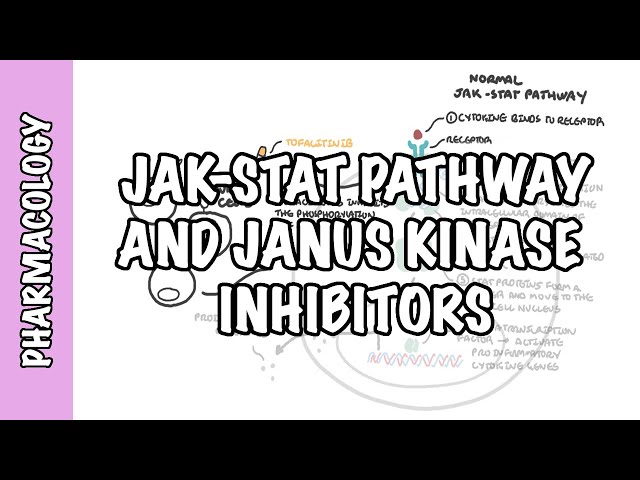
JAK (Janus Kinase Pathway) Inhibitor Tofacitinib – pharmacology, mechanism of action, side effects
Tofacitinib is an oral agent taken twice daily used to treat many rheumatological conditions mainly RA. Tofacitinib inhibits Janus kinase (JAK) signalling. Immune cells such as macrophages, monocytes and T cells play a key role in the pathophysiology of RA. They contain receptors on their surface which rely on the JAK. JAK initiates a cascade…
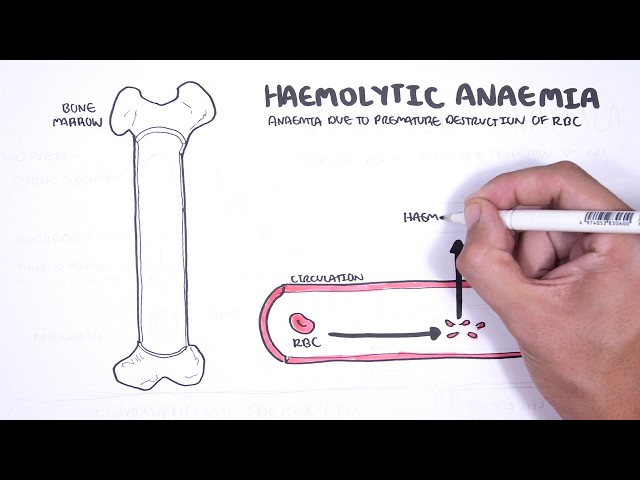
Haemolytic Anaemia – classification (intravascular, extravascular), pathophysiology, investigations
Explore the classification and underlying mechanisms of haemolytic anaemia, including intravascular and extravascular causes. This video also covers key diagnostic investigations and clinical features to help understand red blood cell destruction.
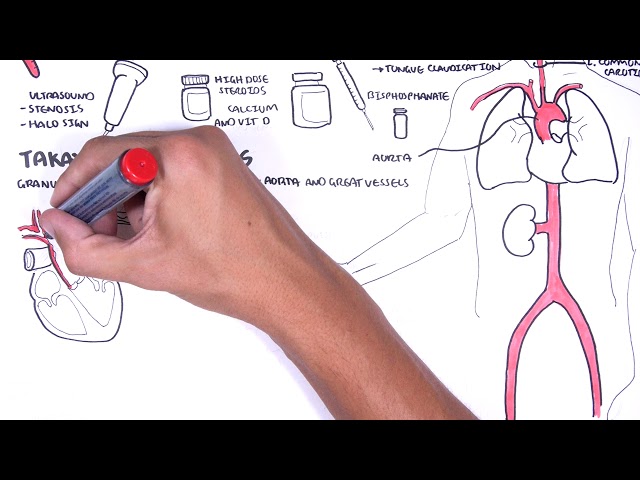
Giant cell Arteritis and Takayasu arteritis (Large Vessel Vasculitis) – signs, pathophysiology
Giant Cell Arteritis and Takayasu Arteritis are large vessel vasculitides that primarily affect major arteries, leading to systemic and ischemic symptoms. This video covers their clinical signs, underlying pathophysiology, and key differences in presentation and affected demographics.
Our mission
Medical science is complex. Understanding it should feel possible.
Armando Hasudungan turns difficult medical science into clear visual explanations and connected learning experiences—so learners can see the whole picture, remember what matters and find a clearer way forward.
See it clearly
Turn abstract processes and invisible relationships into something the learner can picture.
Connect the pieces
Build understanding around how concepts fit together—not a pile of isolated facts.
Make it useful
Help learners move from explanation to recall, revision and the next logical step.
What clarity feels like
When the topic stops being a blur.
Learners do not come back because the subject became easy. They come back because the explanation gave them a picture they could work with.
“Armando's teaching style gives me the foundational knowledge.
Jessica Payne-Burnett
Medical Student, Charles Sturt University
“The notes I make during his videos help me retain everything better.
Ayesha RaiStudent, Islamabad Medical and Dental College
“The drawings are amazing and super easy to remember.
Reem Mohamed Khair Abdalrazig
Student, Neelain University
Coming soon: the AH study platform
The explanation is only the start.
The free library helps you find a clear explanation. The AH platform is being built to help you connect the resources, follow a clearer path and check what actually stuck.
- Watch in a focused, ad-free study environment.
- Move between connected videos, notes, diagrams and questions.
- Know what belongs next instead of rebuilding the study path yourself.
- Test your understanding while the topic is still fresh.
New and worth a look
Keep building the picture.
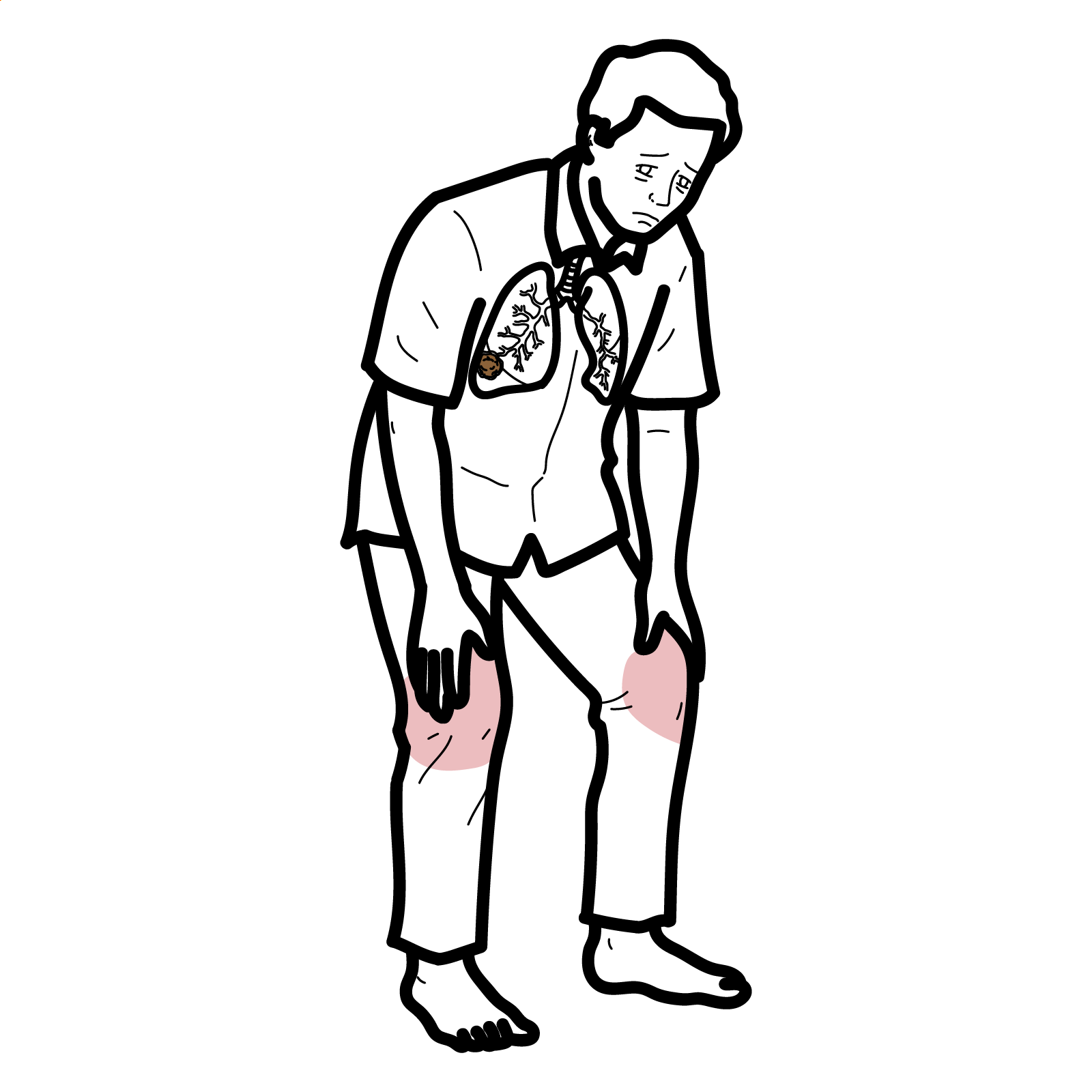
Lambert-Eaton Myasthenic Syndrome
Overview Lambert–Eaton myasthenic syndrome (LEMS) is a rare autoimmune disorder of the presynaptic neuromuscular junction. It causes impaired acetylcholine release, producing the characteristic triad of proximal muscle weakness, reduced reflexes and autonomic dysfunction. LEMS may occur as a paraneoplastic syndrome—most commonly associated with small-cell lung cancer (SCLC)—or as a non-tumour-associated autoimmune disorder. Neuromuscular junction: connection…
View this topic ↗About Visualising Medicine
Good education does not remove complexity. It makes complexity feel simple.
Visualising Medicine is the team behind Armando Hasudungan. We bring together medicine, illustration, writing and technology to make difficult ideas clearer—and build better ways for learners to use them.