

Visual explanationFree resource
Visual medical education by Armando Hasudungan
Medical science, drawn into focus.
Explore visual explanations that reveal how the facts, processes and clinical patterns fit together—then discover the coming AH study platform, built to guide what you study next and check what stuck.
Connected studyComing soon
Clear visual explanations used by medical and allied-health learners around the world.
Explore the free library
Start with the topic in front of you.
Browse by subject or jump straight into the explanation you need. No account required.
Acute Heart Failure
Overview Heart failure is a condition in which the heart does not pump enough blood to meet all the needs of the body. It is caused by heart muscle damage or dysfunction, valve problems, heart rhythm disturbances and other rarer causes. Acute heart failure can present as new-onset heart failure in people without known cardiac…
View topic ↗Obstructive Sleep Apnoea
Overview Sleep apnea syndrome is an extremely common medical disorder associated with important morbidity. Sleep Apnea and can be classified as: Obstructive Sleep Apnea – is the most common, characterized by repetitive, intermittent collapse of the upper (pharyngeal) airway during sleep, which causes apnoeic episodes terminated by partial arousal Central Sleep Apnea - characterised by repetitive absent or diminished…
View topic ↗Parturition and Routine Care
Overview Parturition Physiology Preterm: defined as babies born alive before 37 weeks of pregnancy are completed. Term: defined as babies born alive after 37 weeks and before 42 weeks Postterm (induced for labour): defined as babies born alive after 42 weeks. Birthweight Low birth weight: <2500g regardless of age Very low birth weight: <1500g regardless of…
View topic ↗Alzheimer's Disease
Overview Alzheimer disease is characterised by an insidious onset of symptoms with initial forgetfulness progressing over time to profound memory impairment with accompanying dysphasia, dyspraxia and personality change. Dementia: Clinical syndrome that is characterised by a progressive deterioration in cognition with resulting decline in function. Alzheimer disease: Characterised by an insidious onset of symptoms with initial…
View topic ↗Anal Haemorrhoids
Overview Haemorrhoid Plexi are normal anatomical structures located within the anal canal. The term “Anal Haemorrhoids” usually refers to a pathology where the Haemorrhoidal Plexi are enlarged. They are mainly caused by chronic constipation and frequent defecation leading to dilation and engorgement of haemorrhoidal tissue. Common symptoms are bleeding, pain and itching. There are internal…
View topic ↗Deep Vein Thrombosis
Overview Deep vein thrombosis (DVT) is the formation of a blood clot in a vein deep under the skin 25-50% of surgical patients and many non-surgical patients. 65% of DVT are below the knee are symptomatic and rarely embolism to the lung. There are many causes of DVT. Thrombus: blood clot Thrombosis: blood clot that forms in…
View topic ↗Hyperlipidaemia
Overview Hyperlipidaemia is an umbrella term which encompasses genetic and acquired disorders that raise lipid levels within the blood. Hyperlipidaemia does not independently cause clinical symptoms, rather can lead to other disorders that can manifest in possible life-threatening presentations. Most notably, hyperlipidaemia causes atherosclerosis which may lead to cardiovascular, cerebrovascular, and peripheral vascular disease. 1…
View topic ↗Full resource library
Browse all topics ↗Choose how you learn
One idea. More than one way to see it.
Use the format that helps the topic click, then switch formats when you need to reinforce it.
01 / WATCH02 / READ03 / SEE04 / CHECK
Videos
Hand-drawn explanations that build the big picture as the concept unfolds.
Notes
Clear written explanations for review, reference and filling in the details.
Diagrams
Visual snapshots that help you easily review topics.
Questions
Test whether the explanation stayed with you—not just whether it looked familiar.
Good places to begin
Explanations learners return to.
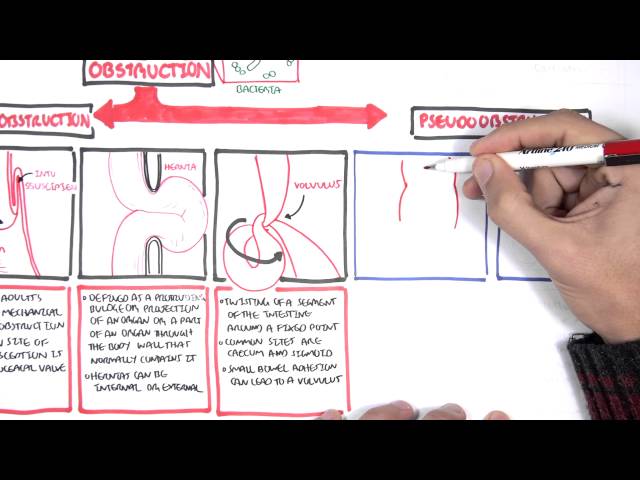
Bowel Obstruction – Causes and Pathophysiology
Learn about the common causes and underlying mechanisms of bowel obstruction, including mechanical and functional types. This video explains the pathophysiology, key clinical signs, and potential complications of intestinal blockage.

Reproductive System – Overview
Explore the structure and function of the male and female reproductive systems, including key organs and hormonal regulation. This video provides a clear overview to help you understand the fundamentals of human reproduction and its physiological processes.
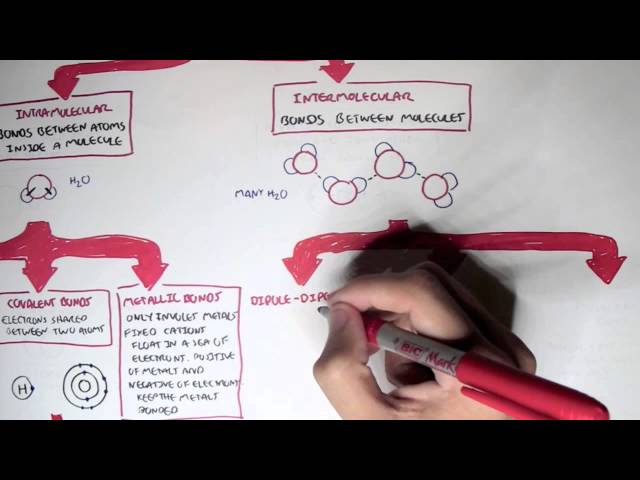
Chemistry Revision V – Chemical Bonds
Learn the fundamentals of chemical bonds, including ionic, covalent, and metallic bonding, and how atoms achieve stability through electron interactions. This educational video breaks down bond types, properties, and examples—essential for mastering basic chemistry and exam preparation.
Our mission
Medical science is complex. Understanding it should feel possible.
Armando Hasudungan turns difficult medical science into clear visual explanations and connected learning experiences—so learners can see the whole picture, remember what matters and find a clearer way forward.
See it clearly
Turn abstract processes and invisible relationships into something the learner can picture.
Connect the pieces
Build understanding around how concepts fit together—not a pile of isolated facts.
Make it useful
Help learners move from explanation to recall, revision and the next logical step.
What clarity feels like
When the topic stops being a blur.
Learners do not come back because the subject became easy. They come back because the explanation gave them a picture they could work with.
“Armando's teaching style gives me the foundational knowledge.
Jessica Payne-Burnett
Medical Student, Charles Sturt University
“The notes I make during his videos help me retain everything better.
Ayesha RaiStudent, Islamabad Medical and Dental College
“The drawings are amazing and super easy to remember.
Reem Mohamed Khair Abdalrazig
Student, Neelain University
Coming soon: the AH study platform
The explanation is only the start.
The free library helps you find a clear explanation. The AH platform is being built to help you connect the resources, follow a clearer path and check what actually stuck.
- Watch in a focused, ad-free study environment.
- Move between connected videos, notes, diagrams and questions.
- Know what belongs next instead of rebuilding the study path yourself.
- Test your understanding while the topic is still fresh.
New and worth a look
Keep building the picture.
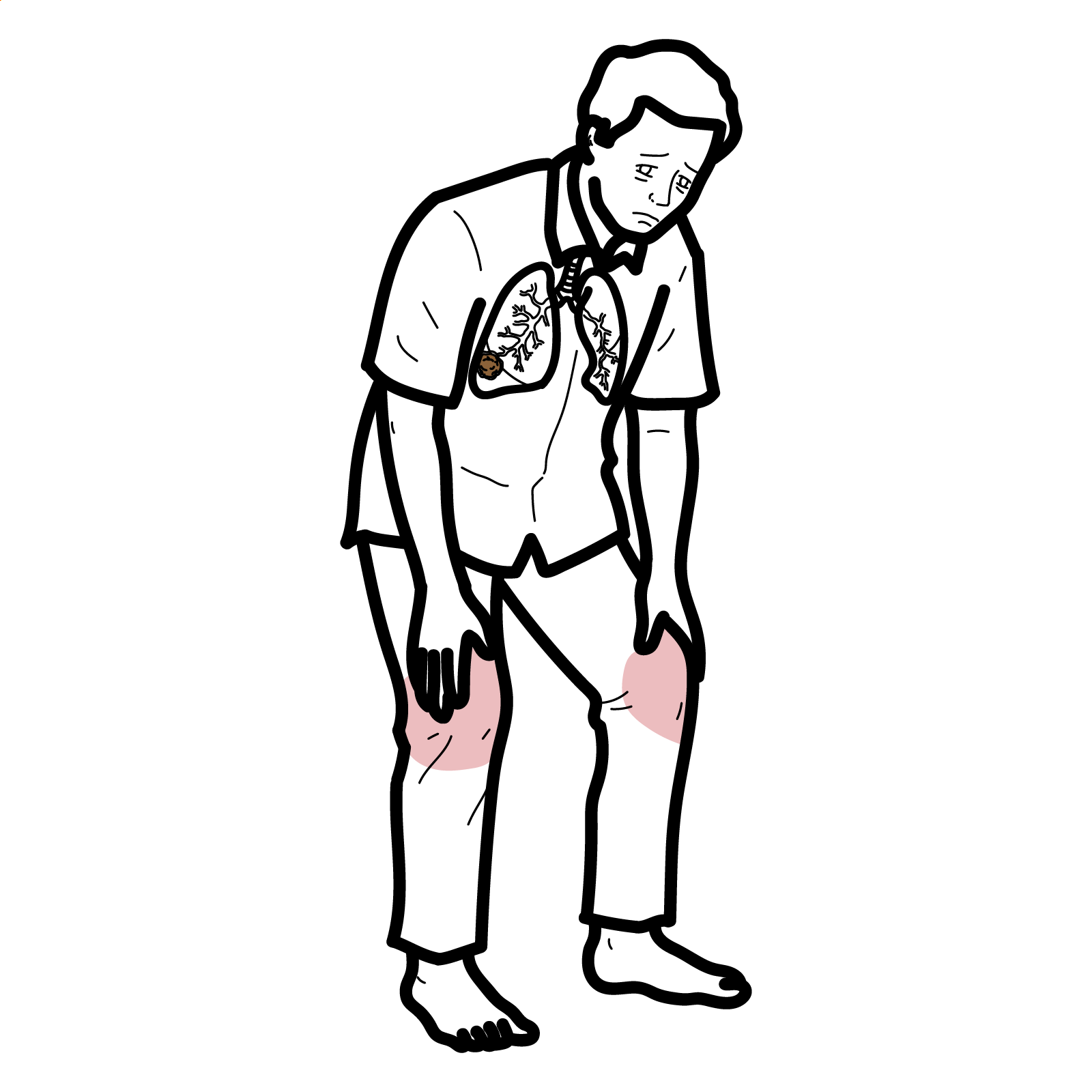
Lambert-Eaton Myasthenic Syndrome
Overview Lambert–Eaton myasthenic syndrome (LEMS) is a rare autoimmune disorder of the presynaptic neuromuscular junction. It causes impaired acetylcholine release, producing the characteristic triad of proximal muscle weakness, reduced reflexes and autonomic dysfunction. LEMS may occur as a paraneoplastic syndrome—most commonly associated with small-cell lung cancer (SCLC)—or as a non-tumour-associated autoimmune disorder. Neuromuscular junction: connection…
View this topic ↗About Visualising Medicine
Good education does not remove complexity. It makes complexity feel simple.
Visualising Medicine is the team behind Armando Hasudungan. We bring together medicine, illustration, writing and technology to make difficult ideas clearer—and build better ways for learners to use them.