

Visual explanationFree resource
Visual medical education by Armando Hasudungan
Medical science, drawn into focus.
Explore visual explanations that reveal how the facts, processes and clinical patterns fit together—then discover the coming AH study platform, built to guide what you study next and check what stuck.
Connected studyComing soon
Clear visual explanations used by medical and allied-health learners around the world.
Explore the free library
Start with the topic in front of you.
Browse by subject or jump straight into the explanation you need. No account required.
Chronic Widespread Pain
Overview Chronic widespread pain (CWP) is a nociplastic pain phenotype defined by persistent (≥3 months) pain affecting multiple body regions, with high comorbidity with fatigue, sleep disturbance, mood symptoms and functional impairment. The pooled global prevalence is ~10% (women>men), with higher rates in lower-HDI settings. CWP is recognised in ICD-11 within the chronic primary pain…
View topic ↗Paget’s Disease of Bone
Overview Paget’s disease of bone (PDB) is a chronic skeletal disorder characterised by focal areas of accelerated and disorganised bone remodelling. The disease begins with excessive osteoclastic bone resorption followed by a compensatory increase in osteoblastic bone formation. The result is structurally weak, enlarged, and deformed bone that is prone to fracture and complications such…
View topic ↗Iron Deficiency Anaemia
Overview In the clinical setting, iron deficiency is the most common cause of anaemia. Iron Deficiency is lack of iron in the body resulting from inadequate iron intake, increased iron loss and increased iron demand which can lead to anaemia. Iron is an integral part of haemoglobin the oxygen carrying protein. Without iron, oxygen is unable to…
View topic ↗Inflammatory Bowel Disease
Overview Inflammatory bowel disease is a common condition. It is divided into two types: Crohn disease and Ulcerative colitis. Both these condition differ in pathology, progression and complication, but they do share a lot similar characteristics as well. Colitis: Inflammation of the colon, which may be due to infectious, autoimmune, ischemic, or idiopathic causes. Inflammatory…
View topic ↗Meniscal Tear
Overview Medial and lateral knee joint menisci serve to transfer load and absorb shock, aid joint stability and provide lubrication. The meniscus is the most commonly injured structure in the knee joint. Acute tears occurs after axial loading combined with rotation. People may complain of a sensation of clicking or catching of the knee with…
View topic ↗Acute Compartment Syndrome
Overview The muscle groups of the human limbs are divided into section or compartments. Acute compartment syndrome (ACS) occurs when increased pressure within a compartment compromises circulation and function of tissues within that area. common sites of ACS is the leg and forearm. Acute compartment syndrome: A critical pressure increase within a confined compartmental space causing…
View topic ↗Polyarteritis Nodosa
Overview Polyarteritis Nodosa (PAN) is a necrotising vasculitis that affects medium-sized muscular arteries, leading to transmural inflammation, fibrinoid necrosis, and subsequent aneurysm formation or ischemia. It does not involve arterioles, capillaries, or venules, and is not associated with ANCA. PAN can affect any organ except the lungs. It typically presents in middle-aged adults, more commonly…
View topic ↗Full resource library
Browse all topics ↗Choose how you learn
One idea. More than one way to see it.
Use the format that helps the topic click, then switch formats when you need to reinforce it.
01 / WATCH02 / READ03 / SEE04 / CHECK
Videos
Hand-drawn explanations that build the big picture as the concept unfolds.
Notes
Clear written explanations for review, reference and filling in the details.
Diagrams
Visual snapshots that help you easily review topics.
Questions
Test whether the explanation stayed with you—not just whether it looked familiar.
Good places to begin
Explanations learners return to.
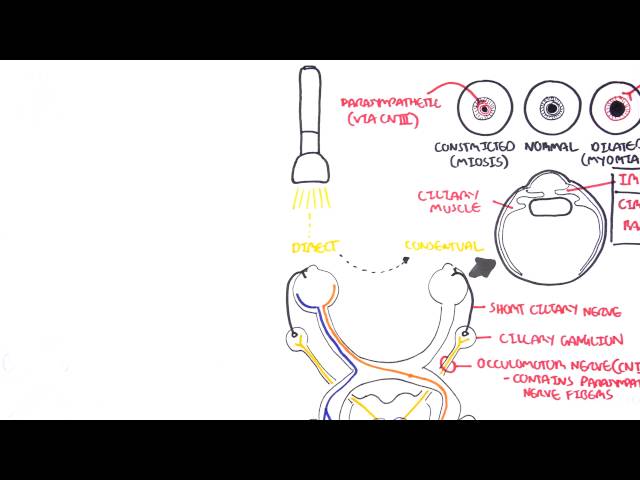
Light reflex
This video explains the light reflex, detailing the neural pathways involved in the direct and consensual pupillary responses to light. Learn how the optic and oculomotor nerves coordinate to regulate pupil constriction and diagnose neurological conditions.
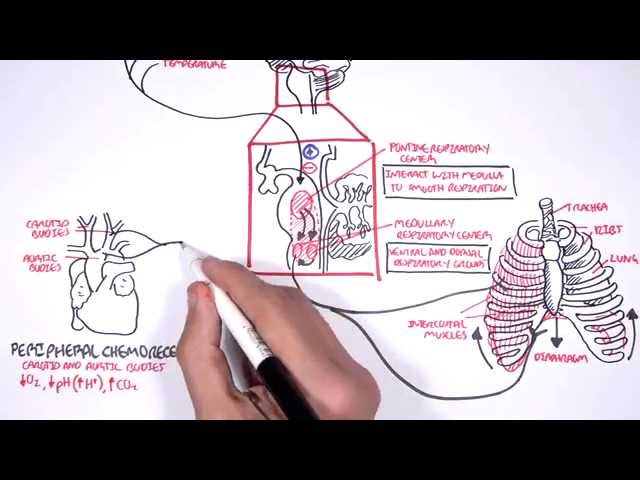
Control Of Respiration (regulation of breathing)
Explore how breathing is regulated by the respiratory centers in the brainstem, responding to changes in carbon dioxide, oxygen, and pH levels. This video explains the roles of central and peripheral chemoreceptors and how they adjust respiratory rate and depth to maintain homeostasis.
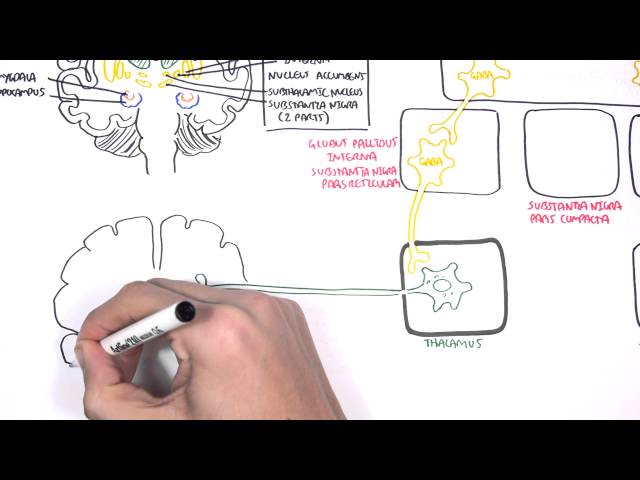
Parkinson's Disease (Shaking Palsy) – Clinical Presentation and Pathophysiology
This video explains the clinical features and underlying pathophysiology of Parkinson’s Disease, also known as shaking palsy. Learn about the role of dopaminergic neuron loss in the substantia nigra, classic motor symptoms like resting tremor, rigidity, and bradykinesia, and how they progress over time.
Our mission
Medical science is complex. Understanding it should feel possible.
Armando Hasudungan turns difficult medical science into clear visual explanations and connected learning experiences—so learners can see the whole picture, remember what matters and find a clearer way forward.
See it clearly
Turn abstract processes and invisible relationships into something the learner can picture.
Connect the pieces
Build understanding around how concepts fit together—not a pile of isolated facts.
Make it useful
Help learners move from explanation to recall, revision and the next logical step.
What clarity feels like
When the topic stops being a blur.
Learners do not come back because the subject became easy. They come back because the explanation gave them a picture they could work with.
“Armando's teaching style gives me the foundational knowledge.
Jessica Payne-Burnett
Medical Student, Charles Sturt University
“The notes I make during his videos help me retain everything better.
Ayesha RaiStudent, Islamabad Medical and Dental College
“The drawings are amazing and super easy to remember.
Reem Mohamed Khair Abdalrazig
Student, Neelain University
Coming soon: the AH study platform
The explanation is only the start.
The free library helps you find a clear explanation. The AH platform is being built to help you connect the resources, follow a clearer path and check what actually stuck.
- Watch in a focused, ad-free study environment.
- Move between connected videos, notes, diagrams and questions.
- Know what belongs next instead of rebuilding the study path yourself.
- Test your understanding while the topic is still fresh.
New and worth a look
Keep building the picture.
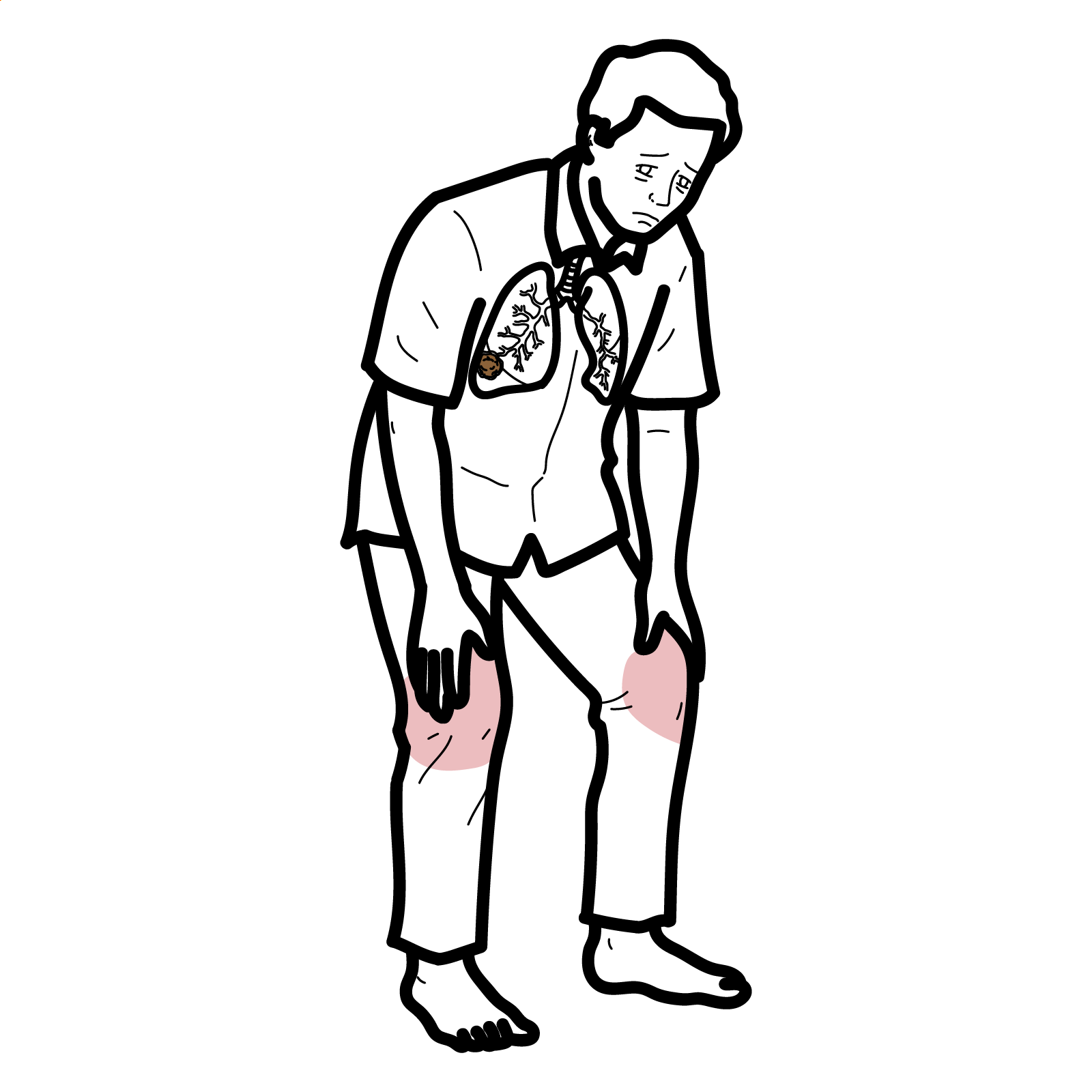
Lambert-Eaton Myasthenic Syndrome
Overview Lambert–Eaton myasthenic syndrome (LEMS) is a rare autoimmune disorder of the presynaptic neuromuscular junction. It causes impaired acetylcholine release, producing the characteristic triad of proximal muscle weakness, reduced reflexes and autonomic dysfunction. LEMS may occur as a paraneoplastic syndrome—most commonly associated with small-cell lung cancer (SCLC)—or as a non-tumour-associated autoimmune disorder. Neuromuscular junction: connection…
View this topic ↗About Visualising Medicine
Good education does not remove complexity. It makes complexity feel simple.
Visualising Medicine is the team behind Armando Hasudungan. We bring together medicine, illustration, writing and technology to make difficult ideas clearer—and build better ways for learners to use them.