

Visual explanationFree resource
Visual medical education by Armando Hasudungan
Medical science, drawn into focus.
Explore visual explanations that reveal how the facts, processes and clinical patterns fit together—then discover the coming AH study platform, built to guide what you study next and check what stuck.
Connected studyComing soon
Clear visual explanations used by medical and allied-health learners around the world.
Explore the free library
Start with the topic in front of you.
Browse by subject or jump straight into the explanation you need. No account required.
Psoriasis
Overview Psoriasis is a chronic, immune-mediated, inflammatory skin disease with systemic associations, characterized by sharply demarcated erythematous plaques with overlying scale, most commonly plaque psoriasis. [1-4] It affects about 1% to 3% of the global population, although prevalence varies by geography and ethnicity, and plaque psoriasis accounts for about 80% to 90% of cases. [1,2]…
View topic ↗Acute Respiratory Distress Syndrome
Overview ARDS is an acute, diffuse, inflammatory lung injury that leads to increased pulmonary vascular permeability, increased lung weight, and a loss of aerated tissue. Clinical hallmarks of ARDS are hypoxemia and bilateral radiographic opacities, while the pathological hallmark is diffuse alveolar damage. Pathophysiology Aetiology Indirect lung injury: sepsis, shock, trauma, pancreatitis, drug OD, intracranial haemorrhage,…
View topic ↗Obesity
Overview Overweight and obesity are common worldwide and are associated with many conditions, particularly diabetes, hypertension and dyslipidemia. Overweight and obesity are defined as a moral or excessive fat accusation that presents a risk to health Obesity is now dramatically on the rise in low and middle-income countries. Management should include diet, physical activity, and…
View topic ↗Mixed Connective Tissue Disease (MCTD)
Overview MCTD is a systemic autoimmune rheumatic disease characterized by overlapping clinical features of systemic lupus erythematosus (SLE), systemic sclerosis (SSc), polymyositis, with rheumatoid arthritis with high titres of anti-U1 RNP antibodies. It typically affects women aged 20–40 years. Prevalence is estimated at 3.8 per 100,000; more common in females (F:M ~9:1). The disease course…
View topic ↗Acute Appendicitis
Overview Acute appendicitis is an acute inflammation of the vermiform (worm-like) appendix. It is mainly caused by obstruction of the lumen of the appendix by stool, infective agents or lymphoid hyperplasia. Acute appendicits is the most common abdominal surgical emergency in the world, with a lifetime risk of 6.9% in females and 8.6% in males.…
View topic ↗Peripheral Arterial Disease (Chronic Lower Limb Ischaemia)
Overview Ankle-Brachial Index (ABI): Ratio of ankle to brachial systolic blood pressure, determined using Doppler ultrasound flow. Claudication: Pain, ache, or cramp in muscles that increases with walking or leg exertion in a predictable manner and resolves with rest. Peripheral arterial disease: Atherosclerosis leading to narrowing of the major arteries distal to the aortic arch.…
View topic ↗Anorexia Nervosa
“ To lose confidence in one’s body is to lose confidence in oneself .” ― Simone de Beauvoir " Every woman knows that, regardless of all her other achievements, she is a failure if she is not beautiful ." – Germaine Greer Overview Eating disorders have traditionally been classified into two well-established categories. They are…
View topic ↗Full resource library
Browse all topics ↗Choose how you learn
One idea. More than one way to see it.
Use the format that helps the topic click, then switch formats when you need to reinforce it.
01 / WATCH02 / READ03 / SEE04 / CHECK
Videos
Hand-drawn explanations that build the big picture as the concept unfolds.
Notes
Clear written explanations for review, reference and filling in the details.
Diagrams
Visual snapshots that help you easily review topics.
Questions
Test whether the explanation stayed with you—not just whether it looked familiar.
Good places to begin
Explanations learners return to.
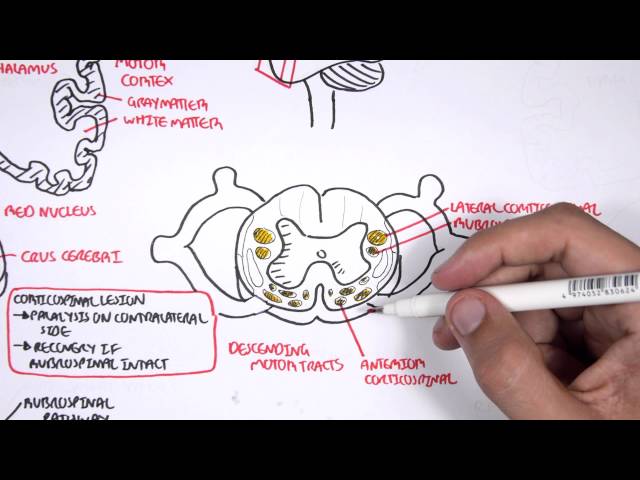
Neurology – Motor Pathways
Explore the major motor pathways in neurology, including the corticospinal and extrapyramidal tracts, and their roles in voluntary movement. This video simplifies complex neuroanatomy to help you understand motor control and related clinical syndromes.
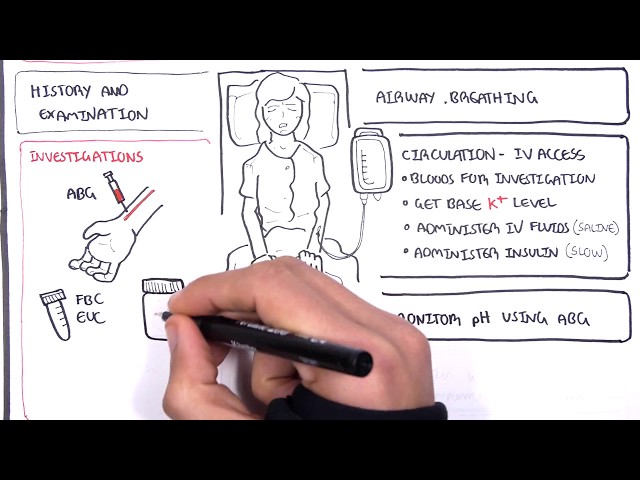
Diabetic Ketoacidosis (Diabetes Type I) Management Summary
Learn the essential steps in managing Diabetic Ketoacidosis (DKA), a life-threatening complication of Type I Diabetes. This video covers the pathophysiology, clinical presentation, and key treatment strategies including fluid resuscitation, insulin therapy, and electrolyte correction.
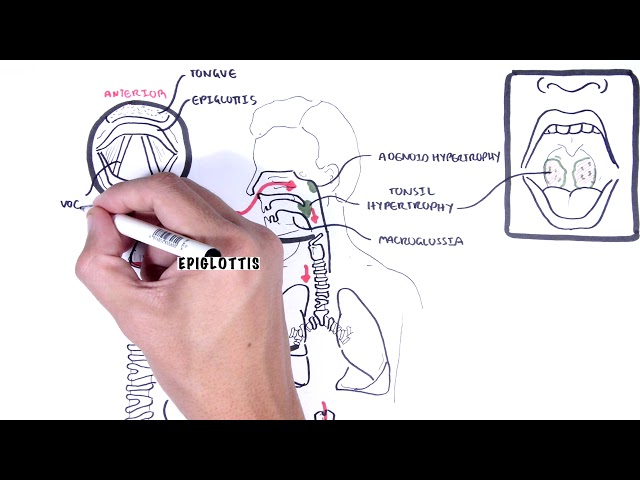
Stridor in children (causes, inspiratory and expiratory stridor, pathophysiology)
Learn about stridor in children, a high-pitched breathing sound caused by airway obstruction, and its classification into inspiratory and expiratory types. This video explores the underlying pathophysiology and common causes such as croup, laryngomalacia, and foreign body aspiration.
Our mission
Medical science is complex. Understanding it should feel possible.
Armando Hasudungan turns difficult medical science into clear visual explanations and connected learning experiences—so learners can see the whole picture, remember what matters and find a clearer way forward.
See it clearly
Turn abstract processes and invisible relationships into something the learner can picture.
Connect the pieces
Build understanding around how concepts fit together—not a pile of isolated facts.
Make it useful
Help learners move from explanation to recall, revision and the next logical step.
What clarity feels like
When the topic stops being a blur.
Learners do not come back because the subject became easy. They come back because the explanation gave them a picture they could work with.
“Armando's teaching style gives me the foundational knowledge.
Jessica Payne-Burnett
Medical Student, Charles Sturt University
“The notes I make during his videos help me retain everything better.
Ayesha RaiStudent, Islamabad Medical and Dental College
“The drawings are amazing and super easy to remember.
Reem Mohamed Khair Abdalrazig
Student, Neelain University
Coming soon: the AH study platform
The explanation is only the start.
The free library helps you find a clear explanation. The AH platform is being built to help you connect the resources, follow a clearer path and check what actually stuck.
- Watch in a focused, ad-free study environment.
- Move between connected videos, notes, diagrams and questions.
- Know what belongs next instead of rebuilding the study path yourself.
- Test your understanding while the topic is still fresh.
New and worth a look
Keep building the picture.
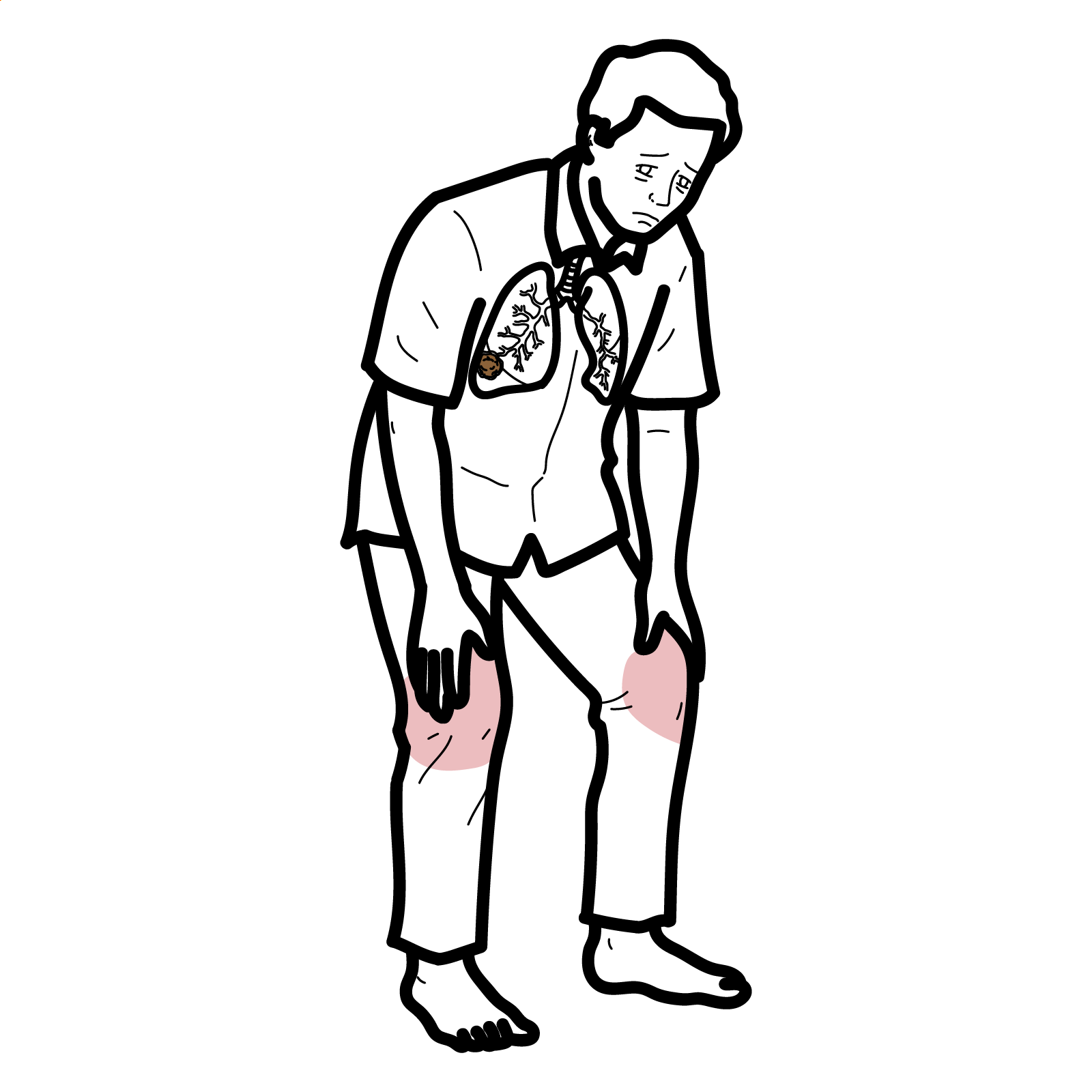
Lambert-Eaton Myasthenic Syndrome
Overview Lambert–Eaton myasthenic syndrome (LEMS) is a rare autoimmune disorder of the presynaptic neuromuscular junction. It causes impaired acetylcholine release, producing the characteristic triad of proximal muscle weakness, reduced reflexes and autonomic dysfunction. LEMS may occur as a paraneoplastic syndrome—most commonly associated with small-cell lung cancer (SCLC)—or as a non-tumour-associated autoimmune disorder. Neuromuscular junction: connection…
View this topic ↗About Visualising Medicine
Good education does not remove complexity. It makes complexity feel simple.
Visualising Medicine is the team behind Armando Hasudungan. We bring together medicine, illustration, writing and technology to make difficult ideas clearer—and build better ways for learners to use them.