

Obesity
Overview
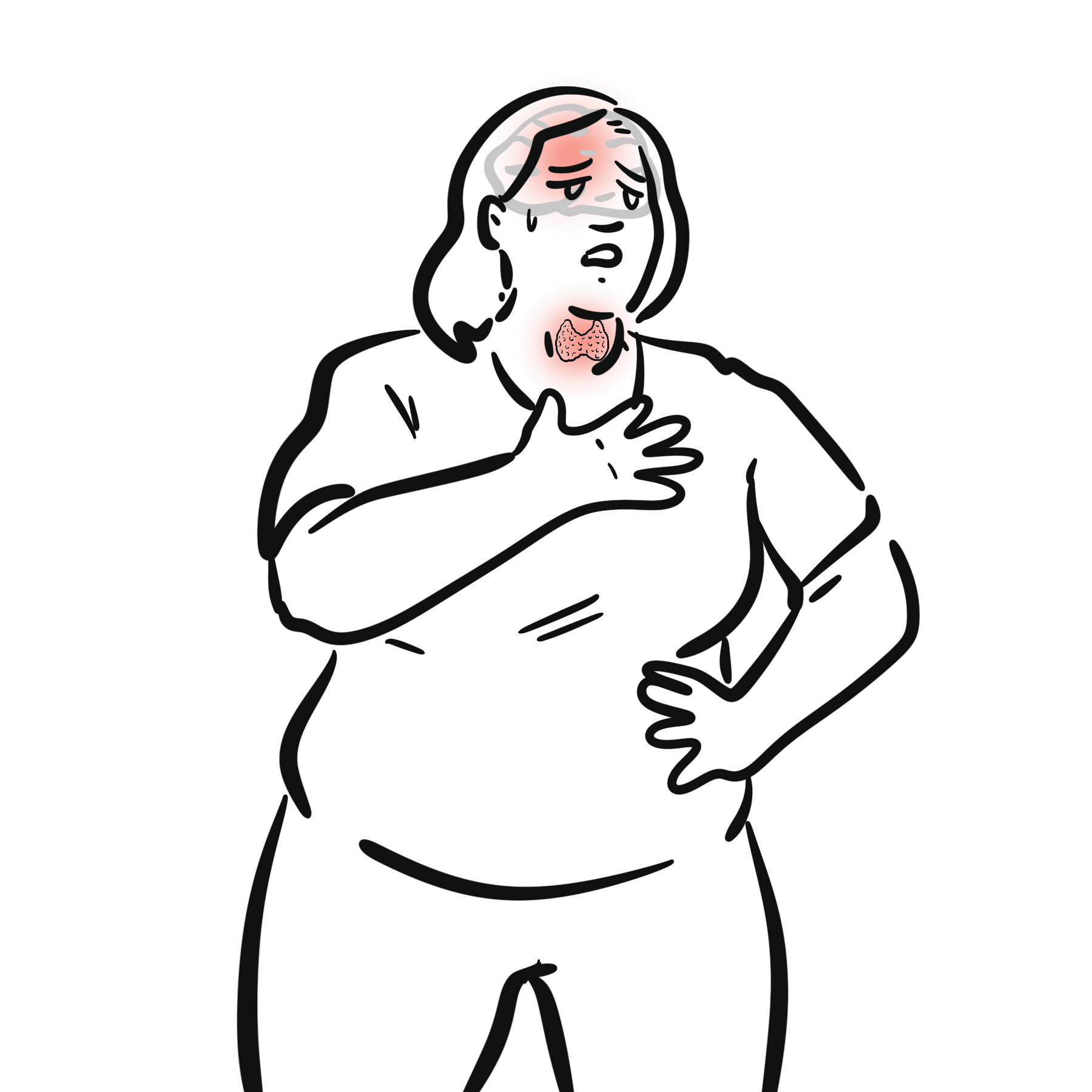
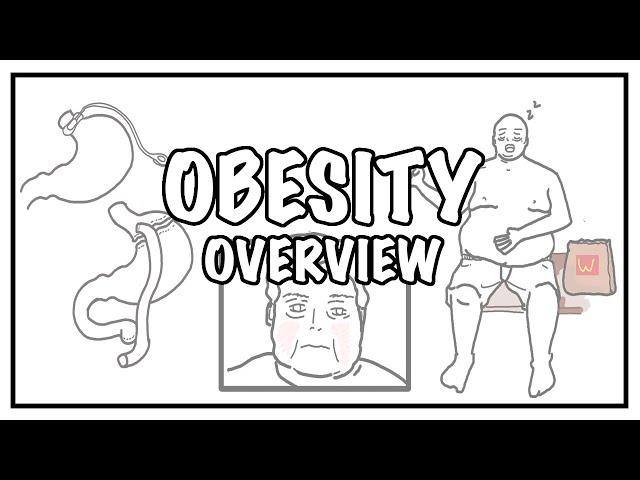
Overweight and obesity are common worldwide and are associated with many conditions, particularly diabetes, hypertension and dyslipidemia. Overweight and obesity are defined as a moral or excessive fat accusation that presents a risk to health Obesity is now dramatically on the rise in low and middle-income countries.
Management should include diet, physical activity, and behaviour change components. Long term follow-up is needed. Bariatric surgery is a treatment option for some patients with severe obesity, particularly those with type 2 diabetes. Such patients should be assessed for their suitability for this treatment.
What to notice
Detailed image description
Aetiology & Risk Factors
Aetiology
- Multi-factorial
- Energy intake > energy expenditure over a prolonged period
- Intake – cultural expectation, food availability, financial resources, likes and dislikes, emotional (anger, boredom), lack of satiety, dieting -> food cravings
- Change in Base Metabolic Rate (BMR)
Expenditure – Base Metabolic Rate (70%), thermogenesis (20%), exercise (10%). Base metabolic rate Approximately 1800 calories a day for 70kg man.Increase BMR – Sever exercise, fever, catecholamines, caffeine, thyroid hormones, smokingDecrease BMR – Age, female 10% below male, menopause.
- Epigenetics
- Environmental factors are responsible for the increase in average weight of the population
- Genetic factors explain 30-50% of variation in body weight between individuals
Risk Factors
- Genetic prediposition
- Inactivity
- Unhealthy diet and eating habits
- Family lifestyle
- Quitting smoking
- Pregnancy
- Lack of sleep
- Certain medications:
- corticosteroids (e.g., prednisone)
- atypical antipsychotics
- certain antidepressants
- diabetes medications (like insulin)
- mood stabilizers (e.g., lithium)
- > 40 yo
- Social and economic issues
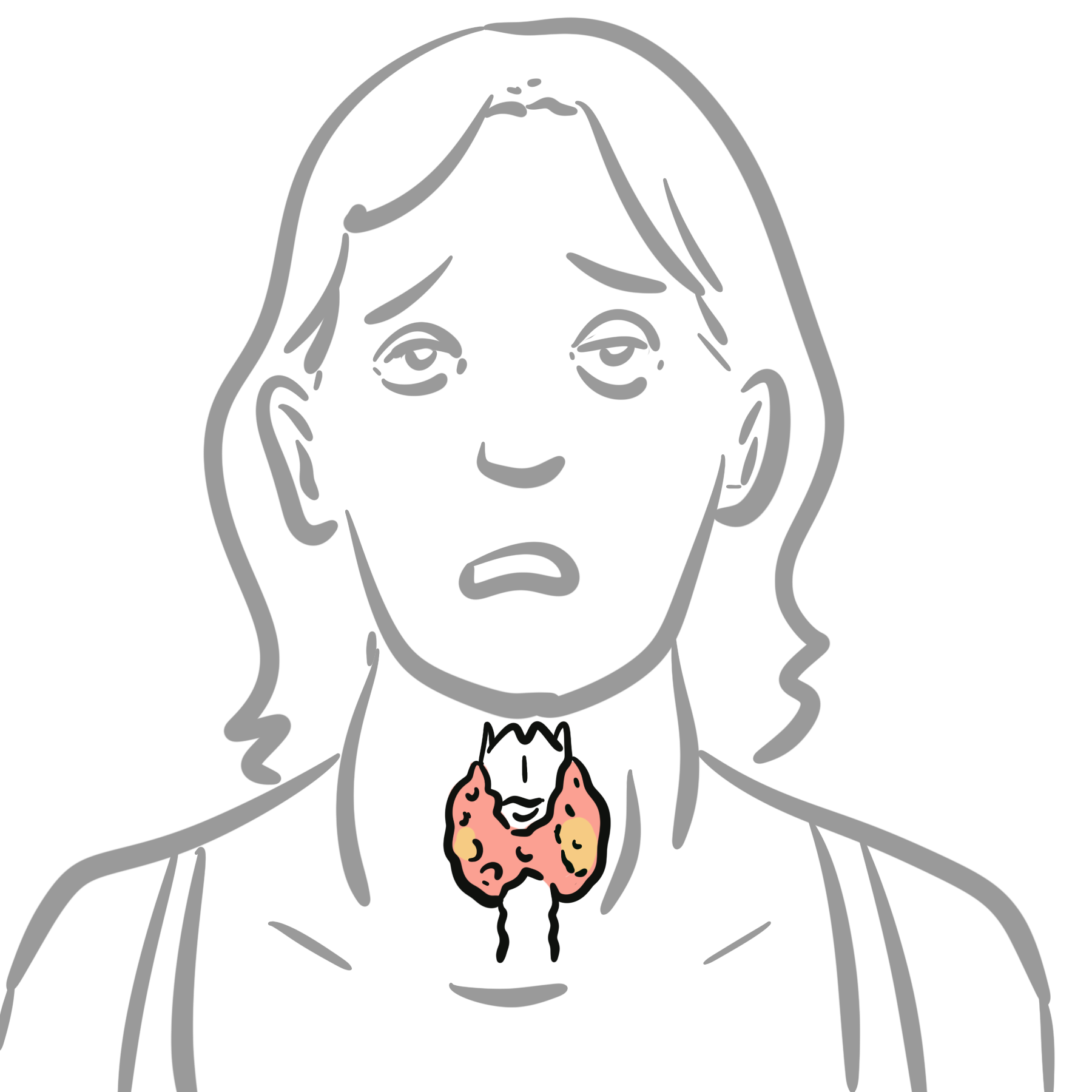
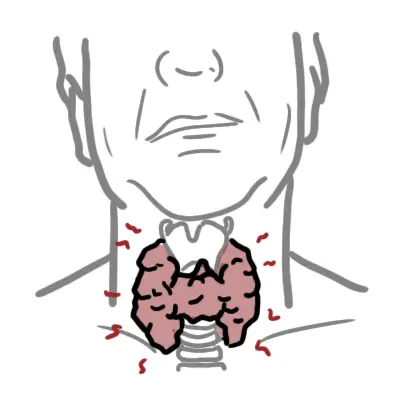
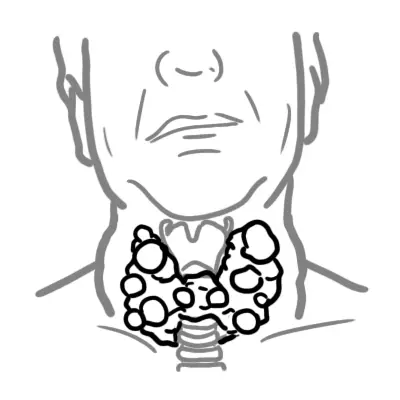
- Hypothyroidism
- Hypercortisolism
- Corticosteroid therapy
Clinical Manifestation
Assess any environmental, social, and family factors, including family history of overweight or obesity and comorbidities.
Clinical Presentation
- Varies
Physical examination
- ↑↑ BMI and Waist
- Hypertension
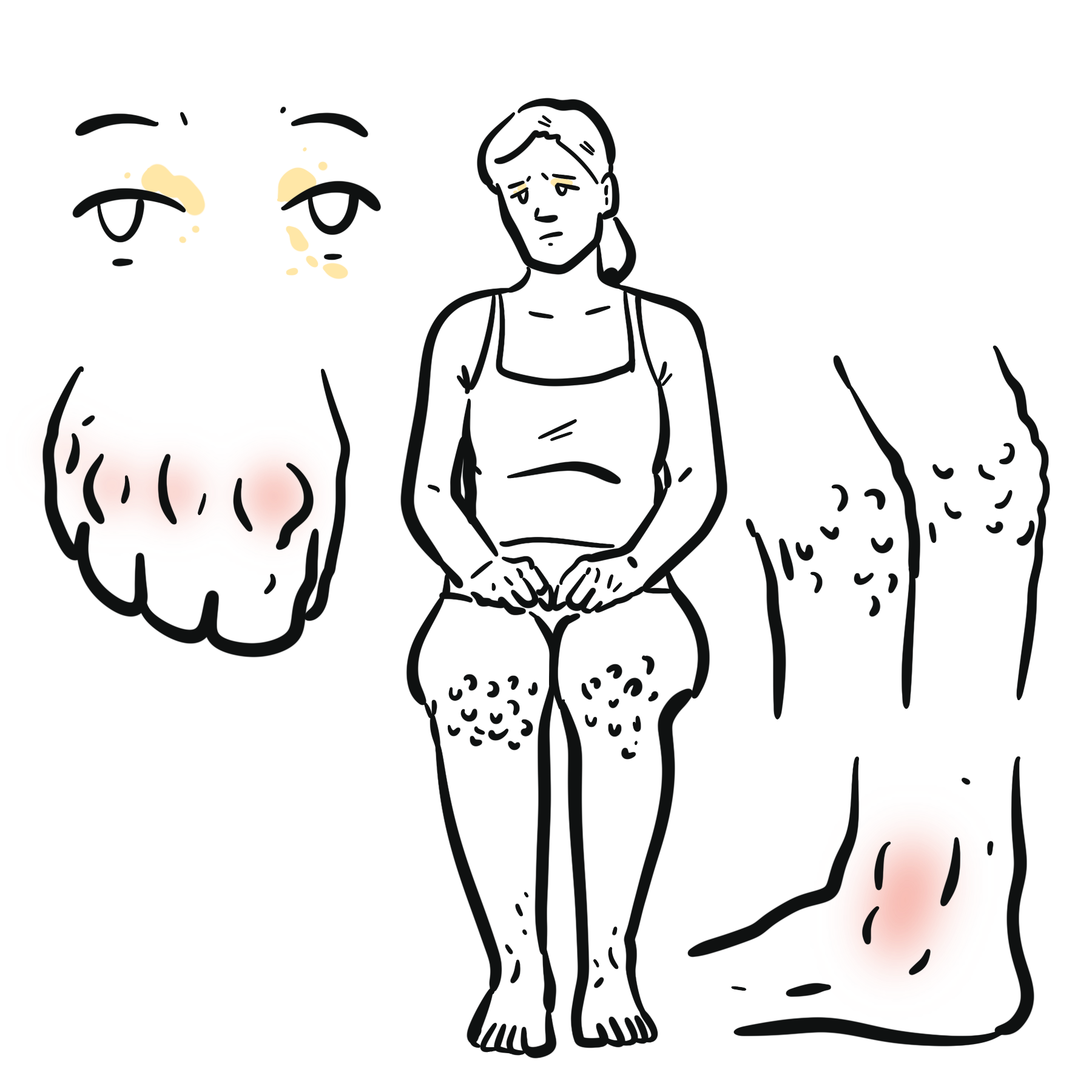
- Acanothosis Nigricans
- Striae
- Hepatomegaly
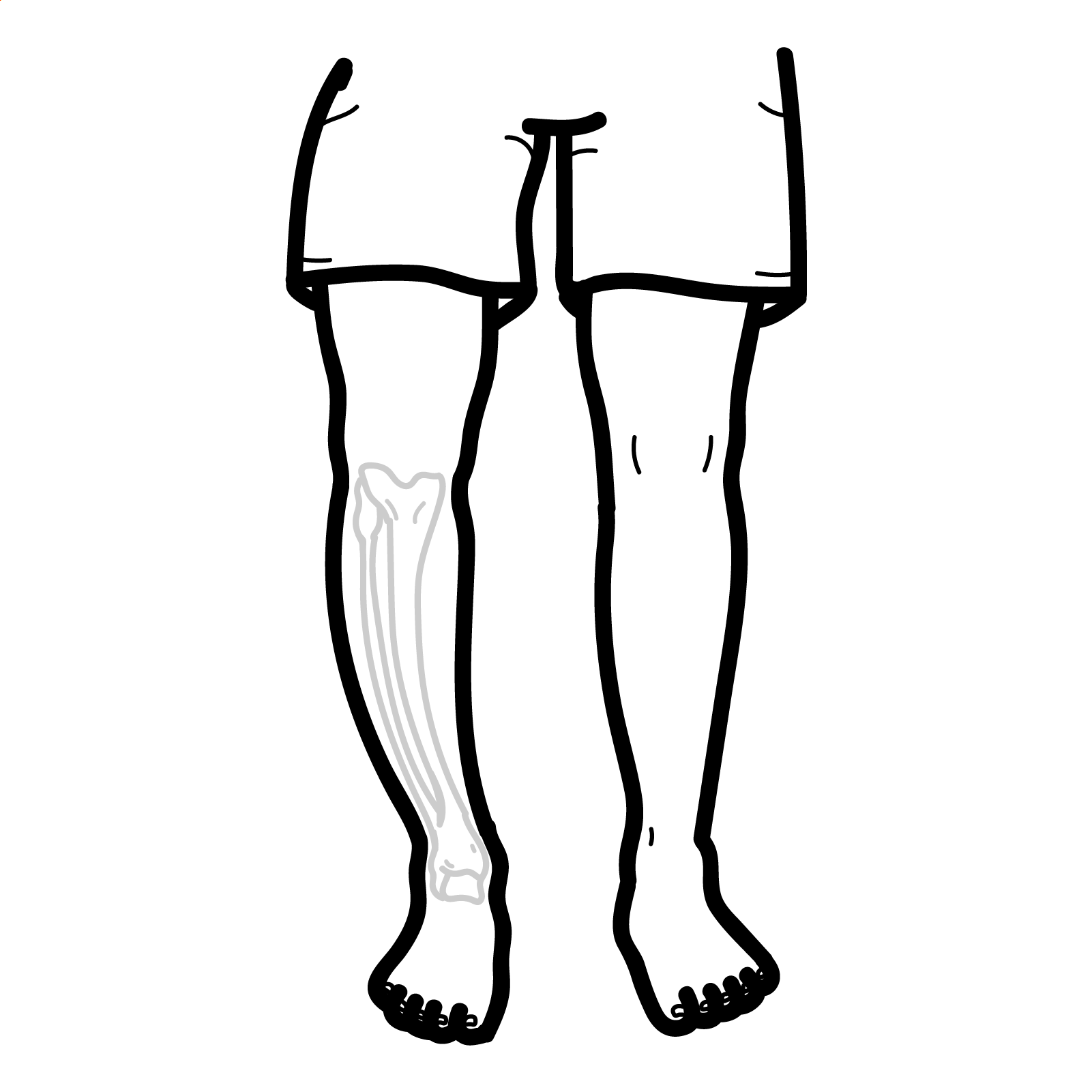
- Gait and mobility issues
- hypothyroidism?
- Cushings disease?
Assessment of weight and obesity
- Adipocity (fat tissue) is an important measurement of body weight, not total body weight.
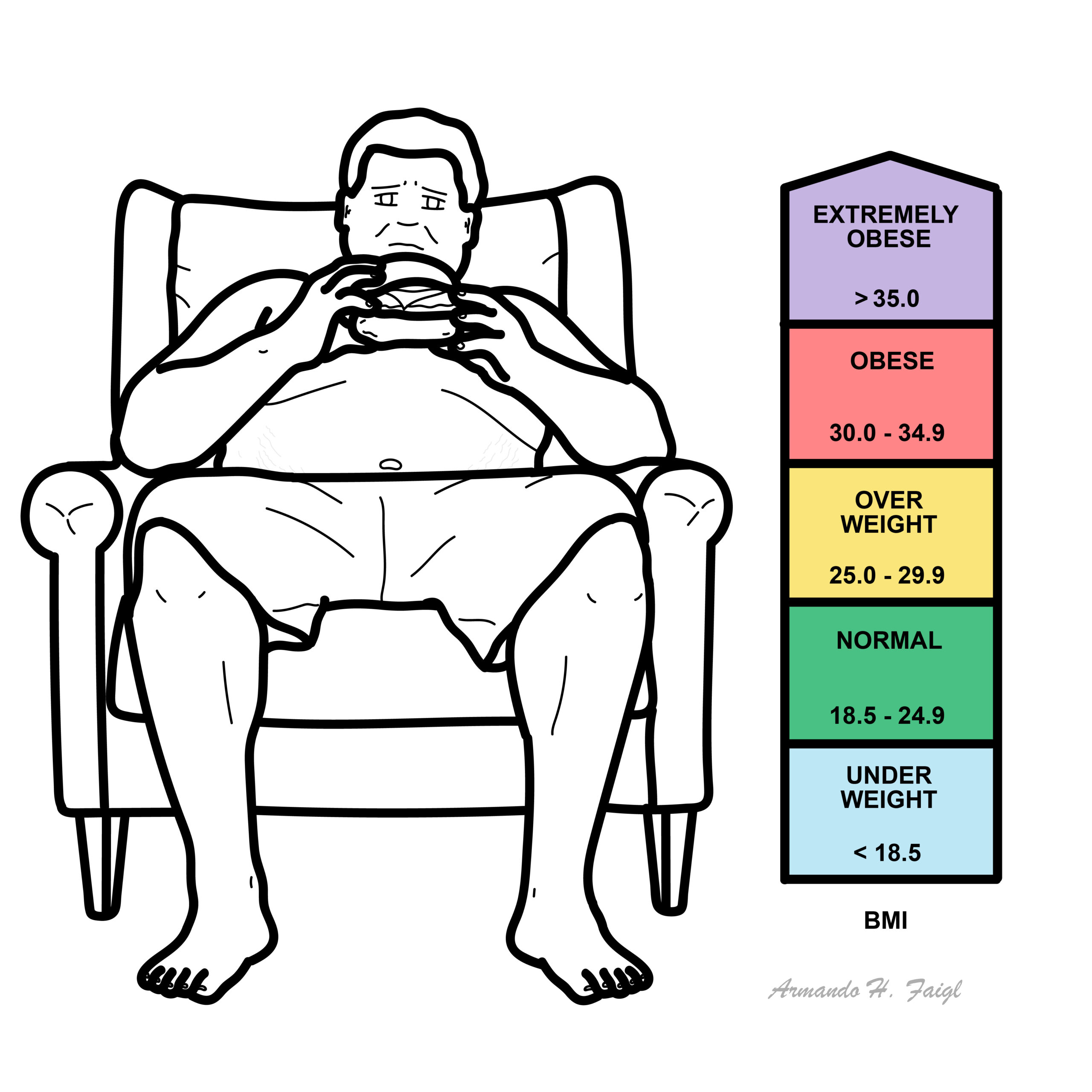
- Body mass index (BMI) is a good, but imperfect measurement of adiposity.
- BMI = weight (in Kg)/ Height (m)2
- Waist circumference is a useful indicator of central adiposity that can also be used to indicate cardio metabolic risk
- Distribution of body fat is crucial (PEAR is better than APPLE)
| Limitations of BMI on: |
| Muscular people |
| Elderly people |
| Young children (centile charts) |
| Classification | BMI | Risk of morbidities |
|---|---|---|
| Underweight | <18.5 | Increased |
| Normal weight | 18.5–24.9 | Low |
| Overweight | >25 | Increased |
| Obese I | 30–34.5 | Moderate |
| Obese II | 35.0–39.9 | Severe |
| Obese III | >40 | Very severe |
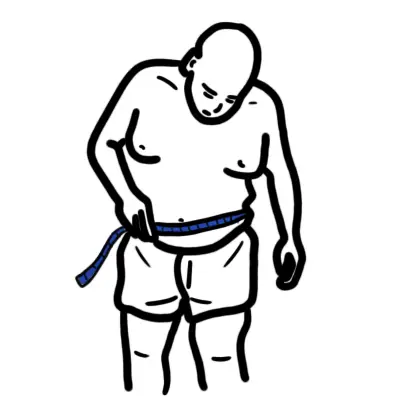
An adult’s waist circumference is measured halfway between the inferior margin of the last rib and the crest of the ilium in the mid-axillary plane. The measurement is taken at the end of normal expiration.
Diagnosis
Investigations
Investigate comorbidities and other factors to an appropriate level, depending on the person, timing of assessment, degree of overweight or obesity, and previous assessments.
Differential Diagnosis
- Primary Hypothyroidism
- Secondary Hypothyroidism
- Cushing’s Disease
- Glucocorticoid therapy
Treatment
Significant benefit (a reduction in mortality and morbidity) can be obtained with moderate weight loss (5-10%). Energy Balance is key!
Lifestyle modifications
- Diet and eating habit
- Physical activity
- Behavioural modification
Pharmacotherapy
Medications can have an adverse effect on weight by influencing either food intake (hunger) or energy expenditure. Medication should be considered in people who have a BMI >25
- Orlistat
- Sibutramine
- Phentemine (not good for long terms as risk of dependence and abuse increases)
- Antidepressants
- Antipsychotics
- Insulin
Bariatric Surgery
The most effective treatment for the morbidly obese
- Roux-en-Y Gastric bypass (30% of body weight lost)
- Gastric banding -> can induce reflex -> Barrats -> adenocarcinoma
- Sleeve Gastroectomy
| Indications for Bariatric Surgery |
| Other approaches were unsuccessful |
| BMI >35 |
| Understands surgery and risks |
| No uncontrolled psychological conditions |
| Dedicated to life-style change and follow-up |
| Facts about obesity |
| Genetics factors play a big role, but heritability is not destiny. Life-style modification (environmental change) can promote weight loss as much as pharmaceutical agents available |
| Trying to go on a diet is effective in losing weight but generally does not work well in the long-term |
| Exercise increases health regardless of body weight or weight lost |
| Physical activity or exercise in a sufficient dose aids in long-term weight maintenance |
| Continuing doing things that promote weight loss helps maintain weight loss |
| Programs that involve overweight children and their parents help promote greater weight loss or maintenance |
| Meal replacement products help promote greater weight loss |
| Pharmaceutical medication can help with weight loss and maintenance as long as the agents continue to be used. |
| In appropriate patients, bariatric surgery results in long-term weight loss and reductions in the rate of incident diabetes and mortality |
Complications & Prognosis
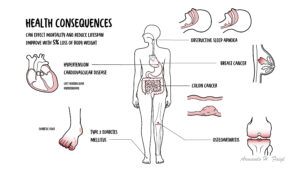
Complications
- All-causes of death (mortality)
- Metabolic Syndrome
- Hypertension
- Dyslipidemia
- Type 2 diabetes
- Coronary heart disease
- Stroke
- Gallbladder disease
- Osteoarthritis
- Sleep apnea and breathing problems
- Some cancers (endometrial, breast, colon, kidney, gallbladder, and liver)
- Low quality of life
- Mental illness such as clinical depression, anxiety, and other mental disorders
- Body pain and difficulty with physical functioning
Metabolic Syndrome is a cluster of risk factors comprising of excess abdominal weight, lipid abnormalities, hypertension and elevated glucose levels.
References
- UpToDate
- Best Practice



Members only discussions coming soon…