

Visual explanationFree resource
Visual medical education by Armando Hasudungan
Medical science, drawn into focus.
Explore visual explanations that reveal how the facts, processes and clinical patterns fit together—then discover the coming AH study platform, built to guide what you study next and check what stuck.
Connected studyComing soon
Clear visual explanations used by medical and allied-health learners around the world.
Explore the free library
Start with the topic in front of you.
Browse by subject or jump straight into the explanation you need. No account required.
Delivery (Labour) and Delivery Complications
Normal Labour Labour: Cervical change accompanied by regular uterine contractions Abnormal Labour (Dystocia or arrest): Any deviation from the definition of normal labour "Show": As a result of the dilatation of the cervix, the operculum, which formed the cervical plug during pregnancy is lost. The women may see a blood stained mucoid discharge hours before,…
View topic ↗Chronic Spontaneous Urticaria +/- angioedema
Overview Chronic spontaneous urticaria (CSU) is a mast-cell–driven skin disorder defined by recurrent wheals (hives), angioedema, or both for >6 weeks without a specific external trigger , with a point prevalence around 0.5–1% and a female predominance; median disease duration is ~2–5 years, but a subset persists longer and markedly impairs quality of life and…
View topic ↗Adult onset Still's Disease
Overview Adult Onset Still’s Disease (AOSD) is a complex multisystemic autoinflammatory disease characterised by recurrent episodes of spiking fever (> 39–40°C), pink–salmon transient skin rash, and the presence of arthralgia or polyarthritis. First described by Eric Bywaters in 1971 it closely resembles systemic onset juvenile idiopathic arthritis (Still’s disease). retrospective observational study in Japan found…
View topic ↗RA Related Pleural Effusion
Overview Rheumatoid pleural effusion (RPE) is an uncommon extra‑articular manifestation of rheumatoid arthritis (RA), occurring in ~2–5% of patients, more often in middle‑aged men with high rheumatoid factor (RF) titres, despite RA being more common in women. It typically presents during active disease or in patients with rheumatoid nodules, but can occasionally precede joint symptoms.…
View topic ↗Paediatric Bacterial Cutaneous Infection
Overview Meningitis 5 year old presents with non-blanching rash, fever, headache, photophobia and neck stiffness. Aetiology Up to three months of age Group B streptococcus E-coli Listeria Three to 12 years of age Streptococcus pneumonia N. meningitidis Clinical presentation Fever Lethargy Irritability Anorexia Nausea/vomiting Photophobia Neck and back pain/rigidity Kernig sign Brudzinski sign Investigations FBC…
View topic ↗Glomerulonephritis
Overview Glomerulonephritis is inflammation of the glomerulus. Glomerulonephritis is classified by clinical syndrome/presentation (e.g. nephritic or nephrotic syndrome), histological appearance , or by aetiology. We will divide glomerulonephritis broadly into two broad types: Nephritic glomerulonephritis and nephrotic glormerulonephritis. Classification Two Types of Glomerular disease: Nephrotic Syndrome Nephritic Syndrome DIFFERENCE BETWEEN NEPHROTIC AND NEPHRITIS SYNDROME …
View topic ↗Guillain–Barré Syndrome
Overview Guillain-Barré Syndrome (GBS) is an acute, immune-mediated polyneuropathy typically triggered by a preceding gastrointestinal or respiratory infection. It is characterised by an autoimmune attack on the peripheral nerves, leading to mainly demyelination but also axonal degeneration, which impairs nerve conduction and causes muscle weakness and paralysis. GBS affects about 1–2 per 100,000 people annually.…
View topic ↗Full resource library
Browse all topics ↗Choose how you learn
One idea. More than one way to see it.
Use the format that helps the topic click, then switch formats when you need to reinforce it.
01 / WATCH02 / READ03 / SEE04 / CHECK
Videos
Hand-drawn explanations that build the big picture as the concept unfolds.
Notes
Clear written explanations for review, reference and filling in the details.
Diagrams
Visual snapshots that help you easily review topics.
Questions
Test whether the explanation stayed with you—not just whether it looked familiar.
Good places to begin
Explanations learners return to.
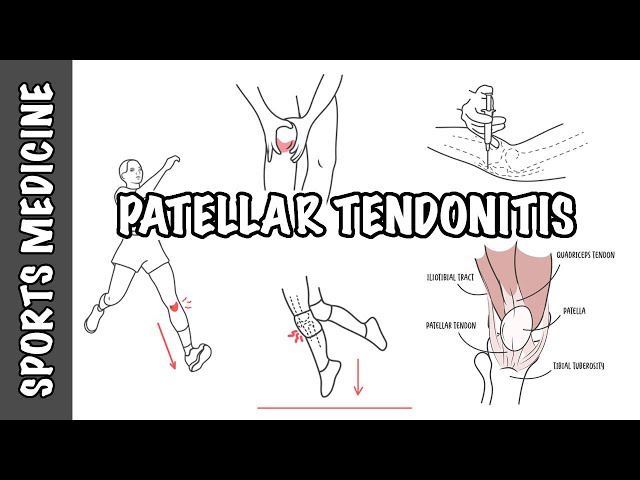
Patellar Tendonitis and Patellar Tendinopathy
Understand patellar tendonitis and tendinopathy, conditions that cause pain and inflammation in the tendon connecting the kneecap to the shinbone. This video explains the underlying causes, risk factors, clinical presentation, and treatment strategies for effective recovery.
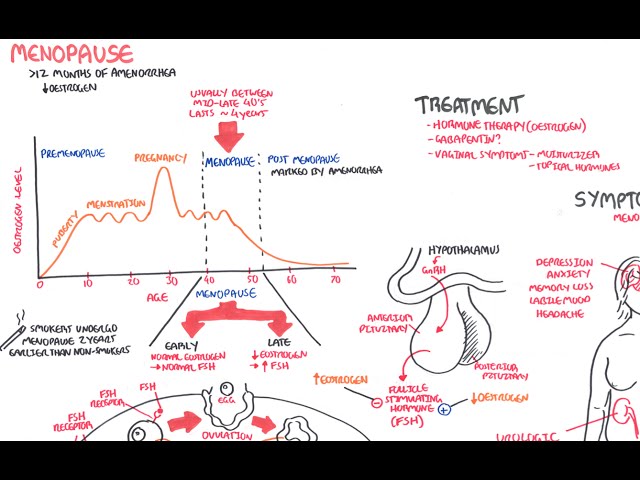
Menopause
Learn about menopause, the natural biological transition marking the end of a woman's reproductive years, characterized by hormonal changes and cessation of menstruation. This video covers common symptoms, physiological effects, and management options to support health and well-being during this stage.
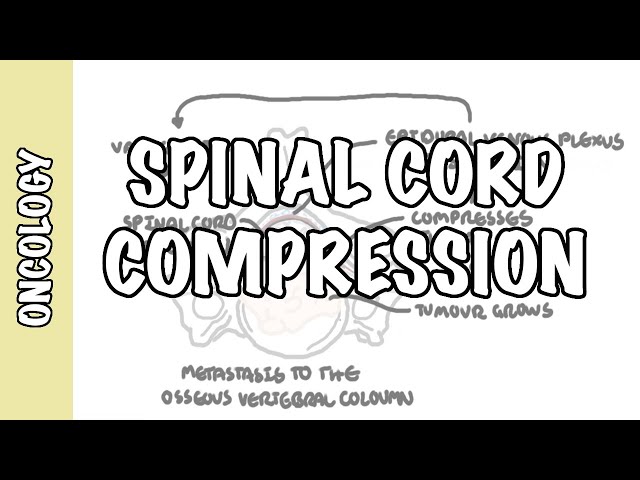
Spinal Cord Compression – medical emergency, causes, symptoms, diagnosis, treatment
Spinal cord compression is a medical emergency that can lead to permanent neurological damage if not promptly treated. This video covers the causes, key symptoms like motor and sensory deficits, diagnostic approach, and urgent treatment strategies to preserve spinal function.
Our mission
Medical science is complex. Understanding it should feel possible.
Armando Hasudungan turns difficult medical science into clear visual explanations and connected learning experiences—so learners can see the whole picture, remember what matters and find a clearer way forward.
See it clearly
Turn abstract processes and invisible relationships into something the learner can picture.
Connect the pieces
Build understanding around how concepts fit together—not a pile of isolated facts.
Make it useful
Help learners move from explanation to recall, revision and the next logical step.
What clarity feels like
When the topic stops being a blur.
Learners do not come back because the subject became easy. They come back because the explanation gave them a picture they could work with.
“Armando's teaching style gives me the foundational knowledge.
Jessica Payne-Burnett
Medical Student, Charles Sturt University
“The notes I make during his videos help me retain everything better.
Ayesha RaiStudent, Islamabad Medical and Dental College
“The drawings are amazing and super easy to remember.
Reem Mohamed Khair Abdalrazig
Student, Neelain University
Coming soon: the AH study platform
The explanation is only the start.
The free library helps you find a clear explanation. The AH platform is being built to help you connect the resources, follow a clearer path and check what actually stuck.
- Watch in a focused, ad-free study environment.
- Move between connected videos, notes, diagrams and questions.
- Know what belongs next instead of rebuilding the study path yourself.
- Test your understanding while the topic is still fresh.
New and worth a look
Keep building the picture.
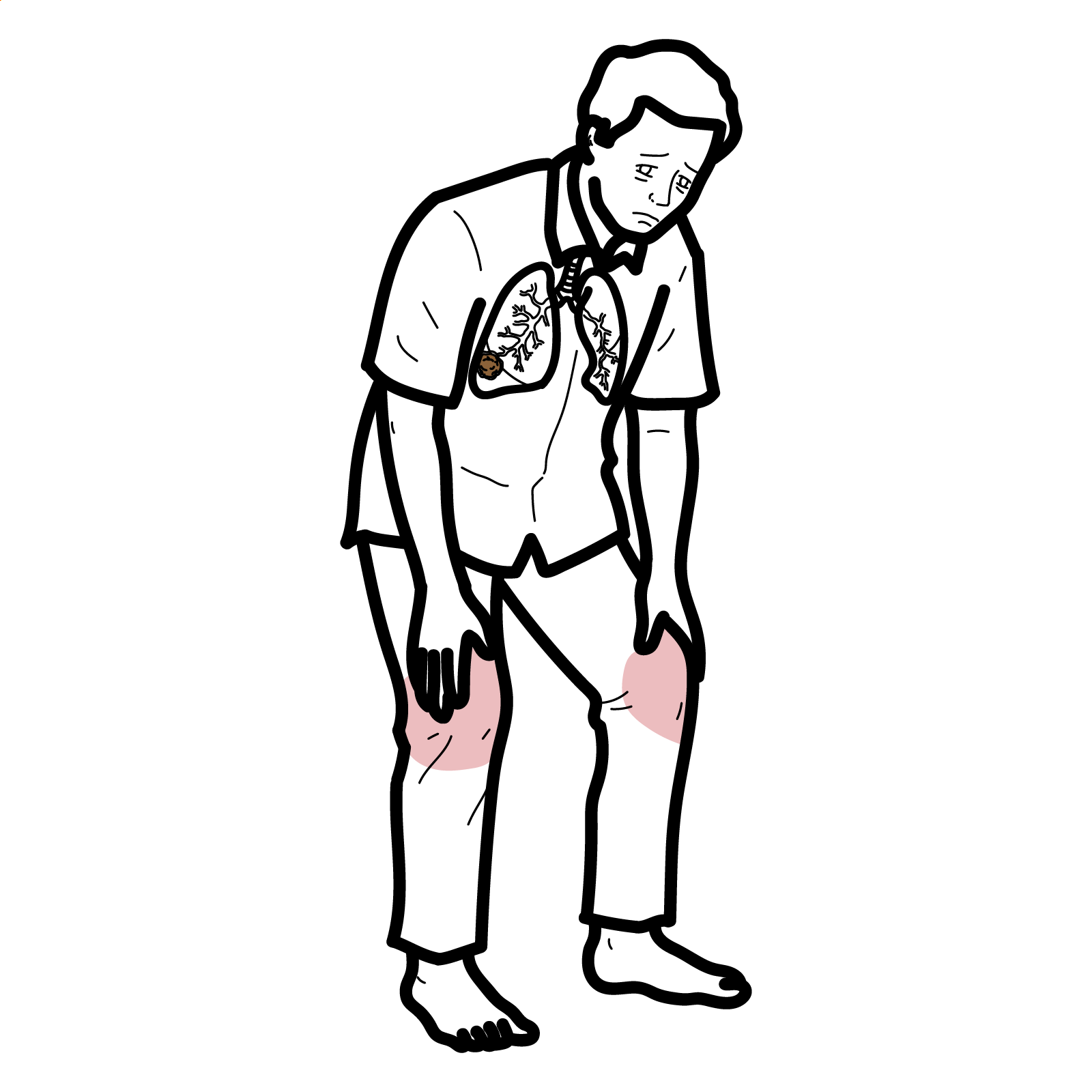
Lambert-Eaton Myasthenic Syndrome
Overview Lambert–Eaton myasthenic syndrome (LEMS) is a rare autoimmune disorder of the presynaptic neuromuscular junction. It causes impaired acetylcholine release, producing the characteristic triad of proximal muscle weakness, reduced reflexes and autonomic dysfunction. LEMS may occur as a paraneoplastic syndrome—most commonly associated with small-cell lung cancer (SCLC)—or as a non-tumour-associated autoimmune disorder. Neuromuscular junction: connection…
View this topic ↗About Visualising Medicine
Good education does not remove complexity. It makes complexity feel simple.
Visualising Medicine is the team behind Armando Hasudungan. We bring together medicine, illustration, writing and technology to make difficult ideas clearer—and build better ways for learners to use them.