

Visual explanationFree resource
Visual medical education by Armando Hasudungan
Medical science, drawn into focus.
Explore visual explanations that reveal how the facts, processes and clinical patterns fit together—then discover the coming AH study platform, built to guide what you study next and check what stuck.
Connected studyComing soon
Clear visual explanations used by medical and allied-health learners around the world.
Explore the free library
Start with the topic in front of you.
Browse by subject or jump straight into the explanation you need. No account required.
Undifferentiated Connective Tissue Disease (UCTD)
Overview UCTD is a systemic autoimmune disease with features of connective tissue disease (CTD), but does not fulfill classification criteria for any specific CTD such as SLE, Sjögren’s syndrome, systemic sclerosis, or polymyositis. It is a diagnosis of exclusion used for patients with persistent autoimmune features who do not evolve into a defined CTD. Commonly…
View topic ↗Acute Appendicitis
Overview Acute appendicitis is an acute inflammation of the vermiform (worm-like) appendix. It is mainly caused by obstruction of the lumen of the appendix by stool, infective agents or lymphoid hyperplasia. Acute appendicits is the most common abdominal surgical emergency in the world, with a lifetime risk of 6.9% in females and 8.6% in males.…
View topic ↗Spermatocele
Overview A spermatocele, or spermatic cyst, is a benign fluid-filled cyst arising from the epididymis, usually near the upper pole of the testis. It commonly contains clear or milky fluid with spermatozoa. Most spermatoceles are painless, discovered incidentally and do not require treatment. Epididymis: coiled structure behind the testis that stores and transports sperm. Spermatocele:…
View topic ↗Selective IgA Deficiency
Overview Selective IgA deficiency is the most common primary immunodeficiency, defined by very low or absent serum IgA levels with normal levels of other immunoglobulins (IgG, IgM). Many patients are asymptomatic, but some develop recurrent mucosal infections, allergic disease, or autoimmune disorders. Prevalence is estimated at 1:300 to 1:700 in Caucasian populations. Diagnosis is often…
View topic ↗Infective Endocarditis
Overview Infective endocarditis is a condition which occurs in the setting of bacteraemia whereby endothelial surfaces of the heart, such as valvular structures, become infected. It can present acutely or subacutely, and is often associated with fevers, new heart murmurs, constitutional symptoms and embolic phenomena. The classical organism associated is Staphylcoccus aureus, however there are…
View topic ↗Sickle Cell Anaemia
Overview Sickle cell anaemia is an autosomal recessive disorder causing production of abnormal ß-globin chains. A single amino acid is substituted in the ß-globin chain (Glu to Val at position 6). This results in the production of HbS (haemoglobin Sickle) rather than HbA. The common variants of sickle cell disease are: Sickle cell anaemia (SS…
View topic ↗Paediatric Orthopaedics Overview
Osteochondroses Osteochondroses is a condition that affects the epiphysis of bones. Pathology consists of localised area of ischaemic bone necrosis and oedema of adjacent soft tissue. Osteochondroses result in avascular necrosis of the epiphyseal bone, similar to Perthes disease, but less common. In general osteochondroses is more troublesome than serious. Age effects usually 10-15 +/-…
View topic ↗Full resource library
Browse all topics ↗Choose how you learn
One idea. More than one way to see it.
Use the format that helps the topic click, then switch formats when you need to reinforce it.
01 / WATCH02 / READ03 / SEE04 / CHECK
Videos
Hand-drawn explanations that build the big picture as the concept unfolds.
Notes
Clear written explanations for review, reference and filling in the details.
Diagrams
Visual snapshots that help you easily review topics.
Questions
Test whether the explanation stayed with you—not just whether it looked familiar.
Good places to begin
Explanations learners return to.
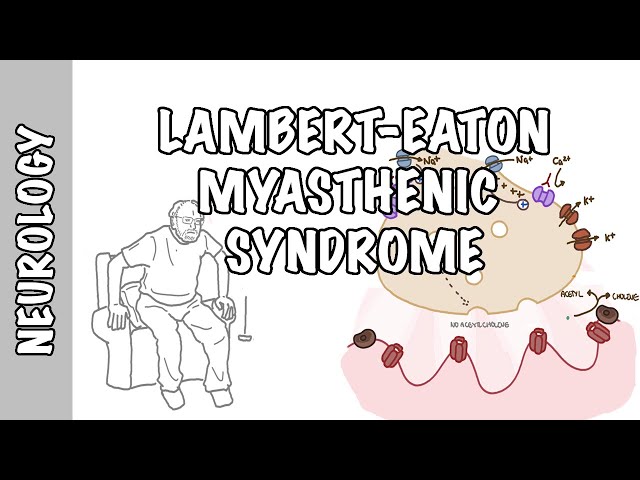
Lambert-Eaton Myasthenic Syndrome – pathophysiology, signs and symptoms and treatment
Learn about Lambert-Eaton Myasthenic Syndrome (LEMS), a rare autoimmune disorder affecting neuromuscular transmission due to impaired calcium channel function. This video explains its pathophysiology, hallmark signs such as proximal muscle weakness and autonomic symptoms, along with current diagnostic and treatment strategies.
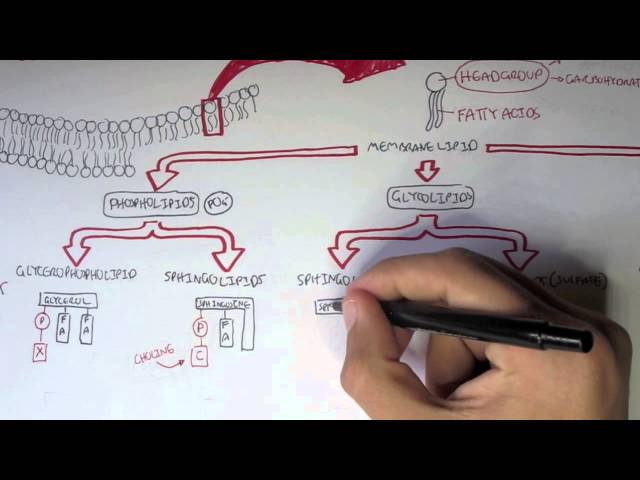
Cell Membrane II – Types of Lipid Membranes
Discover the different classes of lipids that make up the cell membrane and how they contribute to its structure and function. This video also explores key evidence supporting the fluid mosaic model and provides a sense of the membrane’s scale and dynamic nature.
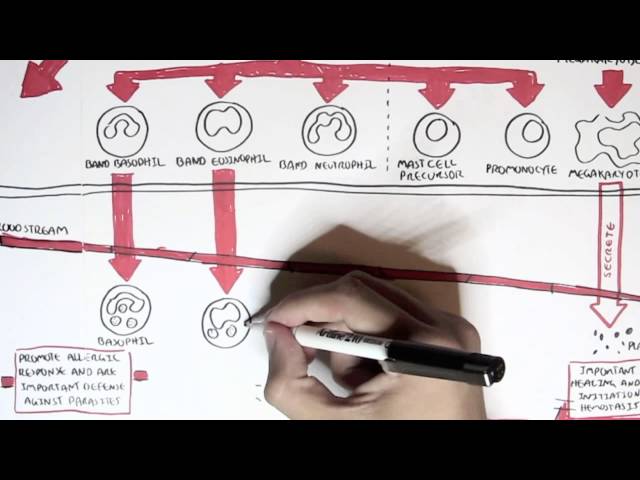
Immunology Map – Immune Cells
Learn about the key immune cells, including their origins, functions, and roles in coordinating immune responses. This video provides a clear and organized breakdown of cells like lymphocytes, macrophages, dendritic cells, and more.
Our mission
Medical science is complex. Understanding it should feel possible.
Armando Hasudungan turns difficult medical science into clear visual explanations and connected learning experiences—so learners can see the whole picture, remember what matters and find a clearer way forward.
See it clearly
Turn abstract processes and invisible relationships into something the learner can picture.
Connect the pieces
Build understanding around how concepts fit together—not a pile of isolated facts.
Make it useful
Help learners move from explanation to recall, revision and the next logical step.
What clarity feels like
When the topic stops being a blur.
Learners do not come back because the subject became easy. They come back because the explanation gave them a picture they could work with.
“Armando's teaching style gives me the foundational knowledge.
Jessica Payne-Burnett
Medical Student, Charles Sturt University
“The notes I make during his videos help me retain everything better.
Ayesha RaiStudent, Islamabad Medical and Dental College
“The drawings are amazing and super easy to remember.
Reem Mohamed Khair Abdalrazig
Student, Neelain University
Coming soon: the AH study platform
The explanation is only the start.
The free library helps you find a clear explanation. The AH platform is being built to help you connect the resources, follow a clearer path and check what actually stuck.
- Watch in a focused, ad-free study environment.
- Move between connected videos, notes, diagrams and questions.
- Know what belongs next instead of rebuilding the study path yourself.
- Test your understanding while the topic is still fresh.
New and worth a look
Keep building the picture.
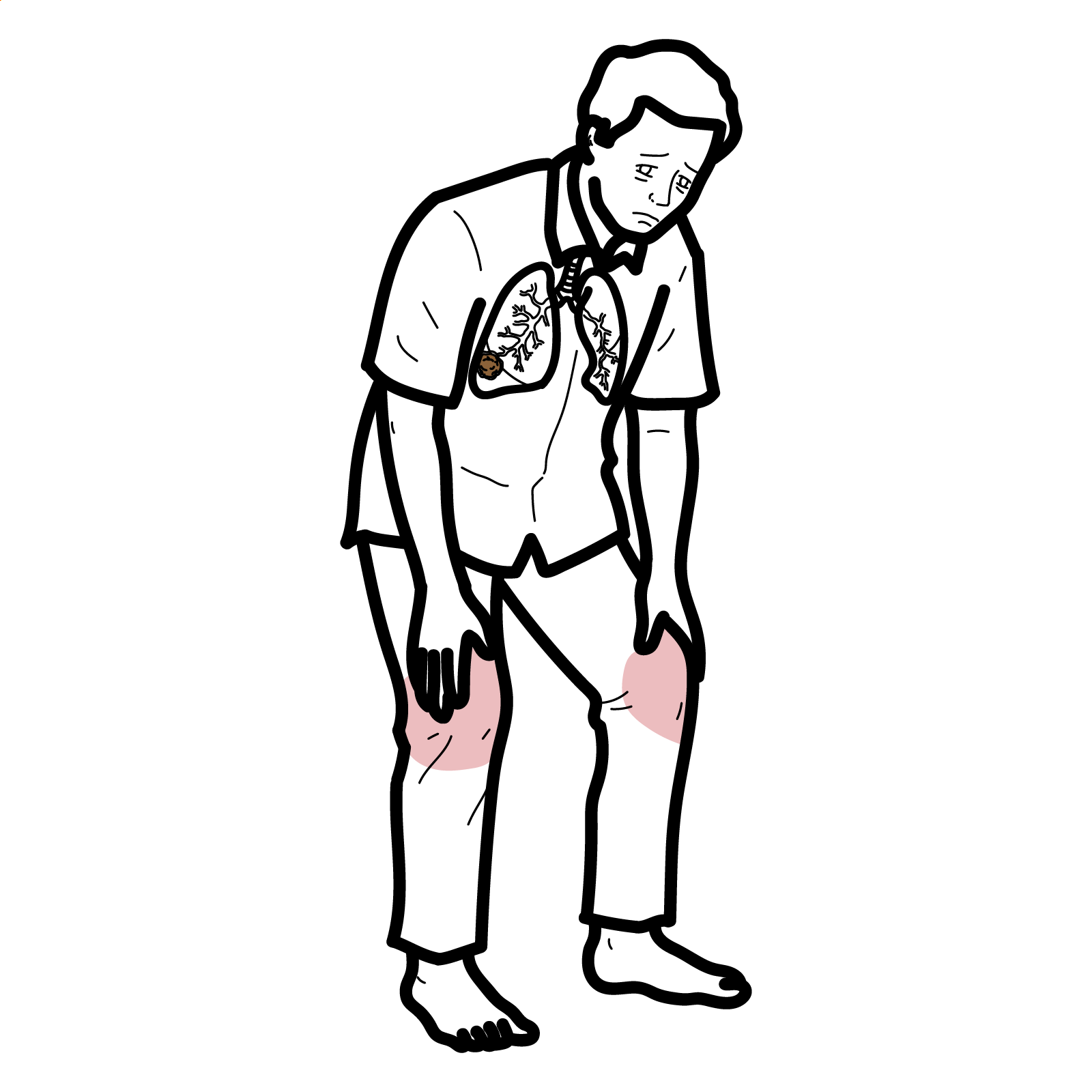
Lambert-Eaton Myasthenic Syndrome
Overview Lambert–Eaton myasthenic syndrome (LEMS) is a rare autoimmune disorder of the presynaptic neuromuscular junction. It causes impaired acetylcholine release, producing the characteristic triad of proximal muscle weakness, reduced reflexes and autonomic dysfunction. LEMS may occur as a paraneoplastic syndrome—most commonly associated with small-cell lung cancer (SCLC)—or as a non-tumour-associated autoimmune disorder. Neuromuscular junction: connection…
View this topic ↗About Visualising Medicine
Good education does not remove complexity. It makes complexity feel simple.
Visualising Medicine is the team behind Armando Hasudungan. We bring together medicine, illustration, writing and technology to make difficult ideas clearer—and build better ways for learners to use them.