

Visual explanationFree resource
Visual medical education by Armando Hasudungan
Medical science, drawn into focus.
Explore visual explanations that reveal how the facts, processes and clinical patterns fit together—then discover the coming AH study platform, built to guide what you study next and check what stuck.
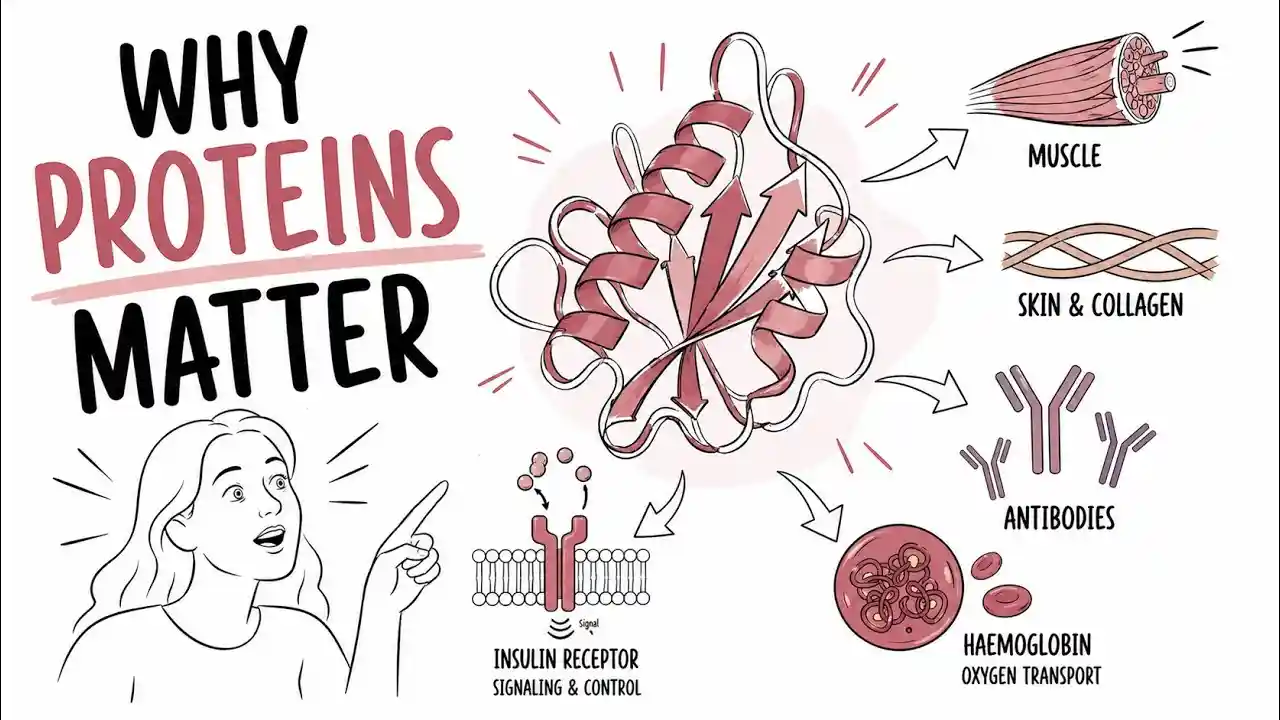
Connected studyComing soon
Clear visual explanations used by medical and allied-health learners around the world.
Explore the free library
Start with the topic in front of you.
Browse by subject or jump straight into the explanation you need. No account required.
Scaphoid Fracture
Overview Scaphoid fracture is the most common carpal bone fracture , accounting for ~60–70% of all carpal fractures. It occurs most frequently in young adults (15–40 years) following a fall on the outstretched hand (FOOSH). The scaphoid’s tenuous blood supply predisposes to non-union and avascular necrosis, especially in proximal fractures. Early recognition is essential as…
View topic ↗Shoulder Impingement Syndrome (Subacromial Pain Syndrome)
Overview Shoulder impingement syndrome, now more commonly referred to as subacromial pain syndrome (SAPS) , is one of the most frequent causes of shoulder pain. It accounts for ~40–65% of shoulder complaints in primary care and sports medicine settings. It occurs due to mechanical compression of the rotator cuff tendons (most commonly supraspinatus) and subacromial…
View topic ↗Tonsilitis
Overview Tonsillitis is inflammation or infection of the tonsils. Tonsils are lymphoid tissues that are situated on both side of the throat. Generally, the palatine tonsil are referred to as "the tonsils". Tonsils: Collections of lymphoid tissue at the entrance to the pharynx, on either side of the uvula (the palatine tonsils). There are also…
View topic ↗Paget’s Disease of Bone
Overview Paget’s disease of bone (PDB) is a chronic skeletal disorder characterised by focal areas of accelerated and disorganised bone remodelling. The disease begins with excessive osteoclastic bone resorption followed by a compensatory increase in osteoblastic bone formation. The result is structurally weak, enlarged, and deformed bone that is prone to fracture and complications such…
View topic ↗Pre-operative Care
Overview Definition Perioperative Management refers to the period of time extending from the day prior to surgical intervention to several days after said intervention. It consists of the preoperative, intraoperative and postoperative period. Patient education Investigation used at surgery Coagulation status (ie. INR <2) Imaging scans for day of surgery Pre-operative care Aims: to provide…
View topic ↗Liver Cysts
Authors Dr. Armando Faigl Areej zeeshan Ahmed Overview Liver cysts are fluid filled cavities in the liver that are asymptomatic and usually found incidentally on abdominal imaging. Larger cysts are more commonly associated with symptoms and complications. Clinical Manifestations Differential diagnosis for all liver cysts Liver abscess Benign tumors Malignant tumors Regenerative nodules Cholelithiasis GERD…
View topic ↗Gastric Antral Vascular Ectasia (GAVE)
Overview Gastric antral vascular ectasia (GAVE, “watermelon stomach”) is a rare but important cause of non-variceal upper gastrointestinal bleeding, often presenting with chronic iron-deficiency anaemia or recurrent overt bleeding in older adults, particularly women [1–4]. It is frequently associated with systemic conditions such as liver cirrhosis (~30% of cases) and autoimmune/connective-tissue disease (especially systemic sclerosis).…
View topic ↗Full resource library
Browse all topics ↗Choose how you learn
One idea. More than one way to see it.
Use the format that helps the topic click, then switch formats when you need to reinforce it.
01 / WATCH02 / READ03 / SEE04 / CHECK
Videos
Hand-drawn explanations that build the big picture as the concept unfolds.
Notes
Clear written explanations for review, reference and filling in the details.
Diagrams
Visual snapshots that help you easily review topics.
Questions
Test whether the explanation stayed with you—not just whether it looked familiar.
Good places to begin
Explanations learners return to.
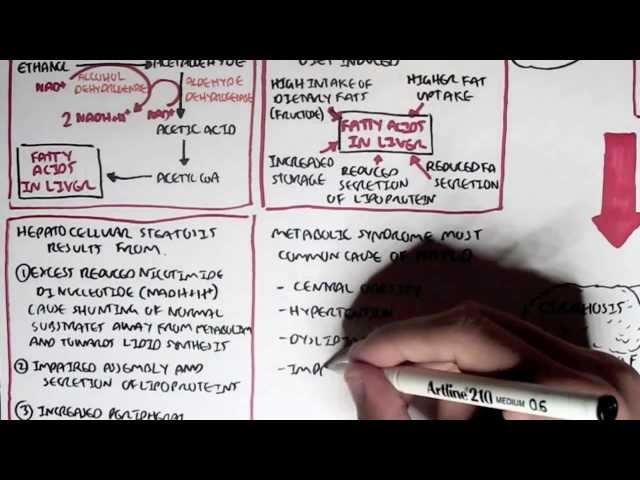
Liver Disease Part II
Continue learning about liver disease with a focus on advanced conditions such as cirrhosis, portal hypertension, and liver failure. This video explains the complications, clinical features, and underlying mechanisms of progressive liver damage.
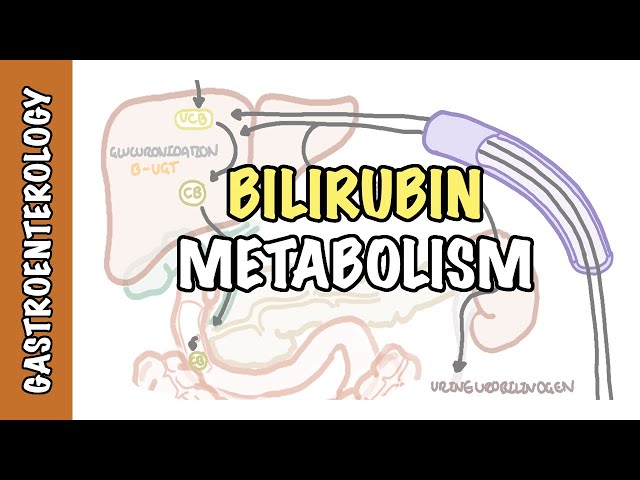
Bilirubin Metabolism – unconjugated and conjugated bilirubin
Learn how bilirubin is formed and processed in the body, distinguishing between unconjugated and conjugated forms. This video explains the steps of bilirubin metabolism, its transport, hepatic conjugation, and clinical relevance in conditions like jaundice.
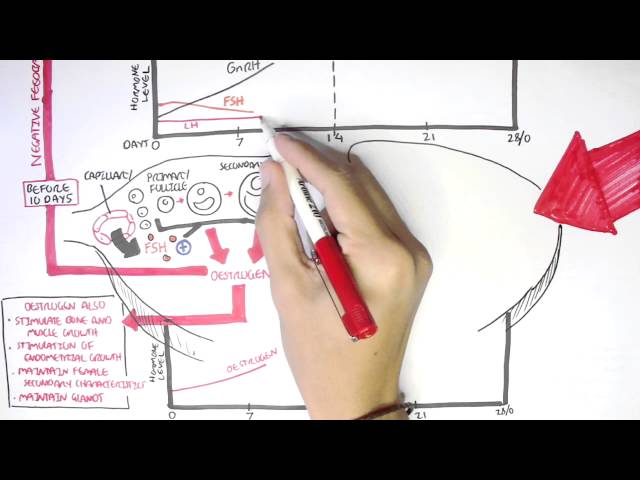
Menstrual cycle – hormonal regulation and feedback mechanisms
Master the hormonal regulation of the female reproductive cycle with a clear, visual walkthrough of FSH, LH, estrogen, progesterone, inhibin, and the hypothalamic-pituitary-ovarian axis. This video explains the menstrual cycle’s two phases—follicular and luteal—while showing how gonadotropin-releasing hormone from the hypothalamus drives FSH and LH release from the anterior pituitary, and how ovarian hormones feedback…
Our mission
Medical science is complex. Understanding it should feel possible.
Armando Hasudungan turns difficult medical science into clear visual explanations and connected learning experiences—so learners can see the whole picture, remember what matters and find a clearer way forward.
See it clearly
Turn abstract processes and invisible relationships into something the learner can picture.
Connect the pieces
Build understanding around how concepts fit together—not a pile of isolated facts.
Make it useful
Help learners move from explanation to recall, revision and the next logical step.
What clarity feels like
When the topic stops being a blur.
Learners do not come back because the subject became easy. They come back because the explanation gave them a picture they could work with.
“Armando's teaching style gives me the foundational knowledge.
Jessica Payne-Burnett
Medical Student, Charles Sturt University
“The notes I make during his videos help me retain everything better.
Ayesha RaiStudent, Islamabad Medical and Dental College
“The drawings are amazing and super easy to remember.
Reem Mohamed Khair Abdalrazig
Student, Neelain University
Coming soon: the AH study platform
The explanation is only the start.
The free library helps you find a clear explanation. The AH platform is being built to help you connect the resources, follow a clearer path and check what actually stuck.
- Watch in a focused, ad-free study environment.
- Move between connected videos, notes, diagrams and questions.
- Know what belongs next instead of rebuilding the study path yourself.
- Test your understanding while the topic is still fresh.
New and worth a look
Keep building the picture.
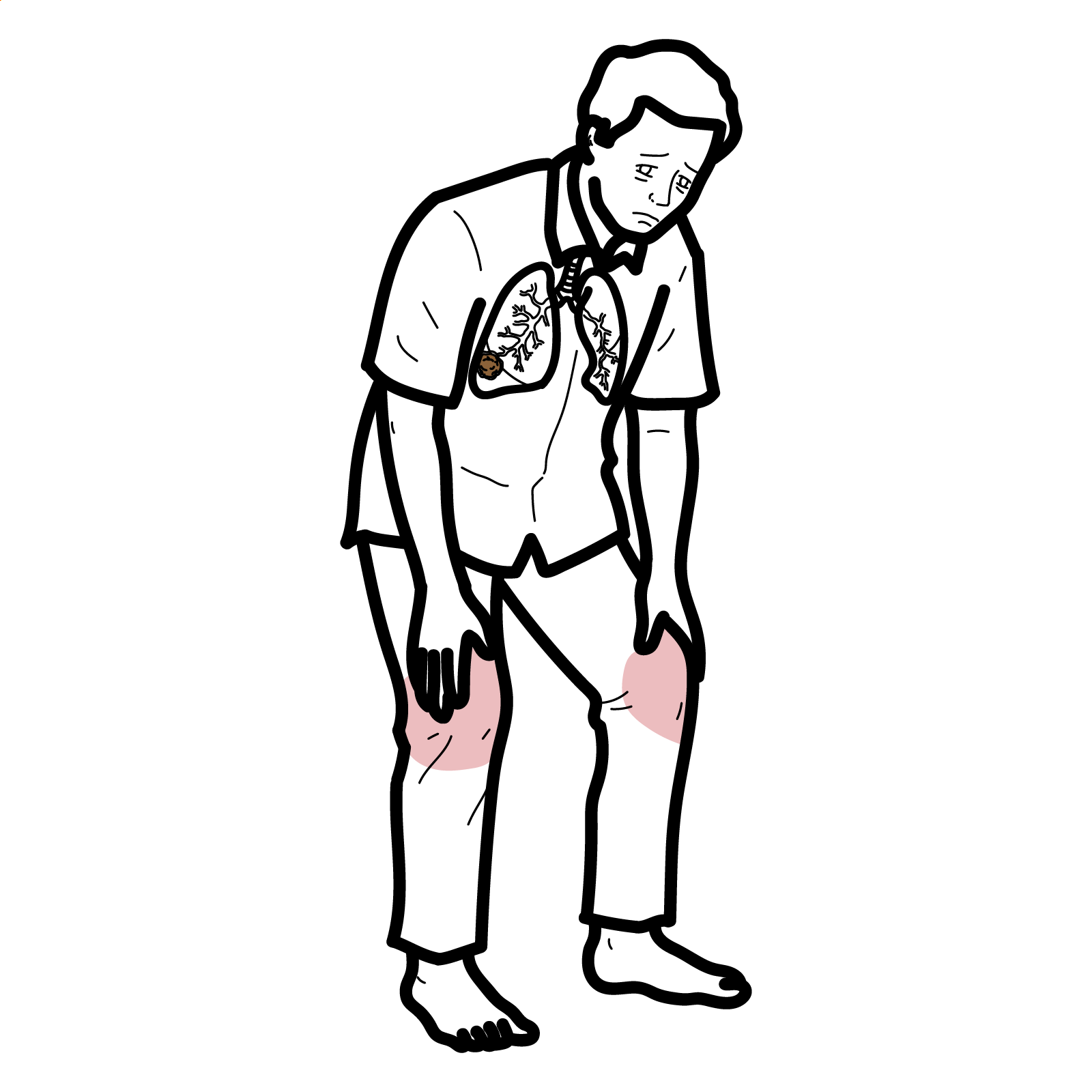
Lambert-Eaton Myasthenic Syndrome
Overview Lambert–Eaton myasthenic syndrome (LEMS) is a rare autoimmune disorder of the presynaptic neuromuscular junction. It causes impaired acetylcholine release, producing the characteristic triad of proximal muscle weakness, reduced reflexes and autonomic dysfunction. LEMS may occur as a paraneoplastic syndrome—most commonly associated with small-cell lung cancer (SCLC)—or as a non-tumour-associated autoimmune disorder. Neuromuscular junction: connection…
View this topic ↗About Visualising Medicine
Good education does not remove complexity. It makes complexity feel simple.
Visualising Medicine is the team behind Armando Hasudungan. We bring together medicine, illustration, writing and technology to make difficult ideas clearer—and build better ways for learners to use them.