

Visual explanationFree resource
Visual medical education by Armando Hasudungan
Medical science, drawn into focus.
Explore visual explanations that reveal how the facts, processes and clinical patterns fit together—then discover the coming AH study platform, built to guide what you study next and check what stuck.
Connected studyComing soon
Clear visual explanations used by medical and allied-health learners around the world.
Explore the free library
Start with the topic in front of you.
Browse by subject or jump straight into the explanation you need. No account required.
Dementia
Overview Dementia is a disorder that is characterized by impairment of cognition, typically involving memory and at least one other cognitive deficit, such as aphasia, apraxia, agnosia, or disturbance in executive functioning. These must represent a decline from previous level of function and be severe enough to interfere with daily function and independence. Decrease in intellectual…
View topic ↗Aneurysm
Overview An aneurysm is an abnormal localised dilatation of a blood vessel with at least 50% increase in diameter compared to its normal diameter. It is seen more often in arteries compared to veins. Aneurysms are usually asymptomatic until they are very large or they rupture. A ruptured aneurysm can cause massive bleeding and death.…
View topic ↗Toxic Multinodular Goitre
Overview Toxic Multinodular Goitre (TMNG) is the second most common cause of hyperthyroidism caused by a long-standing goitre and/or iodine deficiency which results in an increased risk of mutation and consequent TSH-independent autonomic function of thyroid nodules to produce excess thyroid hormones. Common clinical manifestations include hyperthyroidism and a painless thyroid goitre with palpable nodules.…
View topic ↗Multiple Sclerosis
"Each patient ought to feel somewhat the better after the physician's visit irrespective of the nature of the illness." -Warfield Theobald Longcope Overview Multiple sclerosis (MS) is defined as an inflammatory demyelinating disease characterised by the presence of episodic neurological dysfunction in at least 2 areas of the CNS (brain, spinal cord, and optic nerves)…
View topic ↗Hydrocephalus
Overview Hydrocephalus is excessive accumulation of CSF in the cerebral ventricles. In children, look for increasing head circumference, increased intracranial pressure, a bulging fontanelle, scalp vein engorgement, and paralysis of upward gaze. The most common causes include: Congenital malformations Tumors Inflammation (i.e hemorrhage, meningitis). Treat the underlying cause, if possible; otherwise a surgical shunt is created…
View topic ↗Rhinosinusitis
Overview Rhinosinusitis is one of the more prevalent chronic illnesses worldwide, affecting individuals of all ages. It is an inflammatory process that involves the nose and paranasal sinuses. Rhinosinusitis may be acute or chronic. Chronic rhinosinusitis can be subject to acute exacerbations. Rhinitis: Irritation and inflammation of the mucosa lining the nasal cavity Sinusitis: Inflammation…
View topic ↗Cervical Cancer
Overview Cervical cancer is an HPV-related malignancy of the uterine cervical mucosa. Most cervical tumours contain HPV DNA (99.7%) . There are many variants of HPV, HPV-16 and 18 are the 2 most common high-risk types. Cervical cancer is proceeded by an idenifiable precursor lesion (cervical intraepithelial neoplasia (CIN1)) that may progress to invasive cancer. CIN can…
View topic ↗Full resource library
Browse all topics ↗Choose how you learn
One idea. More than one way to see it.
Use the format that helps the topic click, then switch formats when you need to reinforce it.
01 / WATCH02 / READ03 / SEE04 / CHECK
Videos
Hand-drawn explanations that build the big picture as the concept unfolds.
Notes
Clear written explanations for review, reference and filling in the details.
Diagrams
Visual snapshots that help you easily review topics.
Questions
Test whether the explanation stayed with you—not just whether it looked familiar.
Good places to begin
Explanations learners return to.
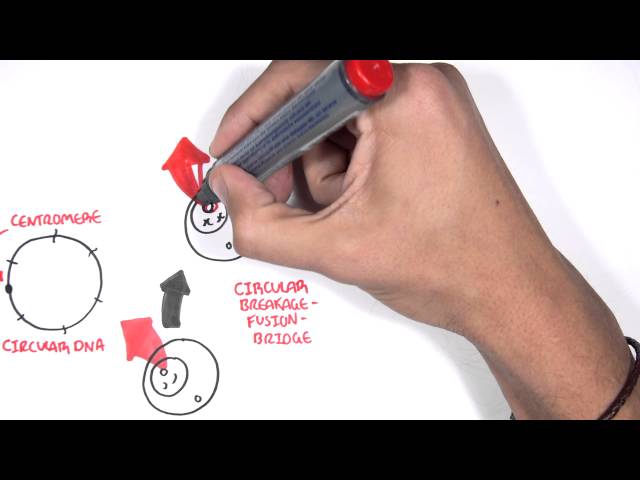
Neochromosomes in Cancers
Learn about neochromosomes, abnormal chromosome structures found in certain cancers that drive tumor growth and genetic instability. This video explains their formation, role in cancer development, and potential implications for diagnosis and targeted therapies.
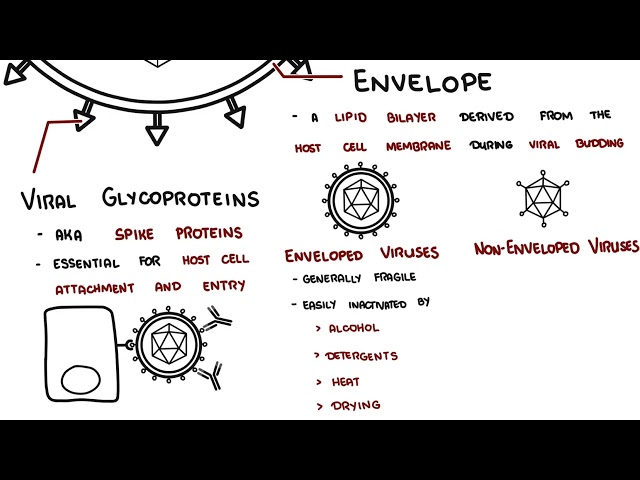
Viral structure – capsid, envelope and genome overview
Discover how viral structure dictates infection, immunity, and transmission — learn viral structure, genomes, capsids, envelopes, and replication basics. This concise explainer breaks down virus biology using clear analogies and key technical terms like capsid, nucleocapsid, positive-sense and negative-sense RNA, segmented genomes, reverse transcriptase, and viral glycoproteins. You’ll understand how genomes (DNA or RNA, single-…
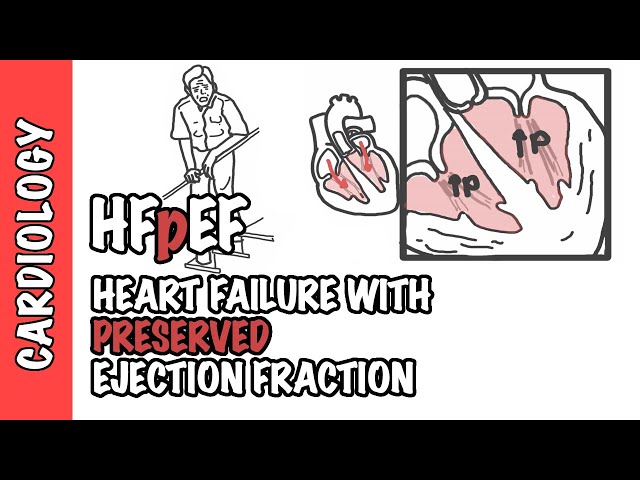
Heart failure with preserved ejection fraction – pathophysiology and management
Learn about heart failure with preserved ejection fraction (HFpEF), a condition where the heart maintains normal pumping ability but struggles to fill properly. This video explains the pathophysiology, common symptoms, diagnostic criteria, and current management strategies for HFpEF.
Our mission
Medical science is complex. Understanding it should feel possible.
Armando Hasudungan turns difficult medical science into clear visual explanations and connected learning experiences—so learners can see the whole picture, remember what matters and find a clearer way forward.
See it clearly
Turn abstract processes and invisible relationships into something the learner can picture.
Connect the pieces
Build understanding around how concepts fit together—not a pile of isolated facts.
Make it useful
Help learners move from explanation to recall, revision and the next logical step.
What clarity feels like
When the topic stops being a blur.
Learners do not come back because the subject became easy. They come back because the explanation gave them a picture they could work with.
“Armando's teaching style gives me the foundational knowledge.
Jessica Payne-Burnett
Medical Student, Charles Sturt University
“The notes I make during his videos help me retain everything better.
Ayesha RaiStudent, Islamabad Medical and Dental College
“The drawings are amazing and super easy to remember.
Reem Mohamed Khair Abdalrazig
Student, Neelain University
Coming soon: the AH study platform
The explanation is only the start.
The free library helps you find a clear explanation. The AH platform is being built to help you connect the resources, follow a clearer path and check what actually stuck.
- Watch in a focused, ad-free study environment.
- Move between connected videos, notes, diagrams and questions.
- Know what belongs next instead of rebuilding the study path yourself.
- Test your understanding while the topic is still fresh.
New and worth a look
Keep building the picture.
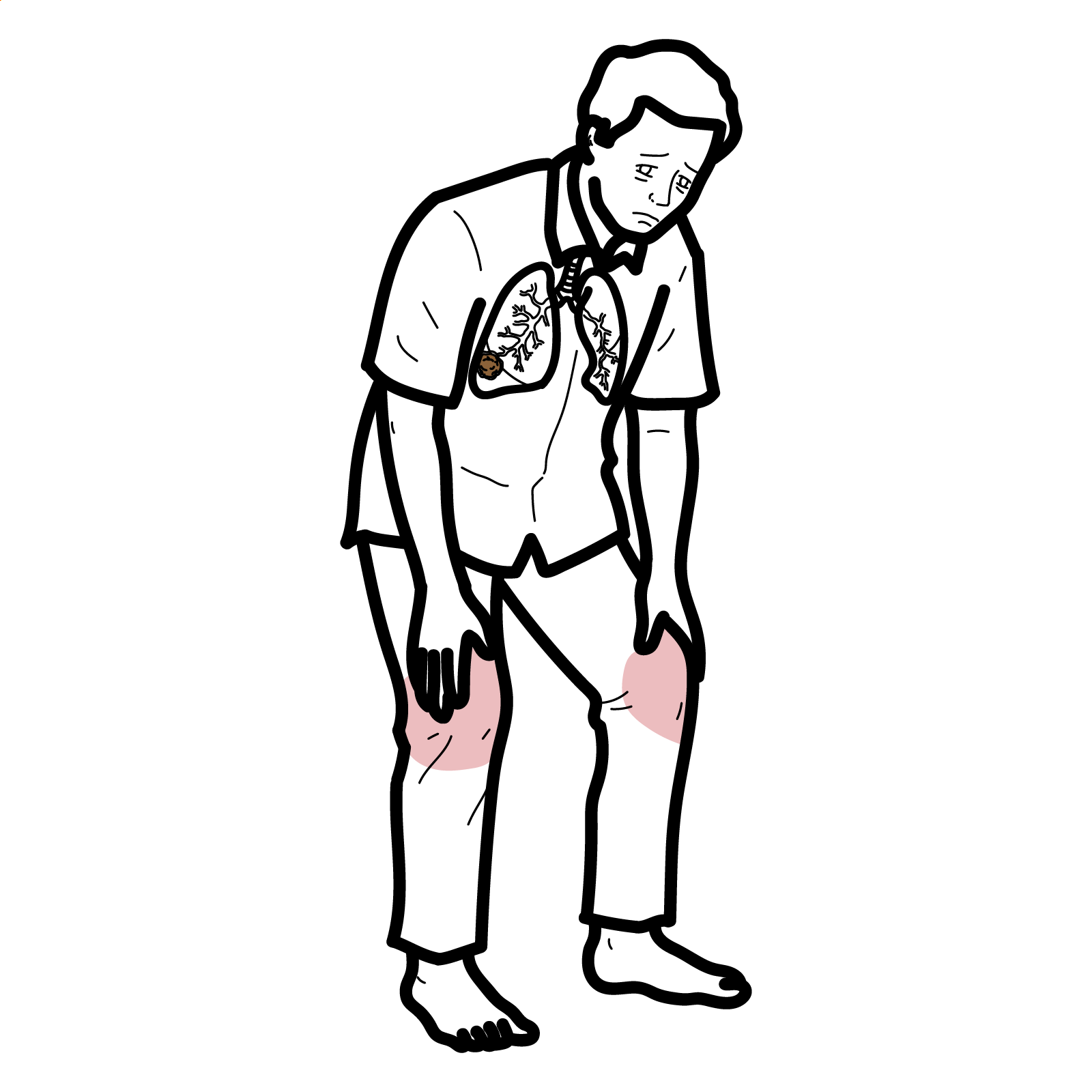
Lambert-Eaton Myasthenic Syndrome
Overview Lambert–Eaton myasthenic syndrome (LEMS) is a rare autoimmune disorder of the presynaptic neuromuscular junction. It causes impaired acetylcholine release, producing the characteristic triad of proximal muscle weakness, reduced reflexes and autonomic dysfunction. LEMS may occur as a paraneoplastic syndrome—most commonly associated with small-cell lung cancer (SCLC)—or as a non-tumour-associated autoimmune disorder. Neuromuscular junction: connection…
View this topic ↗About Visualising Medicine
Good education does not remove complexity. It makes complexity feel simple.
Visualising Medicine is the team behind Armando Hasudungan. We bring together medicine, illustration, writing and technology to make difficult ideas clearer—and build better ways for learners to use them.