

Visual explanationFree resource
Visual medical education by Armando Hasudungan
Medical science, drawn into focus.
Explore visual explanations that reveal how the facts, processes and clinical patterns fit together—then discover the coming AH study platform, built to guide what you study next and check what stuck.
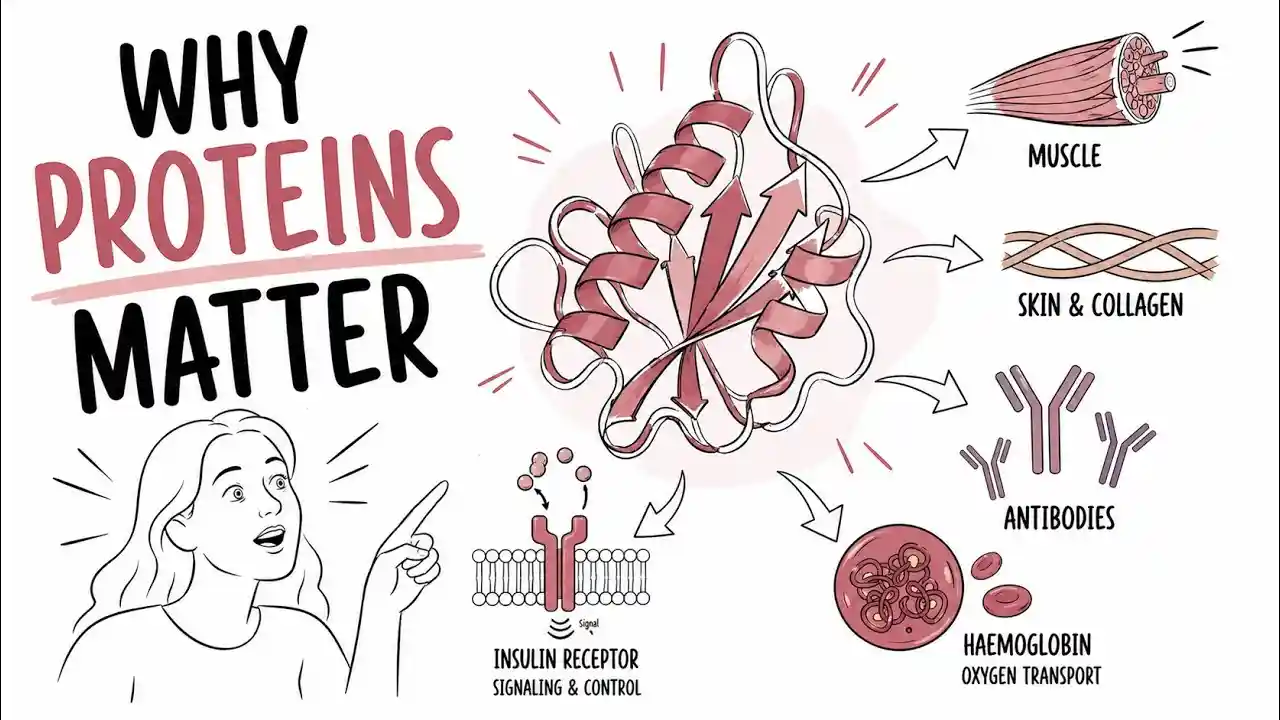
Connected studyComing soon
Clear visual explanations used by medical and allied-health learners around the world.
Explore the free library
Start with the topic in front of you.
Browse by subject or jump straight into the explanation you need. No account required.
Achilles Tendinopathy & Rupture
Overview Achilles tendinopathy & rupture are common causes of posterior ankle pain and disability, particularly in active adults. Tendinopathy presents with chronic pain, stiffness, and impaired function, while rupture is an acute injury characterised by a sudden “pop” and loss of plantarflexion power. Achilles tendon injuries are increasingly prevalent due to sports participation, with rupture…
View topic ↗Pulmonary Sarcoidosis
Overview Sarcoidosis is a multisystem granulomatous disease of unknown cause, characterised by the formation of non‑caseating granulomas in affected organs. Pulmonary involvement occurs in ~90% of patients, making it the most common manifestation. Global prevalence varies widely (e.g., 3.7/100,000 in Japan vs. 28.2/100,000 in Finland), with higher rates in Black Americans and Northern Europeans. Peak…
View topic ↗Graves' Disease
Overview Graves' disease is the most common cause of hyperthyroidism, caused by an autoimmune reaction in which TSH receptor autoantibodies stimulate the thyroid gland, leading to an increase in the production of thyroid hormones. It’s named after Dr Robert James Graves, an Irish physician who in 1835 gave one of the first thorough clinical descriptions…
View topic ↗Chronic Lower Limb Ischaemia: Intermittent Claudication
Overview Chronic lower limb ischemia can be classified using the Fontaine classification: I – asymptomatic II – intermittent claudication III – rest pain IV – ulcers/gangrene Grades III and IV are classified as Critical Limb Ischemia. Intermittent claudication is a type of chronic lower limb ischemia that presents with muscle pain on exercise and is…
View topic ↗Asthma
Overview Asthma is a chronic airway inflammation disorder due to complex interactions between inflammatory cells, mediators and airway cells. In young children in whom lung function testing is not feasible, including most preschool children, asthma is defined by the presence of variable respiratory symptoms. Asthma is one of the most common causes of presentation to the Emergency…
View topic ↗Acute Limb Ischaemia
Overview Acute limb ischaemia refers to any sudden decrease in limb perfusion that causes a potential threat to viability. It is associated with pain, motor and sensory loss, and cold sensation. It affects one in about 6000 of the population 1 and is more common in the lower limb, with less than 17% of cases…
View topic ↗Genital Prolapse
Overview Pelvic organ prolapse is a condition in which pelvic organs abnormally descend or herniate from their normal attachment sites or their normal position in the pelvis to or beyond the vaginal walls. There are varying degrees of prolapse. In the most severe cases, the pelvic organ can prolapse through the genital hiatus. It can be asymptomatic…
View topic ↗Full resource library
Browse all topics ↗Choose how you learn
One idea. More than one way to see it.
Use the format that helps the topic click, then switch formats when you need to reinforce it.
01 / WATCH02 / READ03 / SEE04 / CHECK
Videos
Hand-drawn explanations that build the big picture as the concept unfolds.
Notes
Clear written explanations for review, reference and filling in the details.
Diagrams
Visual snapshots that help you easily review topics.
Questions
Test whether the explanation stayed with you—not just whether it looked familiar.
Good places to begin
Explanations learners return to.
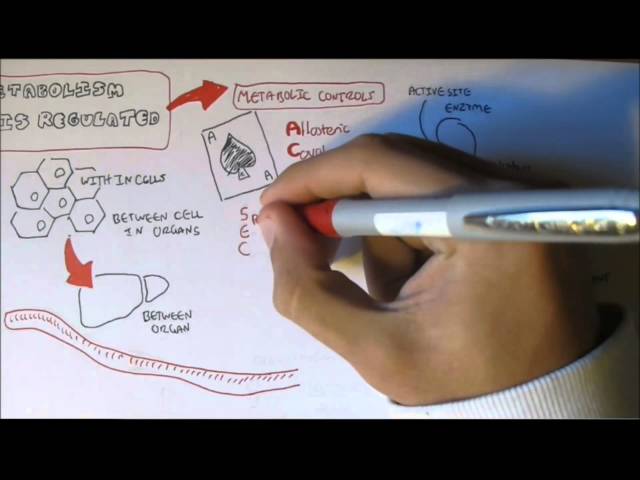
Regulation of Enzyme Activity
Explore the Regulation of Enzyme Activity in this video, covering key concepts like allosteric control, covalent modification, and feedback inhibition. Perfect for biochemistry exams, this video simplifies complex regulatory mechanisms with clear examples and clinical relevance.
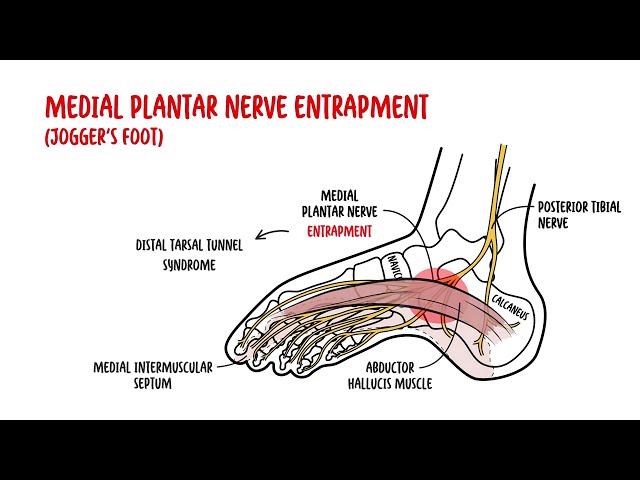
Medial Ankle Pain (Inner ankle pain)
Explore the common causes of medial ankle pain, including tendon injuries, ligament strain, and conditions like posterior tibial tendon dysfunction. This video explains the anatomy involved, symptoms to watch for, and approaches to diagnosis and treatment.
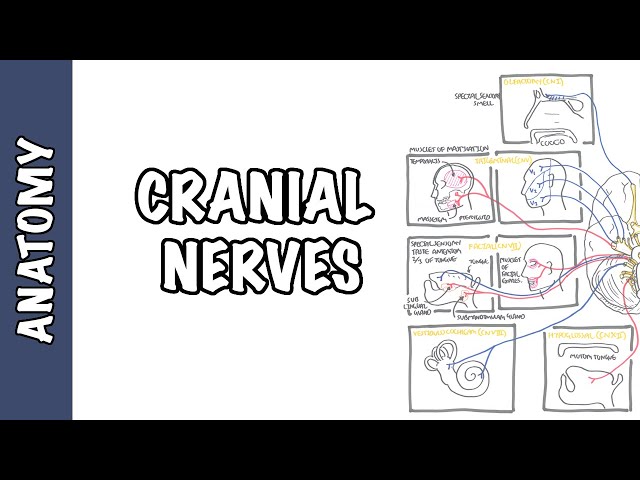
Anatomy – Cranial Nerves Overview
Explore the anatomy and functions of the 12 cranial nerves in this comprehensive overview video. Learn key clinical correlations and the role each nerve plays in sensory and motor functions essential for diagnosis.
Our mission
Medical science is complex. Understanding it should feel possible.
Armando Hasudungan turns difficult medical science into clear visual explanations and connected learning experiences—so learners can see the whole picture, remember what matters and find a clearer way forward.
See it clearly
Turn abstract processes and invisible relationships into something the learner can picture.
Connect the pieces
Build understanding around how concepts fit together—not a pile of isolated facts.
Make it useful
Help learners move from explanation to recall, revision and the next logical step.
What clarity feels like
When the topic stops being a blur.
Learners do not come back because the subject became easy. They come back because the explanation gave them a picture they could work with.
“Armando's teaching style gives me the foundational knowledge.
Jessica Payne-Burnett
Medical Student, Charles Sturt University
“The notes I make during his videos help me retain everything better.
Ayesha RaiStudent, Islamabad Medical and Dental College
“The drawings are amazing and super easy to remember.
Reem Mohamed Khair Abdalrazig
Student, Neelain University
Coming soon: the AH study platform
The explanation is only the start.
The free library helps you find a clear explanation. The AH platform is being built to help you connect the resources, follow a clearer path and check what actually stuck.
- Watch in a focused, ad-free study environment.
- Move between connected videos, notes, diagrams and questions.
- Know what belongs next instead of rebuilding the study path yourself.
- Test your understanding while the topic is still fresh.
New and worth a look
Keep building the picture.
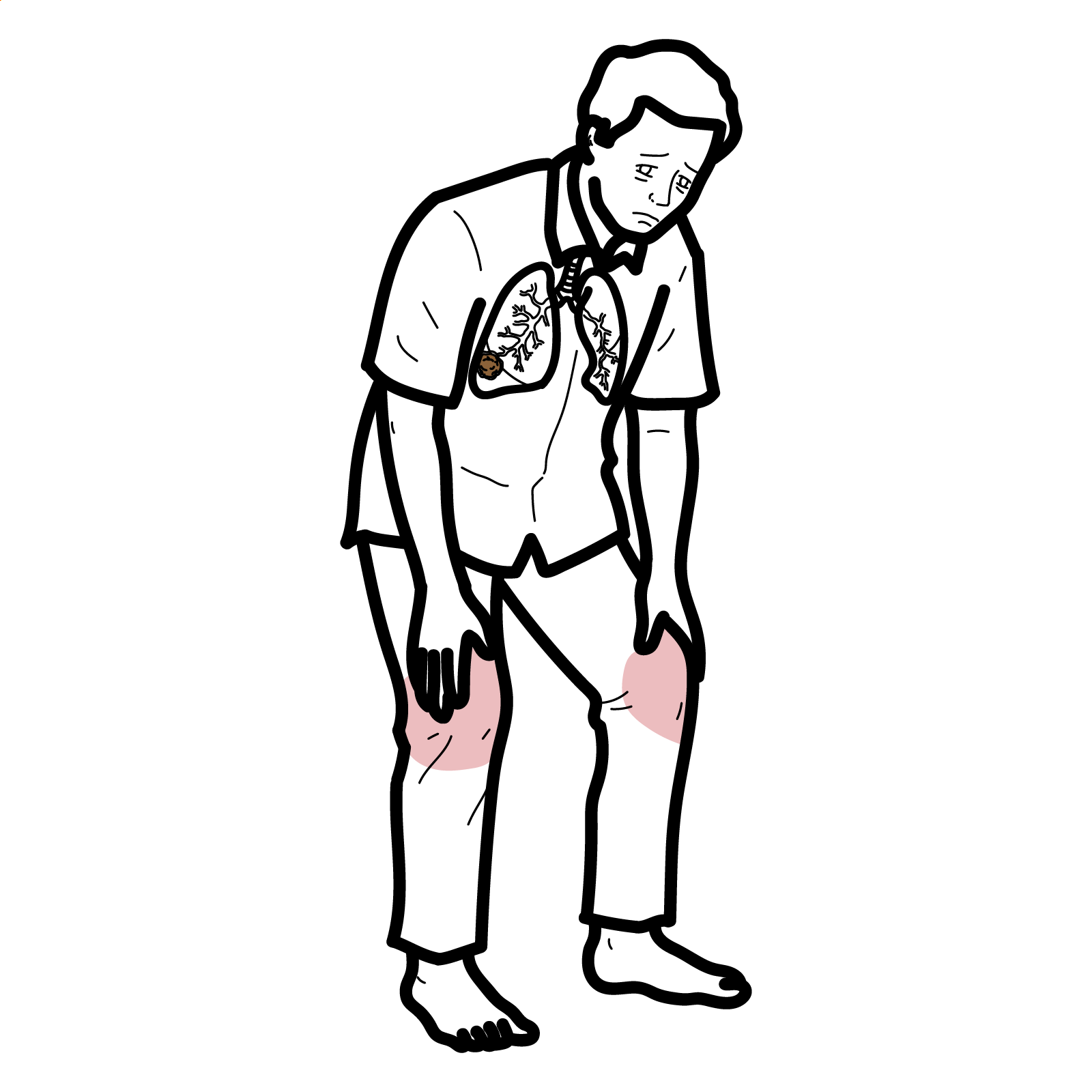
Lambert-Eaton Myasthenic Syndrome
Overview Lambert–Eaton myasthenic syndrome (LEMS) is a rare autoimmune disorder of the presynaptic neuromuscular junction. It causes impaired acetylcholine release, producing the characteristic triad of proximal muscle weakness, reduced reflexes and autonomic dysfunction. LEMS may occur as a paraneoplastic syndrome—most commonly associated with small-cell lung cancer (SCLC)—or as a non-tumour-associated autoimmune disorder. Neuromuscular junction: connection…
View this topic ↗About Visualising Medicine
Good education does not remove complexity. It makes complexity feel simple.
Visualising Medicine is the team behind Armando Hasudungan. We bring together medicine, illustration, writing and technology to make difficult ideas clearer—and build better ways for learners to use them.