

Visual explanationFree resource
Visual medical education by Armando Hasudungan
Medical science, drawn into focus.
Explore visual explanations that reveal how the facts, processes and clinical patterns fit together—then discover the coming AH study platform, built to guide what you study next and check what stuck.
Connected studyComing soon
Clear visual explanations used by medical and allied-health learners around the world.
Explore the free library
Start with the topic in front of you.
Browse by subject or jump straight into the explanation you need. No account required.
Common Variable Immunodeficiency
Overview Common Variable Immunodeficiency (CVID) is the most frequent clinically significant primary antibody deficiency, characterised by hypogammaglobulinaemia and impaired antibody responses. It typically presents with recurrent bacterial infections, autoimmunity, granulomatous disease, and an increased risk of malignancy. CVID affects both sexes equally, with a prevalence of ~1 in 25,000–50,000 individuals. Diagnosis is often delayed, with…
View topic ↗Wiskott–Aldrich Syndrome
Overview Wiskott–Aldrich syndrome is a rare X-linked recessive primary immunodeficiency caused by mutations in the WAS gene, leading to defective actin cytoskeleton regulation in hematopoietic cells. It presents with the triad of eczema, recurrent infections, and thrombocytopenia with small platelets. Patients are prone to autoimmunity and malignancy. Incidence is ~1 in 100,000 live male births.…
View topic ↗Stroke (Ischaemic and Haemorrhagic)
Overview Third most common cause of death worldwide and most common cause of neurological disability. It is subdivided into ischaemic stroke (caused by vascular occlusion or stenosis) and haemorrhagic stroke (caused by vascular rupture, resulting in intra-parenchymal and/or subarachnoid haemorrhage). Stroke: Acute onset of a focal neurologic deficit due to a cerebral infarction or hemorrhage. Transient Ischaemic…
View topic ↗Rheumatoid Arthritis-Associated Interstitial Lung Disease (RA-ILD)
Overview Rheumatoid arthritis-associated interstitial lung disease (RA-ILD) is a serious extra-articular manifestation of RA, affecting up to 10% of RA patients clinically, though subclinical involvement may be present in up to 60% on HRCT. It typically presents in the 5th–6th decade, with a male predominance and is a leading cause of RA-related mortality. The most…
View topic ↗Developmental Hip Dysplasia
Overview Developmental Dyplasia of the hip (DDH) is previously known as congenital dislocation of the hip (however name changed as some of the hip problems develop after birth). Spectrum of condition related to development of the hip in infants and young children. Includes abnormal development of the acetabulum and proximal femur + mechanical instability of the hip joint. Usually involves…
View topic ↗Alzheimer's Disease
Overview Alzheimer disease is characterised by an insidious onset of symptoms with initial forgetfulness progressing over time to profound memory impairment with accompanying dysphasia, dyspraxia and personality change. Dementia: Clinical syndrome that is characterised by a progressive deterioration in cognition with resulting decline in function. Alzheimer disease: Characterised by an insidious onset of symptoms with initial…
View topic ↗Obesity
Overview Overweight and obesity are common worldwide and are associated with many conditions, particularly diabetes, hypertension and dyslipidemia. Overweight and obesity are defined as a moral or excessive fat accusation that presents a risk to health Obesity is now dramatically on the rise in low and middle-income countries. Management should include diet, physical activity, and…
View topic ↗Full resource library
Browse all topics ↗Choose how you learn
One idea. More than one way to see it.
Use the format that helps the topic click, then switch formats when you need to reinforce it.
01 / WATCH02 / READ03 / SEE04 / CHECK
Videos
Hand-drawn explanations that build the big picture as the concept unfolds.
Notes
Clear written explanations for review, reference and filling in the details.
Diagrams
Visual snapshots that help you easily review topics.
Questions
Test whether the explanation stayed with you—not just whether it looked familiar.
Good places to begin
Explanations learners return to.
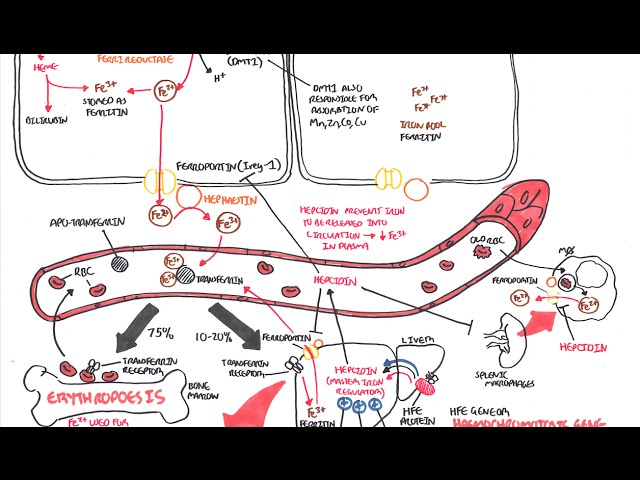
Iron Physiology
Explore iron physiology, including its absorption, transport, storage, and role in vital processes like oxygen transport and cellular respiration. This video explains how the body regulates iron levels and the significance of proteins like transferrin, ferritin, and hepcidin.
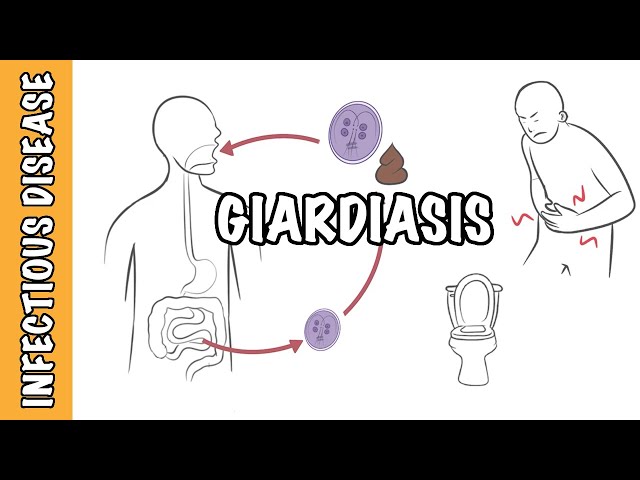
Giardiasis overview
Giardiasis causes watery, greasy diarrhea, bloating, and weight loss—learn how Giardia lamblia is transmitted, diagnosed, treated, and prevented to protect yourself and vulnerable populations. In this concise video you'll discover the Giardia life cycle (cysts and trophozoites), common transmission routes (fecal-oral, contaminated water and food), and why half of infections can be asymptomatic. Watch to…
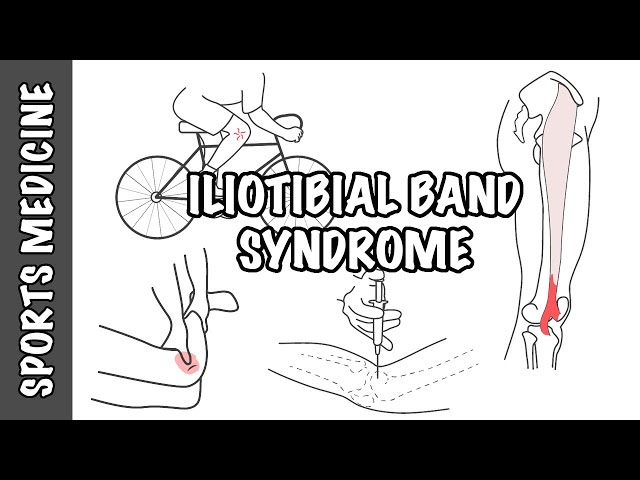
Iliotibial Band Syndrome (ITBS) – Overview
Iliotibial band syndrome is a common overuse injury, causing pain at the outside of the knee. It is typically seen in runners and cyclists. The sudden pain is localised in the outer knee where the iliotibial band courses over the lateral femoral epicondyle.
Our mission
Medical science is complex. Understanding it should feel possible.
Armando Hasudungan turns difficult medical science into clear visual explanations and connected learning experiences—so learners can see the whole picture, remember what matters and find a clearer way forward.
See it clearly
Turn abstract processes and invisible relationships into something the learner can picture.
Connect the pieces
Build understanding around how concepts fit together—not a pile of isolated facts.
Make it useful
Help learners move from explanation to recall, revision and the next logical step.
What clarity feels like
When the topic stops being a blur.
Learners do not come back because the subject became easy. They come back because the explanation gave them a picture they could work with.
“Armando's teaching style gives me the foundational knowledge.
Jessica Payne-Burnett
Medical Student, Charles Sturt University
“The notes I make during his videos help me retain everything better.
Ayesha RaiStudent, Islamabad Medical and Dental College
“The drawings are amazing and super easy to remember.
Reem Mohamed Khair Abdalrazig
Student, Neelain University
Coming soon: the AH study platform
The explanation is only the start.
The free library helps you find a clear explanation. The AH platform is being built to help you connect the resources, follow a clearer path and check what actually stuck.
- Watch in a focused, ad-free study environment.
- Move between connected videos, notes, diagrams and questions.
- Know what belongs next instead of rebuilding the study path yourself.
- Test your understanding while the topic is still fresh.
New and worth a look
Keep building the picture.
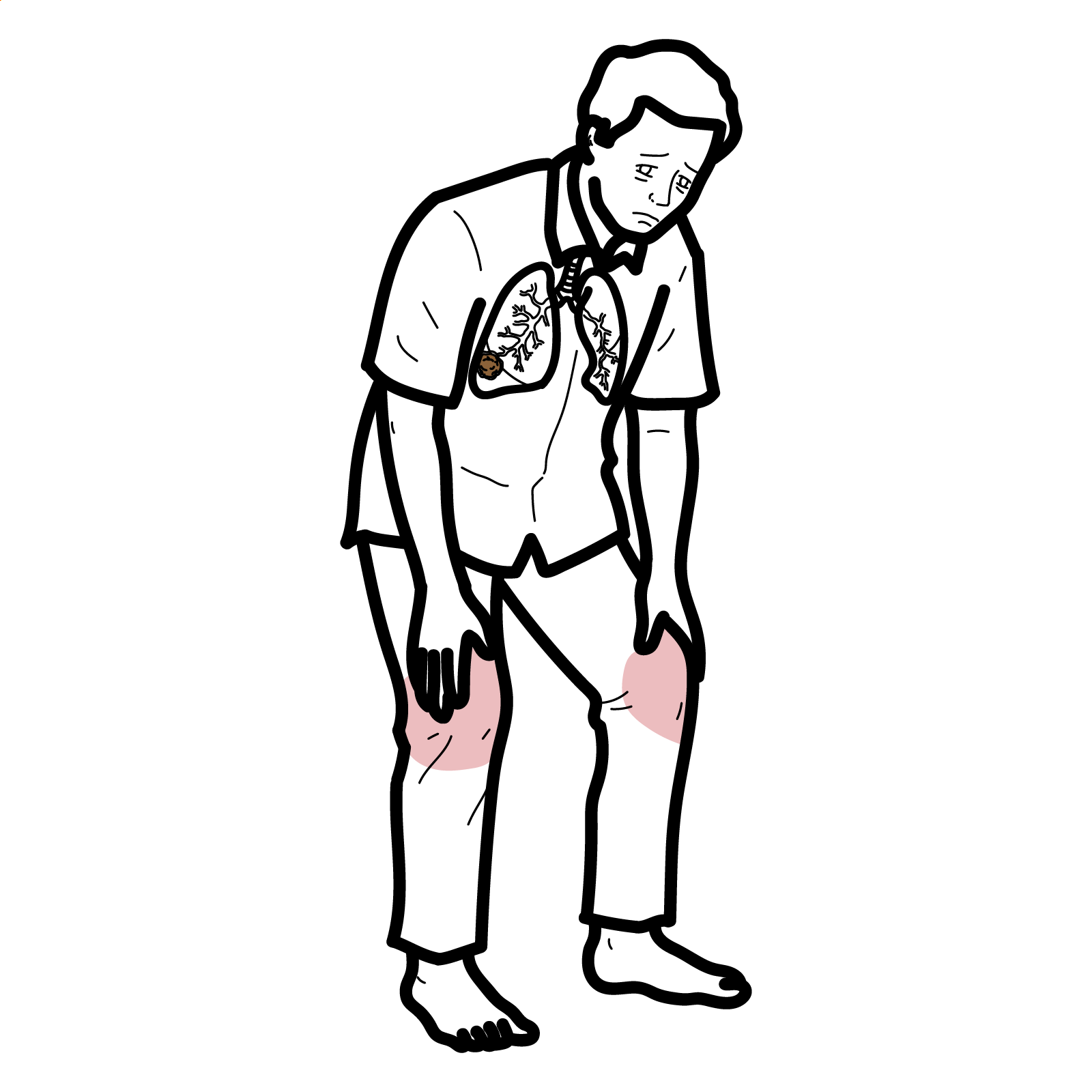
Lambert-Eaton Myasthenic Syndrome
Overview Lambert–Eaton myasthenic syndrome (LEMS) is a rare autoimmune disorder of the presynaptic neuromuscular junction. It causes impaired acetylcholine release, producing the characteristic triad of proximal muscle weakness, reduced reflexes and autonomic dysfunction. LEMS may occur as a paraneoplastic syndrome—most commonly associated with small-cell lung cancer (SCLC)—or as a non-tumour-associated autoimmune disorder. Neuromuscular junction: connection…
View this topic ↗About Visualising Medicine
Good education does not remove complexity. It makes complexity feel simple.
Visualising Medicine is the team behind Armando Hasudungan. We bring together medicine, illustration, writing and technology to make difficult ideas clearer—and build better ways for learners to use them.