

Visual explanationFree resource
Visual medical education by Armando Hasudungan
Medical science, drawn into focus.
Explore visual explanations that reveal how the facts, processes and clinical patterns fit together—then discover the coming AH study platform, built to guide what you study next and check what stuck.
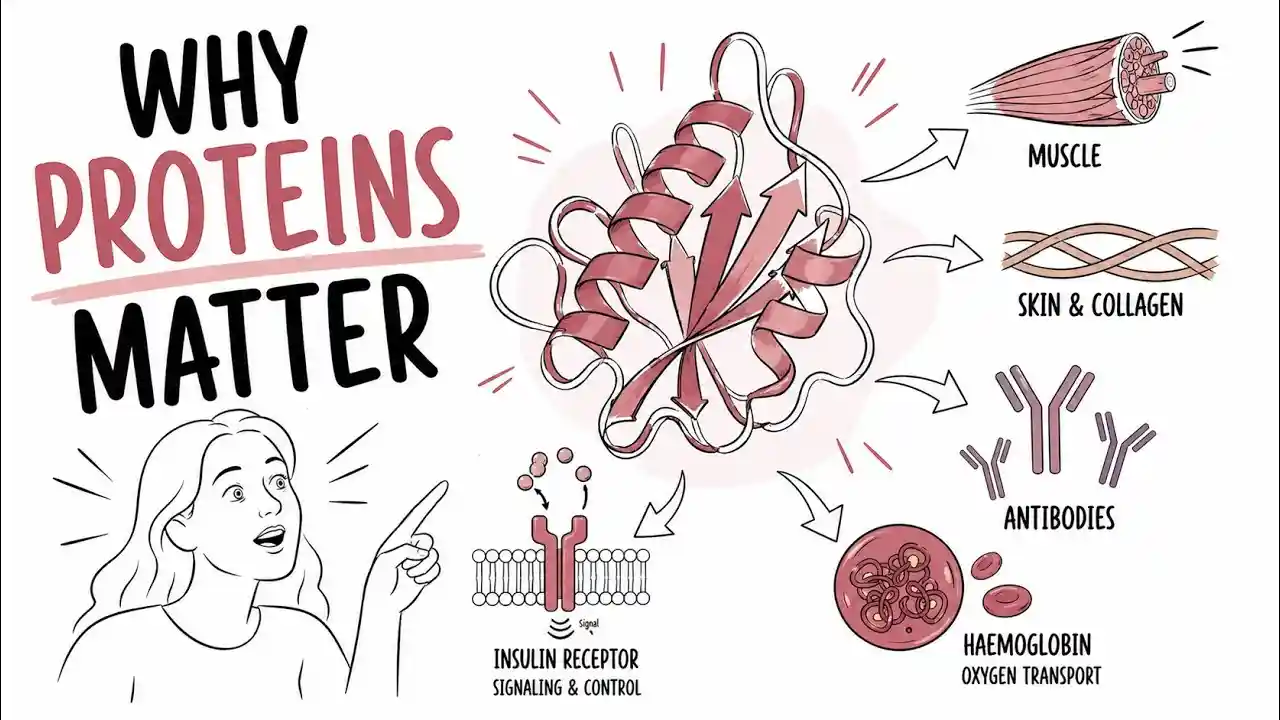
Connected studyComing soon
Clear visual explanations used by medical and allied-health learners around the world.
Explore the free library
Start with the topic in front of you.
Browse by subject or jump straight into the explanation you need. No account required.
Parkinson's Disease
Overview Parkinson’s disease is a progressive neurodegenerative disorder characterised by tremor, rigidity, bradykinesia, and a wide spectrum of non-motor symptoms including sleep disorders, hyposmia, bladder and bowel dysfunction, fatigue, dementia, and other neuropsychiatric symptom. Although the disease has no cure, available treatments effectively control motor symptoms and improve quality of life. Parkinson disease affects approximately 1…
View topic ↗Anaphylaxis
Overview Anaphylaxis is a severe, systemic hypersensitivity reaction that is rapid in onset and potentially fatal, most often triggered by foods, medications, or venom; global incidence is ~50–112 per 100,000 person-years with rising emergency presentations in many regions, including Australia [1,2,4] . Mortality is low but non-trivial and is driven by airway obstruction, severe bronchospasm,…
View topic ↗Multiple Sclerosis
"Each patient ought to feel somewhat the better after the physician's visit irrespective of the nature of the illness." -Warfield Theobald Longcope Overview Multiple sclerosis (MS) is defined as an inflammatory demyelinating disease characterised by the presence of episodic neurological dysfunction in at least 2 areas of the CNS (brain, spinal cord, and optic nerves)…
View topic ↗Diabetes Mellitus type I
Overview Type 1 diabetes is B-cell destruction leading to absolute insulin deficiency. It accounts for 5-10% of all diabetes. Type I diabetes is divided into two types: Immune mediated and idiopathic. The traditional paradigm is of childhood onset with acute symptoms of DKA. Diabetes: A group of metabolic diseases in which there are high blood…
View topic ↗Vasculitides
Classification Large-vessel vasculitis Takayasu arteritis Medium-sized vessel vasculitis Childhood polyarteritis nodosa Kawasaki Disease Small-vessel vasculitis Granulomatosis with polyangiitis (Wegener’s Syndrome) Eosinophilic granulomatosis with polyangiitis (Churg–Strauss syndrome) Henoch-Schönlein purpura (Spring Fever) Other vasculitides Behçet’s disease Kawasaki disease and HSP are the most common childhood vasculitis followed by PAN.
View topic ↗Varicose Veins
Overview Varivose veins (VV) are long, torturous and dilated don't veins of the superficial venous system. There is a spectrum ranging from telangiectasias (dilated interdermal venules less than 1 mm), through to reticular veins (non-palpable subdermal veins 1–3 mm) to varicose veins (greater than 3 mm). 35% of the general population affected. The venous system of…
View topic ↗Neural Tube Defect
Overview Neural tube defects (NTDs) are a group of major congenital anomalies comprising anencephaly, spina bifida and encephalocele that result from very early disruption in the development of the brain and spinal cord. These conditions are often incompatible with life. Survivors frequently require intensive, costly, lifelong health and social care. Neural tube defect (NTD): Severe…
View topic ↗Full resource library
Browse all topics ↗Choose how you learn
One idea. More than one way to see it.
Use the format that helps the topic click, then switch formats when you need to reinforce it.
01 / WATCH02 / READ03 / SEE04 / CHECK
Videos
Hand-drawn explanations that build the big picture as the concept unfolds.
Notes
Clear written explanations for review, reference and filling in the details.
Diagrams
Visual snapshots that help you easily review topics.
Questions
Test whether the explanation stayed with you—not just whether it looked familiar.
Good places to begin
Explanations learners return to.
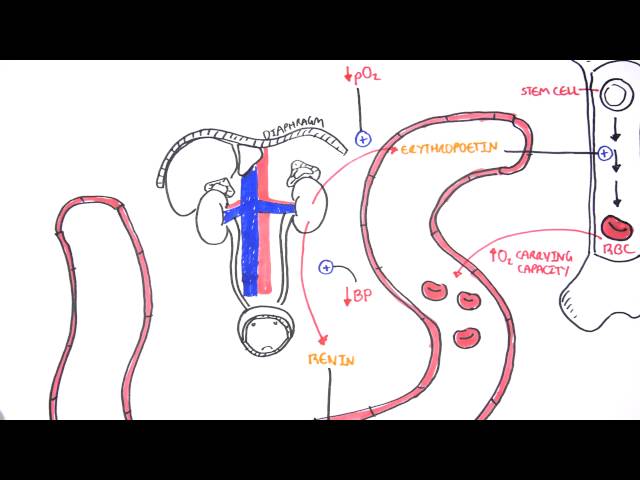
Endocrinology – Renal Hormones
Explore the key renal hormones—renin, erythropoietin, and calcitriol—and their roles in blood pressure regulation, red blood cell production, and calcium balance. This video offers a clear overview of how the kidneys function as vital endocrine organs.
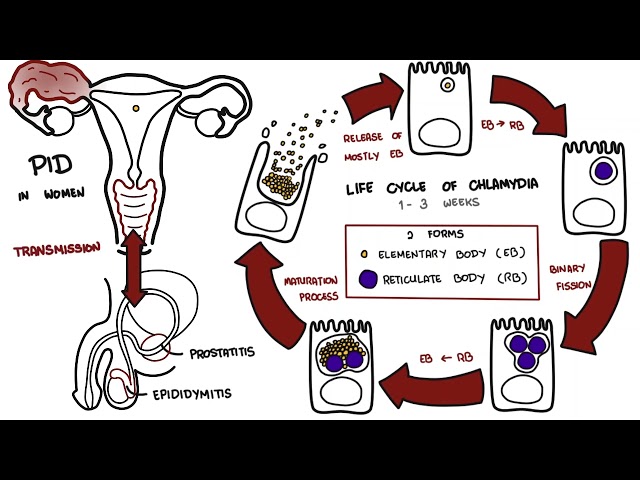
Chlamydia Trachomatis – Chlamydia STI
Chlamydia trachomatis, or more commonly known as Chlamydia, is a gram-negative bacteria which is the most common sexually transmitted infection, especially in under 25 year olds.
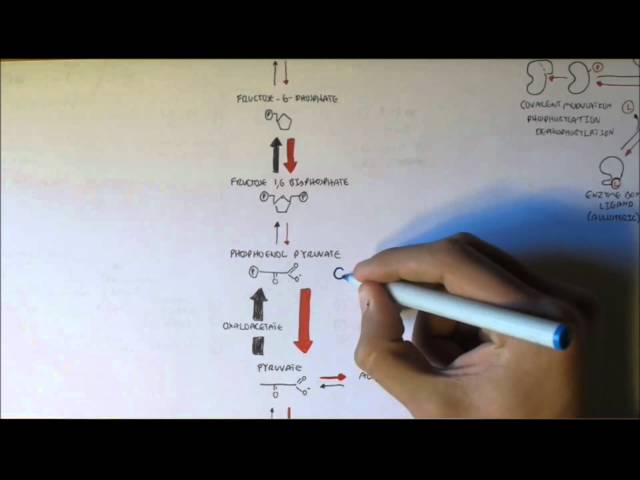
Regulation of Glycolysis and Gluconeogenesis
Understand the key regulatory steps and hormonal control of glycolysis and gluconeogenesis in this concise, high-yield video. Ideal for students preparing for exams like the USMLE, MCAT, or NEET who need a clear grasp of metabolic pathway regulation.
Our mission
Medical science is complex. Understanding it should feel possible.
Armando Hasudungan turns difficult medical science into clear visual explanations and connected learning experiences—so learners can see the whole picture, remember what matters and find a clearer way forward.
See it clearly
Turn abstract processes and invisible relationships into something the learner can picture.
Connect the pieces
Build understanding around how concepts fit together—not a pile of isolated facts.
Make it useful
Help learners move from explanation to recall, revision and the next logical step.
What clarity feels like
When the topic stops being a blur.
Learners do not come back because the subject became easy. They come back because the explanation gave them a picture they could work with.
“Armando's teaching style gives me the foundational knowledge.
Jessica Payne-Burnett
Medical Student, Charles Sturt University
“The notes I make during his videos help me retain everything better.
Ayesha RaiStudent, Islamabad Medical and Dental College
“The drawings are amazing and super easy to remember.
Reem Mohamed Khair Abdalrazig
Student, Neelain University
Coming soon: the AH study platform
The explanation is only the start.
The free library helps you find a clear explanation. The AH platform is being built to help you connect the resources, follow a clearer path and check what actually stuck.
- Watch in a focused, ad-free study environment.
- Move between connected videos, notes, diagrams and questions.
- Know what belongs next instead of rebuilding the study path yourself.
- Test your understanding while the topic is still fresh.
New and worth a look
Keep building the picture.
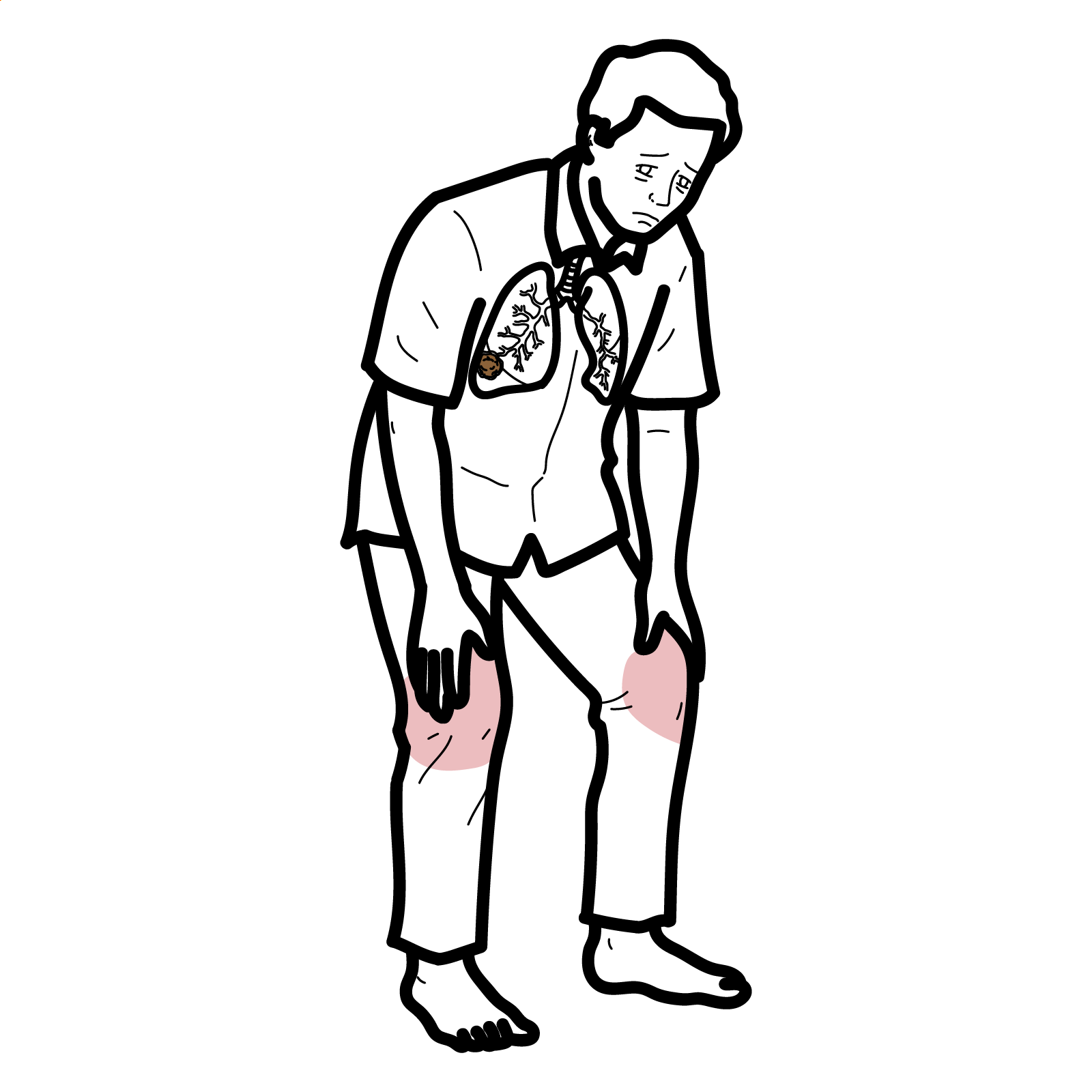
Lambert-Eaton Myasthenic Syndrome
Overview Lambert–Eaton myasthenic syndrome (LEMS) is a rare autoimmune disorder of the presynaptic neuromuscular junction. It causes impaired acetylcholine release, producing the characteristic triad of proximal muscle weakness, reduced reflexes and autonomic dysfunction. LEMS may occur as a paraneoplastic syndrome—most commonly associated with small-cell lung cancer (SCLC)—or as a non-tumour-associated autoimmune disorder. Neuromuscular junction: connection…
View this topic ↗About Visualising Medicine
Good education does not remove complexity. It makes complexity feel simple.
Visualising Medicine is the team behind Armando Hasudungan. We bring together medicine, illustration, writing and technology to make difficult ideas clearer—and build better ways for learners to use them.