

Visual explanationFree resource
Visual medical education by Armando Hasudungan
Medical science, drawn into focus.
Explore visual explanations that reveal how the facts, processes and clinical patterns fit together—then discover the coming AH study platform, built to guide what you study next and check what stuck.
Connected studyComing soon
Clear visual explanations used by medical and allied-health learners around the world.
Explore the free library
Start with the topic in front of you.
Browse by subject or jump straight into the explanation you need. No account required.
Hypermobility Syndromes
Overview Hypermobility Spectrum Disorder (HSD) describes symptomatic joint hypermobility with musculoskeletal (and sometimes systemic) consequences in people who do not meet the 2017 diagnostic criteria for hypermobile Ehlers–Danlos syndrome (hEDS) or another heritable connective-tissue disorder (HCTD). Prevalence of generalised joint hypermobility varies (≈2–35% depending on age/sex/ethnicity and cut-offs), with symptomatic states more common in females…
View topic ↗Paediatric Respiratory Distress Syndrome
Overview Respiratory distress syndrome (RDS) also known as hyaline membrane disease is a pulmonary disease resulting from immature lung development and surfactant deficiency. Most frequently seen in preterm infants, the clinical presentation is characterized by signs of respiratory distress including nasal flaring, tachypnea, and grunting (an expiratory sound that is heard as the infant exhales…
View topic ↗Leukaemia
Overview Leukemia is a common malignancy in children and adults that occurs when alterations in normal cell regulatory processes cause uncontrolled proliferation of hematopoietic stem cells in the bone marrow. Leukaemia: Clonal proliferation of hematopoietic stem cells in the bone marrow Acute Leukaemia: Clonal proliferation of hematopoietic stem cells in the bone marrow that develops…
View topic ↗Iron Deficiency Anaemia
Overview In the clinical setting, iron deficiency is the most common cause of anaemia. Iron Deficiency is lack of iron in the body resulting from inadequate iron intake, increased iron loss and increased iron demand which can lead to anaemia. Iron is an integral part of haemoglobin the oxygen carrying protein. Without iron, oxygen is unable to…
View topic ↗Acute Compartment Syndrome
Overview The muscle groups of the human limbs are divided into section or compartments. Acute compartment syndrome (ACS) occurs when increased pressure within a compartment compromises circulation and function of tissues within that area. common sites of ACS is the leg and forearm. Acute compartment syndrome: A critical pressure increase within a confined compartmental space causing…
View topic ↗Acute Pancreatitis
Overview Acute pancreatitis is a relatively common condition presenting with severe, acute, constant epigastric pain. Incidence of ~5 per 100,000/year. Acute pancreatitis has a significant mortality. Early complications include acute renal failure, DIC, hypocalcemia and ARDS. Acute Pancreatitis: An inflammatory process in which pancreatic enzymes are activated and cause autodigestion of the gland. Chronic Pancreatitis:…
View topic ↗Paracetamol Overdose
Overview Paracetamol overdose is a common cause of hospital presentation. Paracetamol is an analgesic and antipyretic drug used in both children and adults. Its mechanism of action is yet to be fully determined, and is likely to involve a number of pain pathways. When taken in excess it can cause signs such as vomiting, right…
View topic ↗Full resource library
Browse all topics ↗Choose how you learn
One idea. More than one way to see it.
Use the format that helps the topic click, then switch formats when you need to reinforce it.
01 / WATCH02 / READ03 / SEE04 / CHECK
Videos
Hand-drawn explanations that build the big picture as the concept unfolds.
Notes
Clear written explanations for review, reference and filling in the details.
Diagrams
Visual snapshots that help you easily review topics.
Questions
Test whether the explanation stayed with you—not just whether it looked familiar.
Good places to begin
Explanations learners return to.
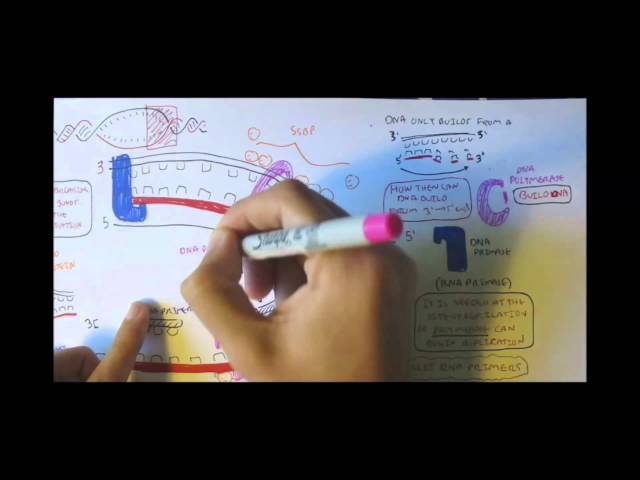
DNA replication
Learn the essentials of DNA Replication in this video, covering key enzymes like helicase, DNA polymerase, and ligase. Perfect for exam prep, this video breaks down the steps of replication with clear visuals and simplified explanations.
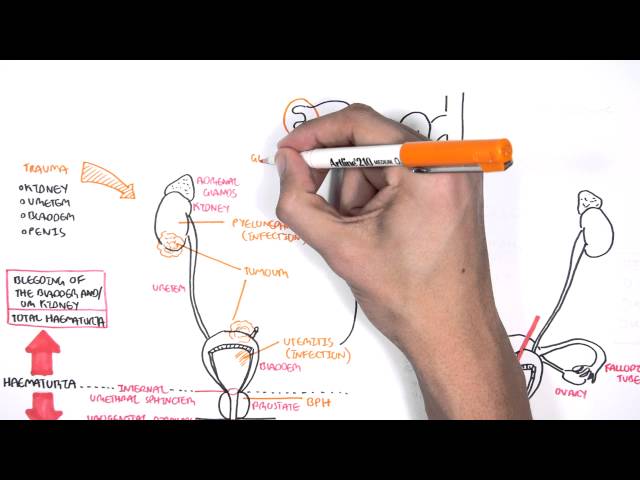
Causes of Haematuria
Learn the key causes of haematuria, from urinary tract infections and kidney stones to glomerular diseases and malignancies. This video provides a clear overview to help you approach the evaluation and diagnosis of blood in the urine.
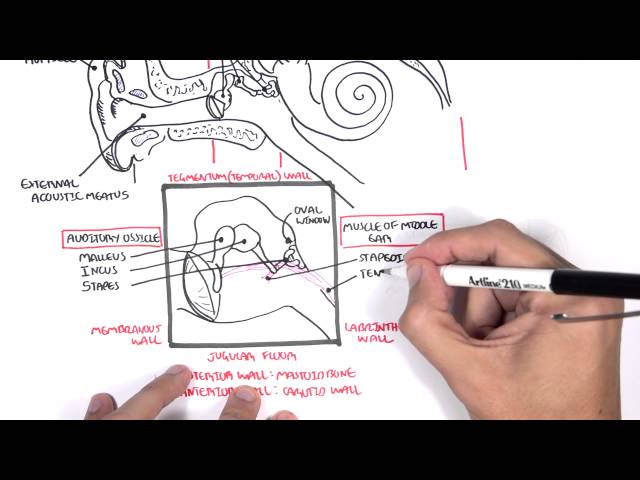
Anatomy – Ear Overview
Explore the anatomy of the ear with this clear overview of its three main parts—outer, middle, and inner ear—and their roles in hearing and balance. This video is ideal for students seeking a solid foundation in auditory and vestibular system structure.
Our mission
Medical science is complex. Understanding it should feel possible.
Armando Hasudungan turns difficult medical science into clear visual explanations and connected learning experiences—so learners can see the whole picture, remember what matters and find a clearer way forward.
See it clearly
Turn abstract processes and invisible relationships into something the learner can picture.
Connect the pieces
Build understanding around how concepts fit together—not a pile of isolated facts.
Make it useful
Help learners move from explanation to recall, revision and the next logical step.
What clarity feels like
When the topic stops being a blur.
Learners do not come back because the subject became easy. They come back because the explanation gave them a picture they could work with.
“Armando's teaching style gives me the foundational knowledge.
Jessica Payne-Burnett
Medical Student, Charles Sturt University
“The notes I make during his videos help me retain everything better.
Ayesha RaiStudent, Islamabad Medical and Dental College
“The drawings are amazing and super easy to remember.
Reem Mohamed Khair Abdalrazig
Student, Neelain University
Coming soon: the AH study platform
The explanation is only the start.
The free library helps you find a clear explanation. The AH platform is being built to help you connect the resources, follow a clearer path and check what actually stuck.
- Watch in a focused, ad-free study environment.
- Move between connected videos, notes, diagrams and questions.
- Know what belongs next instead of rebuilding the study path yourself.
- Test your understanding while the topic is still fresh.
New and worth a look
Keep building the picture.
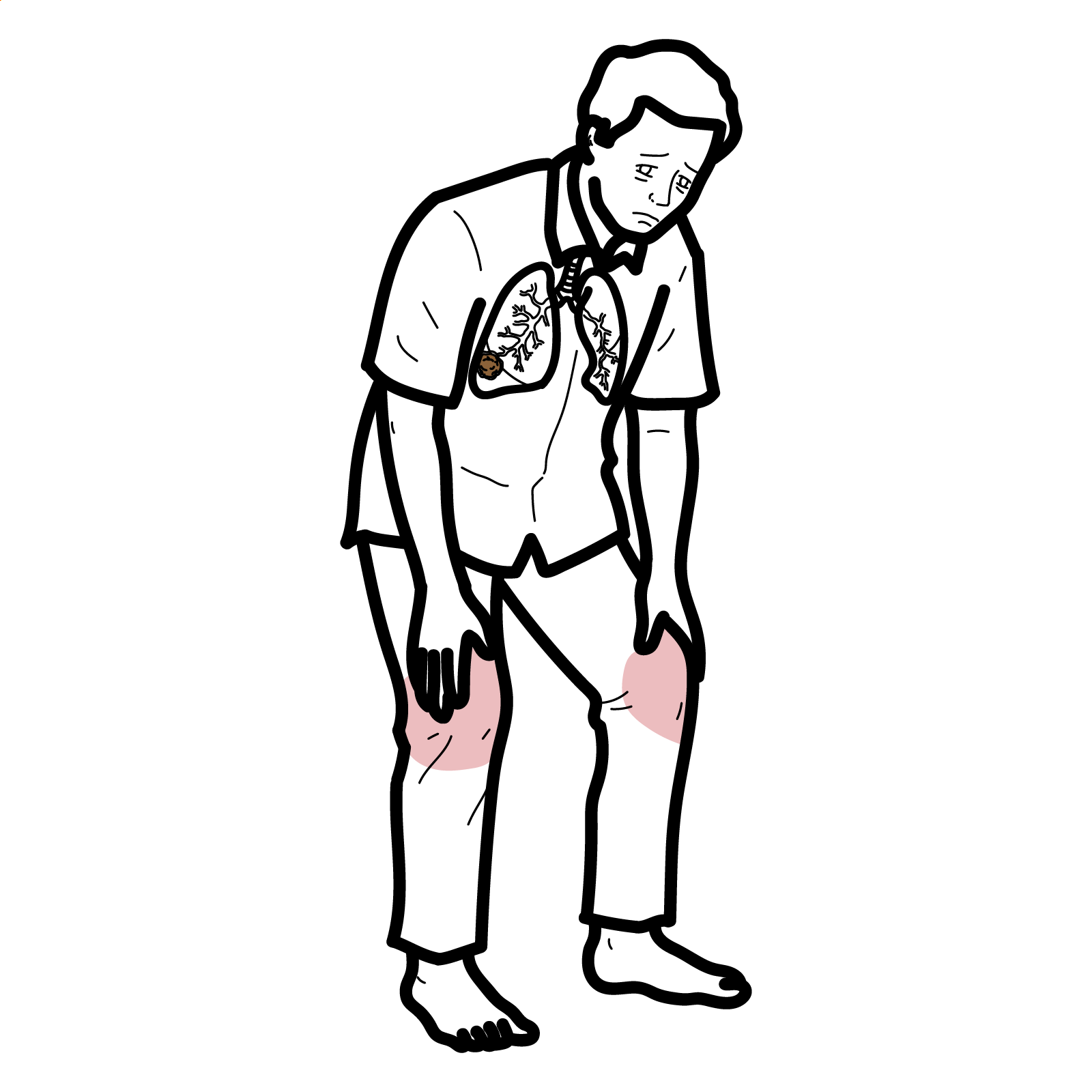
Lambert-Eaton Myasthenic Syndrome
Overview Lambert–Eaton myasthenic syndrome (LEMS) is a rare autoimmune disorder of the presynaptic neuromuscular junction. It causes impaired acetylcholine release, producing the characteristic triad of proximal muscle weakness, reduced reflexes and autonomic dysfunction. LEMS may occur as a paraneoplastic syndrome—most commonly associated with small-cell lung cancer (SCLC)—or as a non-tumour-associated autoimmune disorder. Neuromuscular junction: connection…
View this topic ↗About Visualising Medicine
Good education does not remove complexity. It makes complexity feel simple.
Visualising Medicine is the team behind Armando Hasudungan. We bring together medicine, illustration, writing and technology to make difficult ideas clearer—and build better ways for learners to use them.