

Visual explanationFree resource
Visual medical education by Armando Hasudungan
Medical science, drawn into focus.
Explore visual explanations that reveal how the facts, processes and clinical patterns fit together—then discover the coming AH study platform, built to guide what you study next and check what stuck.
Connected studyComing soon
Clear visual explanations used by medical and allied-health learners around the world.
Explore the free library
Start with the topic in front of you.
Browse by subject or jump straight into the explanation you need. No account required.
Aneurysm
Overview An aneurysm is an abnormal localised dilatation of a blood vessel with at least 50% increase in diameter compared to its normal diameter. It is seen more often in arteries compared to veins. Aneurysms are usually asymptomatic until they are very large or they rupture. A ruptured aneurysm can cause massive bleeding and death.…
View topic ↗Acute Respiratory Distress Syndrome
Overview ARDS is an acute, diffuse, inflammatory lung injury that leads to increased pulmonary vascular permeability, increased lung weight, and a loss of aerated tissue. Clinical hallmarks of ARDS are hypoxemia and bilateral radiographic opacities, while the pathological hallmark is diffuse alveolar damage. Pathophysiology Aetiology Indirect lung injury: sepsis, shock, trauma, pancreatitis, drug OD, intracranial haemorrhage,…
View topic ↗Hyper-IgE Syndrome (Job’s Syndrome)
Overview Hyper-IgE syndrome (HIES) is a rare primary immunodeficiency characterised by markedly elevated serum IgE, recurrent staphylococcal skin and lung infections, eczema, and connective tissue/ skeletal abnormalities. Most commonly caused by autosomal dominant mutations in STAT3 , it results in impaired Th17 cell differentiation and defective neutrophil chemotaxis. Autosomal recessive forms (DOCK8, TYK2 mutations) present…
View topic ↗Enteropathic Arthritis
Overview Enteropathic arthritis is a subtype of spondyloarthropathy associated with inflammatory bowel disease (IBD), particularly Crohn’s disease and ulcerative colitis. It affects up to 20% of IBD patients, with a variable presentation involving axial and/or peripheral joints. The arthritis may run parallel to intestinal disease activity or occur independently, often with enthesitis or dactylitis. It…
View topic ↗Paget’s Disease of Bone
Overview Paget’s disease of bone (PDB) is a chronic skeletal disorder characterised by focal areas of accelerated and disorganised bone remodelling. The disease begins with excessive osteoclastic bone resorption followed by a compensatory increase in osteoblastic bone formation. The result is structurally weak, enlarged, and deformed bone that is prone to fracture and complications such…
View topic ↗Pregnancy (not a disease)
Overview Pregnancy – Overview Physiological Changes in Pregnancy Uterus, Vagina and Breast Physiology changes Uterus (Cervix + Isthmus + Body of uterus) Muscle hypertrophy til 20weeks then stretching till term. Uterine and ovarian arteries undergo hypertrophy Cervix Reduced collagen → allows dilatation Hypertrophy of cervical glands → thick mucus plug Uterine body ↑size, shape, shape and consitency Increases…
View topic ↗Spermatocele
Overview A spermatocele, or spermatic cyst, is a benign fluid-filled cyst arising from the epididymis, usually near the upper pole of the testis. It commonly contains clear or milky fluid with spermatozoa. Most spermatoceles are painless, discovered incidentally and do not require treatment. Epididymis: coiled structure behind the testis that stores and transports sperm. Spermatocele:…
View topic ↗Full resource library
Browse all topics ↗Choose how you learn
One idea. More than one way to see it.
Use the format that helps the topic click, then switch formats when you need to reinforce it.
01 / WATCH02 / READ03 / SEE04 / CHECK
Videos
Hand-drawn explanations that build the big picture as the concept unfolds.
Notes
Clear written explanations for review, reference and filling in the details.
Diagrams
Visual snapshots that help you easily review topics.
Questions
Test whether the explanation stayed with you—not just whether it looked familiar.
Good places to begin
Explanations learners return to.
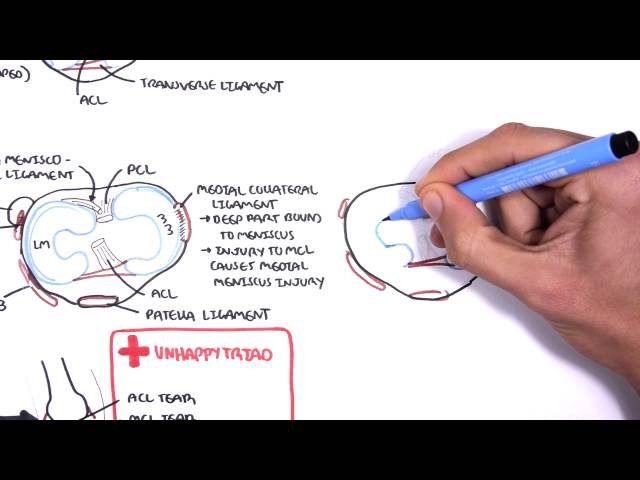
Clinical Anatomy – Meniscus
Explore the clinical anatomy of the knee joint with a focus on the meniscus—its structure, function, and common injuries. This video breaks down key concepts relevant to knee biomechanics, meniscal tears, and their surgical and non-surgical management.
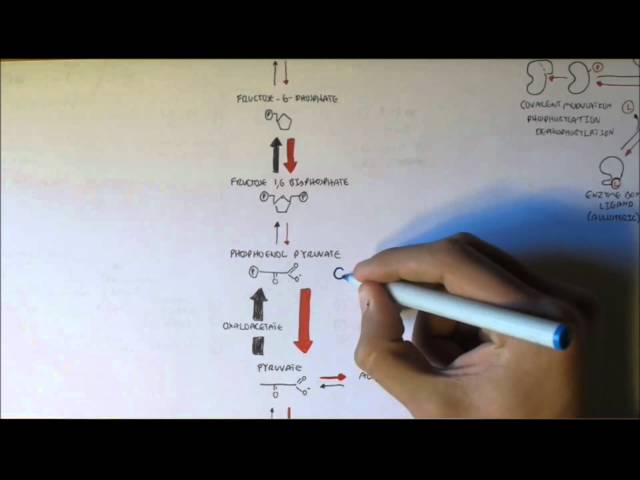
Regulation of Glycolysis and Gluconeogenesis
Understand the key regulatory steps and hormonal control of glycolysis and gluconeogenesis in this concise, high-yield video. Ideal for students preparing for exams like the USMLE, MCAT, or NEET who need a clear grasp of metabolic pathway regulation.
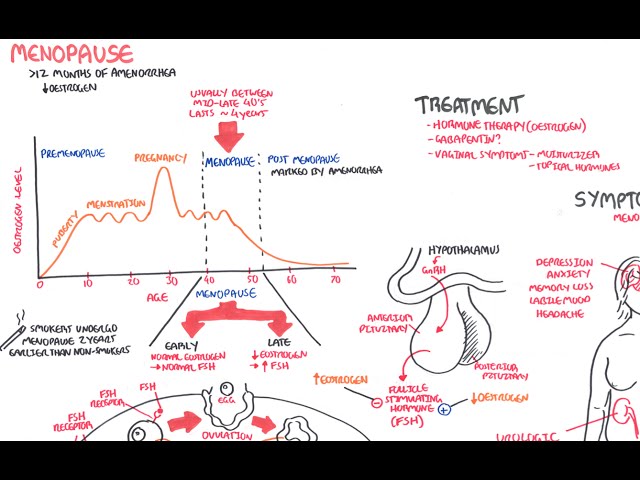
Menopause
Learn about menopause, the natural biological transition marking the end of a woman's reproductive years, characterized by hormonal changes and cessation of menstruation. This video covers common symptoms, physiological effects, and management options to support health and well-being during this stage.
Our mission
Medical science is complex. Understanding it should feel possible.
Armando Hasudungan turns difficult medical science into clear visual explanations and connected learning experiences—so learners can see the whole picture, remember what matters and find a clearer way forward.
See it clearly
Turn abstract processes and invisible relationships into something the learner can picture.
Connect the pieces
Build understanding around how concepts fit together—not a pile of isolated facts.
Make it useful
Help learners move from explanation to recall, revision and the next logical step.
What clarity feels like
When the topic stops being a blur.
Learners do not come back because the subject became easy. They come back because the explanation gave them a picture they could work with.
“Armando's teaching style gives me the foundational knowledge.
Jessica Payne-Burnett
Medical Student, Charles Sturt University
“The notes I make during his videos help me retain everything better.
Ayesha RaiStudent, Islamabad Medical and Dental College
“The drawings are amazing and super easy to remember.
Reem Mohamed Khair Abdalrazig
Student, Neelain University
Coming soon: the AH study platform
The explanation is only the start.
The free library helps you find a clear explanation. The AH platform is being built to help you connect the resources, follow a clearer path and check what actually stuck.
- Watch in a focused, ad-free study environment.
- Move between connected videos, notes, diagrams and questions.
- Know what belongs next instead of rebuilding the study path yourself.
- Test your understanding while the topic is still fresh.
New and worth a look
Keep building the picture.
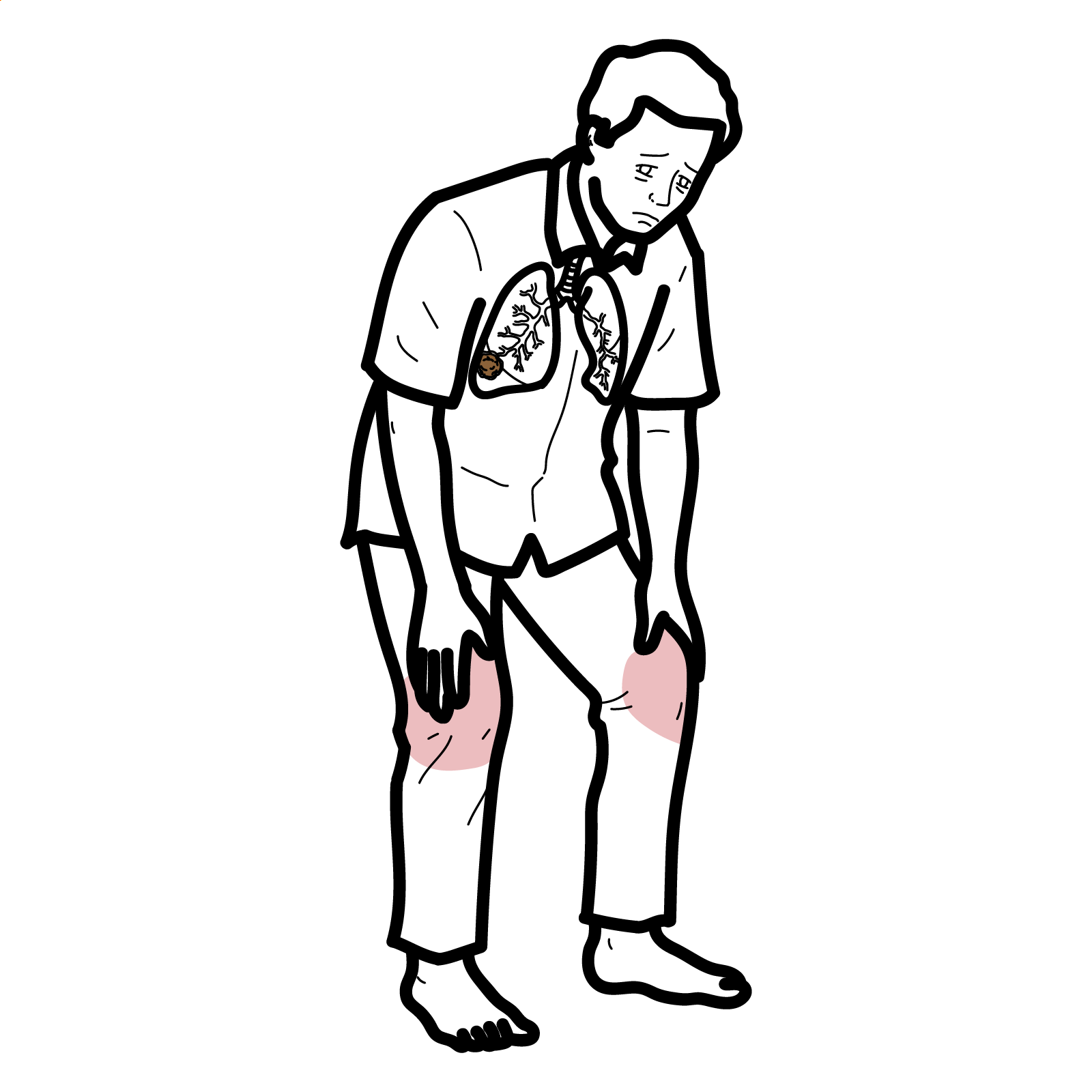
Lambert-Eaton Myasthenic Syndrome
Overview Lambert–Eaton myasthenic syndrome (LEMS) is a rare autoimmune disorder of the presynaptic neuromuscular junction. It causes impaired acetylcholine release, producing the characteristic triad of proximal muscle weakness, reduced reflexes and autonomic dysfunction. LEMS may occur as a paraneoplastic syndrome—most commonly associated with small-cell lung cancer (SCLC)—or as a non-tumour-associated autoimmune disorder. Neuromuscular junction: connection…
View this topic ↗About Visualising Medicine
Good education does not remove complexity. It makes complexity feel simple.
Visualising Medicine is the team behind Armando Hasudungan. We bring together medicine, illustration, writing and technology to make difficult ideas clearer—and build better ways for learners to use them.