

Visual explanationFree resource
Visual medical education by Armando Hasudungan
Medical science, drawn into focus.
Explore visual explanations that reveal how the facts, processes and clinical patterns fit together—then discover the coming AH study platform, built to guide what you study next and check what stuck.
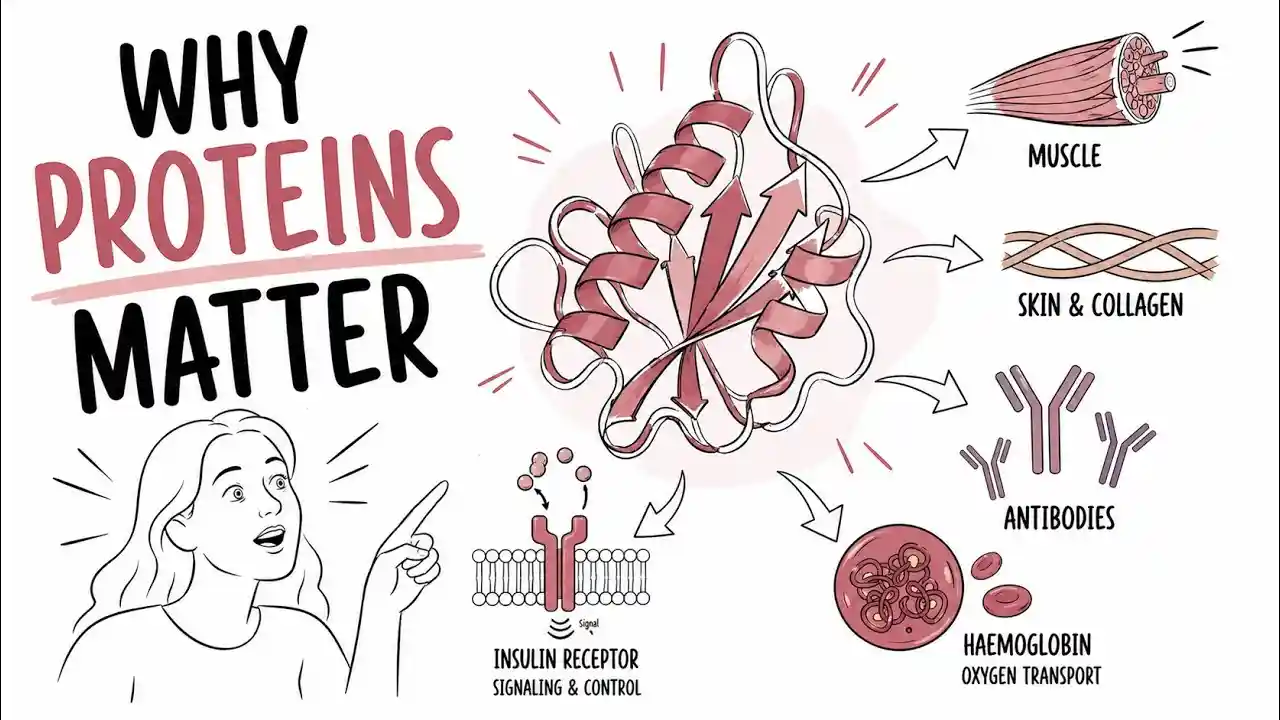
Connected studyComing soon
Clear visual explanations used by medical and allied-health learners around the world.
Explore the free library
Start with the topic in front of you.
Browse by subject or jump straight into the explanation you need. No account required.
Peptic Ulcer Disease
Overview Peptic ulcer refers to an ulcer in the lower oesophagus, stomach or duodenum. Incidence ↑ with age; both sexes are similarly affected. In the developed world, Helicobacter pylori incidence has been slowly ↓ over the past 50 yrs; Non-Steroidal Anti-Inflammatory drug (NSAID) use has ↑. Peptic ulcers remain common worldwide, especially in the developing world where H. pylori infection is prevalent.…
View topic ↗DiGeorge Syndrome
Overview DiGeorge syndrome (22q11.2 deletion syndrome) is a congenital immunodeficiency and multisystem disorder caused by a microdeletion on chromosome 22. It leads to defective development of the third and fourth pharyngeal pouches, resulting in thymic hypoplasia/aplasia, hypocalcaemia due to parathyroid hypoplasia, and congenital heart defects. Prevalence is estimated at 1 in 4000 live births. Clinical…
View topic ↗Urinary Tract Infection
Overview Infection of the urinary tract is common and more so in women (due to shorter urethra and hormonal changes). UTIs may be classified as either a lower (Cystitis, urethritis and Prostatitis) or upper UTI (pyelonephritis). The main causative agents are bacteria such as E-coli. A lower UTI can progress to an upper UTI causing systemic symptoms…
View topic ↗Liver Cysts
Authors Dr. Armando Faigl Areej zeeshan Ahmed Overview Liver cysts are fluid filled cavities in the liver that are asymptomatic and usually found incidentally on abdominal imaging. Larger cysts are more commonly associated with symptoms and complications. Clinical Manifestations Differential diagnosis for all liver cysts Liver abscess Benign tumors Malignant tumors Regenerative nodules Cholelithiasis GERD…
View topic ↗Prostatitis
Overview Prostatitis refers to a spectrum of conditions involving inflammation of the prostate gland, ranging from acute bacterial infection to chronic pelvic pain syndromes. It is a common urological condition affecting men of all ages, particularly those aged 30–50 years. The National Institutes of Health (NIH) classifies prostatitis into four categories: acute bacterial, chronic bacterial, chronic…
View topic ↗Neonatal Conditions
Vitals For more information: Parturition and Routine Care NORMAL EXPECTED PHYSIOLOGICAL VALUES AT DIFFERENT AGES Age (years) Respiratory Rate Heart rate Systolic Blood Pressure <1 30-40 110-160 70-90 1-2 25-35 100-150 80-95 2-5 25-30 95-140 80-100 5-12 20-25 80-120 90-110 >12 15-20 60-100 100-120 Oxygen saturation return to 100% after 10 minutes post partum.…
View topic ↗Somatoform Disorders
Overview Doctors and patients often experience frustration and helplessness in consultations around medically unexplained symptoms. Up to 50 percent of primary care patients present with physical symptoms that cannot be explained by a general medical condition. Although most do not meet the strict psychiatric diagnostic criteria for one of the somatoform disorders, they can be referred to…
View topic ↗Full resource library
Browse all topics ↗Choose how you learn
One idea. More than one way to see it.
Use the format that helps the topic click, then switch formats when you need to reinforce it.
01 / WATCH02 / READ03 / SEE04 / CHECK
Videos
Hand-drawn explanations that build the big picture as the concept unfolds.
Notes
Clear written explanations for review, reference and filling in the details.
Diagrams
Visual snapshots that help you easily review topics.
Questions
Test whether the explanation stayed with you—not just whether it looked familiar.
Good places to begin
Explanations learners return to.
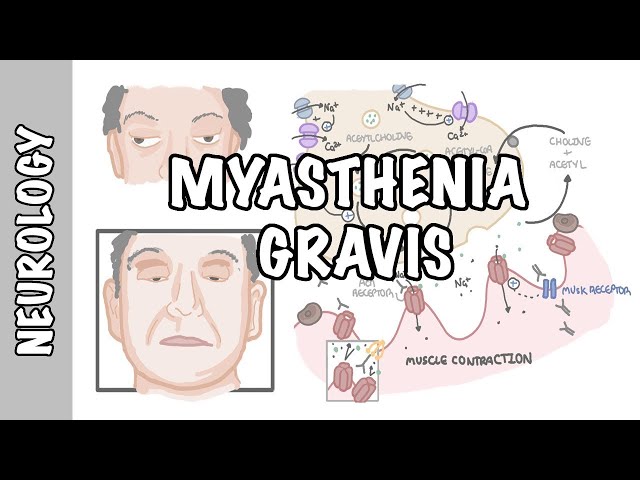
Myasthenia Gravis – symptoms, pathophysiology, investigations, treatment
Learn about myasthenia gravis, an autoimmune neuromuscular disorder characterized by fluctuating muscle weakness due to impaired neuromuscular transmission. This video covers its symptoms, underlying pathophysiology, diagnostic investigations, and available treatment options to manage the condition.
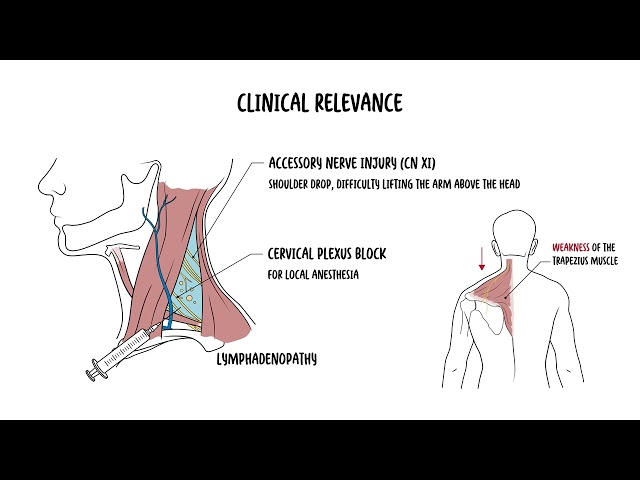
Posterior Triangle of the neck—Boundaries, Contents, Nerve Blocks & Surgical Landmarks
Explore the posterior triangle of the neck—its borders, subdivisions, key nerves and vessels, and critical clinical implications. In this concise anatomy video you’ll learn the precise boundaries of the posterior triangle (sternocleidomastoid, trapezius, clavicle), how the omohyoid divides it into the occipital and subclavian (omoclavicular) triangles, and which structures lie within each region. Discover the…
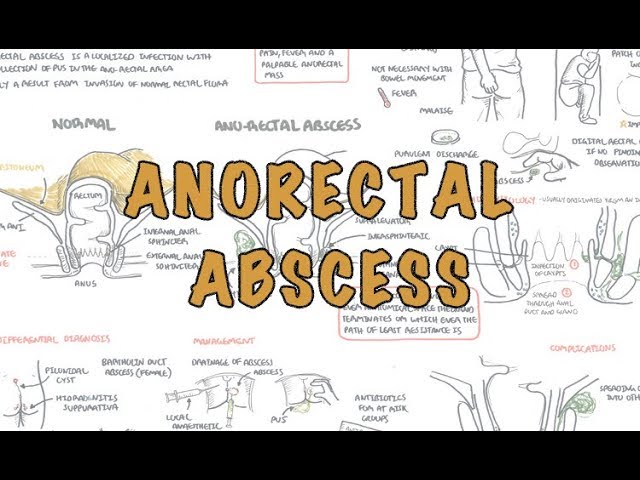
Anorectal Abscess (General Surgery) – Overview
Explore the causes, clinical features, and treatment options for anorectal abscesses in this comprehensive general surgery overview. Understand the importance of timely diagnosis and effective management to prevent complications.
Our mission
Medical science is complex. Understanding it should feel possible.
Armando Hasudungan turns difficult medical science into clear visual explanations and connected learning experiences—so learners can see the whole picture, remember what matters and find a clearer way forward.
See it clearly
Turn abstract processes and invisible relationships into something the learner can picture.
Connect the pieces
Build understanding around how concepts fit together—not a pile of isolated facts.
Make it useful
Help learners move from explanation to recall, revision and the next logical step.
What clarity feels like
When the topic stops being a blur.
Learners do not come back because the subject became easy. They come back because the explanation gave them a picture they could work with.
“Armando's teaching style gives me the foundational knowledge.
Jessica Payne-Burnett
Medical Student, Charles Sturt University
“The notes I make during his videos help me retain everything better.
Ayesha RaiStudent, Islamabad Medical and Dental College
“The drawings are amazing and super easy to remember.
Reem Mohamed Khair Abdalrazig
Student, Neelain University
Coming soon: the AH study platform
The explanation is only the start.
The free library helps you find a clear explanation. The AH platform is being built to help you connect the resources, follow a clearer path and check what actually stuck.
- Watch in a focused, ad-free study environment.
- Move between connected videos, notes, diagrams and questions.
- Know what belongs next instead of rebuilding the study path yourself.
- Test your understanding while the topic is still fresh.
New and worth a look
Keep building the picture.
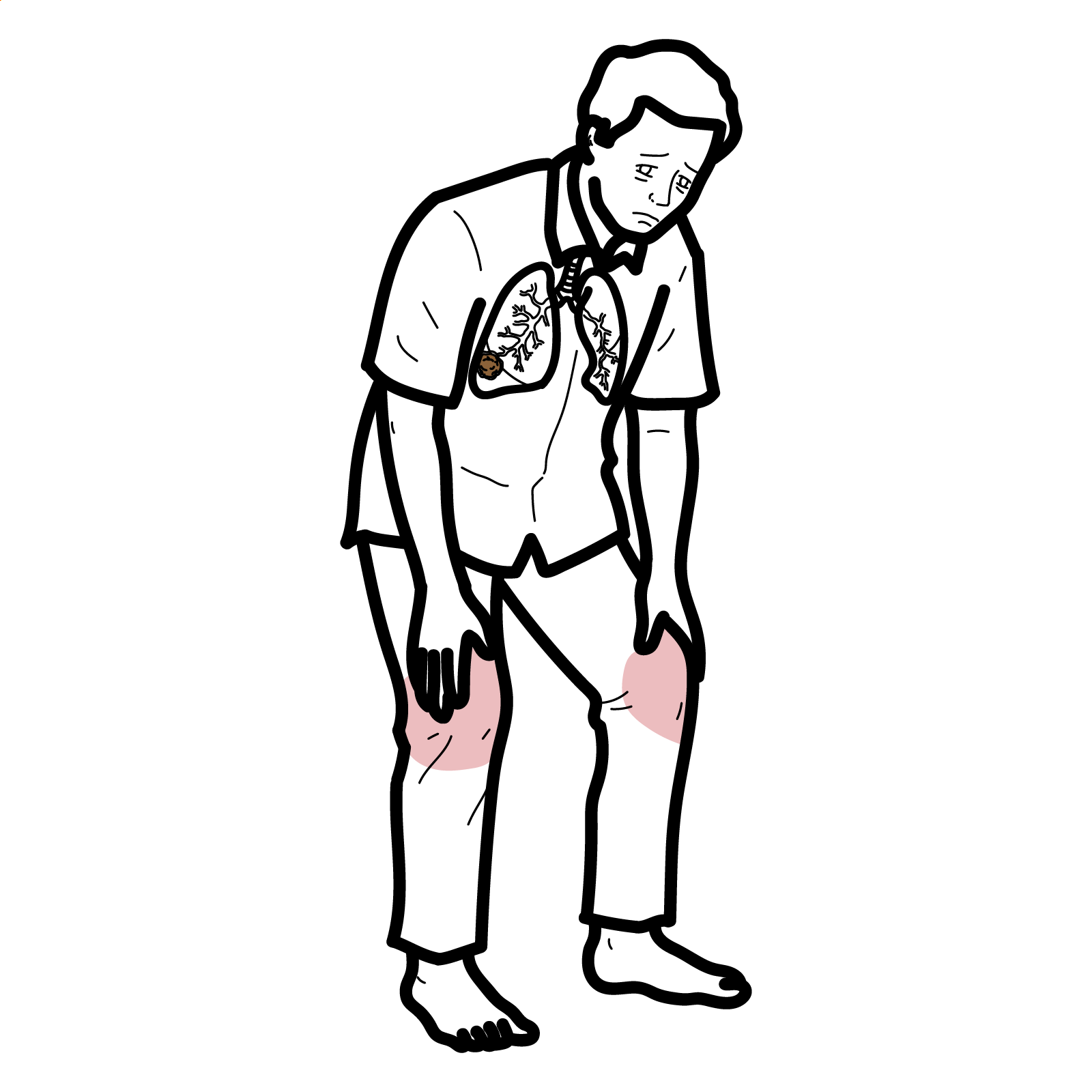
Lambert-Eaton Myasthenic Syndrome
Overview Lambert–Eaton myasthenic syndrome (LEMS) is a rare autoimmune disorder of the presynaptic neuromuscular junction. It causes impaired acetylcholine release, producing the characteristic triad of proximal muscle weakness, reduced reflexes and autonomic dysfunction. LEMS may occur as a paraneoplastic syndrome—most commonly associated with small-cell lung cancer (SCLC)—or as a non-tumour-associated autoimmune disorder. Neuromuscular junction: connection…
View this topic ↗About Visualising Medicine
Good education does not remove complexity. It makes complexity feel simple.
Visualising Medicine is the team behind Armando Hasudungan. We bring together medicine, illustration, writing and technology to make difficult ideas clearer—and build better ways for learners to use them.