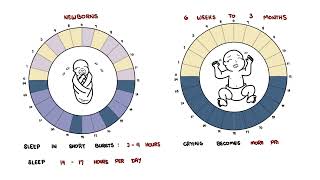
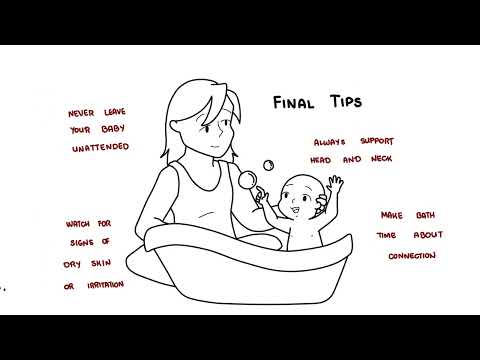
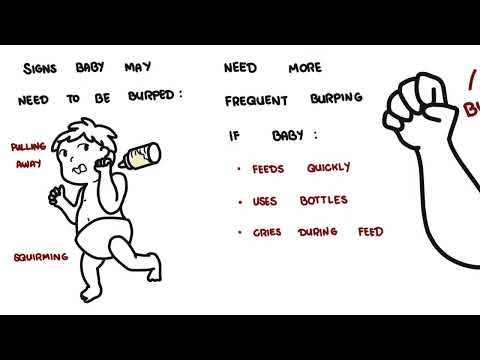
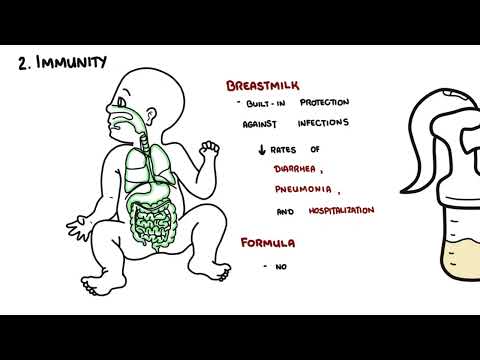
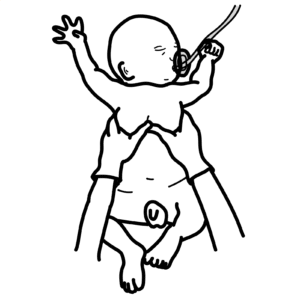
0:00 In this video, we're going to explore the crying and sleep patterns in newborns 0:11 . 0:11 Welcoming a newborn in the world brings joy, but also many questions, 0:13 especially when it 0:14 comes to sleep and crying. 0:16 Crying is a newborn's primary way of communicating. 0:21 In the first few months of life, crying doesn't always mean distress. 0:25 It's how babies express hunger, discomfort, tiredness, overstimulation, or 0:29 simply the need 0:29 for closeness. 0:33 Most newborns cry for about one to three hours a day, and this typically peaks 0:37 around six 0:37 to eight weeks of age. 0:39 Some babies experience episodes of prolonged crying, often in the late 0:42 afternoon or evening, 0:44 sometimes referred to as the "witching hour." 0:46 This can be part of a normal development, but can feel distressing to 0:51 caregivers. 0:52 Key reasons babies cry include hunger, the most common reason, sleepiness, 0:58 discomfort 0:59 from a wet nappy being too hot or cold or needing to burp, overstimulation, 1:04 especially 1:04 after lots of activity or noise, need for soothing. 1:08 They may simply want to be held or comforted. 1:12 If a baby is feeding well, gaining weight, and seems content between crying 1:16 spells, the 1:16 behavior is usually within normal limits. 1:18 However, persistent or high-pitched crying may indicate something more serious, 1:23 such 1:23 as reflux, cows, milk, protein intolerance, or illness, and should prompt 1:31 review. 1:32 Let's explore the sleep patterns now. 1:35 What's expected and the unexpected. 1:39 Newborn sleep is highly fragmented. 1:43 Babies are not born with a circadian rhythm. 1:46 The internal body clock that differentiates night and day. 1:49 So sleep can occur around the clock in short bursts, often two to four hours at 1:56 a time. 1:57 Here is a diagram showing 24 hours in the day, with the dark blue representing 2:04 night 2:04 and the light colors on top representing the day, zero to 24 hours. 2:10 On average, newborn sleep 14 to 17 hours per day, but not all in one stretch. 2:17 Daytime naps are frequent and often short. 2:20 Night sleep become interrupted by feeds and nappy changes. 2:26 The babies spend more time in what's called REM sleep, active sleep, which is 2:31 lighter 2:31 and more easily disrupted. 2:36 Over the first few months, sleep gradually consolidates. 2:40 Here you can see the graph for six weeks to three months. 2:44 Time typically begins to reduce gradually and becomes more predictable. 2:47 Babies start to settle for longer periods. 2:50 And parents often notice they are easier to soothe. 2:54 Sleep also begins to consolidate during this stage. 2:57 While babies still sleep 13 to 16 hours per day, they may begin to have longer 3:02 nighttime 3:02 sleep stretches, typically between four to six hours, and a more recognizable 3:10 pattern 3:10 of naps during the day. 3:13 On this time, the body clock begins to emerge and babies may start to 3:17 distinguish day from 3:18 night more clearly. 3:22 By the time babies reach three to six months, their crying is more purposeful 3:27 and often 3:27 linked to specific causes like hunger, fatigue, or frustration. 3:33 Many infants can begin to self-soothe for short periods and some may settle 3:37 themselves 3:37 back to sleep if they wake up in the night. 3:40 Sleep becomes increasingly consolidated with longer nighttime stretches up to 3:45 six to eight 3:45 hours and more regular daytime naps. 3:49 As you can see in this graph, the pink on the top represents more prolonged 3:54 sleep as well 3:55 as the dark blue down the bottom, more prolonged sleep, six to eight hours even 4:02 . 4:02 Most babies have two to three naps a day and a consistent sleep routine can 4:07 begin to form. 4:08 As you can see the pink on the top, you can see long stretches of sleep, which 4:15 are naps, 4:16 and down the bottom, you can see a more prolonged nighttime sleep. 4:22 Between six to 12 months, many babies sleep between 11 and 14 hours over a 24- 4:29 hour period 4:30 with a majority of sleep occurring at night. 4:33 They usually take two daytime naps, one in the morning and another in the 4:37 afternoon. 4:38 During this period, separation anxiety often emerges, which can lead to crying 4:42 at bedtime 4:42 or even during night awakenings. 4:47 Other factors such as teething, developmental milestones or illness can also 4:50 affect sleep 4:51 and lead to temporary increase in crying. 4:58 So what are the tips to support healthy sleep and soothe crying? 5:03 It's important to respond promptly. 5:06 Early response to crying helps build trust and can reduce how long your baby 5:12 cries. 5:12 Watch for sleep cues. 5:15 If the baby rubs their eyes, yawn, or a pee is fussy, this can signal tiredness 5:21 . 5:21 Putting a baby down before overtidness helps them settle more easily. 5:26 It's important to create bedtime rhythm, a gentle, consistent routine, signal 5:31 sleep 5:31 time and support body clock development. 5:36 Swaddle safely for newborn swaddling can reduce startle reflex and help them 5:41 feel secure. 5:43 Just ensure it's done safely to allow hip development. 5:48 Sometimes white noise or shushing can help and these mimic womb sounds and can 5:53 soothe 5:53 crying or help babies transition to sleep. 5:58 Day and night cues keep lights low and interaction minimal at night. 6:03 In the day expose babies to natural light and talk more during feeding. 6:11 When to seek help, this is a complicated one and really to seek medical review, 6:18 you can 6:18 consider the following. 6:20 When crying is inconsolable or unusually high pitched, when there are signs of 6:26 illness, 6:26 demons, poor feeding and lethargy, or really when you feel overwhelmed, 6:31 distressed or 6:31 worried something is wrong. 6:34 I hope this video has helped, thank you. 6:56 [BLANK_AUDIO]