

Kawasaki Disease
Overview
Kawasaki disease is an acute systemic vasculitis affecting small and medium-sized vessels predominantly affecting children under 5 years old. It is the leading cause of acquired heart disease in children in developed countries. Kawasaki is often self-limiting, but 20–25% risk of coronary artery aneurysms if untreated 1.
Definition
Vasculitis: Inflammation of blood vessel walls, which can lead to vessel wall damage, narrowing, aneurysm formation, or occlusion. In Kawasaki disease, vasculitis predominantly affects medium-sized arteries, especially the coronary arteries.
Coronary artery aneurysm: Localised dilation of a section of a coronary artery wall. A feared complication of Kawasaki disease due to inflammation weakening the arterial wall. Can lead to thrombosis, rupture, or myocardial infarction in severe cases.
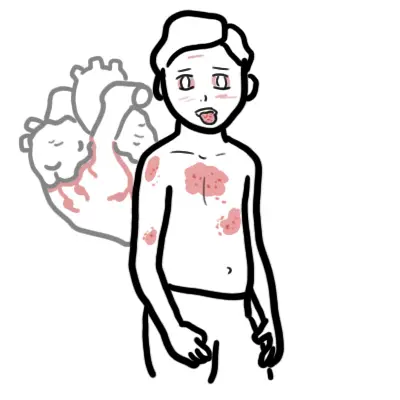
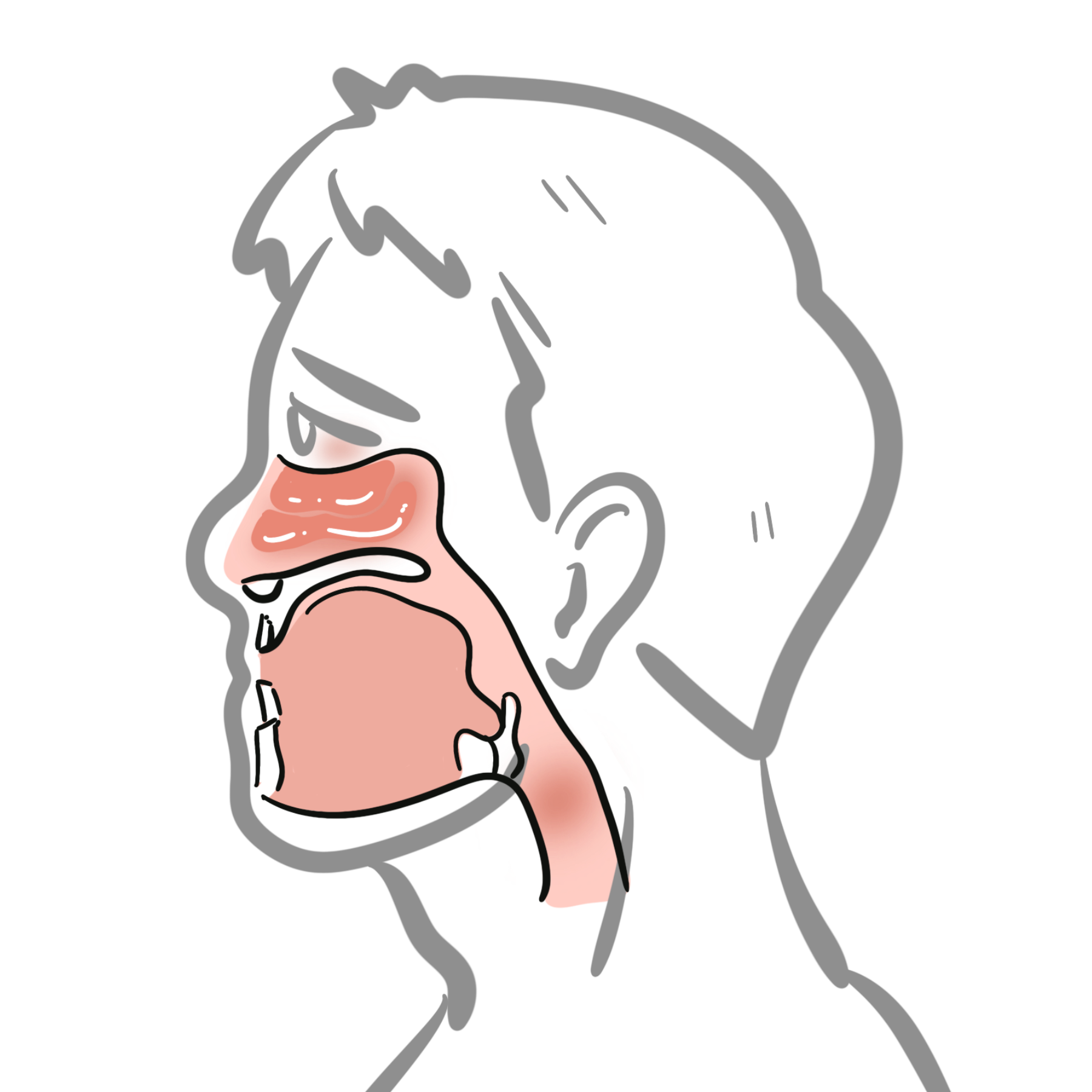
Strawberry tongue: A clinical finding of erythematous, swollen tongue with prominent papillae — a hallmark of mucocutaneous involvement in Kawasaki disease and scarlet fever.
What to notice
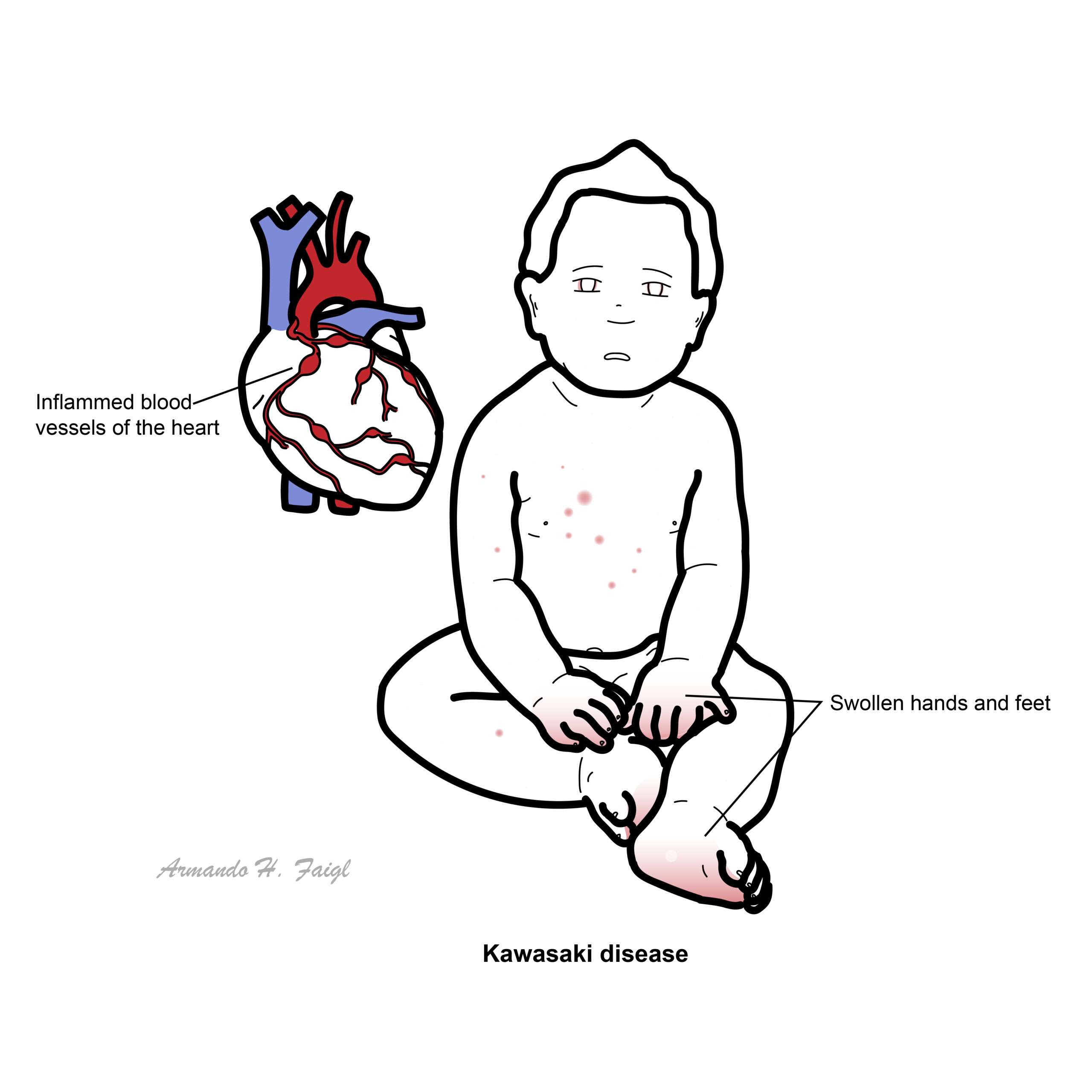
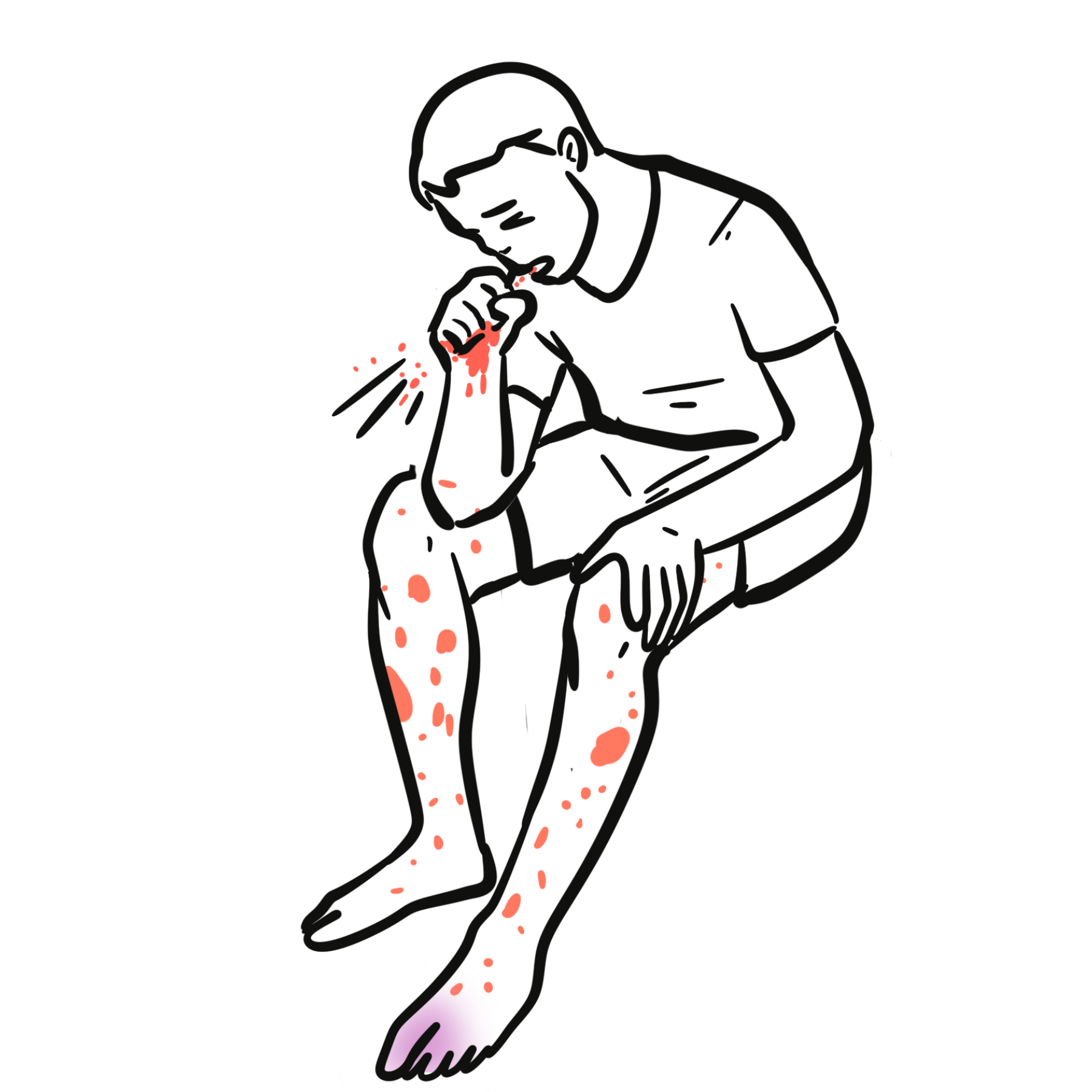
Detailed image description
A febrile child with cracked lips, red eyes, and swollen hands may not have an infection — think Kawasaki, not just a viral illness.
Anatomy & Physiology
Affects medium-sized muscular arteries, especially coronary arteries. Inflammation involves intima, media, and adventitia of vessels.
Aetiology & Risk Factors
- Unknown cause; likely infectious trigger in genetically susceptible host.
- Suggested triggers: viral infections (e.g. coronavirus, adenovirus), bacterial toxins.
- Risk factors
- Age < 5 years
- Asian descent, especially Japanese (2)
- Male gender
- Family history of KD
Pathophysiology
- Trigger (e.g., infection) → activates innate immune response
- Cytokine release (e.g. IL-1, IL-6, TNF-α) → systemic inflammation and endothelial injury
- Inflammatory cells infiltrate vascular walls → necrotising arteritis
- Medium-sized arteries (notably coronary) are weakened → aneurysm formation
- Resolution may occur, or in severe cases → thrombosis or myocardial infarction
Clinical Manifestations
Classic (complete) KD:
- High grade fever with 4 of the following:
- Conjuctivitis (bilateral non purulent)
- Rash
- Polymorphous
- Maculopapular
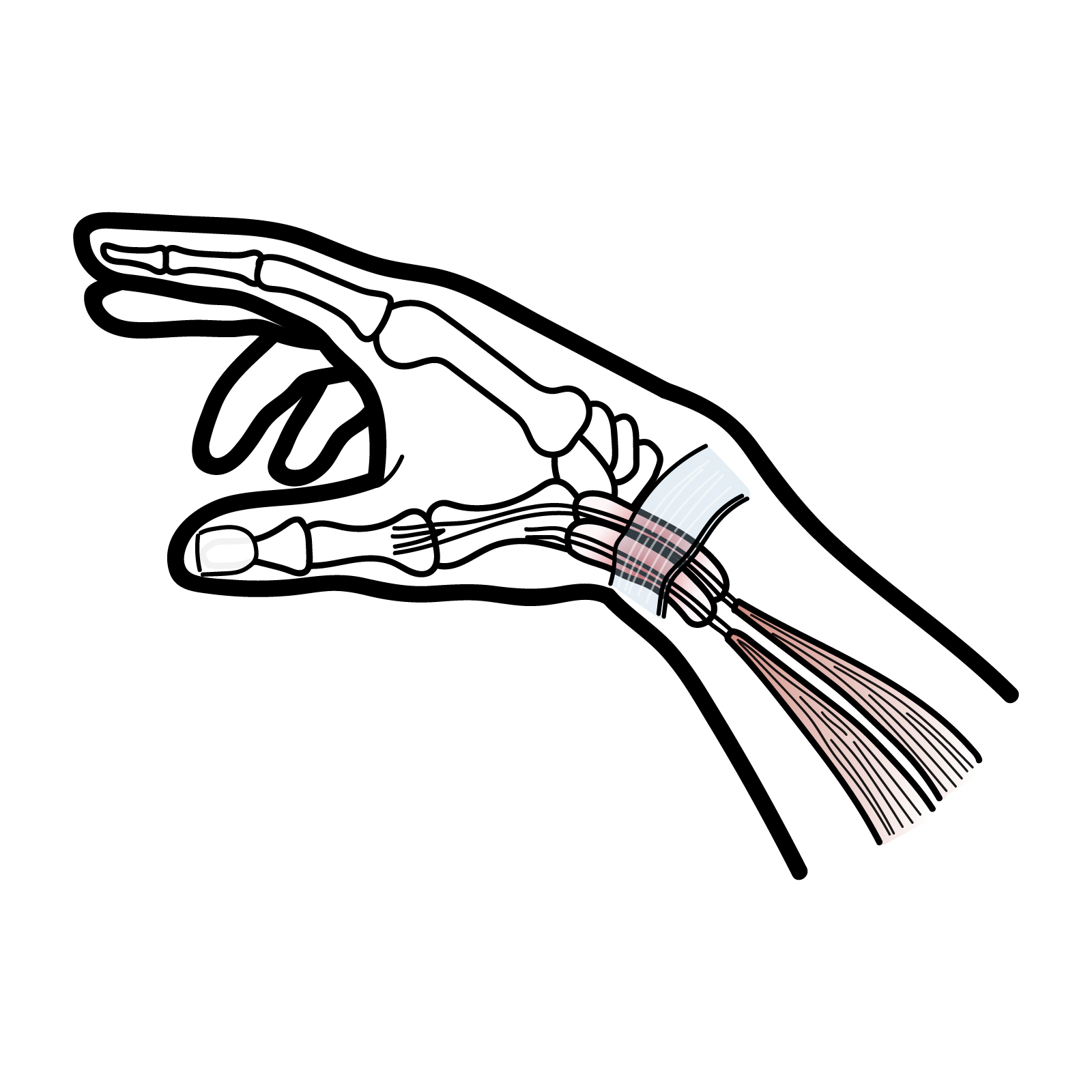
- Erythema and oedema of hands or feet
- Adenopathy (cervical lymphadenopathy)
- Mucous membranes
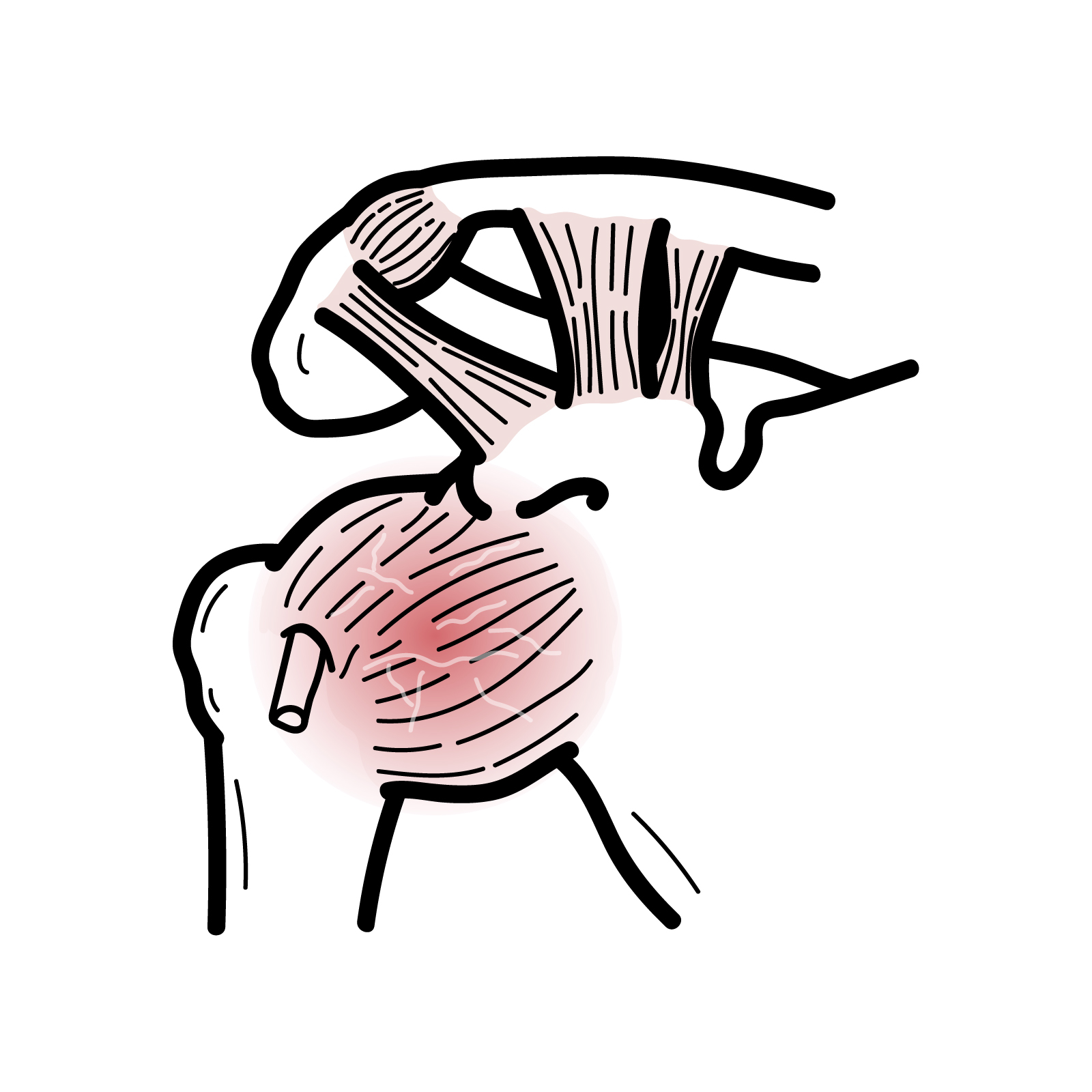
- Dry cracked lips
- Red tongue
- Strawberry tongue
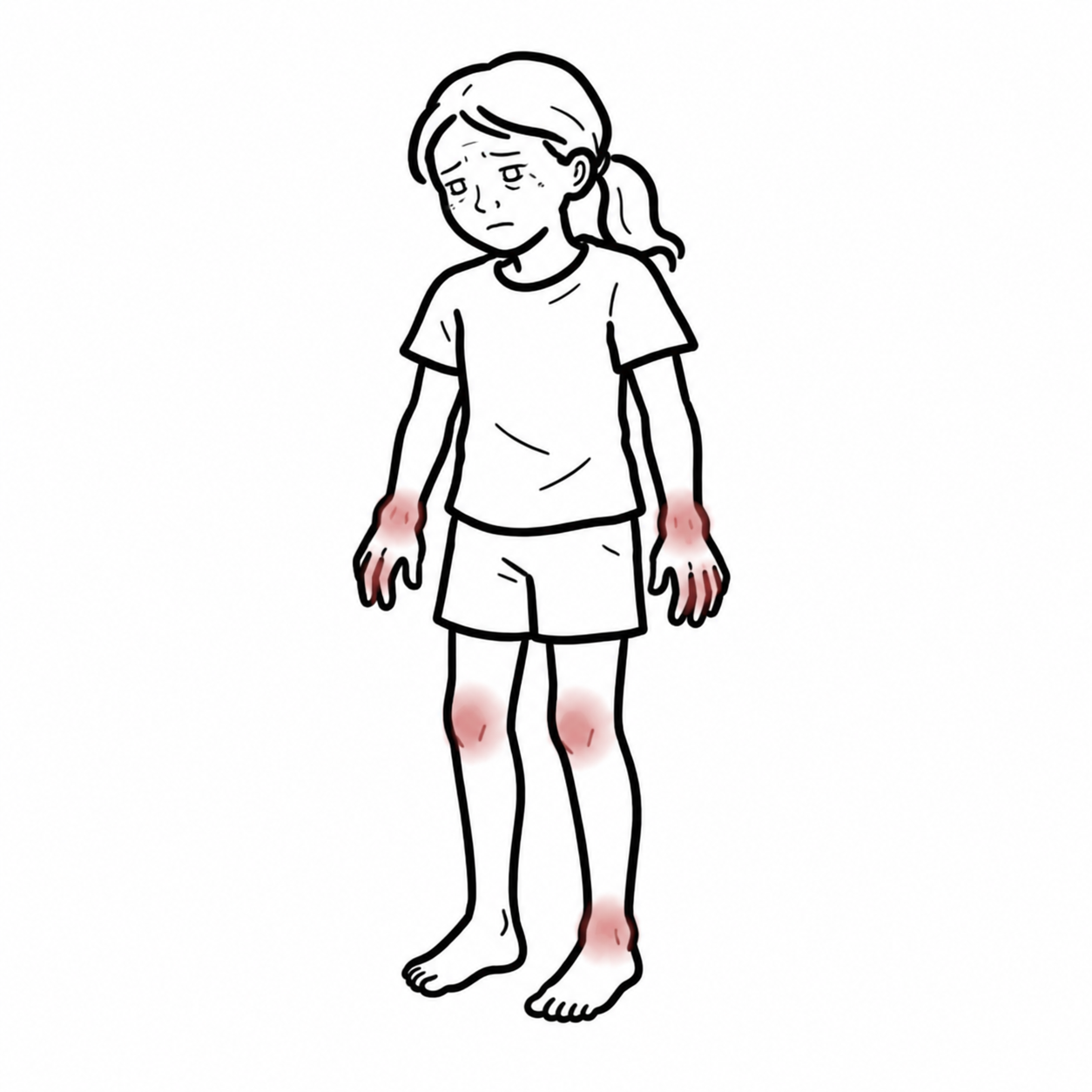
- Other findings: Irritability, arthritis, aseptic meningitis, sterile pyuria
- Cardiac: Coronary artery aneurysms (days 7–10), myocarditis, pericardial effusion
Fevers + CREAM
Children <6 months are at higher risk of incomplete KD and coronary aneurysms — maintain high suspicion (4).
Diagnosis
Clinical diagnosis; no single definitive test.
High grade fever ≥ 5 days (essential) plus ≥4 of 5 principal features:
- Conjunctivitis (bilateral, non-exudative)
- Rash (polymorphous, usually trunk/extremities)
- Oral mucosal changes (cracked lips, strawberry tongue, red oropharynx)
- Extremity changes (erythema, oedema, desquamation)
- Cervical lymphadenopathy (usually unilateral, >1.5 cm)
- ↑ ESR and CRP (often markedly elevated)
- ↑ Platelets (especially after day 7), ↑ WBCs, normocytic anemia
- ↑ ALT/AST, hypoalbuminemia
- Sterile pyuria
- Echocardiogram: baseline and repeat at 2 and 6 weeks to assess coronary arteries
- ECG to detect arrhythmias
- Scarlet fever (Group A Strep)
- Measles
- Stevens-Johnson syndrome
- Toxic shock syndrome
- Systemic JIA (especially in incomplete KD)
Classification
- Classic KD: Fever ≥5 days + ≥4/5 clinical features.
- Incomplete KD: <4 features but compatible lab and echo findings.
- Atypical KD: Unusual presentations (e.g., renal failure, hepatitis, CNS involvement).
Treatment
- IVIG 2 g/kg over 10–12 hours — within first 10 days of illness (3)
- Aspirin: high-dose during acute phase → low-dose until inflammation resolves or longer if coronary changes persist
- Corticosteroids or infliximab in IVIG-resistant cases
- Close cardiology follow-up for coronary monitoring
Treat within the first 10 days to reduce coronary artery aneurysm risk.
Aspirin is not usually used for children because of the risk of Reye Syndrome (Encephalopathy + liver damage). Kawasaki is an exception.
Complications & Prognosis
Complication
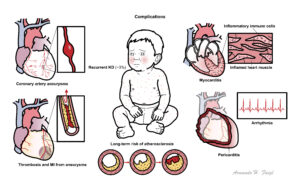
- Cardiac:
- Coronary artery aneurysms (seen in ~25% if untreated, ~5% with IVIG)
- Myocarditis, pericarditis, arrhythmia
- Thrombosis and MI from aneurysms
- Recurrent KD (~3%)
- Long-term risk of atherosclerosis
Prognosis
- Excellent if treated early with IVIG.
- Coronary aneurysm regression possible, especially if small.
- Long-term cardiac surveillance may be needed.
Coronary aneurysm is the most important complication to remember in Kawasaki Disease.
References
- McCrindle BW, Rowley AH, Newburger JW, et al. Diagnosis, treatment, and long-term management of Kawasaki disease: A scientific statement. Circulation. 2017;135(17):e927–e999.
- Kato H, Sugimura T, Akagi T, et al. Long-term consequences of Kawasaki disease. A 10- to 21-year follow-up study. Circulation. 1996;94(6):1379–1385.
- Newburger JW, Takahashi M, Gerber MA, et al. Diagnosis, treatment, and long-term management of Kawasaki disease: A statement for health professionals. Pediatrics. 2004;114(6):1708–1733.
- Singh S, Agarwal S, Bhattad S, et al. Management of Kawasaki disease. Indian J Pediatr. 2016;83(1):77–84.






Members only discussions coming soon…