

Aortic Regurgitation (incompetence)
Overview
Definition
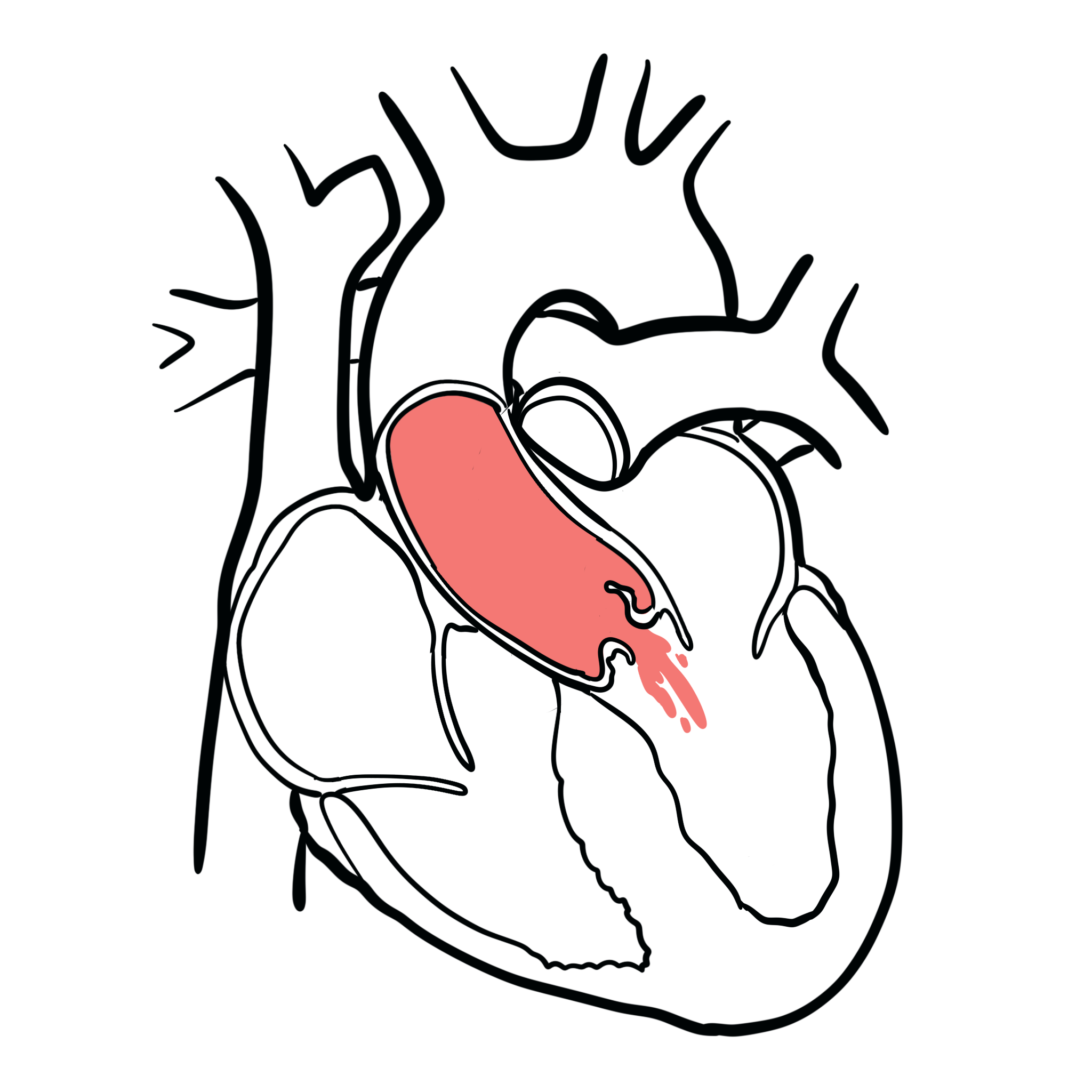
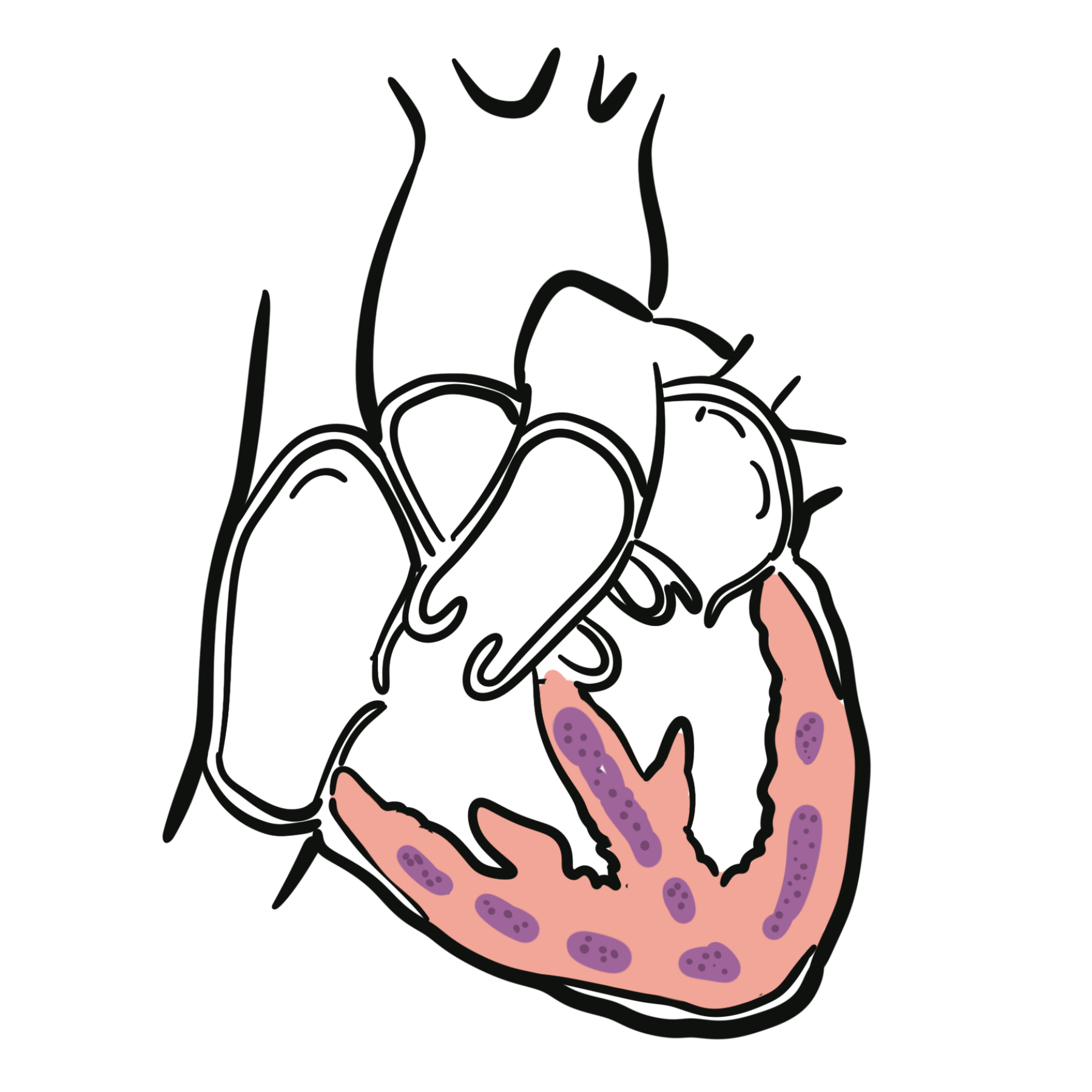
Aortic regurgitation (aortic incompetence): Incomplete closure of the aortic valve allows blood to flow backward from the aorta into the left ventricle during diastole.
Diastole: The phase of the cardiac cycle when the ventricles relax and fill with blood; aortic regurgitation occurs during this phase.
Diastolic murmur: An abnormal heart sound heard after the second heart sound (S2), while the ventricles are filling; aortic regurgitation produces a diastolic murmur.
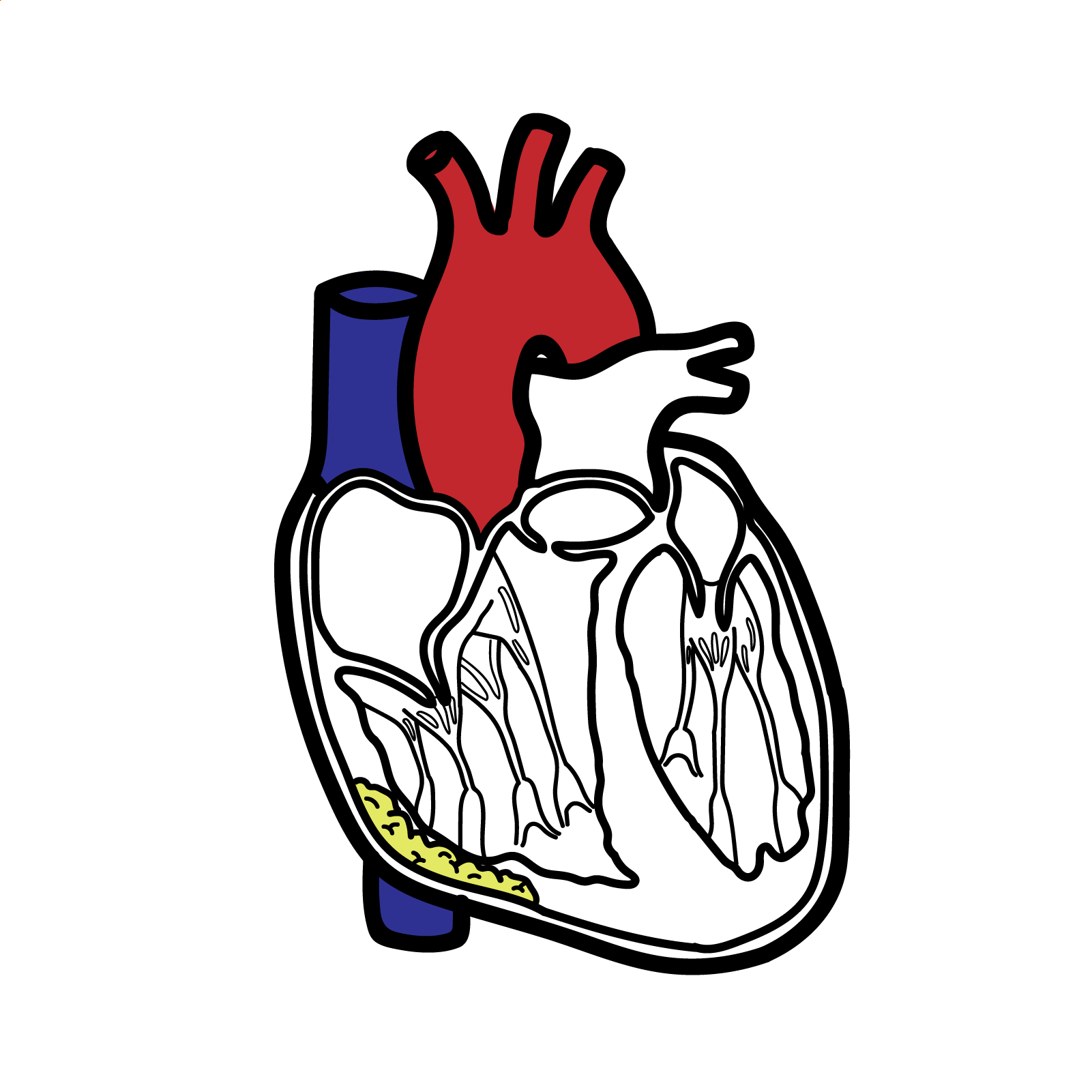
Infective endocarditis: Infection of the inner lining of the heart, usually involving a valve; damage to the aortic valve can cause regurgitation.
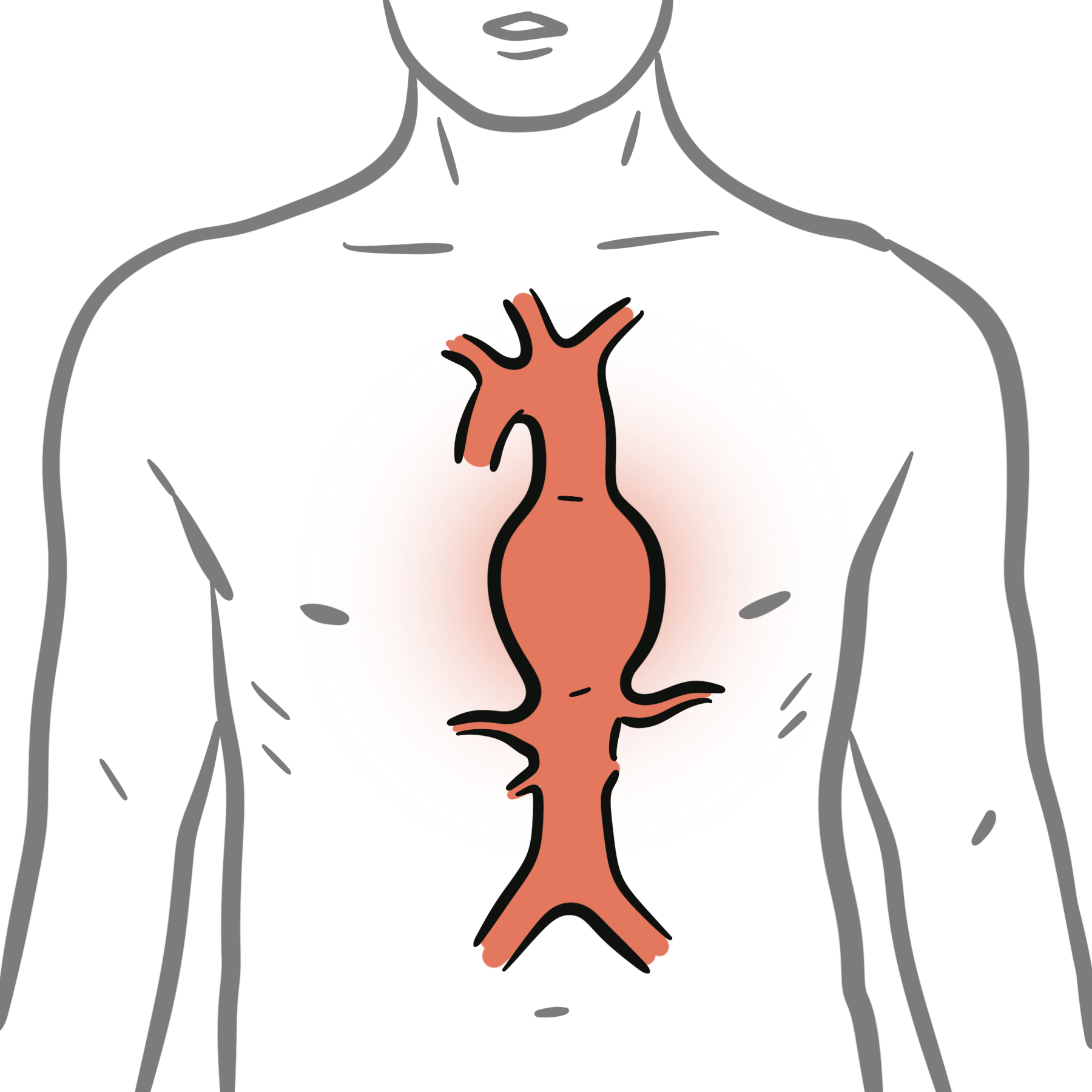
Aortic dissection: A tear in the inner layer of the aortic wall that allows blood to separate its layers; involvement near the aortic valve can cause acute aortic regurgitation.
- Patients with acute mitral regurgitation (MR) are often gravely ill with significant hemodynamic abnormalities that require urgent medical and usually surgical treatment.
- Aortic Reguritation produces a “diastolic murmur”, which is a murmur heart after the second heart sound (S2 – aortic and pulmonary valve closure) when the ventricles are filled with blood.
Aetiology & Risk Factors
Aetiology
- Endocarditis
- Aortic dissection
- Rupture of congenitally fenestrated cusp
- Traumatic rupture of valve leaflets
- Iatrogenic – complications of aortic balloon valvotomy
Risk Factors
Clinical Manifestations
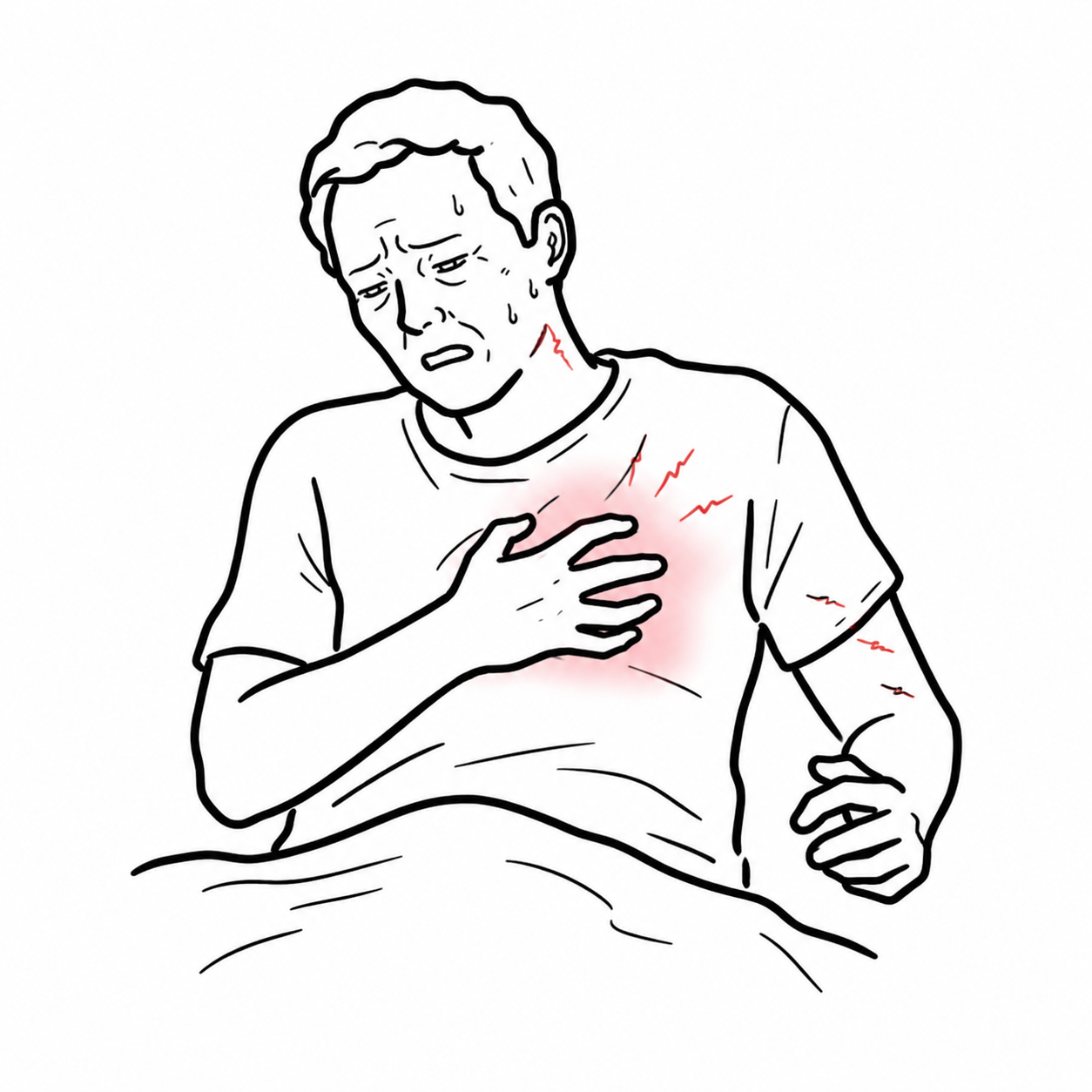
- Syncope
- Dyspnoea
- Fatigue
- Tachycardia
- Orthopnoea
- Paroxysmal nocturnal dyspnoea
- Signs of pulmonary oedema
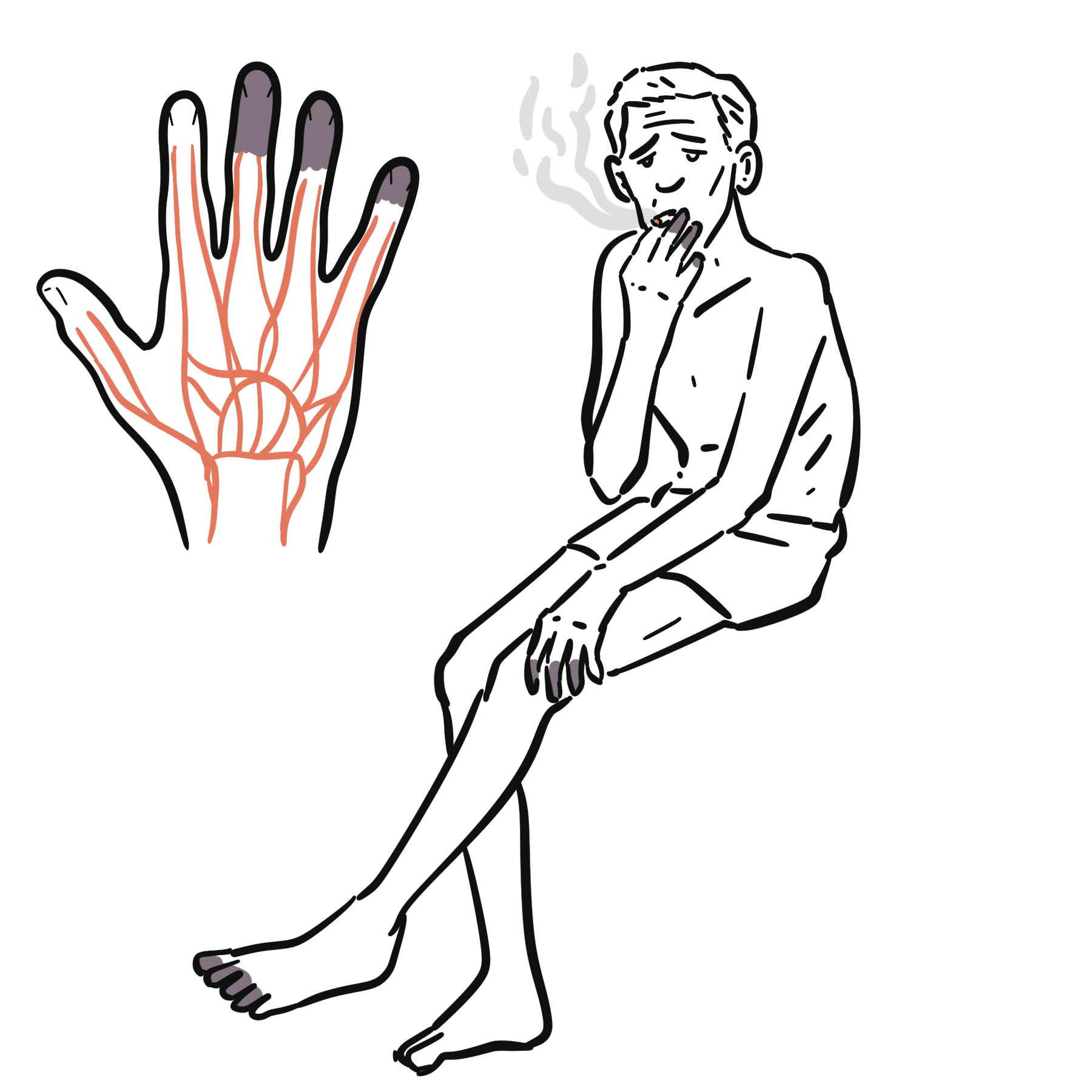
- Signs and symptoms of cardiogenic shock in chronicaortic regurgitation
- Pallor
- Hypotension
- Diaphoresis
- Cyanosis
Cardiovascular Examination
- Signs and cardiogenic shock in chronic regurgitation
- Possible signs of aortic stenosis
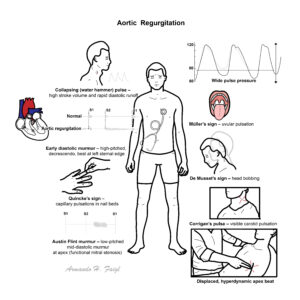
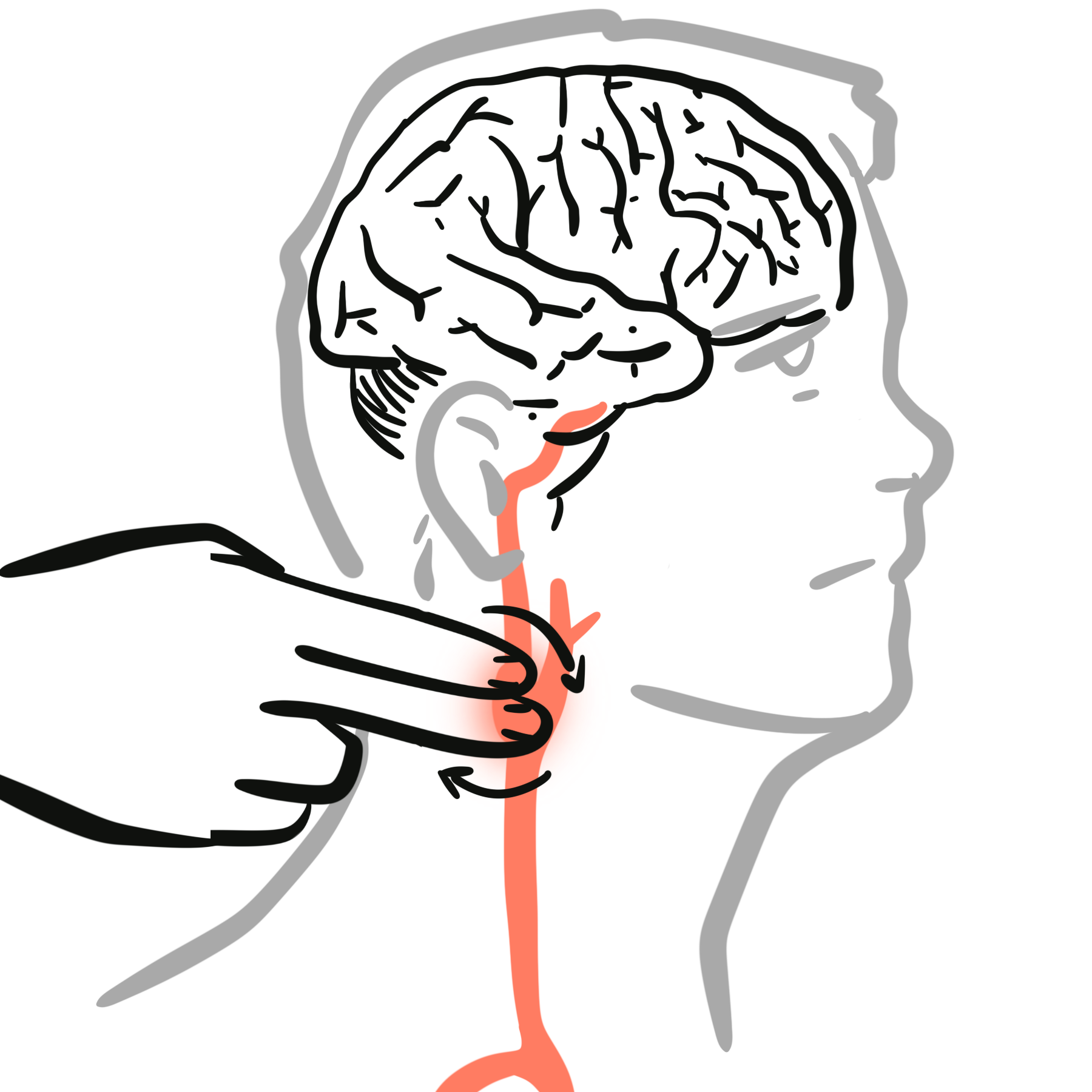
- Carotid collapsing pulse (high amplitude pulse of short durations
- Auscultation – Aortic valve (right second intercostal space)
- Soft or absent S1
- S2 is soft, while pulmonary valve has increased sound reflecting pulmonary hypertension
- An S3 is frequently heard but an S4 is absent
Diagnosis
Investigations
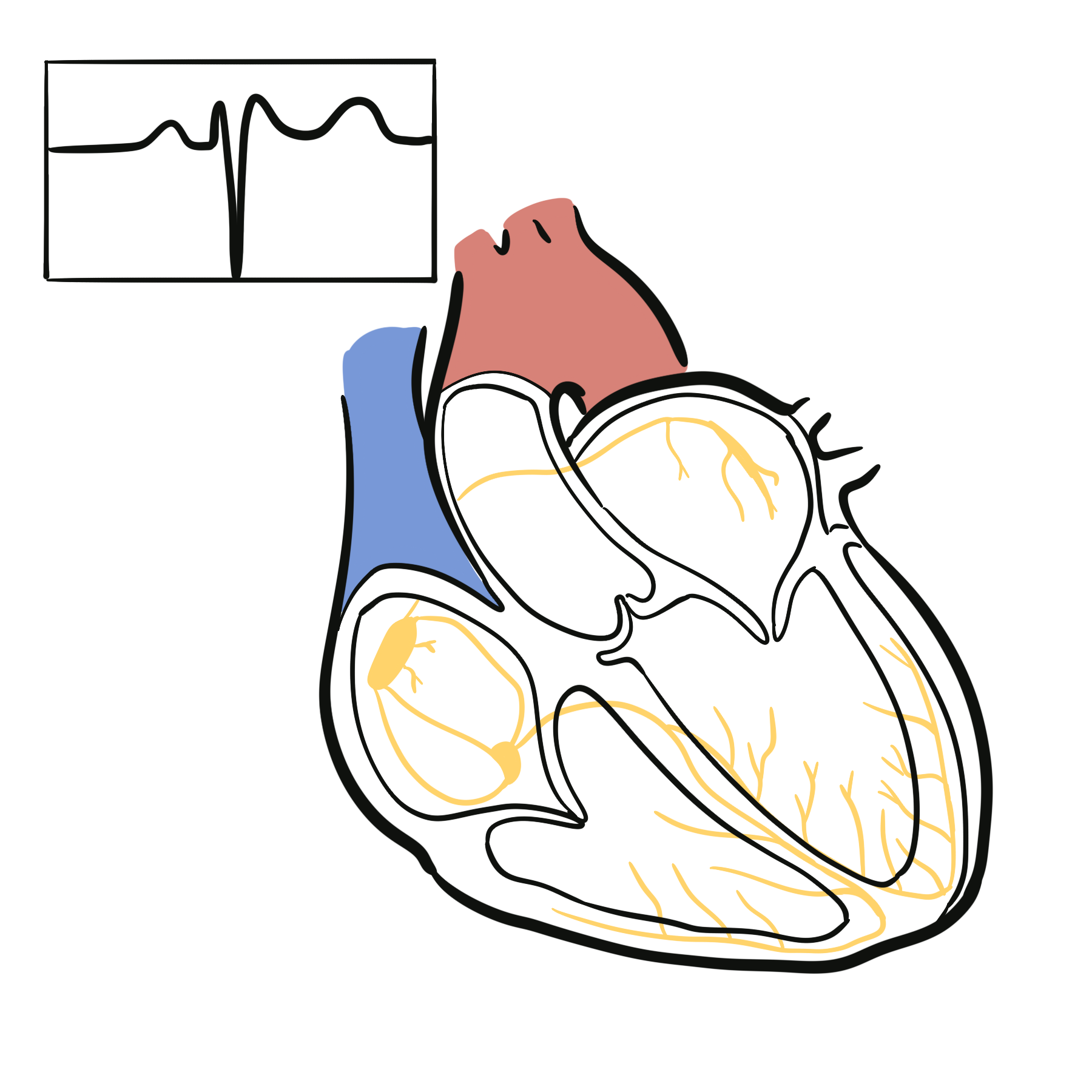
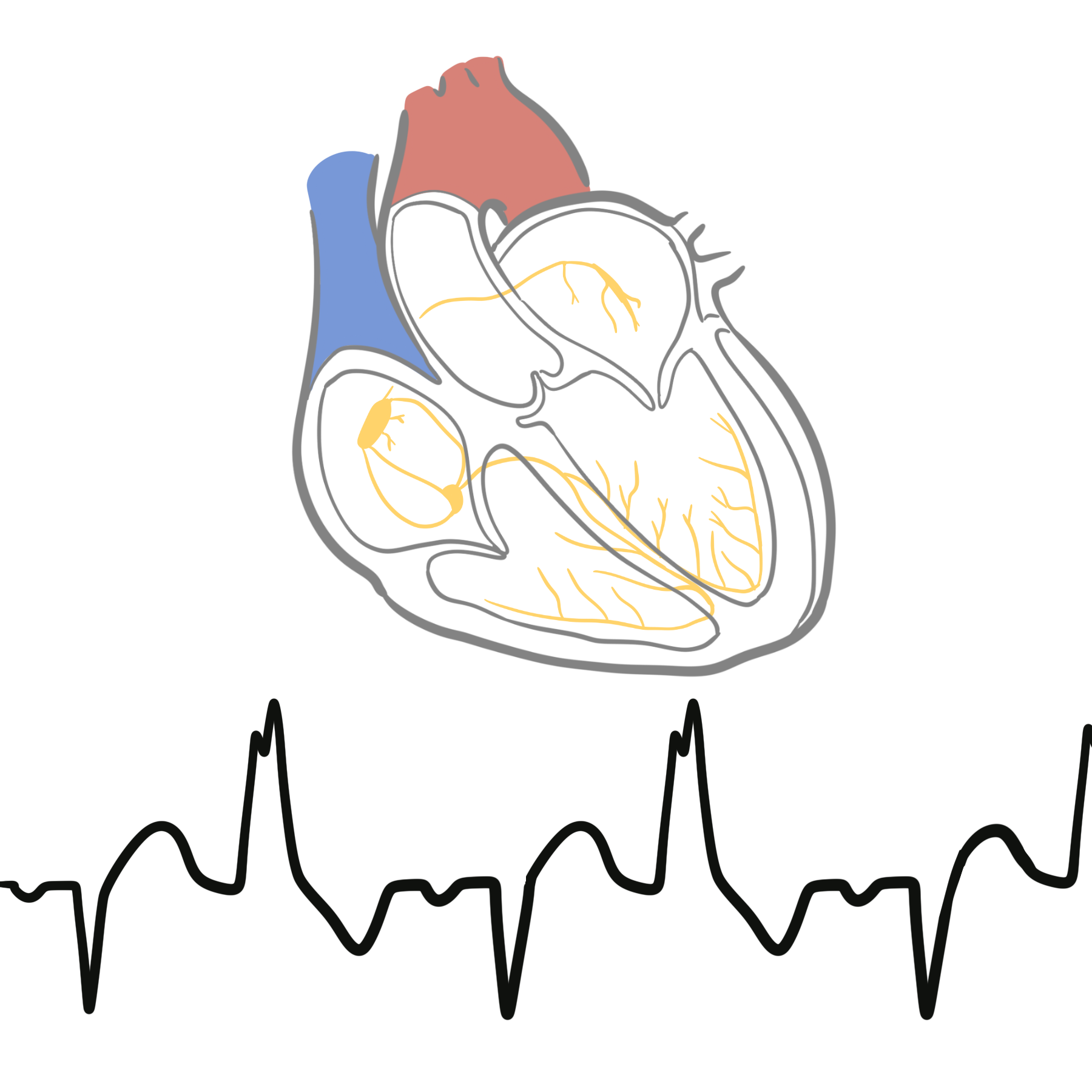
- ECG – May show non-specific ST and T wave changes, left axis deviation
- Chest X-ray
- Echocardiogram
- Doppler studies
Diagnosis
Echocardiography is diagnostic in acute AR. Echocardiography confirms the presence of AR and identifies its severity and cause. The cause of aortic regurgitation can be determined by identification of characteristic findings such as those of aortic valve endocarditis or aortic dissection.
Treatment
Haemodynamically support pre-op
- Inotropes (dopamine and dobutamine)
- Vasodilators (nitroprusside)
Surgical
- Urgent aortic valve replacement or repair
Complications & Prognosis
Complications
- Complications with operation
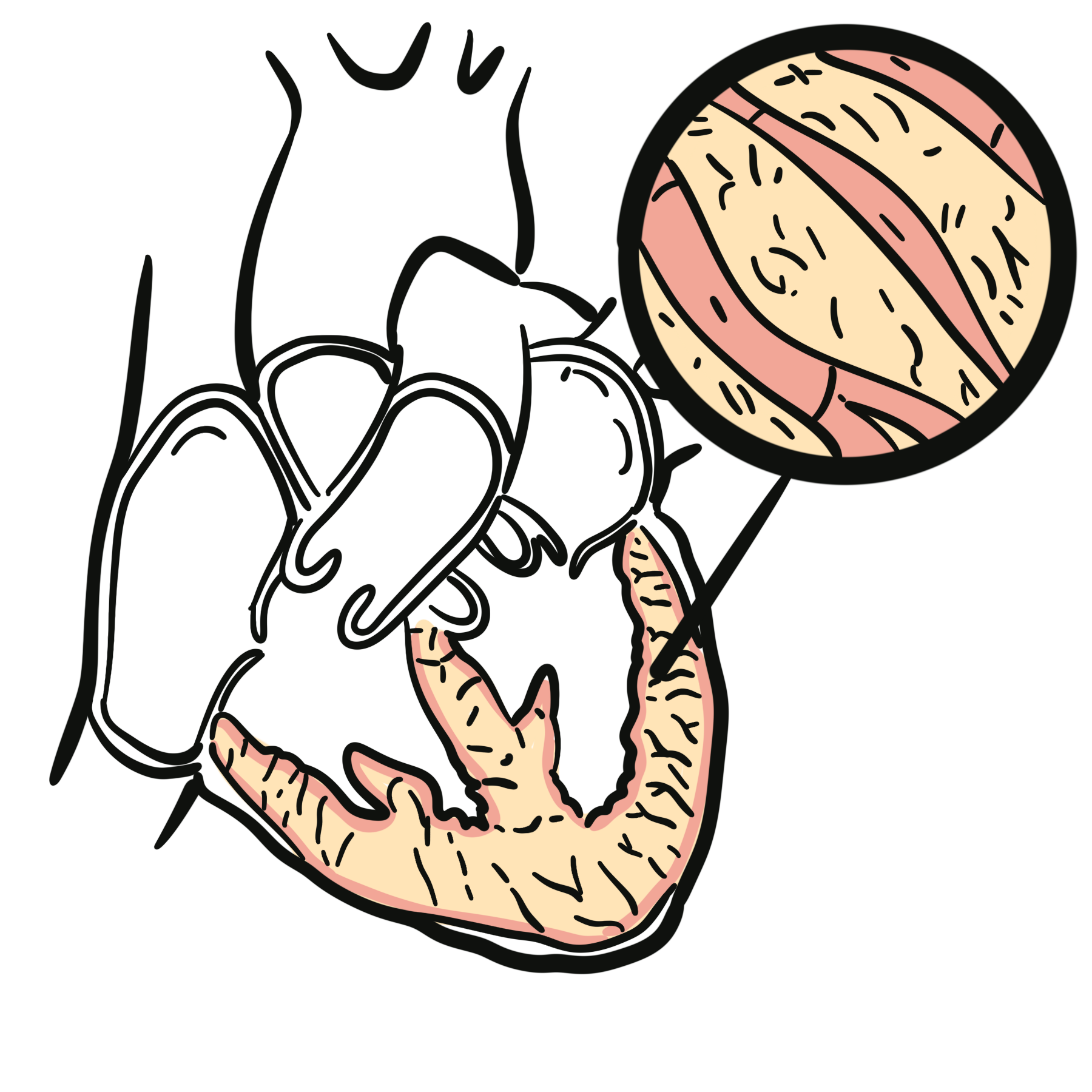
- Congestive heart failure
- arrhythmia’s
- infective endocarditis
- sudden death
- MI
Prognosis
- Mortality is low
- It is important to monitor to see of any developing symptoms or LV dysfunction
References
- Praz F, Borger MA, Lanz J, et al. 2025 ESC/EACTS Guidelines for the management of valvular heart disease. Eur Heart J. 2025;46(44):4635–4736. doi:10.1093/eurheartj/ehaf194.
- Otto CM, Nishimura RA, Bonow RO, et al. 2020 ACC/AHA guideline for the management of patients with valvular heart disease. Circulation. 2021;143(5):e72–e227. doi:10.1161/CIR.0000000000000923.
- Mazzolai L, Teixido-Tura G, Lanzi S, et al. 2024 ESC Guidelines for the management of peripheral arterial and aortic diseases. Eur Heart J. 2024;45(36):3538–3700. doi:10.1093/eurheartj/ehae179.
- Zoghbi WA, Adams D, Bonow RO, et al. Recommendations for noninvasive evaluation of native valvular regurgitation. J Am Soc Echocardiogr. 2017;30(4):303–371. doi:10.1016/j.echo.2017.01.007.
- Bekeredjian R, Grayburn PA. Valvular heart disease: aortic regurgitation. Circulation. 2005;112(1):125–134. doi:10.1161/CIRCULATIONAHA.104.488825.

Members only discussions coming soon…