

Chronic Cough
Overview
Chronic cough in adults is defined as a persistent cough lasting > 8 weeks.
After excluding red flags, active cigarette smoking, and angiotensin-converting enzyme inhibitor (ACEi) use, the “Pathogenic Triad” of Upper Airway Cough Syndrome, Cough-Variant Asthma / Non-Asthmatic Eosinophilic Bronchitis, and Gastro-Esophageal Reflux Disease accounts for > 85–90% of cases.
Many refractory cases involve Cough Hypersensitivity Syndrome (CHS), characterized by sensory hyper-reactivity of airway vagal afferents triggered by non-tussive stimuli (allotussia, e.g., cold air, laughing, talking).
Always check the medication list first. ACE inhibitors can induce a persistent, dry cough in up to 15% of patients, occurring anytime from weeks to years after starting therapy. The cough can take up to 4–12 weeks to resolve completely after stopping the ACEi.
Triage & Approach
Step 1: Screen for Red Flags (Immediate Rule-Outs)
- Hemoptysis: Bronchogenic carcinoma, pulmonary tuberculosis, bronchiectasis, pulmonary embolism.
- Systemic Symptoms: Unexplained weight loss, night sweats, fever (Malignancy, TB, Chronic infection).
- Smoker / Ex-Smoker (>= 20 pack-year history) + Age > 45: High risk for Lung Carcinoma or COPD.
- Prominent Dyspnea / Stridor / Hoarseness: Fixed airway lesion, vocal cord pathology, interstitial lung disease (ILD), congestive heart failure.
- Recurrent Pneumonias / Copious Purulent Sputum: Bronchiectasis, aspiration.
Step 2: Initial Stepwise Elimination
- Stop ACE inhibitors (switch to ARB if indicated; wait 4–8 weeks to assess response).
- Smoking cessation intervention.
- Obtain Chest X-Ray (CXR) in all patients.
Step 3: Branching Logic for Normal CXR & Non-Smoker Off ACEi
- Empirical Stepped Sequential Therapy (The “Triad”):
- Treat Upper Airway Cough Syndrome (UACS): Intranasal corticosteroid spray +/- 1st-generation antihistamine/decongestant trial for 4 weeks.
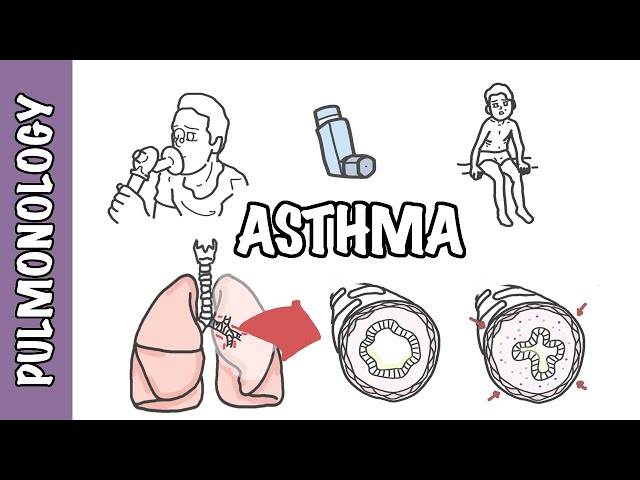
- Treat Asthma / NAEB: Spirometry + Bronchial Provocation testing (or empirical Inhaled Corticosteroid [ICS] + LABA for 4–8 weeks).
- Treat GERD / LPR: High-dose PPI (e.g., Esomeprazole 40 mg BD) + lifestyle modifications for 8–12 weeks (note: non-acid reflux may require prokinetics or alginate).
Up to 25–30% of patients with chronic cough have multiple concurrent causes (e.g., Asthma + GERD). A partial response to one treatment warrants adding the next therapy sequentially rather than discontinuing the first.
Differential Diagnosis
The Common Triad (Normal CXR, Non-Smokers):
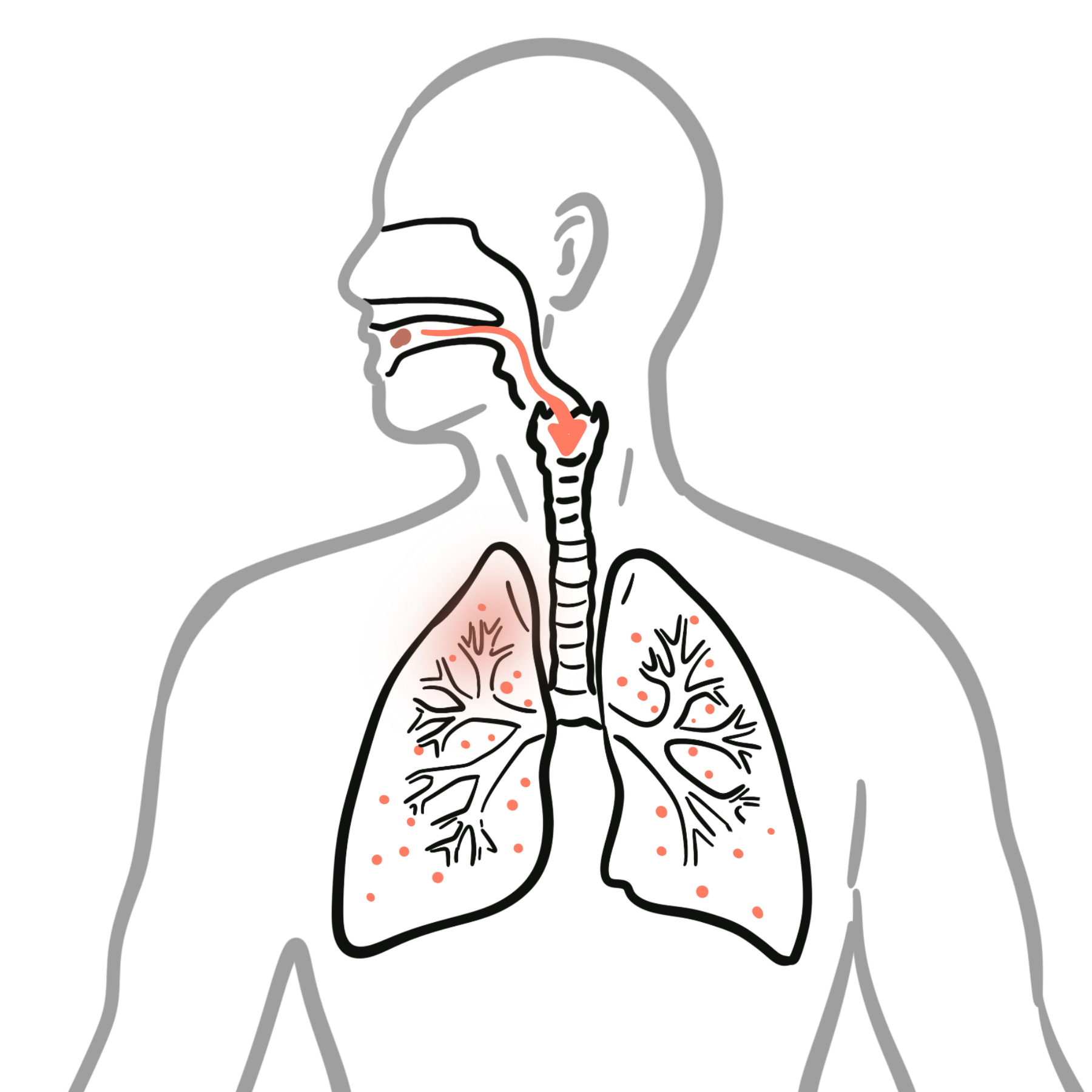
- Upper Airway Cough Syndrome (UACS / Post-Nasal Drip):
- Distinguishing features: Sensation of liquid dripping in throat, frequent throat-clearing, “cobblestoning” of posterior pharynx, allergic rhinitis or chronic rhinosinusitis symptoms.
- Cough-Variant Asthma / NAEB:
- Distinguishing features: Cough provoked by cold air, exercise, or allergens; nocturnal waking. NAEB presents with eosinophilic airway inflammation (sputum eosinophils > 2.5%) but normal spirometry and negative bronchial provocation challenge (responds to ICS).
- Gastro-Esophageal Reflux Disease (GERD) / Laryngopharyngeal Reflux (LPR):
- Distinguishing features: Heartburn/water brash (often absent in “silent” reflux), cough worse after meals, on bending, or when lying supine, hoarseness.
Pulmonary & Parenchymal Disorders (Abnormal CXR / High Risk):
- Bronchogenic Carcinoma:
- Distinguishing features: New or changing cough in a smoker, hemoptysis, weight loss, focal wheeze/consolidation, hilar mass or nodule on imaging.
- Bronchiectasis:
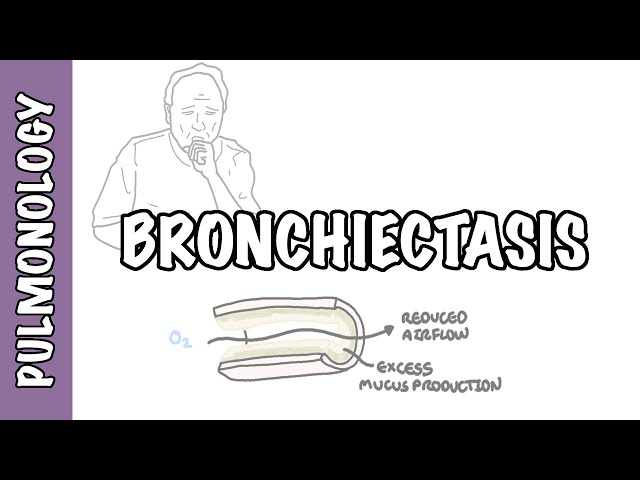
- Distinguishing features: Chronic daily production of copious, purulent sputum, recurrent chest infections; “tram-track” sign or signet-ring sign on HRCT.
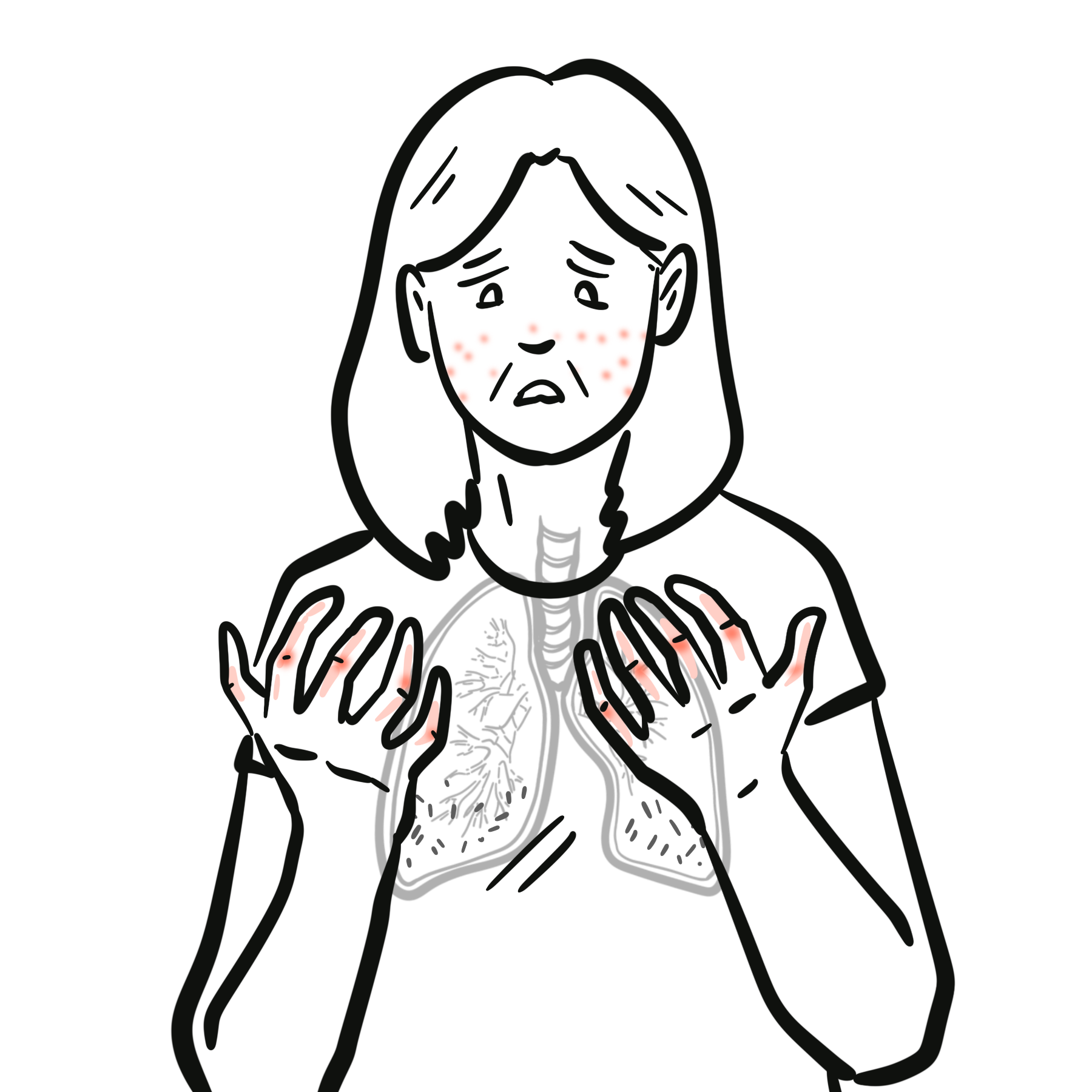
- Interstitial Lung Disease (ILD) / Idiopathic Pulmonary Fibrosis (IPF):
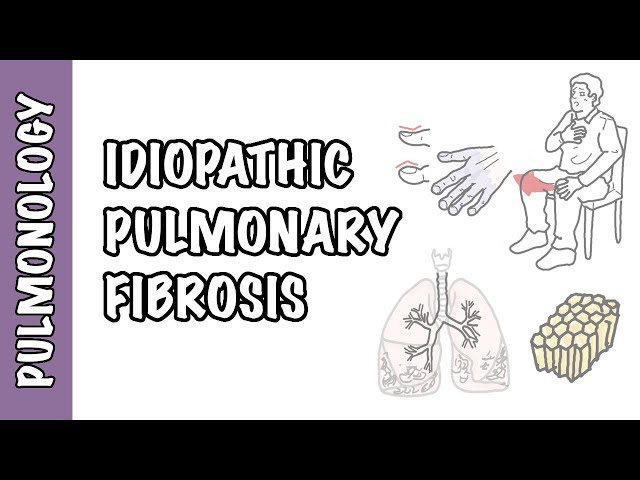
- Distinguishing features: Progressive exertional dyspnea, dry non-productive cough, fine bibasilar “velcro-like” inspiratory crackles, finger clubbing.
- Chronic Infections:
- Distinguishing features: Tuberculosis (cavitary apical lesions), Non-Tuberculous Mycobacteria (NTM), Bordetella pertussis (“whooping” post-tussive emesis in unvaccinated/waning adults).
- Unexplained / Refractory Cough:
- Cough Hypersensitivity Syndrome / Neurogenic Cough:
- Distinguishing features: Laryngeal paresthesia (“tickle in throat”), allotussia (cough triggered by talking, laughing, perfumes, temperature change), refractory to standard triad therapy.
- Cough Hypersensitivity Syndrome / Neurogenic Cough:
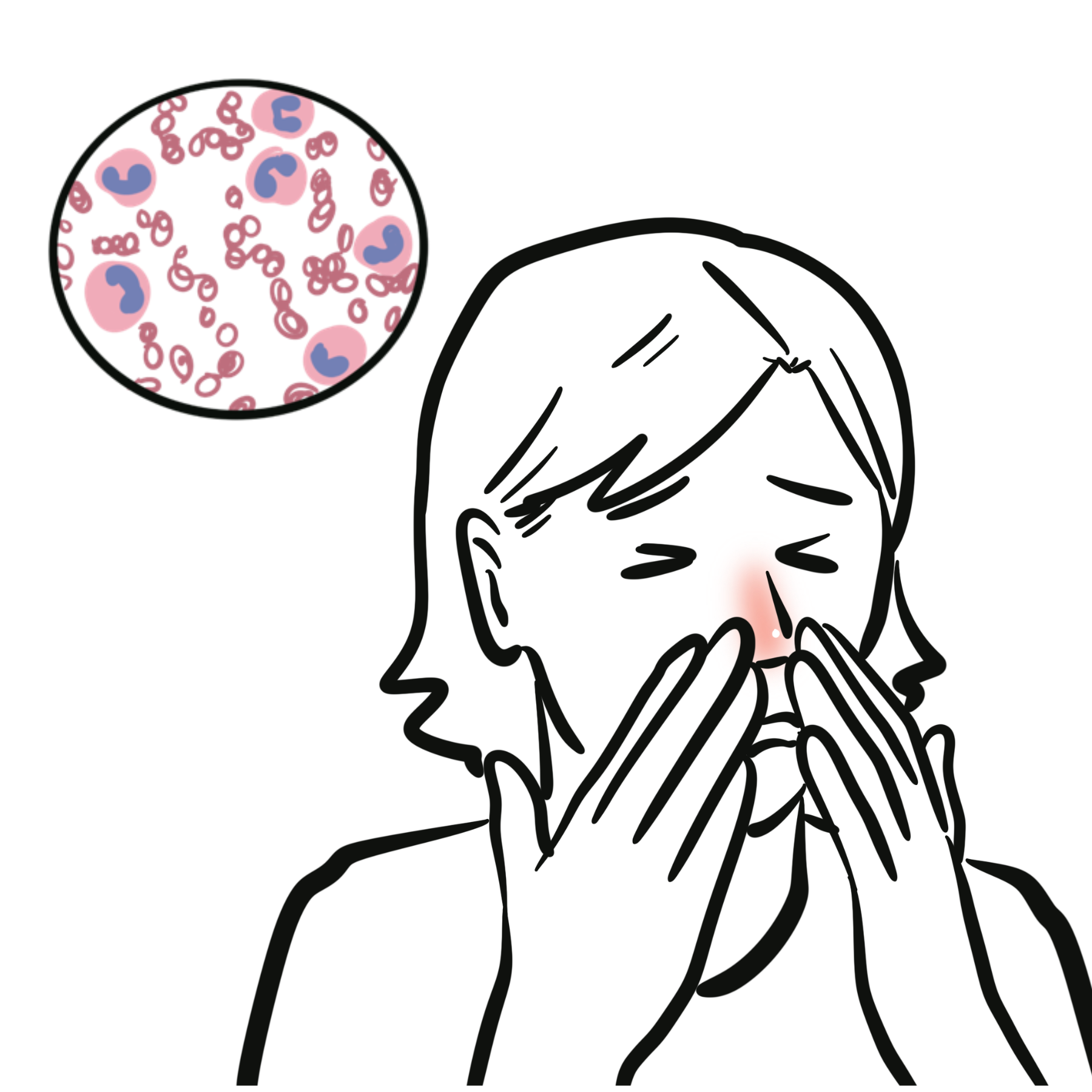
Non-Asthmatic Eosinophilic Bronchitis (NAEB) accounts for ~15% of chronic cough cases. It mimics asthma clinically and responds rapidly to inhaled corticosteroids, but differs by having completely normal spirometry and NO airway hyper-responsiveness on methacholine challenge.
Investigations
First-Line / Mandatory Initial Diagnostic Workup:
- Posteroanterior (PA) & Lateral Chest X-Ray (CXR): Mandatory in all adults with chronic cough to rule out malignancy, consolidation, interstitial disease, and overt bronchiectasis.
- Spirometry with Pre- and Post-Bronchodilator: Evaluates for airflow obstruction and reversibility (FEV1 increase >= 12% and >= 200 mL confirms asthma).
Targeted / Specialized Diagnostic Strategy:
- Bronchial Provocation Challenge (Methacholine / Mannitol / Histamine): High negative predictive value to exclude asthma when baseline spirometry is normal.
- Fractional Exhaled Nitric Oxide (FeNO) / Induced Sputum Eosinophils: FeNO > 50 ppb or sputum eosinophils > 2.5% predicts excellent response to inhaled corticosteroids (Asthma or NAEB).
- High-Resolution CT Chest (HRCT): Modality of choice if CXR is abnormal, hemoptysis is present, or cough is unexplained/refractory (detects early ILD, bronchiectasis, central lesions).
- 24-Hour Ambulatory pH-Impedance Monitoring: Gold standard to confirm acid and non-acid reflux in suspected refractory GERD/LPR.
- CT Paranasal Sinuses / Nasoendoscopy: Identifies occult chronic rhinosinusitis or obstructing nasal polyps.
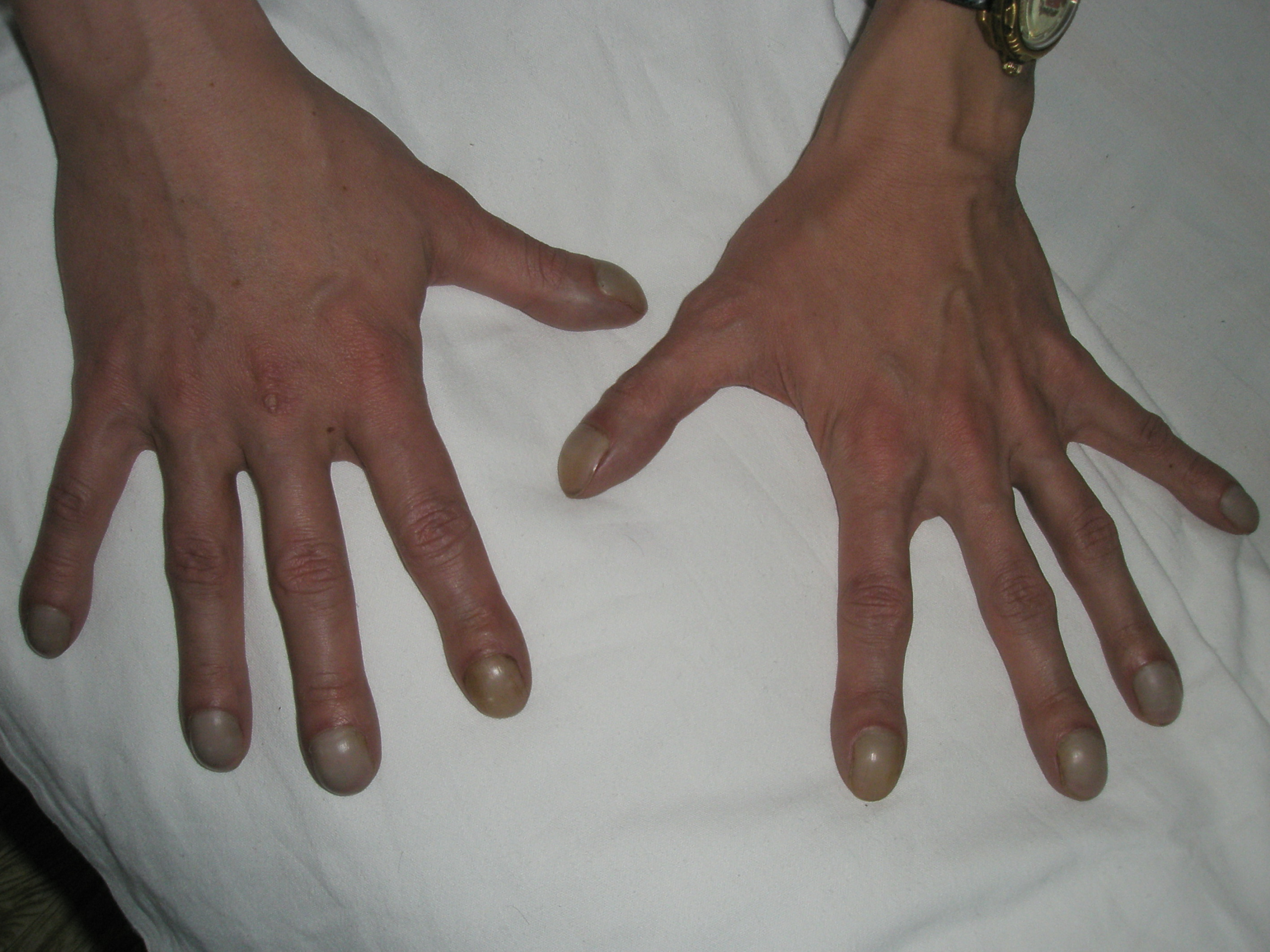
Digital clubbing: bulbous fingertips and increased nail curvature.
What to notice
Detailed image description
Clubbing is a clinical clue to underlying cardiopulmonary disease rather than a diagnosis of the cause of cough. Source: Bobjgalindo, Wikimedia Commons, https://commons.wikimedia.org/wiki/File:Hands_with_clubbed_fingers.JPG. Credit: CC BY-SA 4.0, https://creativecommons.org/licenses/by-sa/4.0/.
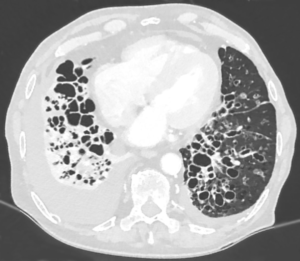
A normal plain chest X-ray does NOT rule out Bronchiectasis or early Interstitial Lung Disease (ILD). If the cough is productive of copious sputum or physical exam reveals velcro crackles, an HRCT Chest is mandatory.
Critical Management
Empiric Trial Regimens for the Common Triad:
- UACS / Chronic Rhinosinusitis:
- Intranasal Corticosteroid (e.g., Mometasone or Fluticasone 2 sprays each nostril daily) + Saline nasal irrigation for 4–8 weeks.
- Asthma / NAEB:
- Medium-dose Inhaled Corticosteroid + Formoterol (or ICS maintenance) for a minimum 4–8 week trial.
- GERD-Related Cough:
- High-dose PPI (e.g., Esomeprazole 40 mg twice daily 30–60 min before meals) for at least 8–12 weeks + dietary adjustments (avoid caffeine, alcohol, late evening meals, elevate head of bed).
Neuromodulation for Refractory Chronic Cough (Cough Hypersensitivity):
- Low-Dose Neuromodulators:
- Gabapentin (titrated up to 300 mg TDS) OR Pregabalin (75 mg BD) OR low-dose Amitriptyline (10 mg nocte) to dampen central vagal cough hypersensitivity.
- Speech and Language Therapy (SLT): Behavioral cough suppression therapy to reduce laryngeal irritation and voluntary control of cough reflex.
Reflux-induced chronic cough often takes up to 3 months of high-dose, twice-daily PPI therapy and lifestyle changes to improve because the laryngeal mucosa takes significantly longer to heal than the esophageal mucosa.
References
- Lung Foundation Australia. Cough in children and adults: diagnosis, assessment and management (CICADA)—Australian chronic cough position statement update [Internet]. Milton (AU): Lung Foundation Australia; 2024 [cited 2026 Aug 13]. Available from: https://lungfoundation.com.au/support-resources/resource-hub/cough-in-children-and-adults-diagnosis-assessment-and-management-cicada-australian-chronic-cough-position-statement-update/
- Morice AH, Millqvist E, Bieksiene K, Birring SS, Dicpinigaitis PV, Domingo Ribas C, et al. ERS guidelines on the diagnosis and treatment of chronic cough in adults and children. Eur Respir J. 2020;55(1):1901136. doi:10.1183/13993003.01136-2019
- Parker SM, Smith JA, Birring SS, McGarvey L, Morice AH, Satia I. British Thoracic Society clinical statement on chronic cough in adults. Thorax. 2023;78(Suppl 6):s3-s19. doi:10.1136/thorax-2023-220592
- Gibson P, Wang G, McGarvey L, Vertigan AE, Altman KW, Birring SS. Treatment of unexplained chronic cough: CHEST guideline and expert panel report. Chest. 2016;149(1):27-44. doi:10.1378/chest.15-1496
Members only discussions coming soon…