

Visual explanationFree resource
Visual medical education by Armando Hasudungan
Medical science, drawn into focus.
Explore visual explanations that reveal how the facts, processes and clinical patterns fit together—then discover the coming AH study platform, built to guide what you study next and check what stuck.
Connected studyComing soon
Clear visual explanations used by medical and allied-health learners around the world.
Explore the free library
Start with the topic in front of you.
Browse by subject or jump straight into the explanation you need. No account required.
Pregnancy (not a disease)
Overview Pregnancy – Overview Physiological Changes in Pregnancy Uterus, Vagina and Breast Physiology changes Uterus (Cervix + Isthmus + Body of uterus) Muscle hypertrophy til 20weeks then stretching till term. Uterine and ovarian arteries undergo hypertrophy Cervix Reduced collagen → allows dilatation Hypertrophy of cervical glands → thick mucus plug Uterine body ↑size, shape, shape and consitency Increases…
View topic ↗Bladder Carcinoma
Mainly focusing on Transitional cell tumours Overview Three main types of bladder carcinoma Transitional cell carcinoma (Most common) Squamous cell carcinoma Adenocarcinoma (Rare) Transitional cell tumours can affect any part of the urinary epithelium. It is the second most common urological malignancy (Renal Adenocarcinoma is the most common, bladder adenocarcinoma is rare ) and is one…
View topic ↗Severe Combined Immunodeficiency (SCID)
Overview Severe combined immunodeficiency (SCID) is the most severe form of primary immunodeficiency, characterised by profound defects in both humoral (B-cell) and cellular (T-cell) immunity. It presents in infancy with recurrent, severe, and opportunistic infections, chronic diarrhoea, and failure to thrive. Without curative therapy, most infants die within the first year of life. Incidence is…
View topic ↗Febrile Seizure
Overview Seizures are a common occurrence in children. 8% will have at least one seizure by 15 years of age. A seizure is the result of an abnormal paroxysmal discharge by cerebral neurons. Many underlying conditions and neurological challenges may provoke seizures, and in over 50% of children seizures are isolated events associated with either a fever…
View topic ↗Liver Abscess
Author Areej Zeeshan Ahmed Dr. Armando Faigl (editor) Overview Collection of pus forming a mass in the liver as a result of infection. Mainly divided into two types Pyogenic Amoebic Route of infection Biliary tract (most common) Gallstones Cholangitis Congenital anomaly causing to bile stasis Portal Vein Peritonitis Hepatic artery Trauma Penetrating Non-penetrating can cause…
View topic ↗Varicose Veins
Overview Varivose veins (VV) are long, torturous and dilated don't veins of the superficial venous system. There is a spectrum ranging from telangiectasias (dilated interdermal venules less than 1 mm), through to reticular veins (non-palpable subdermal veins 1–3 mm) to varicose veins (greater than 3 mm). 35% of the general population affected. The venous system of…
View topic ↗Coeliac Disease
Overview Coeliac disease is a systemic autoimmune disease triggered (T-lymphocytes) by dietary gluten peptides found in wheat, rye, barley, and related grains. Immune activation in the small intestine leads to villous atrophy, hypertrophy of the intestinal crypts, and increased numbers of lymphocytes in the epithelium and lamina propria. Locally these changes lead to gastrointestinal symptoms and malabsorption.…
View topic ↗Full resource library
Browse all topics ↗Choose how you learn
One idea. More than one way to see it.
Use the format that helps the topic click, then switch formats when you need to reinforce it.
01 / WATCH02 / READ03 / SEE04 / CHECK
Videos
Hand-drawn explanations that build the big picture as the concept unfolds.
Notes
Clear written explanations for review, reference and filling in the details.
Diagrams
Visual snapshots that help you easily review topics.
Questions
Test whether the explanation stayed with you—not just whether it looked familiar.
Good places to begin
Explanations learners return to.
Physics Revision II – Vectors I
Master the basics of vectors in physics, including magnitude, direction, and vector representation using arrows and components. This educational video is perfect for building a strong foundation in vector analysis, essential for solving force and motion problems in exams.
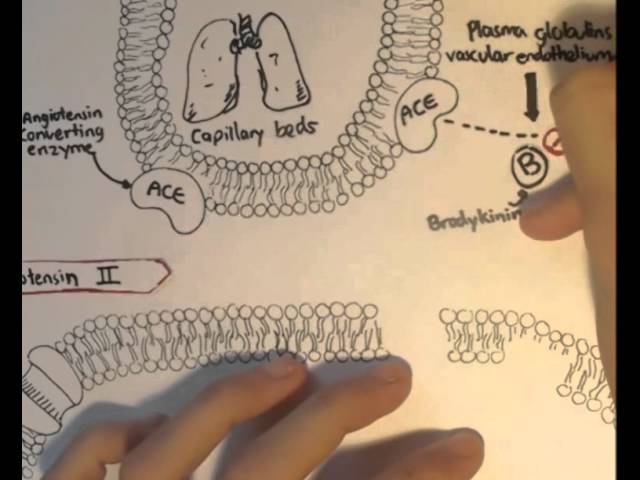
Renin-Angiotensin System (Structure, Chymase)
Describes how Angiotensinogen converts to Angiotensin I then II. And looks at what gets cleaved off the structure of these polypeptide chains. It also talks about chymase and how it functions as an converting enzyme.
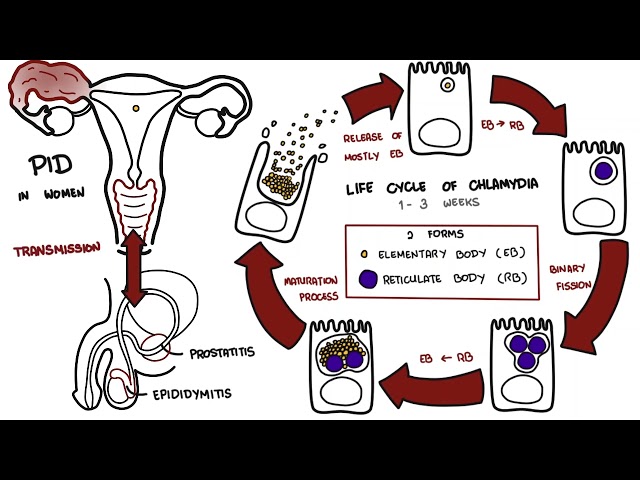
Chlamydia Trachomatis – Chlamydia STI
Chlamydia trachomatis, or more commonly known as Chlamydia, is a gram-negative bacteria which is the most common sexually transmitted infection, especially in under 25 year olds.
Our mission
Medical science is complex. Understanding it should feel possible.
Armando Hasudungan turns difficult medical science into clear visual explanations and connected learning experiences—so learners can see the whole picture, remember what matters and find a clearer way forward.
See it clearly
Turn abstract processes and invisible relationships into something the learner can picture.
Connect the pieces
Build understanding around how concepts fit together—not a pile of isolated facts.
Make it useful
Help learners move from explanation to recall, revision and the next logical step.
What clarity feels like
When the topic stops being a blur.
Learners do not come back because the subject became easy. They come back because the explanation gave them a picture they could work with.
“Armando's teaching style gives me the foundational knowledge.
Jessica Payne-Burnett
Medical Student, Charles Sturt University
“The notes I make during his videos help me retain everything better.
Ayesha RaiStudent, Islamabad Medical and Dental College
“The drawings are amazing and super easy to remember.
Reem Mohamed Khair Abdalrazig
Student, Neelain University
Coming soon: the AH study platform
The explanation is only the start.
The free library helps you find a clear explanation. The AH platform is being built to help you connect the resources, follow a clearer path and check what actually stuck.
- Watch in a focused, ad-free study environment.
- Move between connected videos, notes, diagrams and questions.
- Know what belongs next instead of rebuilding the study path yourself.
- Test your understanding while the topic is still fresh.
New and worth a look
Keep building the picture.
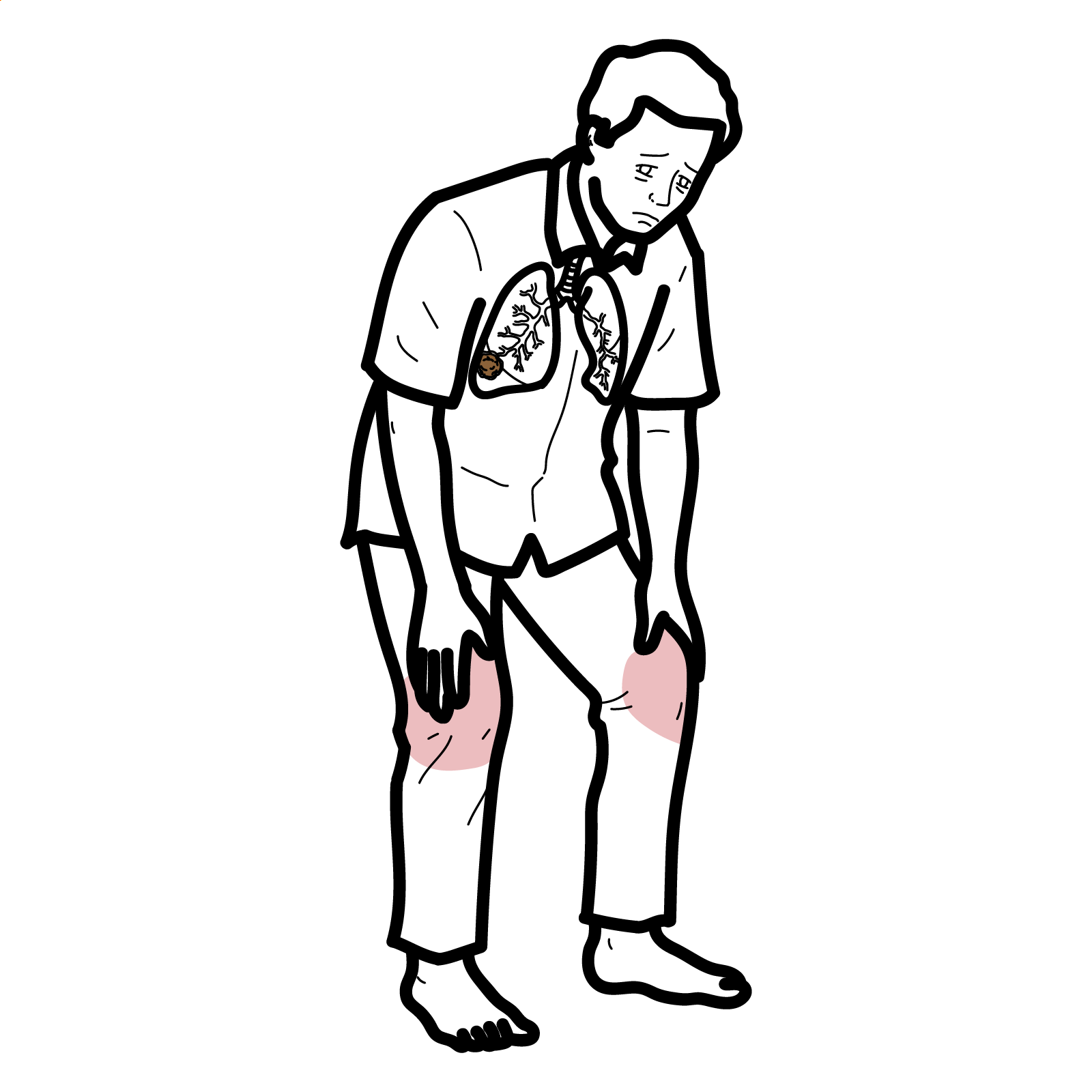
Lambert-Eaton Myasthenic Syndrome
Overview Lambert–Eaton myasthenic syndrome (LEMS) is a rare autoimmune disorder of the presynaptic neuromuscular junction. It causes impaired acetylcholine release, producing the characteristic triad of proximal muscle weakness, reduced reflexes and autonomic dysfunction. LEMS may occur as a paraneoplastic syndrome—most commonly associated with small-cell lung cancer (SCLC)—or as a non-tumour-associated autoimmune disorder. Neuromuscular junction: connection…
View this topic ↗About Visualising Medicine
Good education does not remove complexity. It makes complexity feel simple.
Visualising Medicine is the team behind Armando Hasudungan. We bring together medicine, illustration, writing and technology to make difficult ideas clearer—and build better ways for learners to use them.