

Visual explanationFree resource
Visual medical education by Armando Hasudungan
Medical science, drawn into focus.
Explore visual explanations that reveal how the facts, processes and clinical patterns fit together—then discover the coming AH study platform, built to guide what you study next and check what stuck.
Connected studyComing soon
Clear visual explanations used by medical and allied-health learners around the world.
Explore the free library
Start with the topic in front of you.
Browse by subject or jump straight into the explanation you need. No account required.
Hydrocephalus
Overview Hydrocephalus is excessive accumulation of CSF in the cerebral ventricles. In children, look for increasing head circumference, increased intracranial pressure, a bulging fontanelle, scalp vein engorgement, and paralysis of upward gaze. The most common causes include: Congenital malformations Tumors Inflammation (i.e hemorrhage, meningitis). Treat the underlying cause, if possible; otherwise a surgical shunt is created…
View topic ↗Peripheral Arterial Disease (Chronic Lower Limb Ischaemia)
Overview Ankle-Brachial Index (ABI): Ratio of ankle to brachial systolic blood pressure, determined using Doppler ultrasound flow. Claudication: Pain, ache, or cramp in muscles that increases with walking or leg exertion in a predictable manner and resolves with rest. Peripheral arterial disease: Atherosclerosis leading to narrowing of the major arteries distal to the aortic arch.…
View topic ↗Systemic Lupus Erythematosus
Overview Systemic Lupus Erythematosus (SLE) is a chronic, multisystem autoimmune disease characterized by the production of autoantibodies and the deposition of immune complexes in various tissues. It predominantly affects women of childbearing age, with a female-to-male ratio of approximately 9:1. The disease is more prevalent among individuals of African, Asian, and Hispanic descent, and its…
View topic ↗Febrile Seizure
Overview Seizures are a common occurrence in children. 8% will have at least one seizure by 15 years of age. A seizure is the result of an abnormal paroxysmal discharge by cerebral neurons. Many underlying conditions and neurological challenges may provoke seizures, and in over 50% of children seizures are isolated events associated with either a fever…
View topic ↗Neonatal Conditions
Vitals For more information: Parturition and Routine Care NORMAL EXPECTED PHYSIOLOGICAL VALUES AT DIFFERENT AGES Age (years) Respiratory Rate Heart rate Systolic Blood Pressure <1 30-40 110-160 70-90 1-2 25-35 100-150 80-95 2-5 25-30 95-140 80-100 5-12 20-25 80-120 90-110 >12 15-20 60-100 100-120 Oxygen saturation return to 100% after 10 minutes post partum.…
View topic ↗Arrythmias
Overview An arrythmia refers to any disturbance in cardiac electrical activity that is not normal sinus rhythm with normal atrioventricular conduction. This may include changes in rate, rhythm or site of origin of the electrical signal for contraction. 1 Normal conduction of the heart For the heart to pump normally 2 : SA node initiates…
View topic ↗Guillain–Barré Syndrome
Overview Guillain-Barré Syndrome (GBS) is an acute, immune-mediated polyneuropathy typically triggered by a preceding gastrointestinal or respiratory infection. It is characterised by an autoimmune attack on the peripheral nerves, leading to mainly demyelination but also axonal degeneration, which impairs nerve conduction and causes muscle weakness and paralysis. GBS affects about 1–2 per 100,000 people annually.…
View topic ↗Full resource library
Browse all topics ↗Choose how you learn
One idea. More than one way to see it.
Use the format that helps the topic click, then switch formats when you need to reinforce it.
01 / WATCH02 / READ03 / SEE04 / CHECK
Videos
Hand-drawn explanations that build the big picture as the concept unfolds.
Notes
Clear written explanations for review, reference and filling in the details.
Diagrams
Visual snapshots that help you easily review topics.
Questions
Test whether the explanation stayed with you—not just whether it looked familiar.
Good places to begin
Explanations learners return to.

Raynaud's Phenomenon – mechanism
Learn the underlying mechanism of Raynaud's phenomenon, including how vascular spasm leads to color changes in response to cold or stress. This video explains the pathophysiology and differences between primary and secondary Raynaud's.
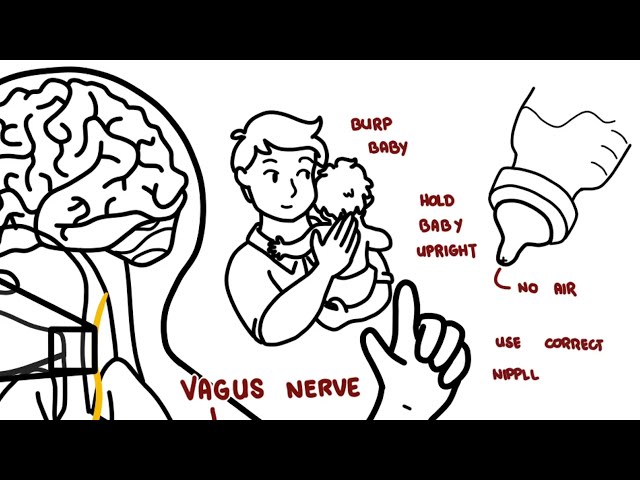
Hiccups in Babies: Why do they do it so much?
Hiccups in infants are common and usually harmless, often caused by feeding, swallowing air, or a developing digestive system. Most infant hiccups resolve on their own and don’t require treatment, but burping and upright positioning can help reduce episodes.

COVID-19 (SARS Coronavirus 2) – timeline, pathophysiology (ARDS), coronavirus life cycle, treatment
Explore COVID-19 caused by SARS-CoV-2, including its timeline of infection, viral life cycle, and mechanisms leading to complications like ARDS. This video also covers the pathophysiology of severe disease and highlights current treatment approaches and therapeutic targets.
Our mission
Medical science is complex. Understanding it should feel possible.
Armando Hasudungan turns difficult medical science into clear visual explanations and connected learning experiences—so learners can see the whole picture, remember what matters and find a clearer way forward.
See it clearly
Turn abstract processes and invisible relationships into something the learner can picture.
Connect the pieces
Build understanding around how concepts fit together—not a pile of isolated facts.
Make it useful
Help learners move from explanation to recall, revision and the next logical step.
What clarity feels like
When the topic stops being a blur.
Learners do not come back because the subject became easy. They come back because the explanation gave them a picture they could work with.
“Armando's teaching style gives me the foundational knowledge.
Jessica Payne-Burnett
Medical Student, Charles Sturt University
“The notes I make during his videos help me retain everything better.
Ayesha RaiStudent, Islamabad Medical and Dental College
“The drawings are amazing and super easy to remember.
Reem Mohamed Khair Abdalrazig
Student, Neelain University
Coming soon: the AH study platform
The explanation is only the start.
The free library helps you find a clear explanation. The AH platform is being built to help you connect the resources, follow a clearer path and check what actually stuck.
- Watch in a focused, ad-free study environment.
- Move between connected videos, notes, diagrams and questions.
- Know what belongs next instead of rebuilding the study path yourself.
- Test your understanding while the topic is still fresh.
New and worth a look
Keep building the picture.
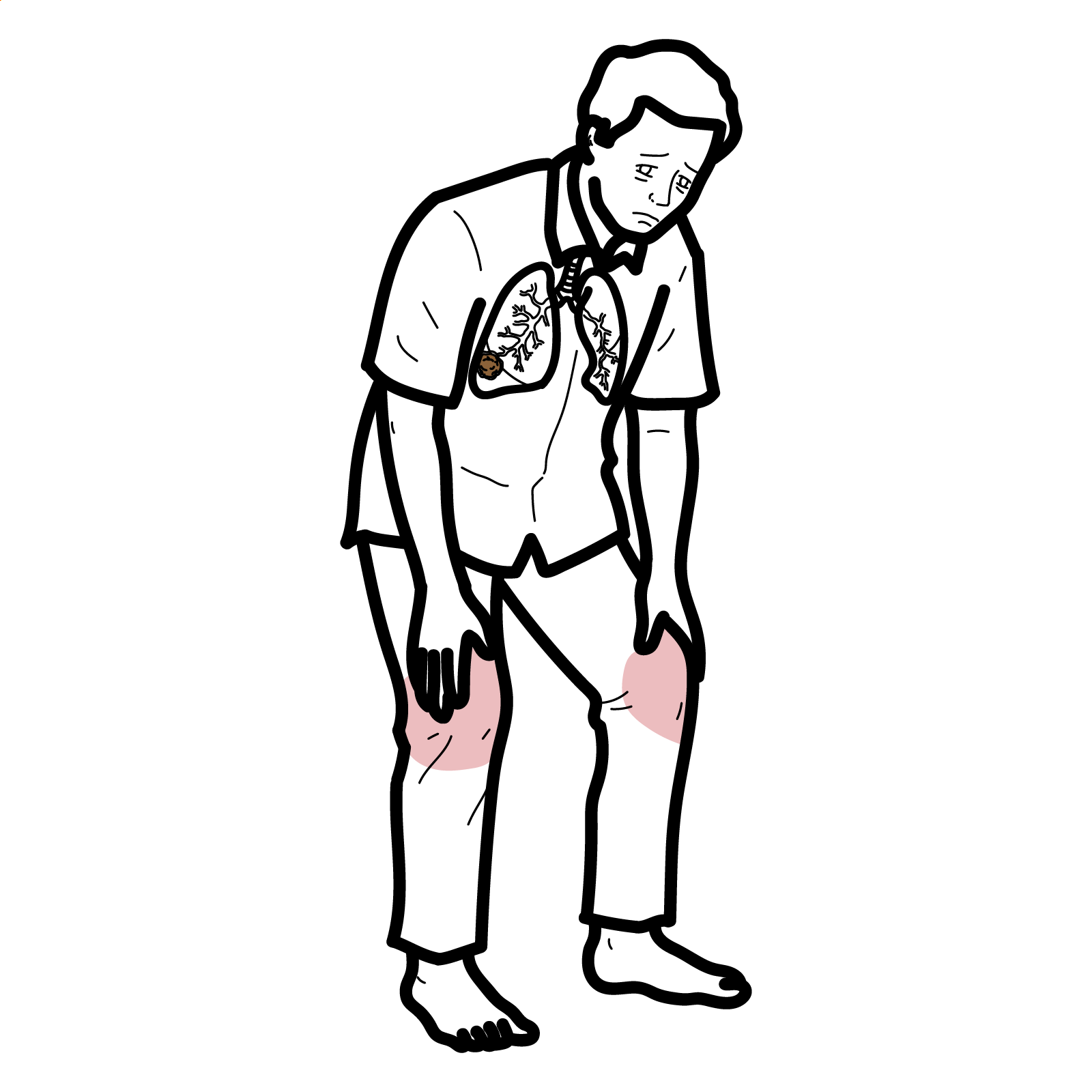
Lambert-Eaton Myasthenic Syndrome
Overview Lambert–Eaton myasthenic syndrome (LEMS) is a rare autoimmune disorder of the presynaptic neuromuscular junction. It causes impaired acetylcholine release, producing the characteristic triad of proximal muscle weakness, reduced reflexes and autonomic dysfunction. LEMS may occur as a paraneoplastic syndrome—most commonly associated with small-cell lung cancer (SCLC)—or as a non-tumour-associated autoimmune disorder. Neuromuscular junction: connection…
View this topic ↗About Visualising Medicine
Good education does not remove complexity. It makes complexity feel simple.
Visualising Medicine is the team behind Armando Hasudungan. We bring together medicine, illustration, writing and technology to make difficult ideas clearer—and build better ways for learners to use them.