

Visual explanationFree resource
Visual medical education by Armando Hasudungan
Medical science, drawn into focus.
Explore visual explanations that reveal how the facts, processes and clinical patterns fit together—then discover the coming AH study platform, built to guide what you study next and check what stuck.
Connected studyComing soon
Clear visual explanations used by medical and allied-health learners around the world.
Explore the free library
Start with the topic in front of you.
Browse by subject or jump straight into the explanation you need. No account required.
Liver Cirrhosis Complications
Portal Hypertension Overview Normal portal vein pressure is 5–10mmHg. Portal hypertension develops when the portal pressure is greater than 12mmHg. Mechanism of disease Increased Intrahepatic resistance of blood flow through the liver due to cirrhosis Increased splanchnic blood flow secondary to vasodilation leading to increased portal flow through liver Cirrhosis is the most common…
View topic ↗Cardiac Arrest (including post-arrest care)
Overview Cardiac arrest is a state of circulatory failure due to a loss of cardiac systolic function. It is the result of 4 specific cardiac rhythm disturbances: Ventricular fibrillation Pulseless ventricular tachycardia Pulseless Electrical activity Asystole Epidemiology Survival is estimated at <20% for patients presenting out-of-hospital with VF, and <10% overall for patients presenting with…
View topic ↗Adult onset Still's Disease
Overview Adult Onset Still’s Disease (AOSD) is a complex multisystemic autoinflammatory disease characterised by recurrent episodes of spiking fever (> 39–40°C), pink–salmon transient skin rash, and the presence of arthralgia or polyarthritis. First described by Eric Bywaters in 1971 it closely resembles systemic onset juvenile idiopathic arthritis (Still’s disease). retrospective observational study in Japan found…
View topic ↗Henoch–Schönlein Purpura (IgA Vasculitis)
Overview Henoch–Schönlein purpura (HSP), now termed IgA vasculitis, is the most common systemic vasculitis in children, characterised by IgA1-dominant immune complex deposition in small vessels, particularly affecting the skin, joints, gastrointestinal tract, and kidneys. It predominantly occurs in children aged 3–10 years, with a slight male predominance, and often follows an upper respiratory tract infection.…
View topic ↗Generalised Anxiety Disorder
DSM V categorise these as seperate disorders Depressive disorders Bipolar disorders Anxiety disorders Anxiety Disorders Generalised Anxiety Disorder Specific Phobia Agoraphobia Social Anxiety Disorder Panic Disorder This will mainly focus on Generalised Anxiety Disorder and touches on Panic Disorder . Overview Generalized anxiety disorder (GAD) can be defined as anxiety and worry about several events…
View topic ↗Snapping Hip Syndrome (Coxa Saltans)
Overview Snapping Hip Syndrome (SHS) is characterized by an audible or palpable “snap” around the hip during motion; it may be painless or painful and can be unilateral or bilateral. Prevalence estimates suggest up to ~5–10% of the general population may experience snapping to some degree, with higher rates in dancers and athletes who work…
View topic ↗Substance Dependence (Addiction), Withdrawal and Overdose
Overview of addition medicine. This section is a brief introduction to substance abuse, followed by section that look at specific drugs of addiction. Substance Misuse: Consumption above designated low risk levels Substance Abuse: repetitive substance use resulting in social complications (financial, occupational and legal) Substance Tolerance: Defined by either of the following: a need for…
View topic ↗Full resource library
Browse all topics ↗Choose how you learn
One idea. More than one way to see it.
Use the format that helps the topic click, then switch formats when you need to reinforce it.
01 / WATCH02 / READ03 / SEE04 / CHECK
Videos
Hand-drawn explanations that build the big picture as the concept unfolds.
Notes
Clear written explanations for review, reference and filling in the details.
Diagrams
Visual snapshots that help you easily review topics.
Questions
Test whether the explanation stayed with you—not just whether it looked familiar.
Good places to begin
Explanations learners return to.
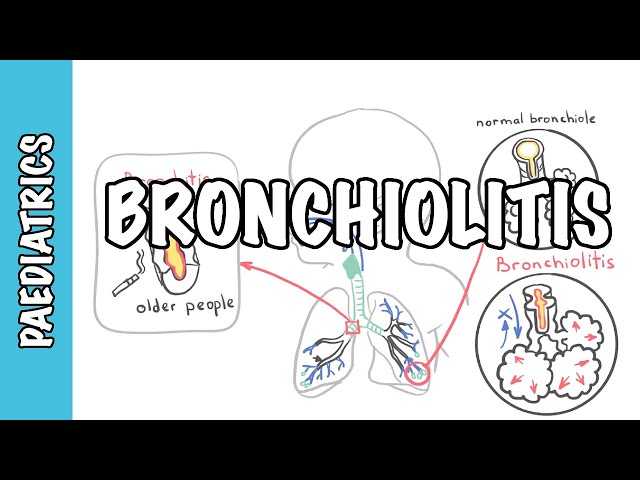
Bronchiolitis (causes, pathophysiology, signs and symptoms, treatment)
Bronchiolitis is a common lower respiratory tract infection in infants, often caused by RSV. This video covers its pathophysiology, clinical features, and current treatment approaches to help guide understanding and care.
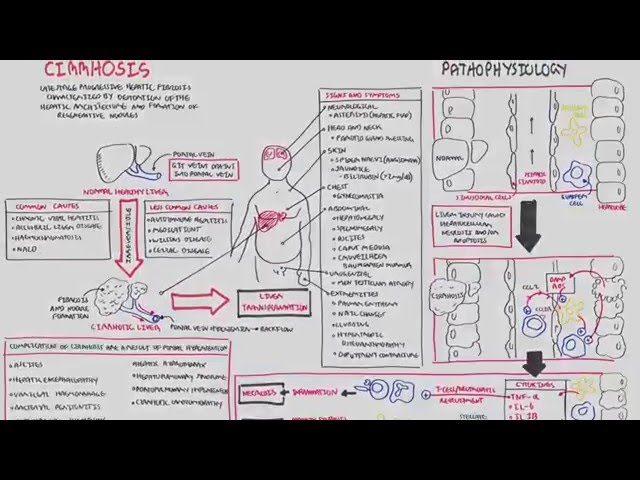
Liver Cirrhosis (SandS, Pathophysiology, Investigations, Management)
Discover the key clinical signs, pathophysiology, and complications of liver cirrhosis in this comprehensive medical video. Learn how cirrhosis is diagnosed, investigated, and managed, including treatment strategies and monitoring approaches.

Opportunistic Infections and AIDS-defining illnesses – CD4+ cell count, malignancy, treatment
Explore the link between declining CD4+ cell counts and the development of opportunistic infections and AIDS-defining illnesses in HIV-positive individuals. This video outlines common infections and malignancies, diagnostic clues, and treatment approaches used in managing advanced HIV disease.
Our mission
Medical science is complex. Understanding it should feel possible.
Armando Hasudungan turns difficult medical science into clear visual explanations and connected learning experiences—so learners can see the whole picture, remember what matters and find a clearer way forward.
See it clearly
Turn abstract processes and invisible relationships into something the learner can picture.
Connect the pieces
Build understanding around how concepts fit together—not a pile of isolated facts.
Make it useful
Help learners move from explanation to recall, revision and the next logical step.
What clarity feels like
When the topic stops being a blur.
Learners do not come back because the subject became easy. They come back because the explanation gave them a picture they could work with.
“Armando's teaching style gives me the foundational knowledge.
Jessica Payne-Burnett
Medical Student, Charles Sturt University
“The notes I make during his videos help me retain everything better.
Ayesha RaiStudent, Islamabad Medical and Dental College
“The drawings are amazing and super easy to remember.
Reem Mohamed Khair Abdalrazig
Student, Neelain University
Coming soon: the AH study platform
The explanation is only the start.
The free library helps you find a clear explanation. The AH platform is being built to help you connect the resources, follow a clearer path and check what actually stuck.
- Watch in a focused, ad-free study environment.
- Move between connected videos, notes, diagrams and questions.
- Know what belongs next instead of rebuilding the study path yourself.
- Test your understanding while the topic is still fresh.
New and worth a look
Keep building the picture.
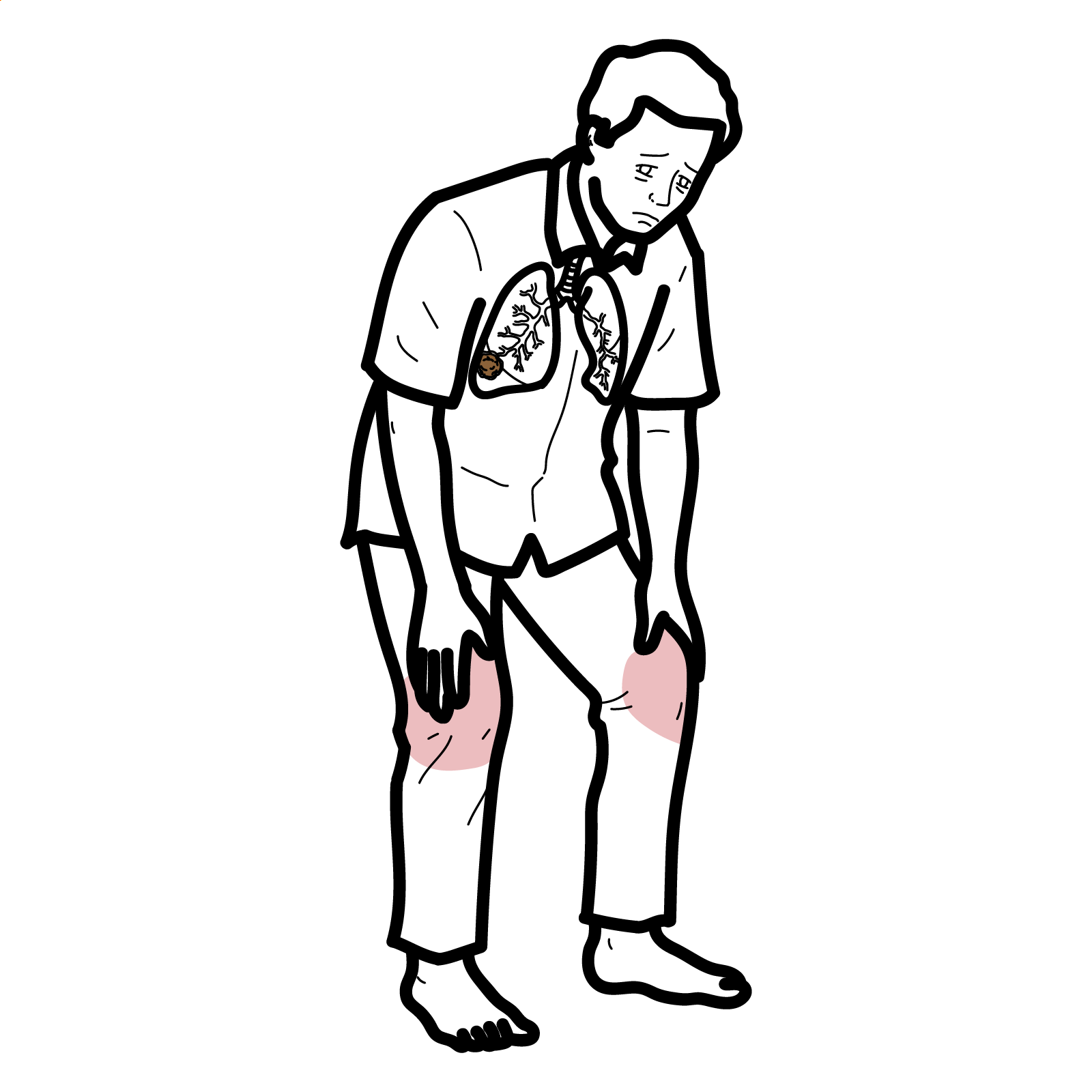
Lambert-Eaton Myasthenic Syndrome
Overview Lambert–Eaton myasthenic syndrome (LEMS) is a rare autoimmune disorder of the presynaptic neuromuscular junction. It causes impaired acetylcholine release, producing the characteristic triad of proximal muscle weakness, reduced reflexes and autonomic dysfunction. LEMS may occur as a paraneoplastic syndrome—most commonly associated with small-cell lung cancer (SCLC)—or as a non-tumour-associated autoimmune disorder. Neuromuscular junction: connection…
View this topic ↗About Visualising Medicine
Good education does not remove complexity. It makes complexity feel simple.
Visualising Medicine is the team behind Armando Hasudungan. We bring together medicine, illustration, writing and technology to make difficult ideas clearer—and build better ways for learners to use them.