

Visual explanationFree resource
Visual medical education by Armando Hasudungan
Medical science, drawn into focus.
Explore visual explanations that reveal how the facts, processes and clinical patterns fit together—then discover the coming AH study platform, built to guide what you study next and check what stuck.
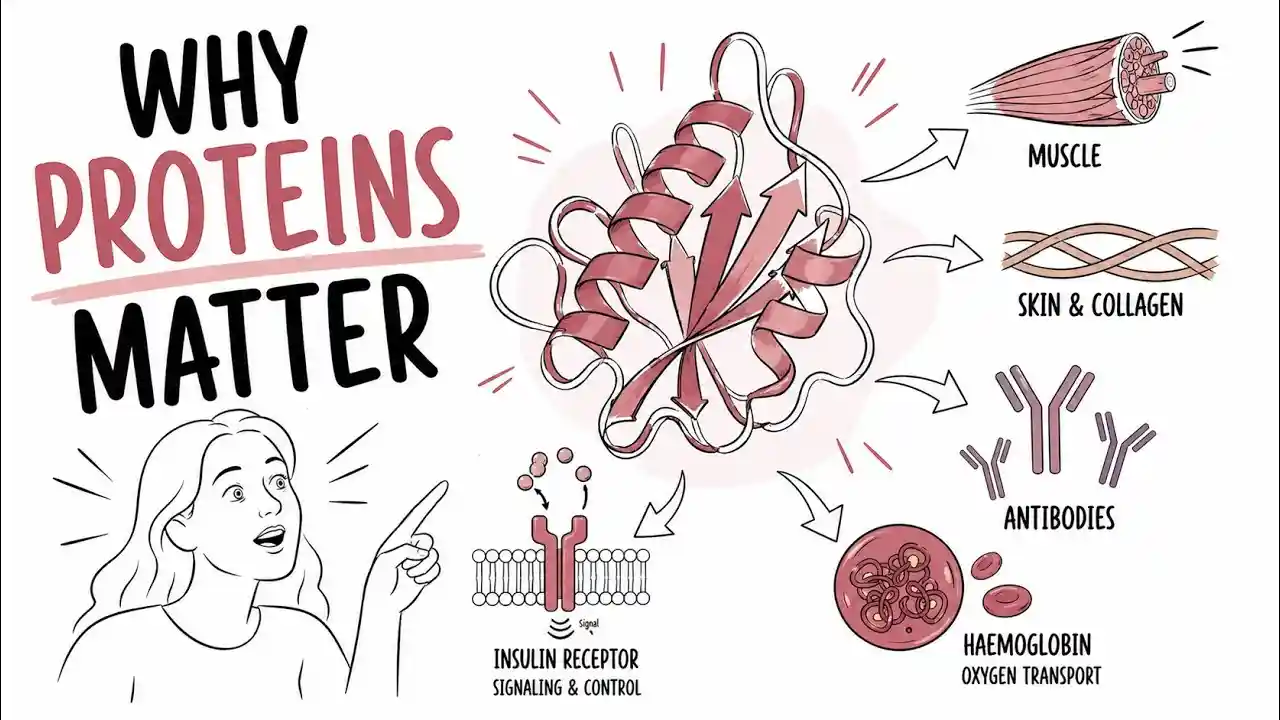
Connected studyComing soon
Clear visual explanations used by medical and allied-health learners around the world.
Explore the free library
Start with the topic in front of you.
Browse by subject or jump straight into the explanation you need. No account required.
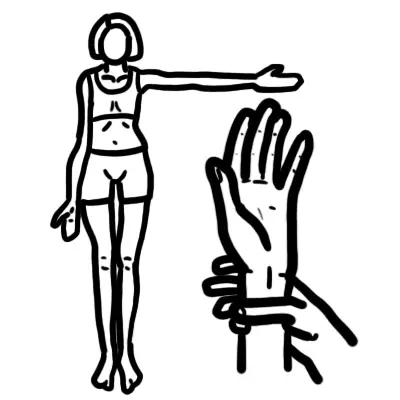
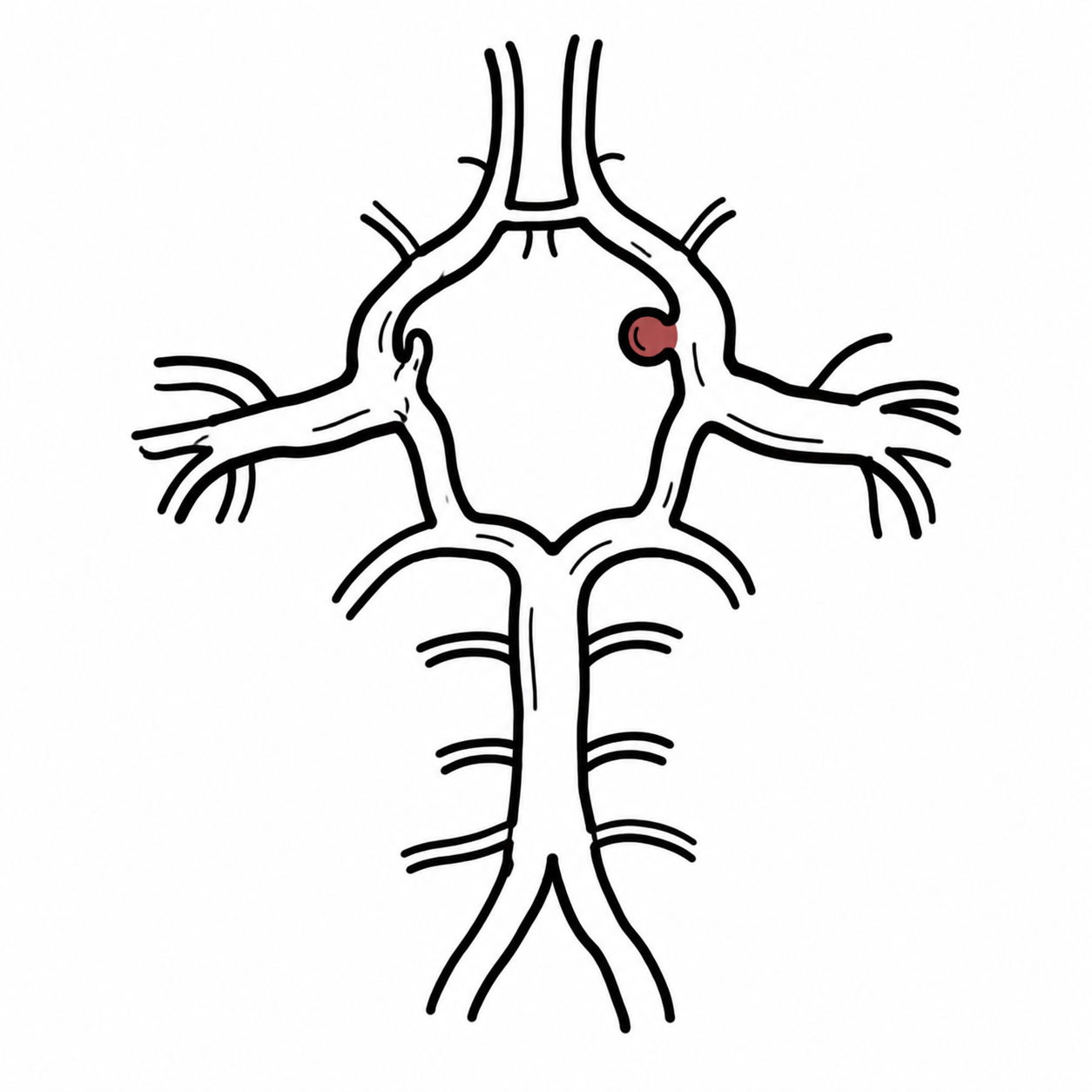
Marfans Syndrome
Overview Marfan's Syndrome is one of the most common inherited disorders of connective tissue. Marfan syndrome is a hereditary disease affecting connective tissues in the body, resulting in symptoms such as aortic dissection and musculoskeletal deformities. However, no family history of Marfan's does not exclude the diagnosis as 30% can occur through gene mutation. Marfan syndrome:…
View topic ↗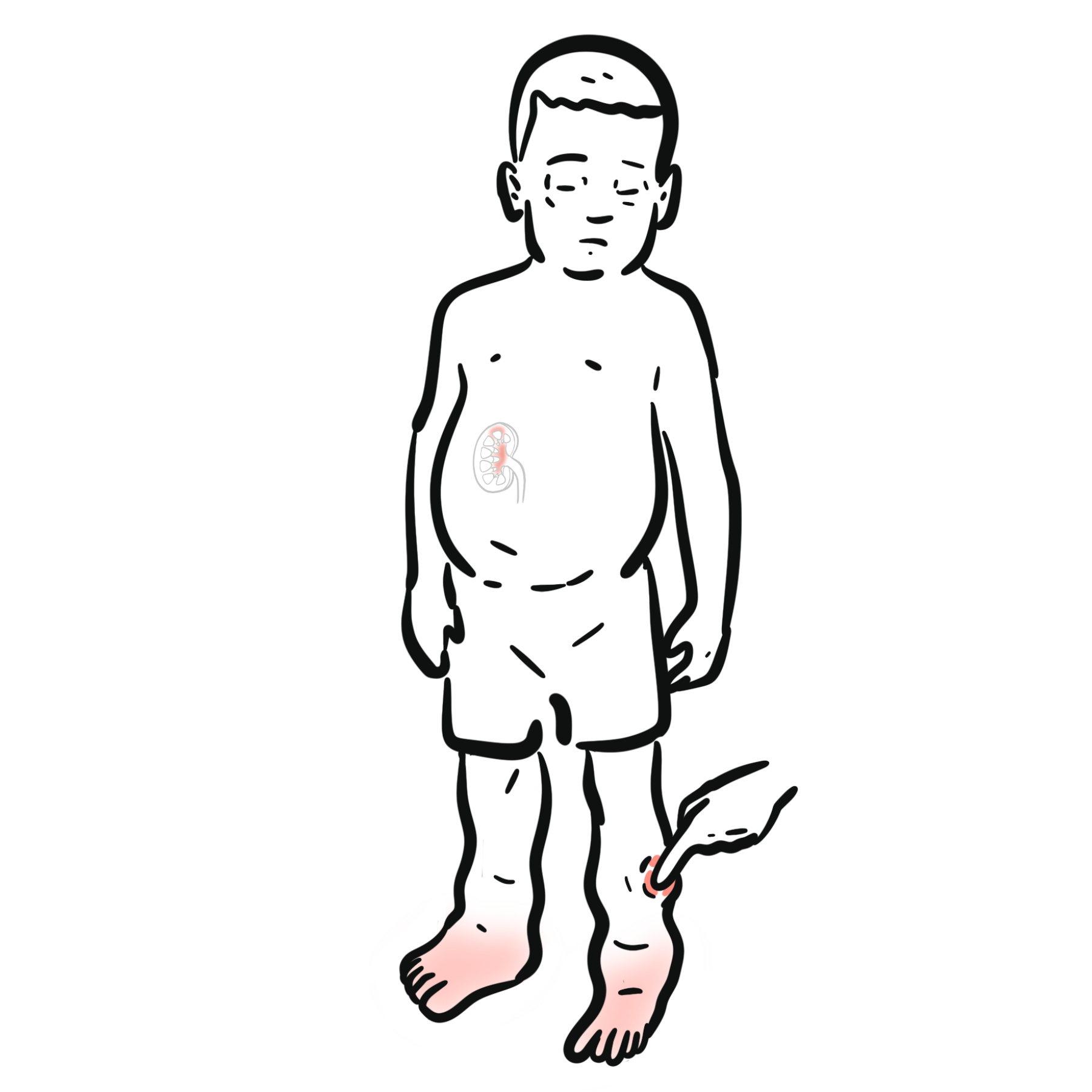
Nephrotic Syndrome
Overview Nephrotic syndrome is a relatively rare but important manifestation of kidney disease.Nephrotic syndrome classically presents with heavy proteinuria , minimal hematuria, hypoalbuminemia, hypercholesterolemia, edema , and hypertension. In general, all patients with hypercholesterolemia secondary to nephrotic syndrome should be treated with lipid-lowering agents because they are at increased risk for cardiovascular disease. Nephrotic syndrome…
View topic ↗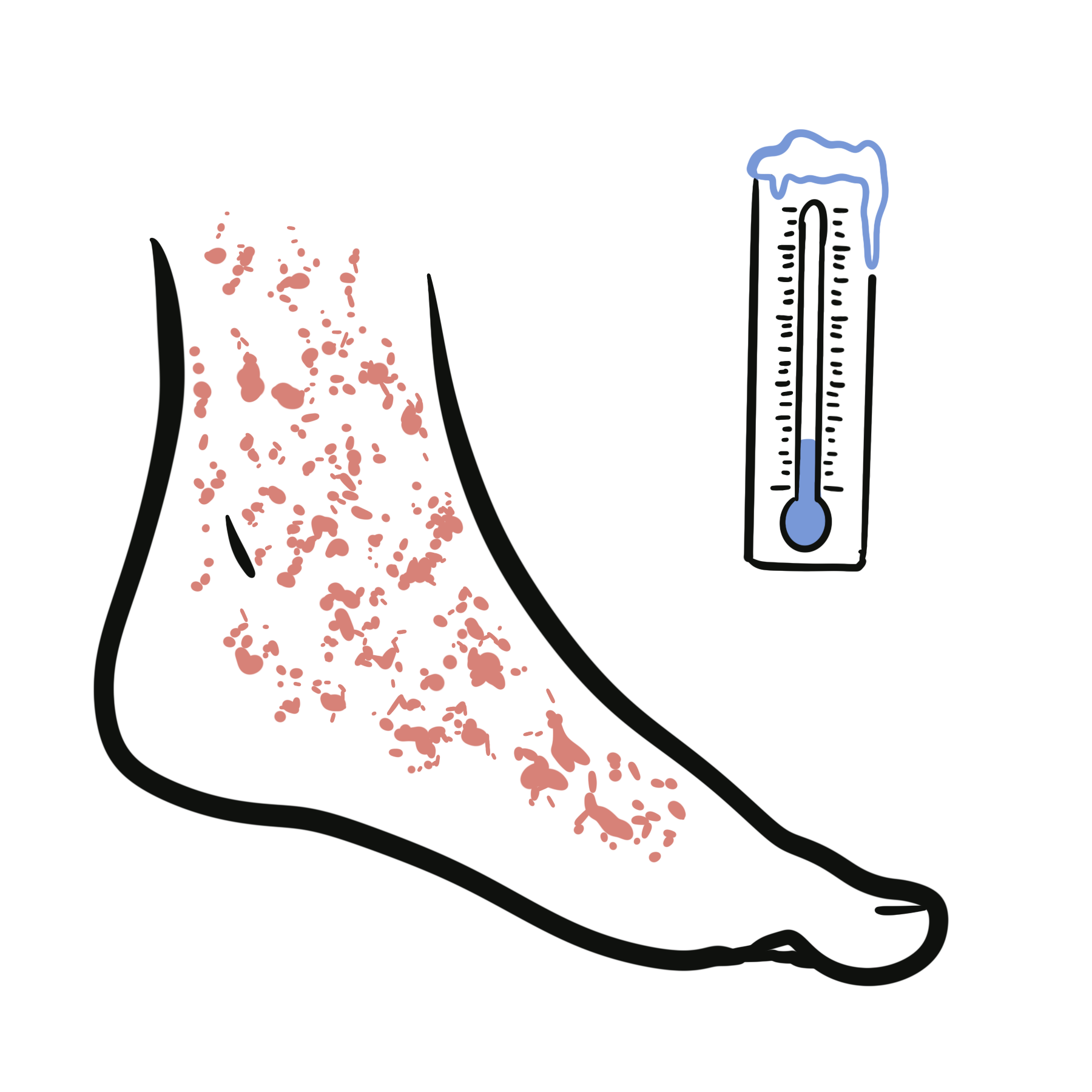
Cryoglobulinaemic Vasculitis
Overview Cryoglobulinaemic vasculitis is an immune complex–mediated small to medium vessel vasculitis caused by circulating cryoglobulins—immunoglobulins that precipitate below 37 °C and redissolve on warming. These immune complexes deposit in vessel walls, activate complement (typically with marked C4 consumption), and drive leukocytoclastic vasculitis. “Mixed” CV (types II and III) is most often linked to hepatitis…
View topic ↗
Neural Tube Defect
Overview Neural tube defects (NTDs) are a group of major congenital anomalies comprising anencephaly, spina bifida and encephalocele that result from very early disruption in the development of the brain and spinal cord. These conditions are often incompatible with life. Survivors frequently require intensive, costly, lifelong health and social care. Neural tube defect (NTD): Severe…
View topic ↗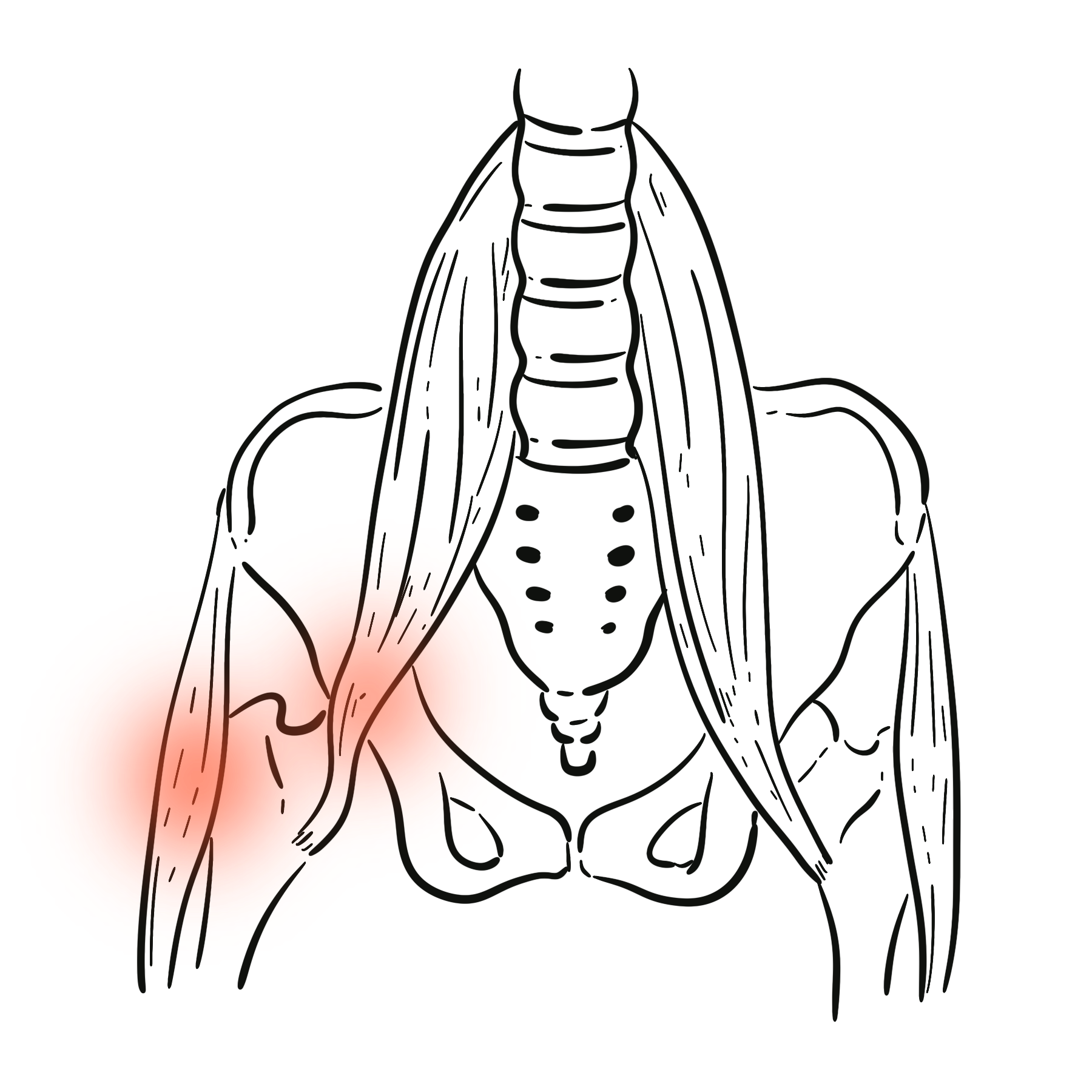
Snapping Hip Syndrome (Coxa Saltans)
Overview Snapping Hip Syndrome (SHS) is characterized by an audible or palpable “snap” around the hip during motion; it may be painless or painful and can be unilateral or bilateral. Prevalence estimates suggest up to ~5–10% of the general population may experience snapping to some degree, with higher rates in dancers and athletes who work…
View topic ↗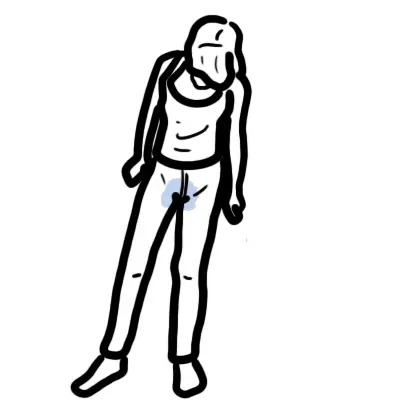
Urinary Incontinence
Overview Urinary incontinence is defined by the International Continence Society as the objective demonstration of involuntary leakage of urine. It is a common and distressing clinical condition that severely impacts physical health, psychological well-being, and overall quality of life. The condition is broadly caused by a disruption in the coordinated lower urinary tract mechanisms responsible…
View topic ↗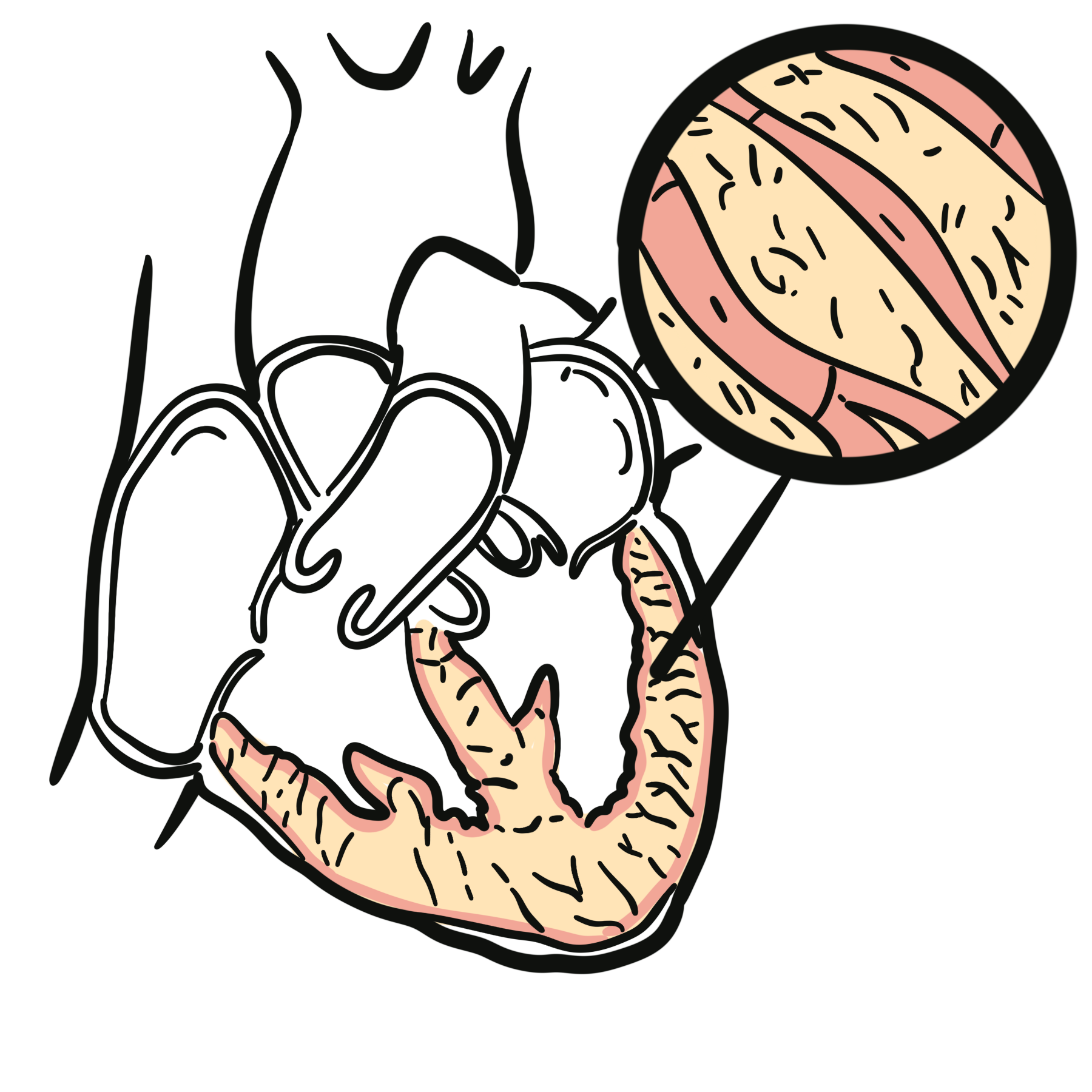
Cardiac Amyloidosis
Overview Cardiac amyloidosis is an infiltrative cardiomyopathy caused by extracellular deposition of misfolded protein fibrils within the myocardium, conduction system, valves and intramyocardial vessels. Progressive amyloid accumulation increases ventricular wall thickness and stiffness, producing restrictive physiology, heart failure, arrhythmias and conduction disease. 1,2 More than 98% of clinically recognised cardiac amyloidosis is caused by either:…
View topic ↗Full resource library
Browse all topics ↗Choose how you learn
One idea. More than one way to see it.
Use the format that helps the topic click, then switch formats when you need to reinforce it.
01 / WATCH02 / READ03 / SEE04 / CHECK
Videos
Hand-drawn explanations that build the big picture as the concept unfolds.
Notes
Clear written explanations for review, reference and filling in the details.
Diagrams
Visual snapshots that help you easily review topics.
Questions
Test whether the explanation stayed with you—not just whether it looked familiar.
Good places to begin
Explanations learners return to.
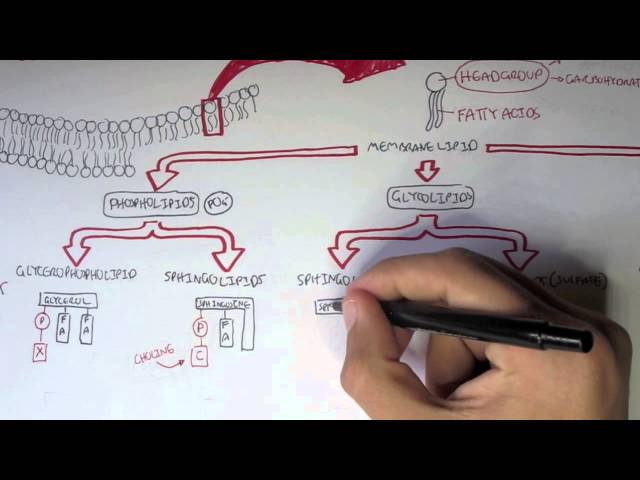
Cell Membrane II – Types of Lipid Membranes
Discover the different classes of lipids that make up the cell membrane and how they contribute to its structure and function. This video also explores key evidence supporting the fluid mosaic model and provides a sense of the membrane’s scale and dynamic nature.
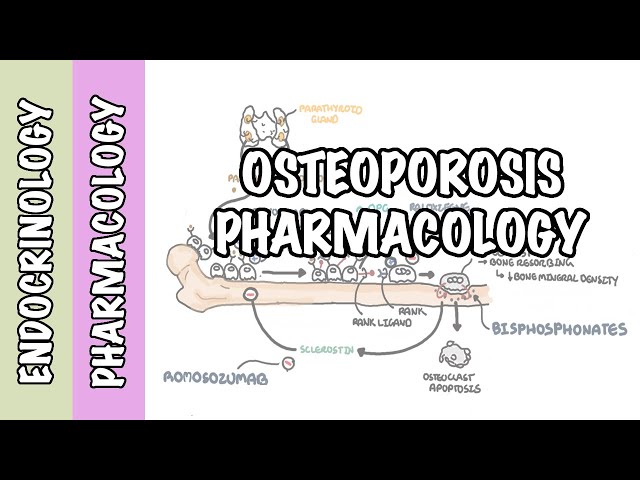
Osteoporosis pharmacology, prevention and treatment (bisphosphonates, denosumab, SERMs)
There are medications available to prevent and treat osteoporosis. Medications to prevent osteoporosis are only for those at high risk of osteoporosis, this includes those taking high dose of steroids for a long duration. If someone old has a fracture then usually they are started on medications for osteoporosis regardless of T score. Or if…
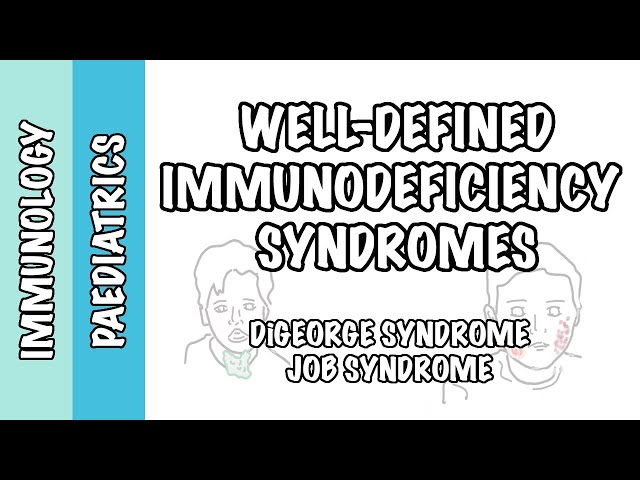
DiGeorge and Job syndrome – well-defined immunodeficiencies
George syndrome (22q11.2 deletion) and Job syndrome (hyper-IgE) explained with clear clinical signs and immune defects. Learn how these well-defined genetic syndromes cause recurrent infections, immune dysfunction, and characteristic physical findings. This video breaks down DiGeorge syndrome’s pharyngeal pouch failure from chromosome 22 microdeletion—remember “catch 22”—and its CATCH-22 features: cardiac defects, abnormal facies, thymic hypoplasia,…
Our mission
Medical science is complex. Understanding it should feel possible.
Armando Hasudungan turns difficult medical science into clear visual explanations and connected learning experiences—so learners can see the whole picture, remember what matters and find a clearer way forward.
See it clearly
Turn abstract processes and invisible relationships into something the learner can picture.
Connect the pieces
Build understanding around how concepts fit together—not a pile of isolated facts.
Make it useful
Help learners move from explanation to recall, revision and the next logical step.
What clarity feels like
When the topic stops being a blur.
Learners do not come back because the subject became easy. They come back because the explanation gave them a picture they could work with.
“Armando's teaching style gives me the foundational knowledge.
Jessica Payne-Burnett
Medical Student, Charles Sturt University
“The notes I make during his videos help me retain everything better.
Ayesha RaiStudent, Islamabad Medical and Dental College
“The drawings are amazing and super easy to remember.
Reem Mohamed Khair Abdalrazig
Student, Neelain University
Coming soon: the AH study platform
The explanation is only the start.
The free library helps you find a clear explanation. The AH platform is being built to help you connect the resources, follow a clearer path and check what actually stuck.
- Watch in a focused, ad-free study environment.
- Move between connected videos, notes, diagrams and questions.
- Know what belongs next instead of rebuilding the study path yourself.
- Test your understanding while the topic is still fresh.
New and worth a look
Keep building the picture.
Chronic inflammatory demyelinating polyneuropathy (CIDP)
Overview Chronic inflammatory demyelinating polyradiculoneuropathy (CIDP) is an acquired immune-mediated disorder of peripheral nerves and nerve roots, causing demyelination, impaired nerve conduction, weakness, sensory disturbance and reduced or absent reflexes. Typical CIDP causes progressive or relapsing symmetrical proximal and distal weakness with sensory loss developing over at least 8 weeks . This time course helps…
View this topic ↗About Visualising Medicine
Good education does not remove complexity. It makes complexity feel simple.
Visualising Medicine is the team behind Armando Hasudungan. We bring together medicine, illustration, writing and technology to make difficult ideas clearer—and build better ways for learners to use them.