

Visual explanationFree resource
Visual medical education by Armando Hasudungan
Medical science, drawn into focus.
Explore visual explanations that reveal how the facts, processes and clinical patterns fit together—then discover the coming AH study platform, built to guide what you study next and check what stuck.
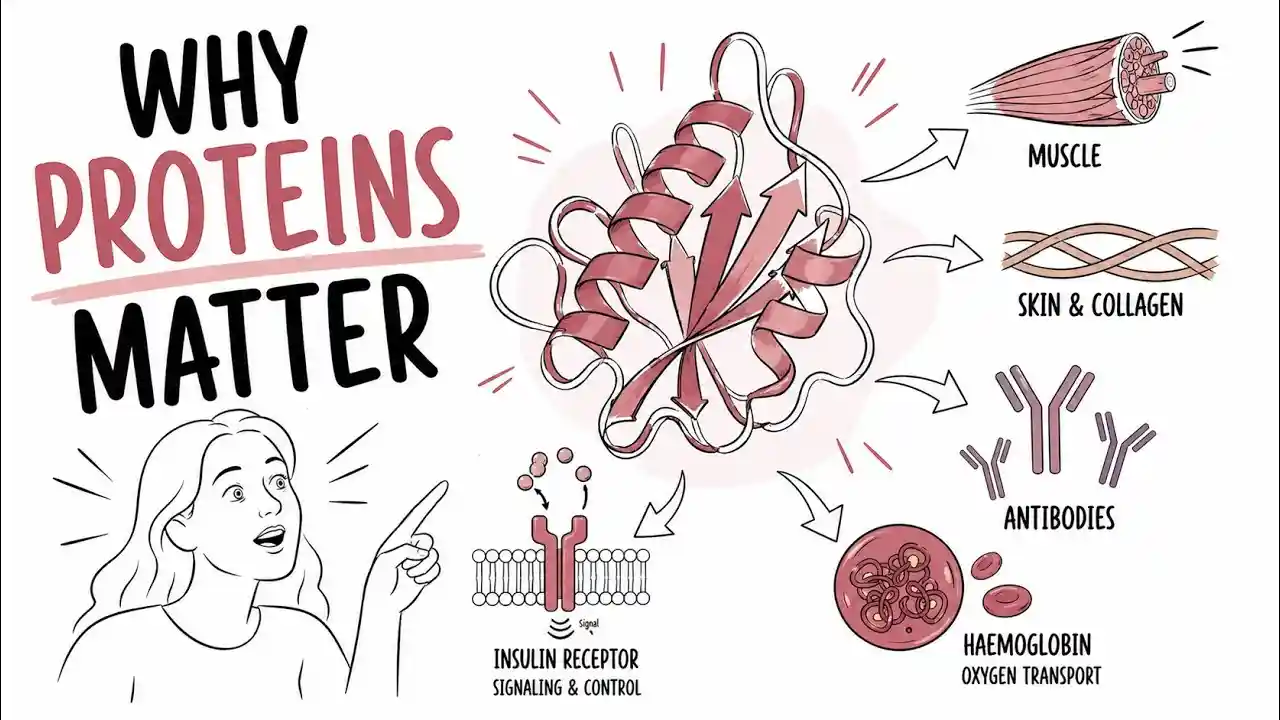
Connected studyComing soon
Clear visual explanations used by medical and allied-health learners around the world.
Explore the free library
Start with the topic in front of you.
Browse by subject or jump straight into the explanation you need. No account required.
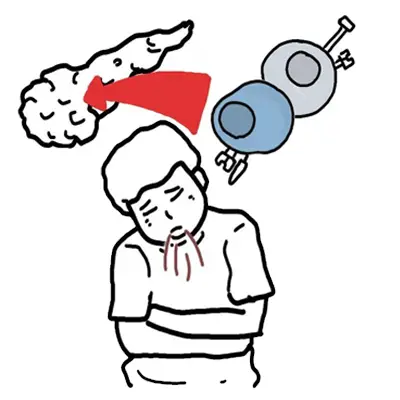
Diabetes Mellitus type I
Overview Type 1 Diabetes Mellitus (T1DM) is a chronic, autoimmune metabolic disorder characterized by the progressive, T-cell-mediated destruction of insulin-producing pancreatic beta-cells within the Islets of Langerhans. This severe loss of functional beta-cell mass results in absolute insulin deficiency, leaving affected individuals entirely dependent on exogenous insulin for survival. Without sufficient insulin, tissues cannot take…
View topic ↗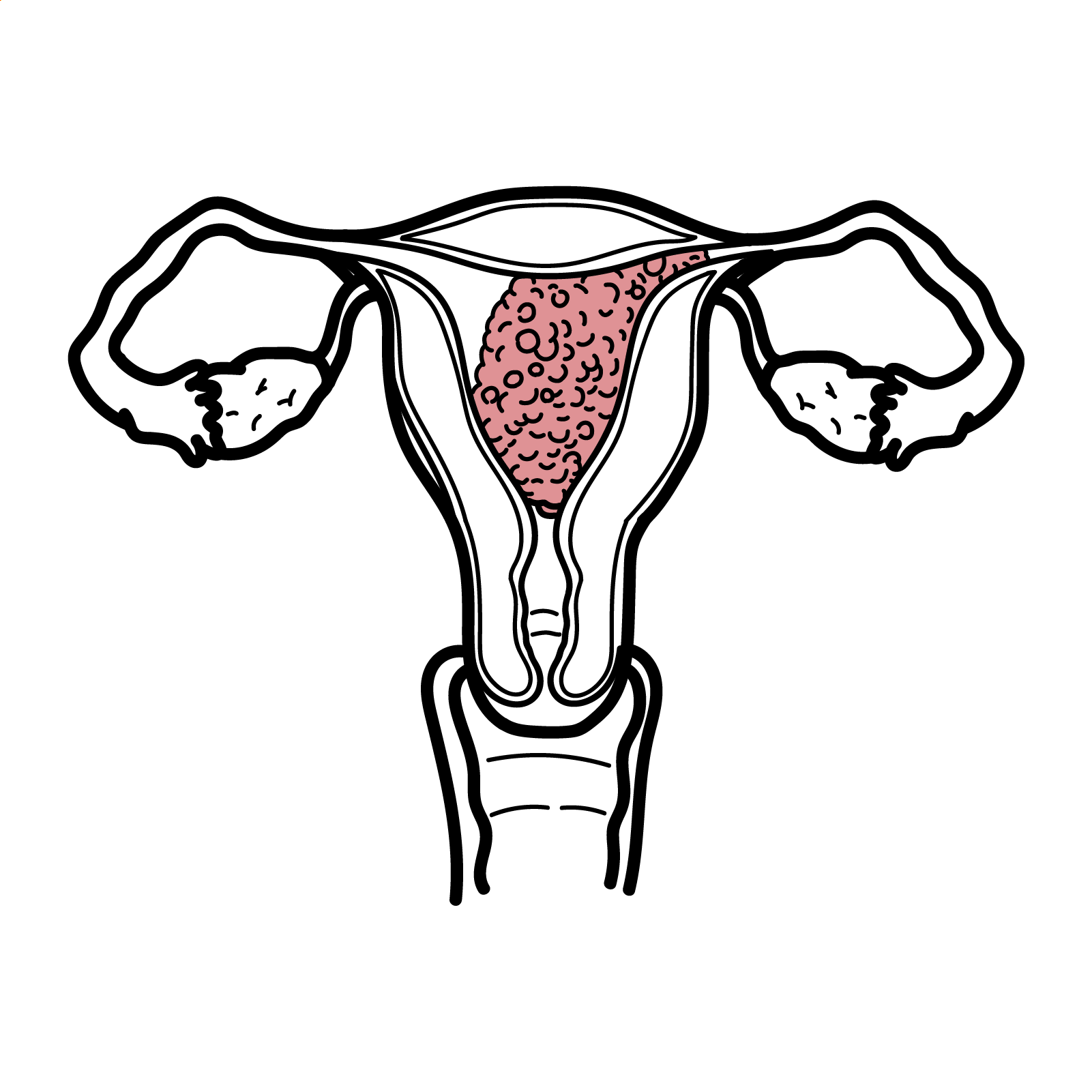
Hydatidiform Mole (Molar Pregnancy)
Overview Hydatidiform moles are part of a group of diseases falling under gestational trophoblastic disease. A hydatidiform mole refers to the abnormal growth of trophoblastic cells in the placenta, resulting in edematous placental villi that form hydatidiform structures. It is classified as either partial or complete, causing either abnormal foetal development (resulting in foetal demise)…
View topic ↗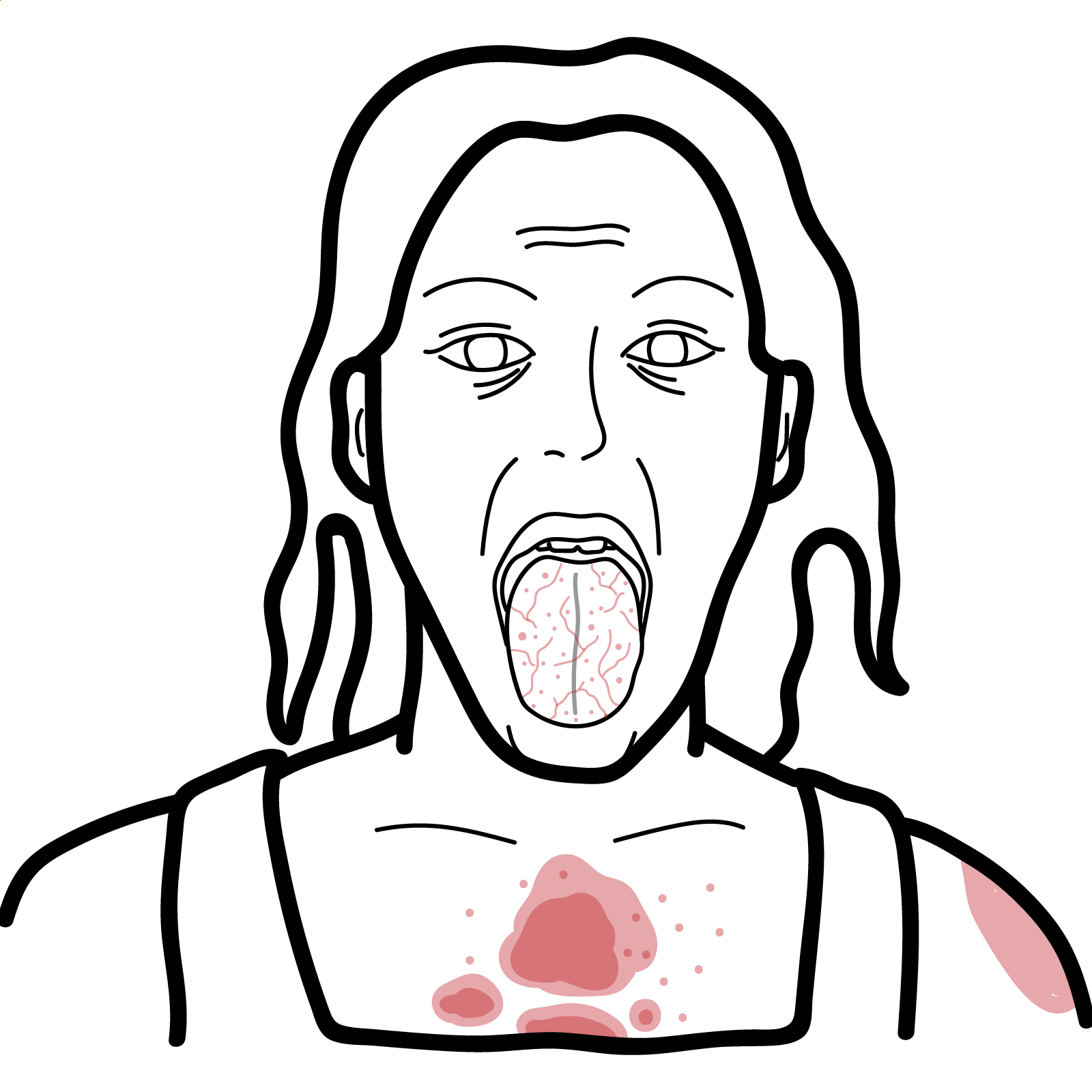
Sjögren’s Syndrome
Overview Sjögren’s Syndrome is a chronic, systemic autoimmune disorder characterized by lymphocytic infiltration and destruction of exocrine glands, primarily affecting the salivary and lacrimal glands, leading to dry mouth (xerostomia) and dry eyes (keratoconjunctivitis sicca). It commonly affects middle-aged women, with a female:male ratio of approximately 9:1. It can be primary (isolated) or secondary (associated…
View topic ↗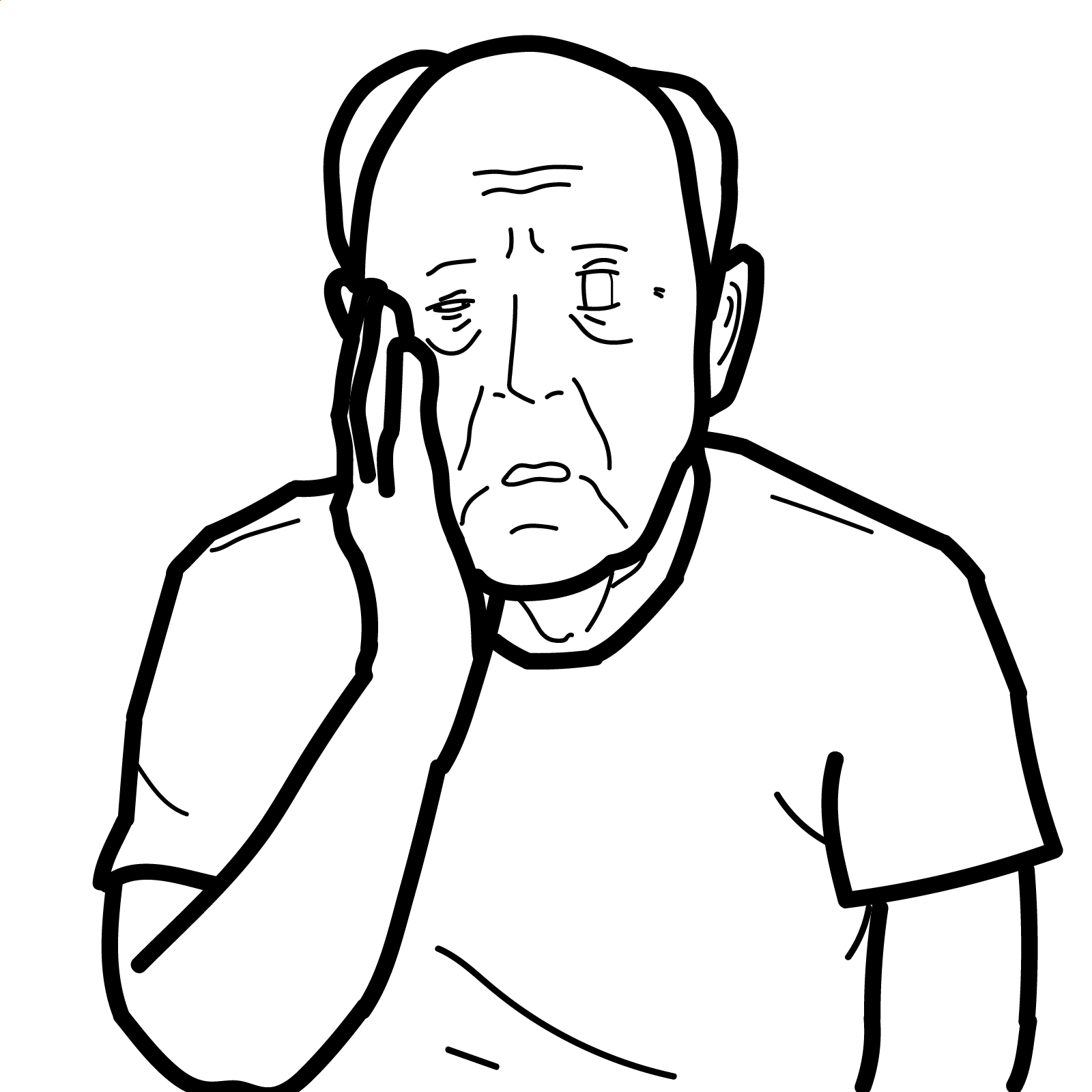
Stroke (Ischaemic and Haemorrhagic)
Overview Third most common cause of death worldwide and most common cause of neurological disability. It is subdivided into ischaemic stroke (caused by vascular occlusion or stenosis) and haemorrhagic stroke (caused by vascular rupture, resulting in intra-parenchymal and/or subarachnoid haemorrhage). Stroke: Acute onset of a focal neurologic deficit due to a cerebral infarction or hemorrhage. Transient Ischaemic…
View topic ↗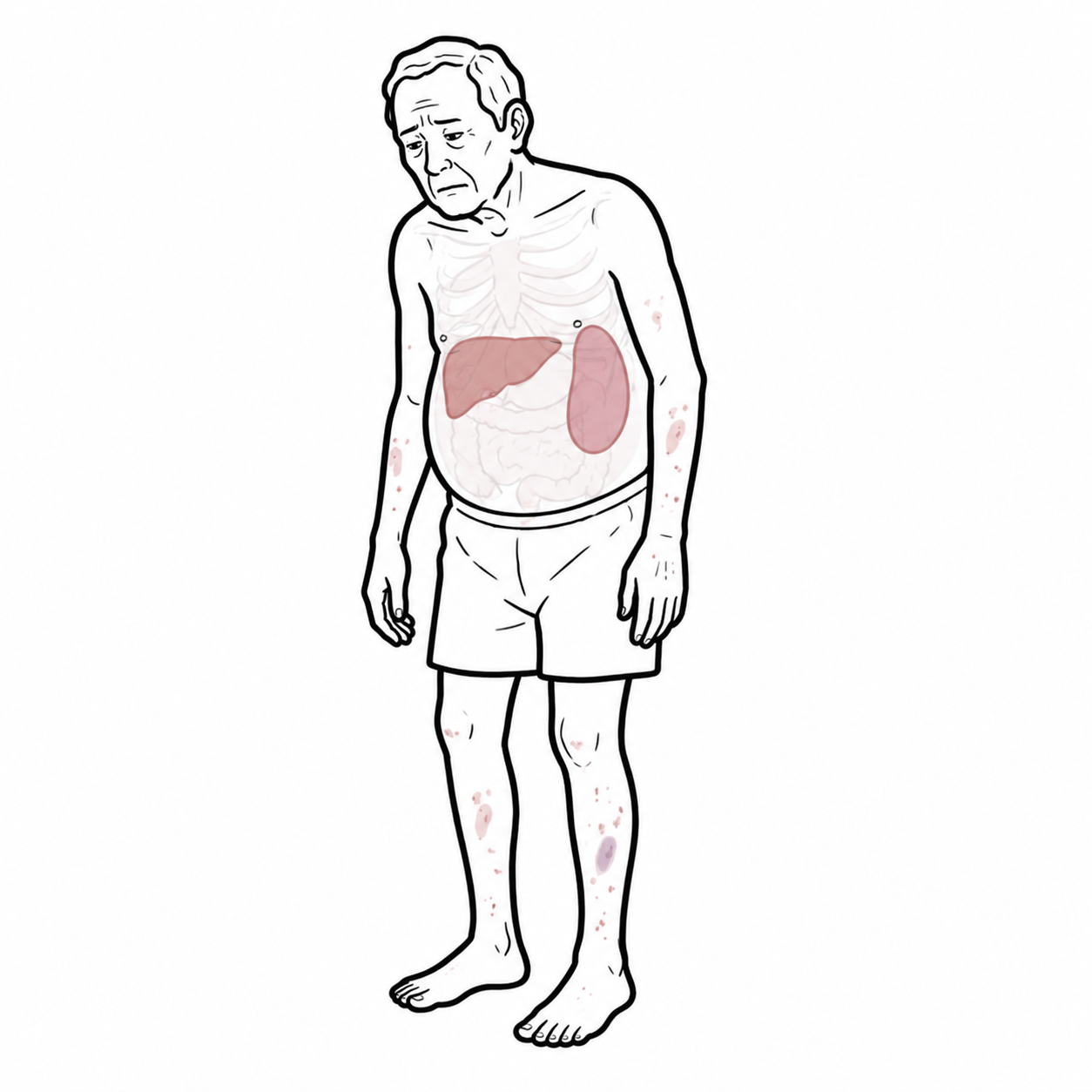
Myelofibrosis
Overview Myelofibrosis is a type of myeloproliferative diseasecharacterized by clonal myeloid expansion, followed by progressive fibrous connective tissue deposition in the bone marrow, resulting in bone marrow failure. Clonal evolution can also occur, with an increased risk of transformation to acute myeloid leukemia. In addition, disabling constitutional symptoms secondary to the high circulating levels of…
View topic ↗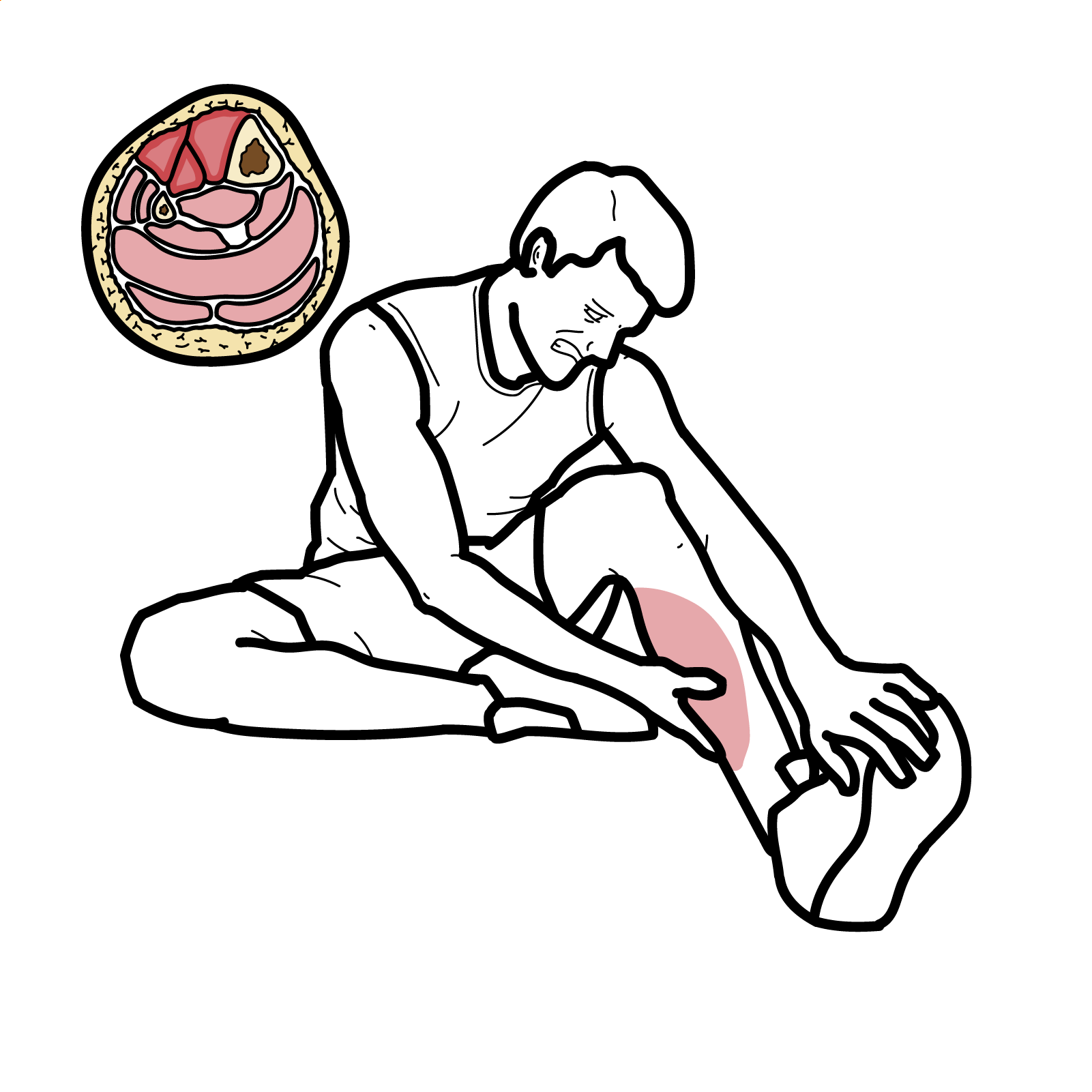
Chronic Exertional Compartment Syndrome (Exercise-induced Compartment Syndrome)
Overview Chronic compartment syndrome (also known as chronic exertional compartment syndrome or exercise induced compartment syndrome) is an exertional condition in which repetitive activity causes transiently elevated pressure within a closed myofascial compartment, leading to ischemic pain, tightness, and sometimes neurologic symptoms that predictably begin with exercise and abate with rest. It most often affects…
View topic ↗
Paracetamol Overdose
Overview Paracetamol overdose is a common cause of hospital presentation. Paracetamol is an analgesic and antipyretic drug used in both children and adults. Its mechanism of action is yet to be fully determined, and is likely to involve a number of pain pathways. When taken in excess it can cause signs such as vomiting, right…
View topic ↗Full resource library
Browse all topics ↗Choose how you learn
One idea. More than one way to see it.
Use the format that helps the topic click, then switch formats when you need to reinforce it.
01 / WATCH02 / READ03 / SEE04 / CHECK
Videos
Hand-drawn explanations that build the big picture as the concept unfolds.
Notes
Clear written explanations for review, reference and filling in the details.
Diagrams
Visual snapshots that help you easily review topics.
Questions
Test whether the explanation stayed with you—not just whether it looked familiar.
Good places to begin
Explanations learners return to.
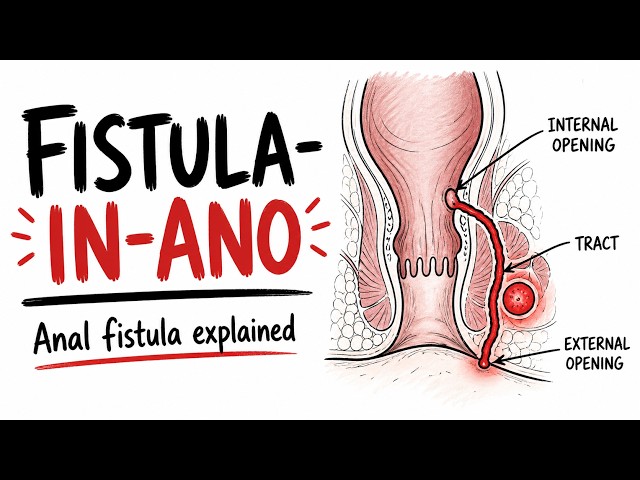
Ano In Fistula
Discover the causes, symptoms, and treatment options for anal fistulas, a painful condition often resulting from infection or abscess near the anus. This video provides a clear overview of the pathophysiology, diagnosis, and surgical management of ano-in fistula.
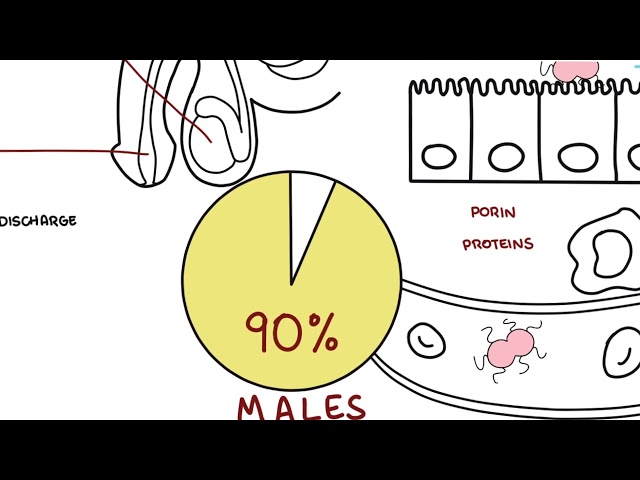
Neisseria gonorrhea (STI) symptoms, pathophysiology, complications and treatment
Neisseria Gonorrhoea is a gram-negative diplococci which causes gonorrhea, a sexually transmitted infection, which if left untreated can cause serious complications such as septic arthritis and pelvic inflammatory disease (PID). Gonorrhea is the second most common bacterial sexually transmitted infection worldwide after chlamydia. Rates of gonorrhoea infection have been increasing thanks to the emergence of…
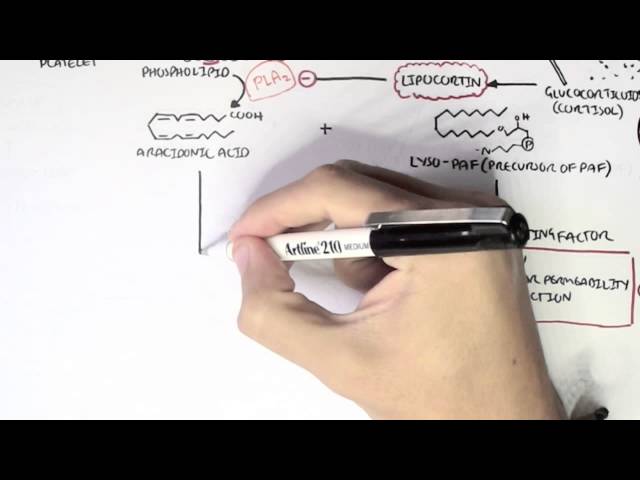
Part I – Aracidonic Acid Metabolites
Learn about arachidonic acid metabolites and their role in inflammation, focusing on how they are derived from membrane phospholipids. This video introduces key pathways like the cyclooxygenase (COX) and lipoxygenase (LOX) systems, and the bioactive lipids they produce.
Our mission
Medical science is complex. Understanding it should feel possible.
Armando Hasudungan turns difficult medical science into clear visual explanations and connected learning experiences—so learners can see the whole picture, remember what matters and find a clearer way forward.
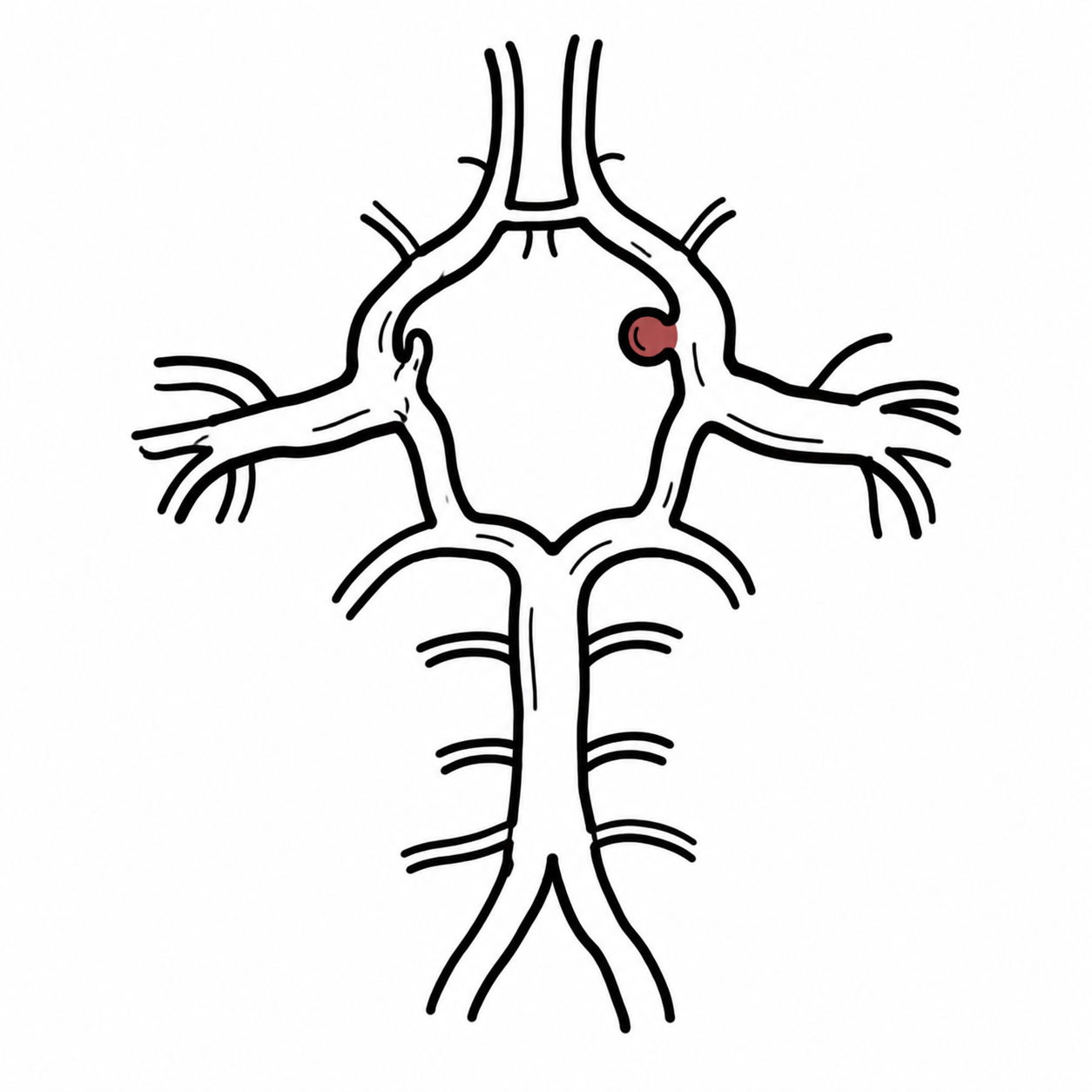
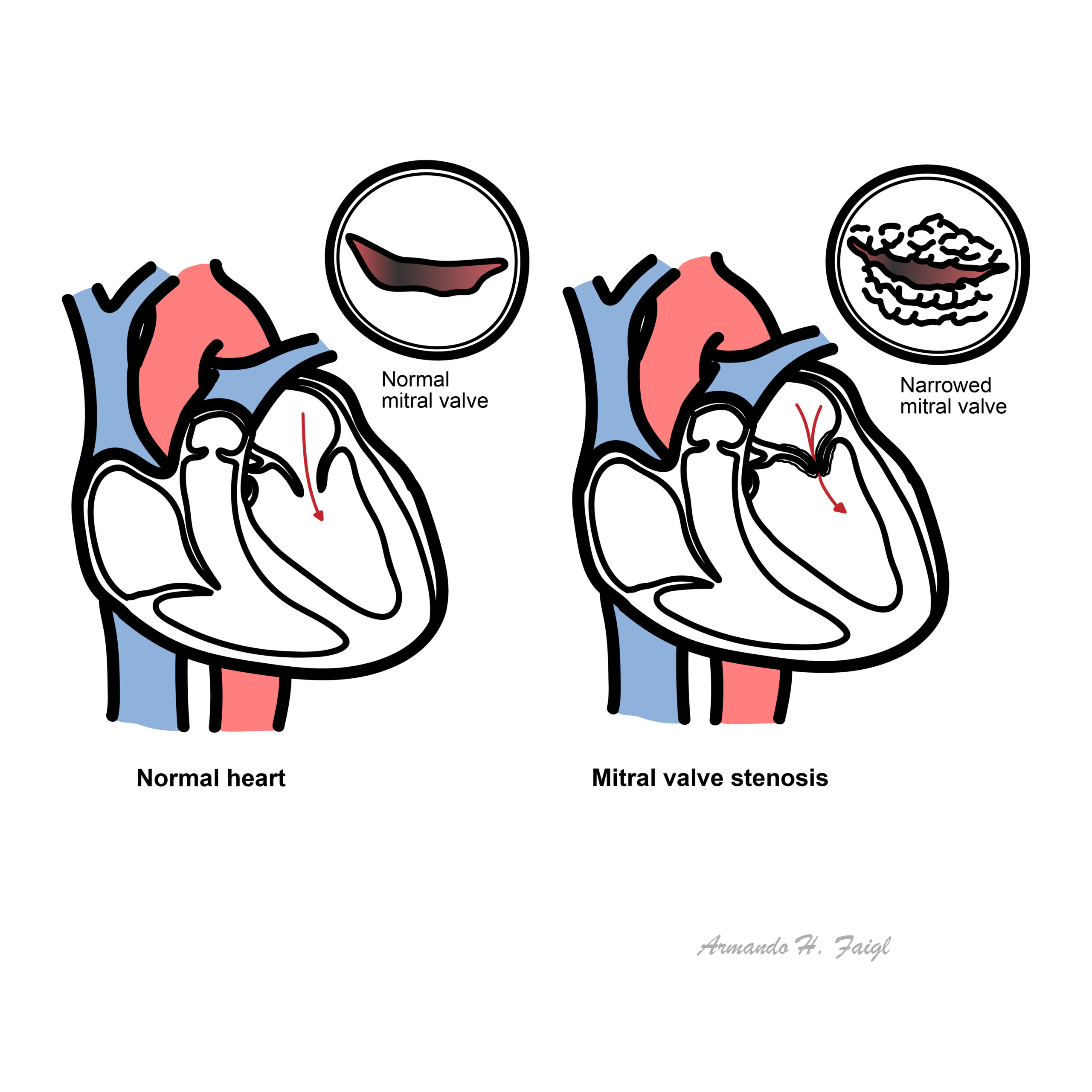
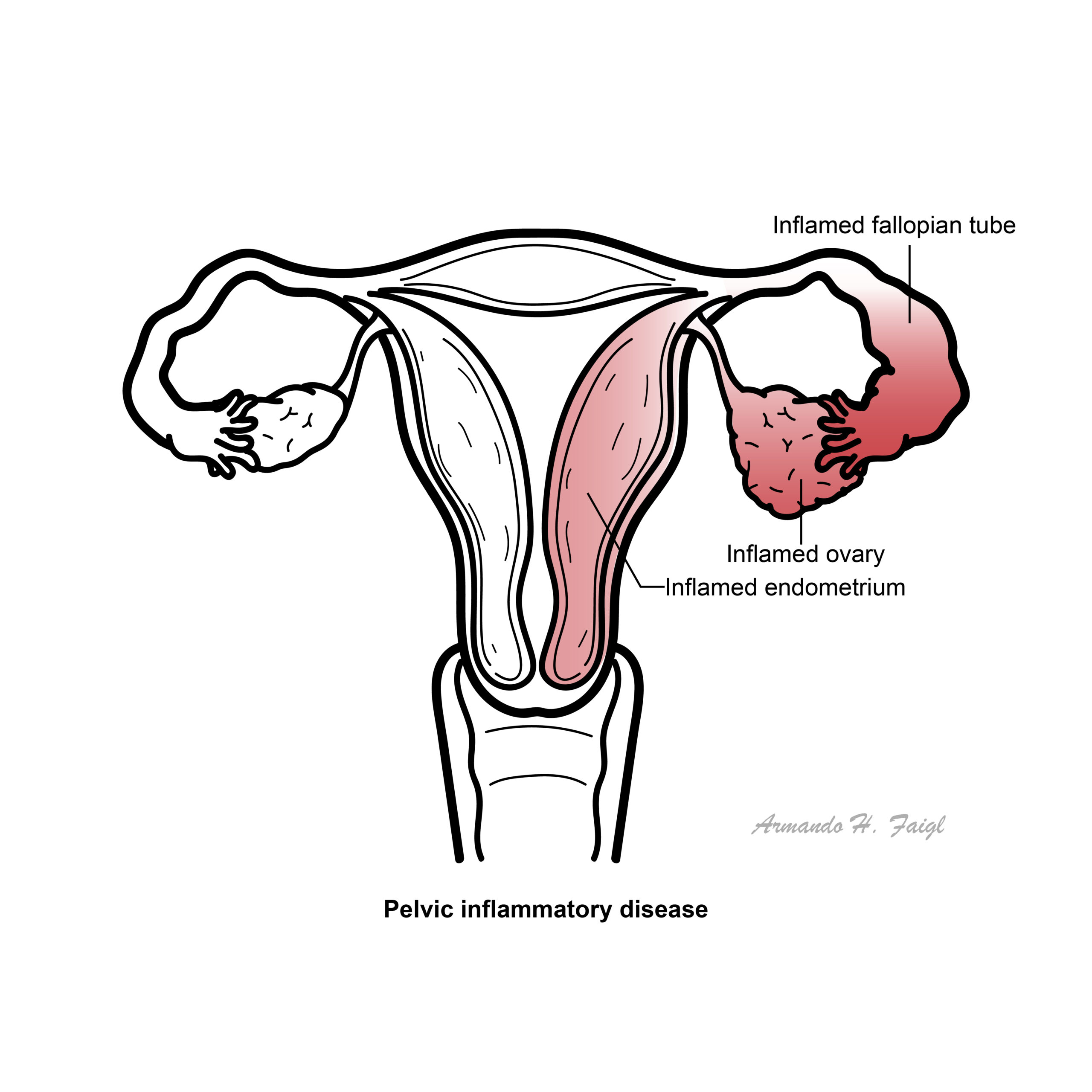
See it clearly
Turn abstract processes and invisible relationships into something the learner can picture.
Connect the pieces
Build understanding around how concepts fit together—not a pile of isolated facts.
Make it useful
Help learners move from explanation to recall, revision and the next logical step.
What clarity feels like
When the topic stops being a blur.
Learners do not come back because the subject became easy. They come back because the explanation gave them a picture they could work with.
“Armando's teaching style gives me the foundational knowledge.
Jessica Payne-Burnett
Medical Student, Charles Sturt University
“The notes I make during his videos help me retain everything better.
Ayesha RaiStudent, Islamabad Medical and Dental College
“The drawings are amazing and super easy to remember.
Reem Mohamed Khair Abdalrazig
Student, Neelain University
Coming soon: the AH study platform
The explanation is only the start.
The free library helps you find a clear explanation. The AH platform is being built to help you connect the resources, follow a clearer path and check what actually stuck.
- Watch in a focused, ad-free study environment.
- Move between connected videos, notes, diagrams and questions.
- Know what belongs next instead of rebuilding the study path yourself.
- Test your understanding while the topic is still fresh.
New and worth a look
Keep building the picture.

Cervical Radiculopathy
Overview Cervical radiculopathy is dysfunction of a cervical nerve root caused by irritation or compression as it leaves the spine. It commonly produces pain radiating from the neck into one arm, sometimes with paraesthesia, numbness, weakness or altered reflexes. A disc herniation or degenerative narrowing of the neural foramen is a common cause. Diagnosis is…
View this topic ↗About Visualising Medicine
Good education does not remove complexity. It makes complexity feel simple.
Visualising Medicine is the team behind Armando Hasudungan. We bring together medicine, illustration, writing and technology to make difficult ideas clearer—and build better ways for learners to use them.