

Visual explanationFree resource
Visual medical education by Armando Hasudungan
Medical science, drawn into focus.
Explore visual explanations that reveal how the facts, processes and clinical patterns fit together—then discover the coming AH study platform, built to guide what you study next and check what stuck.
Connected studyComing soon
Clear visual explanations used by medical and allied-health learners around the world.
Explore the free library
Start with the topic in front of you.
Browse by subject or jump straight into the explanation you need. No account required.
Henoch-Schönlein purpura (Spring Fever)
Overview Henoch Schonlein Purpura is a IgA vasculitis characterised by the Tetrad: palpable purpuric petechial rash, abdominal pain, kidney involvement and arthralgia. Aetiology is unknown but thought to have a genetic predisposition. Clinical Manifestation Henoch Schonlein Purpura Tetrad Palpable purpuric petechial rash, abdominal pain, kidney involvement and arthralgia. Recent mucosal infection (respiratory or gastrointestinal) Rash…
View topic ↗Osgood Schlatter
Overview In this common disorder of adolescence the tibial tubercle becomes painful and ‘swollen’. Although often called osteochondritis and apophysitis, it is nothing more than a traction injury of the apophysis into which part of the patellar tendon is attached. Osgood-Schaltter disease typically occurs during the early adolescent growth spurt between 10-15 years of age,…
View topic ↗Nephritic Syndrome
Overview Nephritic syndrome is one of two clinical patterns seen in glomerular disease. Nephritic Syndrome is characterised by haematuria, proteinuria, hypertension and oligouria. Nephritic syndrome can be further classified based on light microscopic features: Focal Diffuse Glomerular Disease: Disease effecting the glomerulus. Glomerular disease reduces the ability of the kidneys to maintain a balance of certain substances in…
View topic ↗Selective IgA Deficiency
Overview Selective IgA deficiency is the most common primary immunodeficiency, defined by very low or absent serum IgA levels with normal levels of other immunoglobulins (IgG, IgM). Many patients are asymptomatic, but some develop recurrent mucosal infections, allergic disease, or autoimmune disorders. Prevalence is estimated at 1:300 to 1:700 in Caucasian populations. Diagnosis is often…
View topic ↗Infective Endocarditis
Overview Infective endocarditis is a condition which occurs in the setting of bacteraemia whereby endothelial surfaces of the heart, such as valvular structures, become infected. It can present acutely or subacutely, and is often associated with fevers, new heart murmurs, constitutional symptoms and embolic phenomena. The classical organism associated is Staphylcoccus aureus, however there are…
View topic ↗Achilles Tendinopathy & Rupture
Overview Achilles tendinopathy & rupture are common causes of posterior ankle pain and disability, particularly in active adults. Tendinopathy presents with chronic pain, stiffness, and impaired function, while rupture is an acute injury characterised by a sudden “pop” and loss of plantarflexion power. Achilles tendon injuries are increasingly prevalent due to sports participation, with rupture…
View topic ↗Bladder Carcinoma
Mainly focusing on Transitional cell tumours Overview Three main types of bladder carcinoma Transitional cell carcinoma (Most common) Squamous cell carcinoma Adenocarcinoma (Rare) Transitional cell tumours can affect any part of the urinary epithelium. It is the second most common urological malignancy (Renal Adenocarcinoma is the most common, bladder adenocarcinoma is rare ) and is one…
View topic ↗Full resource library
Browse all topics ↗Choose how you learn
One idea. More than one way to see it.
Use the format that helps the topic click, then switch formats when you need to reinforce it.
01 / WATCH02 / READ03 / SEE04 / CHECK
Videos
Hand-drawn explanations that build the big picture as the concept unfolds.
Notes
Clear written explanations for review, reference and filling in the details.
Diagrams
Visual snapshots that help you easily review topics.
Questions
Test whether the explanation stayed with you—not just whether it looked familiar.
Good places to begin
Explanations learners return to.
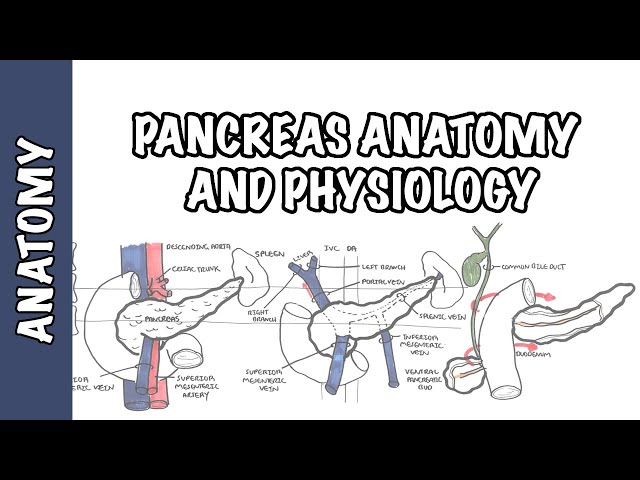
Pancreas Clinical Anatomy and Physiology
Learn the essential clinical anatomy and physiology of the pancreas, including its endocrine and exocrine functions. This video highlights its role in digestion, glucose regulation, and relevance to conditions like diabetes and pancreatitis.
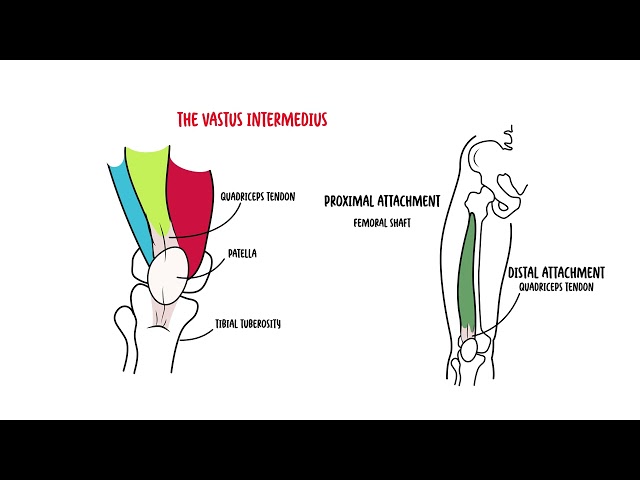
Quadriceps muscle – Clinical Anatomy
Learn the clinical anatomy of the quadriceps muscle group, including its structure, function, and role in knee extension and stability. This video highlights the individual muscles, their innervation, common injury sites, and relevance in physical examination and rehabilitation.
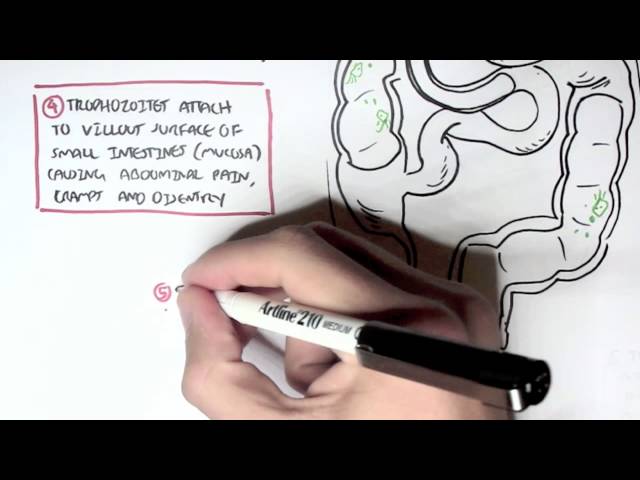
Giardiasis – Giardia Lamblia
Learn how Giardia lamblia causes giardiasis, a common intestinal infection transmitted through contaminated water or food. This video explains the parasite’s life cycle, pathogenesis, clinical symptoms, and key diagnostic and treatment approaches.
Our mission
Medical science is complex. Understanding it should feel possible.
Armando Hasudungan turns difficult medical science into clear visual explanations and connected learning experiences—so learners can see the whole picture, remember what matters and find a clearer way forward.
See it clearly
Turn abstract processes and invisible relationships into something the learner can picture.
Connect the pieces
Build understanding around how concepts fit together—not a pile of isolated facts.
Make it useful
Help learners move from explanation to recall, revision and the next logical step.
What clarity feels like
When the topic stops being a blur.
Learners do not come back because the subject became easy. They come back because the explanation gave them a picture they could work with.
“Armando's teaching style gives me the foundational knowledge.
Jessica Payne-Burnett
Medical Student, Charles Sturt University
“The notes I make during his videos help me retain everything better.
Ayesha RaiStudent, Islamabad Medical and Dental College
“The drawings are amazing and super easy to remember.
Reem Mohamed Khair Abdalrazig
Student, Neelain University
Coming soon: the AH study platform
The explanation is only the start.
The free library helps you find a clear explanation. The AH platform is being built to help you connect the resources, follow a clearer path and check what actually stuck.
- Watch in a focused, ad-free study environment.
- Move between connected videos, notes, diagrams and questions.
- Know what belongs next instead of rebuilding the study path yourself.
- Test your understanding while the topic is still fresh.
New and worth a look
Keep building the picture.
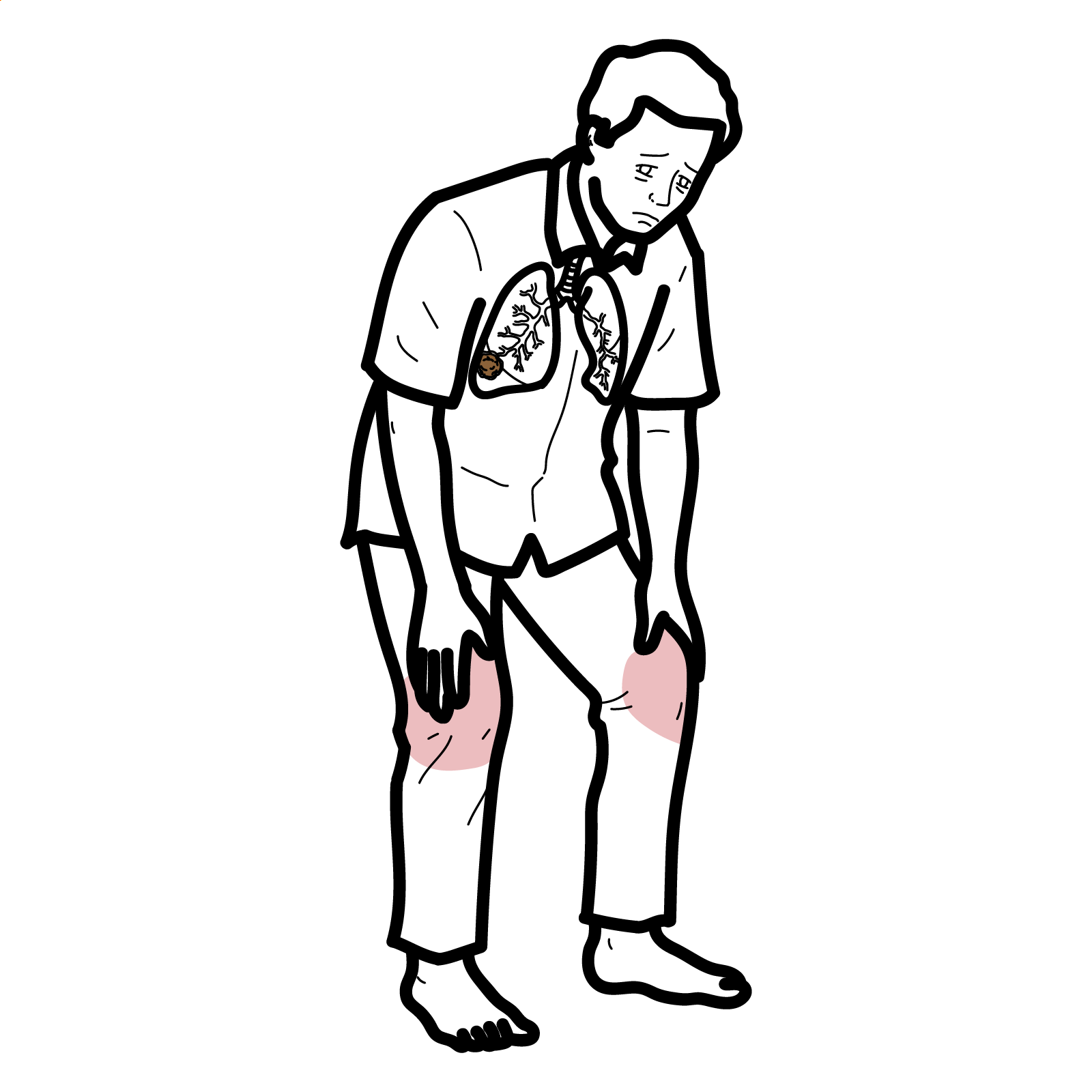
Lambert-Eaton Myasthenic Syndrome
Overview Lambert–Eaton myasthenic syndrome (LEMS) is a rare autoimmune disorder of the presynaptic neuromuscular junction. It causes impaired acetylcholine release, producing the characteristic triad of proximal muscle weakness, reduced reflexes and autonomic dysfunction. LEMS may occur as a paraneoplastic syndrome—most commonly associated with small-cell lung cancer (SCLC)—or as a non-tumour-associated autoimmune disorder. Neuromuscular junction: connection…
View this topic ↗About Visualising Medicine
Good education does not remove complexity. It makes complexity feel simple.
Visualising Medicine is the team behind Armando Hasudungan. We bring together medicine, illustration, writing and technology to make difficult ideas clearer—and build better ways for learners to use them.