

Visual explanationFree resource
Visual medical education by Armando Hasudungan
Medical science, drawn into focus.
Explore visual explanations that reveal how the facts, processes and clinical patterns fit together—then discover the coming AH study platform, built to guide what you study next and check what stuck.
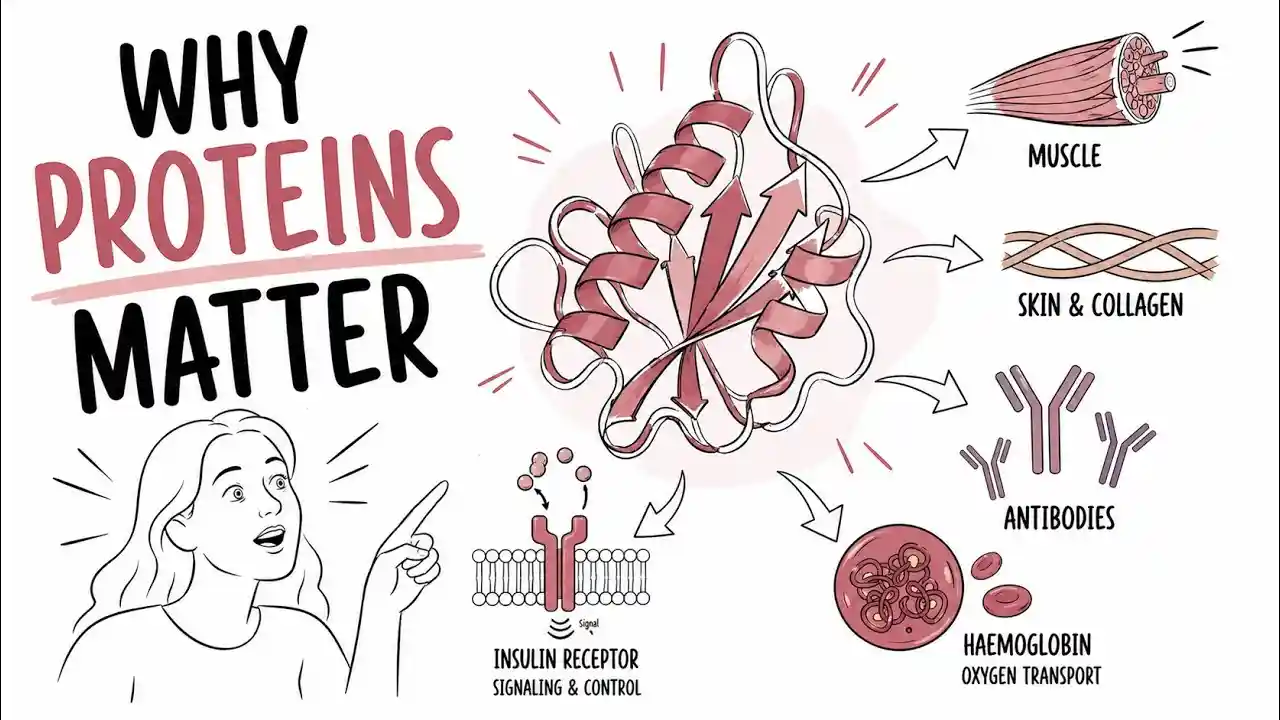
Connected studyComing soon
Clear visual explanations used by medical and allied-health learners around the world.
Explore the free library
Start with the topic in front of you.
Browse by subject or jump straight into the explanation you need. No account required.
VEXAS Syndrome
Overview VEXAS syndrome is a late-onset, adult autoinflammatory disease caused by acquired somatic mutations in the UBA1 gene, leading to dysregulated innate immunity, systemic inflammation, and overlapping haematologic and rheumatologic manifestations. VEXAS stands for Vacuoles, E1 enzyme, X-linked, Autoinflammatory, Somatic. It predominantly affects older males due to its X-linked nature and typically presents with refractory…
View topic ↗Chagas Disease
Authors Megan Miner Armando Faigl Overview Chagas disease is caused by the parasitic protozoan Trypanosoma cruzi (T. cruzi) and is potentially life-threatening. These parasites often live within triatomine bugs. Following a bite to the skin, these bugs, also known as “kissing bugs”, deposit fecal matter near the site of the bite. Their bite, unfortunately, causes…
View topic ↗Sickle Cell Anaemia
Overview Sickle cell anaemia is an autosomal recessive disorder causing production of abnormal ß-globin chains. A single amino acid is substituted in the ß-globin chain (Glu to Val at position 6). This results in the production of HbS (haemoglobin Sickle) rather than HbA. The common variants of sickle cell disease are: Sickle cell anaemia (SS…
View topic ↗Prostatitis
Overview Prostatitis refers to a spectrum of conditions involving inflammation of the prostate gland, ranging from acute bacterial infection to chronic pelvic pain syndromes. It is a common urological condition affecting men of all ages, particularly those aged 30–50 years. The National Institutes of Health (NIH) classifies prostatitis into four categories: acute bacterial, chronic bacterial, chronic…
View topic ↗Alzheimer's Disease
Overview Alzheimer disease is characterised by an insidious onset of symptoms with initial forgetfulness progressing over time to profound memory impairment with accompanying dysphasia, dyspraxia and personality change. Dementia: Clinical syndrome that is characterised by a progressive deterioration in cognition with resulting decline in function. Alzheimer disease: Characterised by an insidious onset of symptoms with initial…
View topic ↗Acute Coronary Syndrome
Overview Coronary artery obstruction or rupture can result in a variety of ischaemic condition which fall under the term of acute coronary syndrome. This does not include stable angina. Ischaemic heart disease is the leading cause of death world wide. The mortality of myocardial infarction is believed to be 45% with 70% of these deaths…
View topic ↗Goitre and Nodules
Overview Goitre refers to an enlarged thyroid gland. Thyroid nodules are common in the general population, especially in women. Goitre results from follicular cell hyperplasia at one or multiple sites within the thyroid gland. Goitre can be classified based on morphology into diffuse or nodular. Nodular thyroid denotes the presence of single or multiple palpable…
View topic ↗Full resource library
Browse all topics ↗Choose how you learn
One idea. More than one way to see it.
Use the format that helps the topic click, then switch formats when you need to reinforce it.
01 / WATCH02 / READ03 / SEE04 / CHECK
Videos
Hand-drawn explanations that build the big picture as the concept unfolds.
Notes
Clear written explanations for review, reference and filling in the details.
Diagrams
Visual snapshots that help you easily review topics.
Questions
Test whether the explanation stayed with you—not just whether it looked familiar.
Good places to begin
Explanations learners return to.

Reproductive System – Overview
Explore the structure and function of the male and female reproductive systems, including key organs and hormonal regulation. This video provides a clear overview to help you understand the fundamentals of human reproduction and its physiological processes.
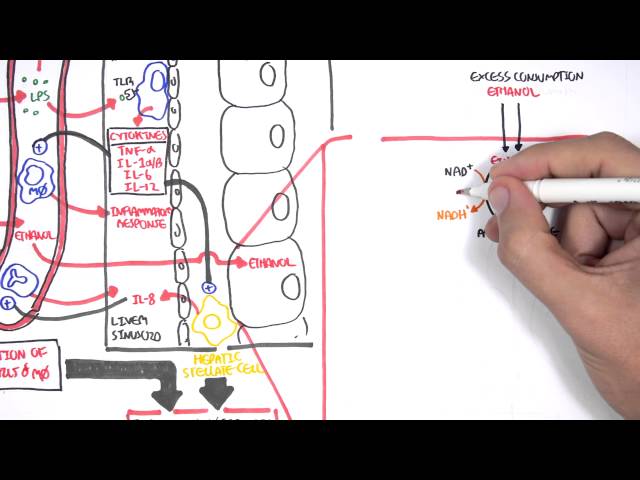
Alcohol Physiology (ethanol, metabolism and biochemistry)
Understand how alcohol (ethanol) is metabolized in the body, including key biochemical pathways involving alcohol dehydrogenase and acetaldehyde. This video explains the physiological effects of alcohol on various organ systems and its clinical implications.
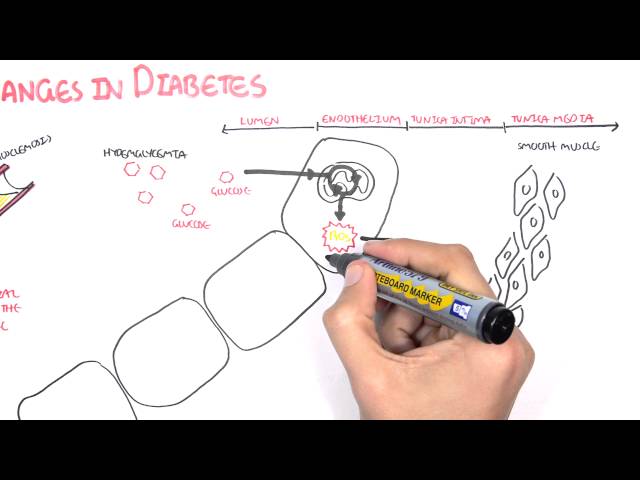
Diabetes Complication and Pathophysiology
Explore the complications of diabetes, including neuropathy, nephropathy, retinopathy, and cardiovascular disease, with a focus on their underlying pathophysiology. This video breaks down how chronic hyperglycemia leads to long-term organ damage and functional impairment.
Our mission
Medical science is complex. Understanding it should feel possible.
Armando Hasudungan turns difficult medical science into clear visual explanations and connected learning experiences—so learners can see the whole picture, remember what matters and find a clearer way forward.
See it clearly
Turn abstract processes and invisible relationships into something the learner can picture.
Connect the pieces
Build understanding around how concepts fit together—not a pile of isolated facts.
Make it useful
Help learners move from explanation to recall, revision and the next logical step.
What clarity feels like
When the topic stops being a blur.
Learners do not come back because the subject became easy. They come back because the explanation gave them a picture they could work with.
“Armando's teaching style gives me the foundational knowledge.
Jessica Payne-Burnett
Medical Student, Charles Sturt University
“The notes I make during his videos help me retain everything better.
Ayesha RaiStudent, Islamabad Medical and Dental College
“The drawings are amazing and super easy to remember.
Reem Mohamed Khair Abdalrazig
Student, Neelain University
Coming soon: the AH study platform
The explanation is only the start.
The free library helps you find a clear explanation. The AH platform is being built to help you connect the resources, follow a clearer path and check what actually stuck.
- Watch in a focused, ad-free study environment.
- Move between connected videos, notes, diagrams and questions.
- Know what belongs next instead of rebuilding the study path yourself.
- Test your understanding while the topic is still fresh.
New and worth a look
Keep building the picture.
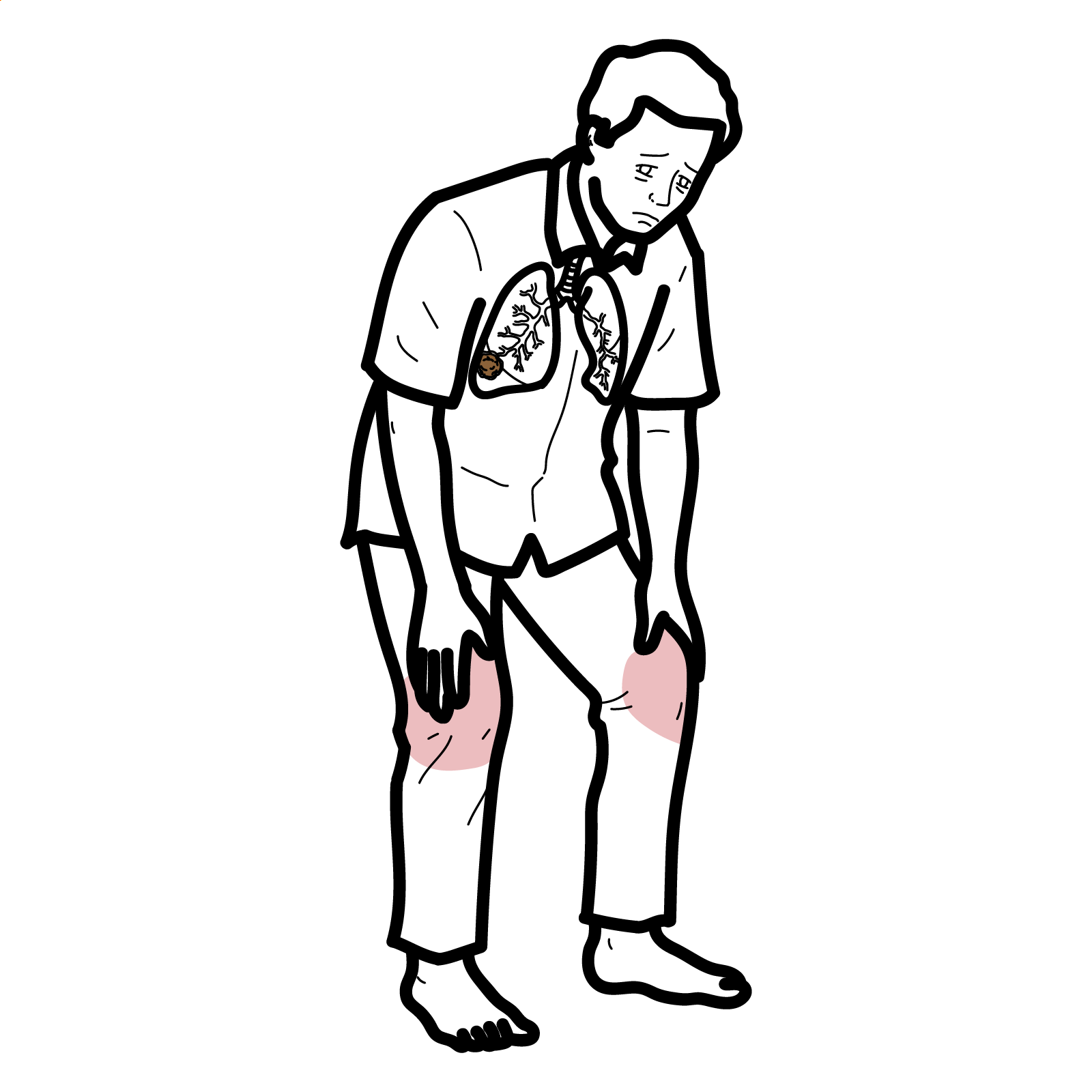
Lambert-Eaton Myasthenic Syndrome
Overview Lambert–Eaton myasthenic syndrome (LEMS) is a rare autoimmune disorder of the presynaptic neuromuscular junction. It causes impaired acetylcholine release, producing the characteristic triad of proximal muscle weakness, reduced reflexes and autonomic dysfunction. LEMS may occur as a paraneoplastic syndrome—most commonly associated with small-cell lung cancer (SCLC)—or as a non-tumour-associated autoimmune disorder. Neuromuscular junction: connection…
View this topic ↗About Visualising Medicine
Good education does not remove complexity. It makes complexity feel simple.
Visualising Medicine is the team behind Armando Hasudungan. We bring together medicine, illustration, writing and technology to make difficult ideas clearer—and build better ways for learners to use them.