

Visual explanationFree resource
Visual medical education by Armando Hasudungan
Medical science, drawn into focus.
Explore visual explanations that reveal how the facts, processes and clinical patterns fit together—then discover the coming AH study platform, built to guide what you study next and check what stuck.
Connected studyComing soon
Clear visual explanations used by medical and allied-health learners around the world.
Explore the free library
Start with the topic in front of you.
Browse by subject or jump straight into the explanation you need. No account required.
Pseudogout: Calcium Pyrophosphate Deposition Disease
Overview Pseudogout, more accurately known as calcium pyrophosphate deposition disease (CPPD), is a crystal arthropathy characterized by the deposition of calcium pyrophosphate dihydrate crystals in articular cartilage and soft tissues, leading to joint inflammation. It most commonly affects elderly individuals, especially over the age of 60, with a slight female predominance. Clinically, it often mimics…
View topic ↗Delirium
Overview Delirium is a neuropsychiatric syndrome characterized by a disturbance in consciousness and cognition. It typically presents as an acute confusional state , with inattention as its core symptom. Unfortunately, the diagnosis of delirium is often delayed or missed, especially the hypoactive form that is common in older persons. Delirium : Cognitive impairment typically caused…
View topic ↗Acute Pancreatitis
Overview Acute pancreatitis is a relatively common condition presenting with severe, acute, constant epigastric pain. Incidence of ~5 per 100,000/year. Acute pancreatitis has a significant mortality. Early complications include acute renal failure, DIC, hypocalcemia and ARDS. Acute Pancreatitis: An inflammatory process in which pancreatic enzymes are activated and cause autodigestion of the gland. Chronic Pancreatitis:…
View topic ↗Urinary Incontinence
Overview Urinary incontinence is an important condition because it causes significant distress. Approximately 15% of the general female adult population have a significant problem with urinary incontinence. Urinary incontinence: Defined as the condition in which there is invontary loss of urine, which can be objectively demonstrated and which is a social or hygienic problem. Stress…
View topic ↗Toxic Multinodular Goitre
Overview Toxic Multinodular Goitre (TMNG) is the second most common cause of hyperthyroidism caused by a long-standing goitre and/or iodine deficiency which results in an increased risk of mutation and consequent TSH-independent autonomic function of thyroid nodules to produce excess thyroid hormones. Common clinical manifestations include hyperthyroidism and a painless thyroid goitre with palpable nodules.…
View topic ↗Community Acquired Pneumonia
Overview Community acquired pneumonia occur in individuals who are not in hospital (or have been in hospital in the past 48 hours) and who are not significantly immunocompromised. The World Health Organization estimates that lower respiratory tract infection is the most common infectious cause of death in the world. Choice of antibiotics are usually empirical…
View topic ↗Febrile Seizure
Overview Seizures are a common occurrence in children. 8% will have at least one seizure by 15 years of age. A seizure is the result of an abnormal paroxysmal discharge by cerebral neurons. Many underlying conditions and neurological challenges may provoke seizures, and in over 50% of children seizures are isolated events associated with either a fever…
View topic ↗Full resource library
Browse all topics ↗Choose how you learn
One idea. More than one way to see it.
Use the format that helps the topic click, then switch formats when you need to reinforce it.
01 / WATCH02 / READ03 / SEE04 / CHECK
Videos
Hand-drawn explanations that build the big picture as the concept unfolds.
Notes
Clear written explanations for review, reference and filling in the details.
Diagrams
Visual snapshots that help you easily review topics.
Questions
Test whether the explanation stayed with you—not just whether it looked familiar.
Good places to begin
Explanations learners return to.
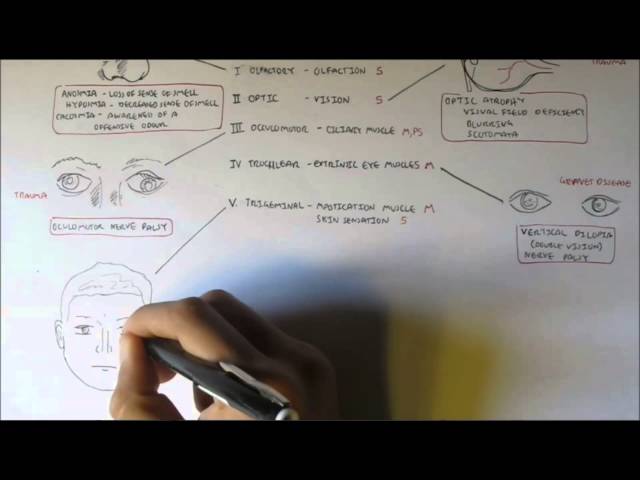
Cranial Nerves – Functions and Disorders
Understand the functions and disorders of Cranial Nerves in this video, covering all 12 nerves with their sensory, motor, and autonomic roles. Ideal for exams and clinical practice, this video highlights key lesions, symptoms, and diagnostic clues for each cranial nerve.

Congenital Hip Dysplasia
Explore hip dysplasia, its developmental causes, clinical signs, and diagnostic approaches in both infants and adults. This video also covers the pathophysiology and treatment options, including bracing and surgical correction.
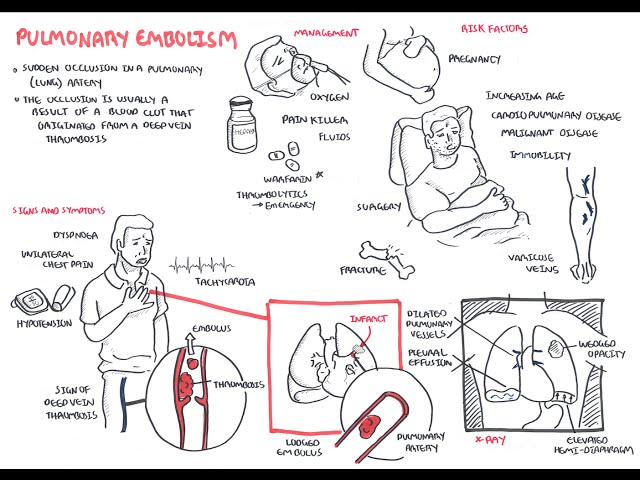
Pulmonary Embolism – Overview
Learn about pulmonary embolism, a life-threatening condition caused by a blood clot blocking arteries in the lungs. This video explains its pathophysiology, risk factors, clinical signs, diagnostic approach, and treatment options for prompt and effective management.
Our mission
Medical science is complex. Understanding it should feel possible.
Armando Hasudungan turns difficult medical science into clear visual explanations and connected learning experiences—so learners can see the whole picture, remember what matters and find a clearer way forward.
See it clearly
Turn abstract processes and invisible relationships into something the learner can picture.
Connect the pieces
Build understanding around how concepts fit together—not a pile of isolated facts.
Make it useful
Help learners move from explanation to recall, revision and the next logical step.
What clarity feels like
When the topic stops being a blur.
Learners do not come back because the subject became easy. They come back because the explanation gave them a picture they could work with.
“Armando's teaching style gives me the foundational knowledge.
Jessica Payne-Burnett
Medical Student, Charles Sturt University
“The notes I make during his videos help me retain everything better.
Ayesha RaiStudent, Islamabad Medical and Dental College
“The drawings are amazing and super easy to remember.
Reem Mohamed Khair Abdalrazig
Student, Neelain University
Coming soon: the AH study platform
The explanation is only the start.
The free library helps you find a clear explanation. The AH platform is being built to help you connect the resources, follow a clearer path and check what actually stuck.
- Watch in a focused, ad-free study environment.
- Move between connected videos, notes, diagrams and questions.
- Know what belongs next instead of rebuilding the study path yourself.
- Test your understanding while the topic is still fresh.
New and worth a look
Keep building the picture.
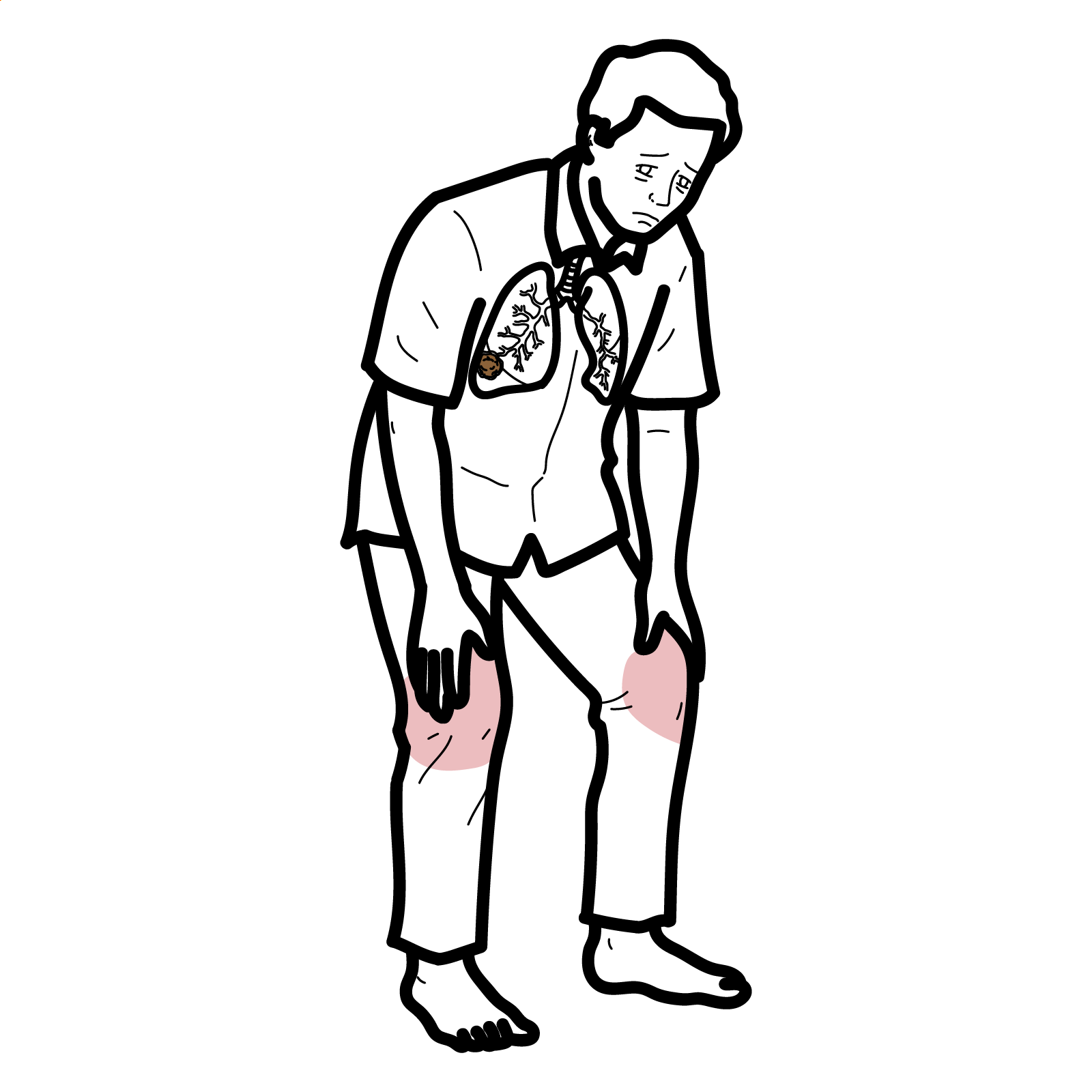
Lambert-Eaton Myasthenic Syndrome
Overview Lambert–Eaton myasthenic syndrome (LEMS) is a rare autoimmune disorder of the presynaptic neuromuscular junction. It causes impaired acetylcholine release, producing the characteristic triad of proximal muscle weakness, reduced reflexes and autonomic dysfunction. LEMS may occur as a paraneoplastic syndrome—most commonly associated with small-cell lung cancer (SCLC)—or as a non-tumour-associated autoimmune disorder. Neuromuscular junction: connection…
View this topic ↗About Visualising Medicine
Good education does not remove complexity. It makes complexity feel simple.
Visualising Medicine is the team behind Armando Hasudungan. We bring together medicine, illustration, writing and technology to make difficult ideas clearer—and build better ways for learners to use them.