

Visual explanationFree resource
Visual medical education by Armando Hasudungan
Medical science, drawn into focus.
Explore visual explanations that reveal how the facts, processes and clinical patterns fit together—then discover the coming AH study platform, built to guide what you study next and check what stuck.
Connected studyComing soon
Clear visual explanations used by medical and allied-health learners around the world.
Explore the free library
Start with the topic in front of you.
Browse by subject or jump straight into the explanation you need. No account required.
Selective IgA Deficiency
Overview Selective IgA deficiency is the most common primary immunodeficiency, defined by very low or absent serum IgA levels with normal levels of other immunoglobulins (IgG, IgM). Many patients are asymptomatic, but some develop recurrent mucosal infections, allergic disease, or autoimmune disorders. Prevalence is estimated at 1:300 to 1:700 in Caucasian populations. Diagnosis is often…
View topic ↗Gastric Antral Vascular Ectasia (GAVE)
Overview Gastric antral vascular ectasia (GAVE, “watermelon stomach”) is a rare but important cause of non-variceal upper gastrointestinal bleeding, often presenting with chronic iron-deficiency anaemia or recurrent overt bleeding in older adults, particularly women [1–4]. It is frequently associated with systemic conditions such as liver cirrhosis (~30% of cases) and autoimmune/connective-tissue disease (especially systemic sclerosis).…
View topic ↗Crystal Arthropathy
Overview Crystal arthropathies are a diverse group of disorders characterized by deposition of various minerals in joints and soft tissues leading to inflammation. Four main types of crystal arthropathies: Gout : The most common of all the crystal arthropathies, caused by monosodium urate crystal precipitation, and its prevalence appears to be increasing. Pseudogout: caused by calcium…
View topic ↗Multiple Sclerosis
"Each patient ought to feel somewhat the better after the physician's visit irrespective of the nature of the illness." -Warfield Theobald Longcope Overview Multiple sclerosis (MS) is defined as an inflammatory demyelinating disease characterised by the presence of episodic neurological dysfunction in at least 2 areas of the CNS (brain, spinal cord, and optic nerves)…
View topic ↗Sickle Cell Anaemia
Overview Sickle cell anaemia is an autosomal recessive disorder causing production of abnormal ß-globin chains. A single amino acid is substituted in the ß-globin chain (Glu to Val at position 6). This results in the production of HbS (haemoglobin Sickle) rather than HbA. The common variants of sickle cell disease are: Sickle cell anaemia (SS…
View topic ↗Endometriosis
A healthy 25-year-old woman presents with worsening dysmenorrhea, pain of recent onset in the left lower quadrant, and dyspareunia. She has regular menstrual cycles, and her last menstrual period was 3 weeks before presentation. She has been trying to fall pregnant over the past 10 months without success and she is becoming more concerned. Overview…
View topic ↗Diabetes Insipidus
56 year old lady recurrent presentations to your practice for polyuria and increased thirst. Random serum glucose and urinary glucose have returned normal. Patient has otherwise been well, complains of no dysuria, haematuria, fevers or night sweats . Overview Diabetes Insipidus (DI) is associated with inadequate arginine vasopressin (known as antidiuretic hormone) secretion or renal…
View topic ↗Full resource library
Browse all topics ↗Choose how you learn
One idea. More than one way to see it.
Use the format that helps the topic click, then switch formats when you need to reinforce it.
01 / WATCH02 / READ03 / SEE04 / CHECK
Videos
Hand-drawn explanations that build the big picture as the concept unfolds.
Notes
Clear written explanations for review, reference and filling in the details.
Diagrams
Visual snapshots that help you easily review topics.
Questions
Test whether the explanation stayed with you—not just whether it looked familiar.
Good places to begin
Explanations learners return to.
Kidney stones – pathophysiology and management
Kidney stones explained: causes, symptoms, diagnosis, and practical treatments to relieve pain and prevent recurrence. This video covers kidney stones (nephrolithiasis/urolythiasis), why they form, who’s at risk, and the most effective clinical approaches. You’ll learn clear anatomy of the urinary tract, how nephron function and urine supersaturation lead to crystal and stone formation, and the…
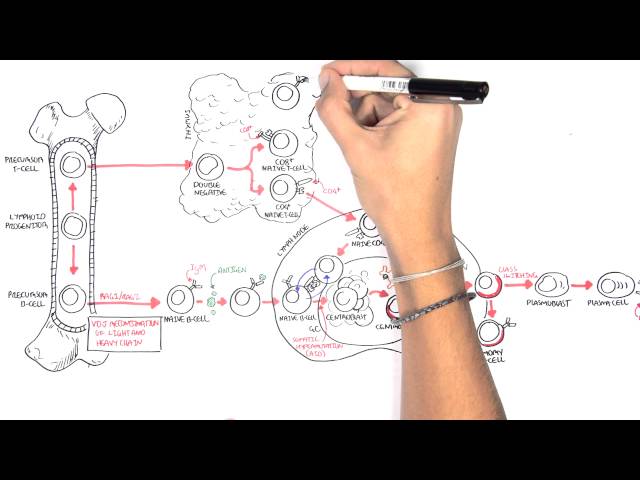
Non Hodgkins Lymphoma – Types and Pathophysiology
Explore the types and pathophysiology of Non-Hodgkin's Lymphoma in this detailed video, highlighting key differences in B-cell and T-cell subtypes. Perfect for learners aiming to grasp the mechanisms and classifications of this diverse group of lymphoid cancers.
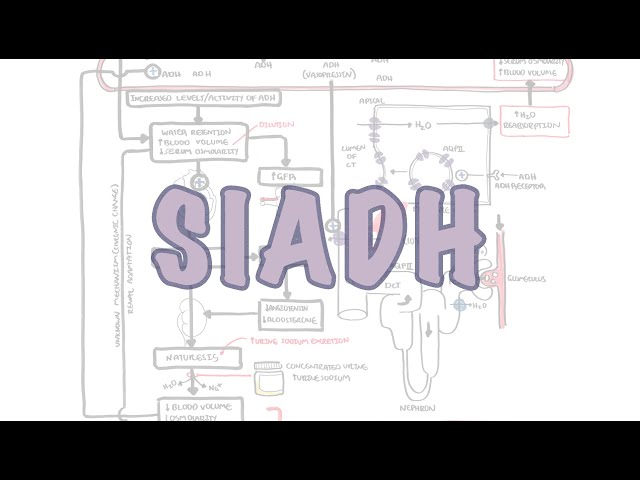
SIADH (Syndrome of Inappropriate ADH secretion) – mechanism, pathophysiology, treatment
Discover the underlying mechanism and pathophysiology of SIADH, a condition marked by excessive antidiuretic hormone secretion leading to water retention and hyponatremia. This video also explains common causes, clinical features, and treatment strategies for effective management.
Our mission
Medical science is complex. Understanding it should feel possible.
Armando Hasudungan turns difficult medical science into clear visual explanations and connected learning experiences—so learners can see the whole picture, remember what matters and find a clearer way forward.
See it clearly
Turn abstract processes and invisible relationships into something the learner can picture.
Connect the pieces
Build understanding around how concepts fit together—not a pile of isolated facts.
Make it useful
Help learners move from explanation to recall, revision and the next logical step.
What clarity feels like
When the topic stops being a blur.
Learners do not come back because the subject became easy. They come back because the explanation gave them a picture they could work with.
“Armando's teaching style gives me the foundational knowledge.
Jessica Payne-Burnett
Medical Student, Charles Sturt University
“The notes I make during his videos help me retain everything better.
Ayesha RaiStudent, Islamabad Medical and Dental College
“The drawings are amazing and super easy to remember.
Reem Mohamed Khair Abdalrazig
Student, Neelain University
Coming soon: the AH study platform
The explanation is only the start.
The free library helps you find a clear explanation. The AH platform is being built to help you connect the resources, follow a clearer path and check what actually stuck.
- Watch in a focused, ad-free study environment.
- Move between connected videos, notes, diagrams and questions.
- Know what belongs next instead of rebuilding the study path yourself.
- Test your understanding while the topic is still fresh.
New and worth a look
Keep building the picture.
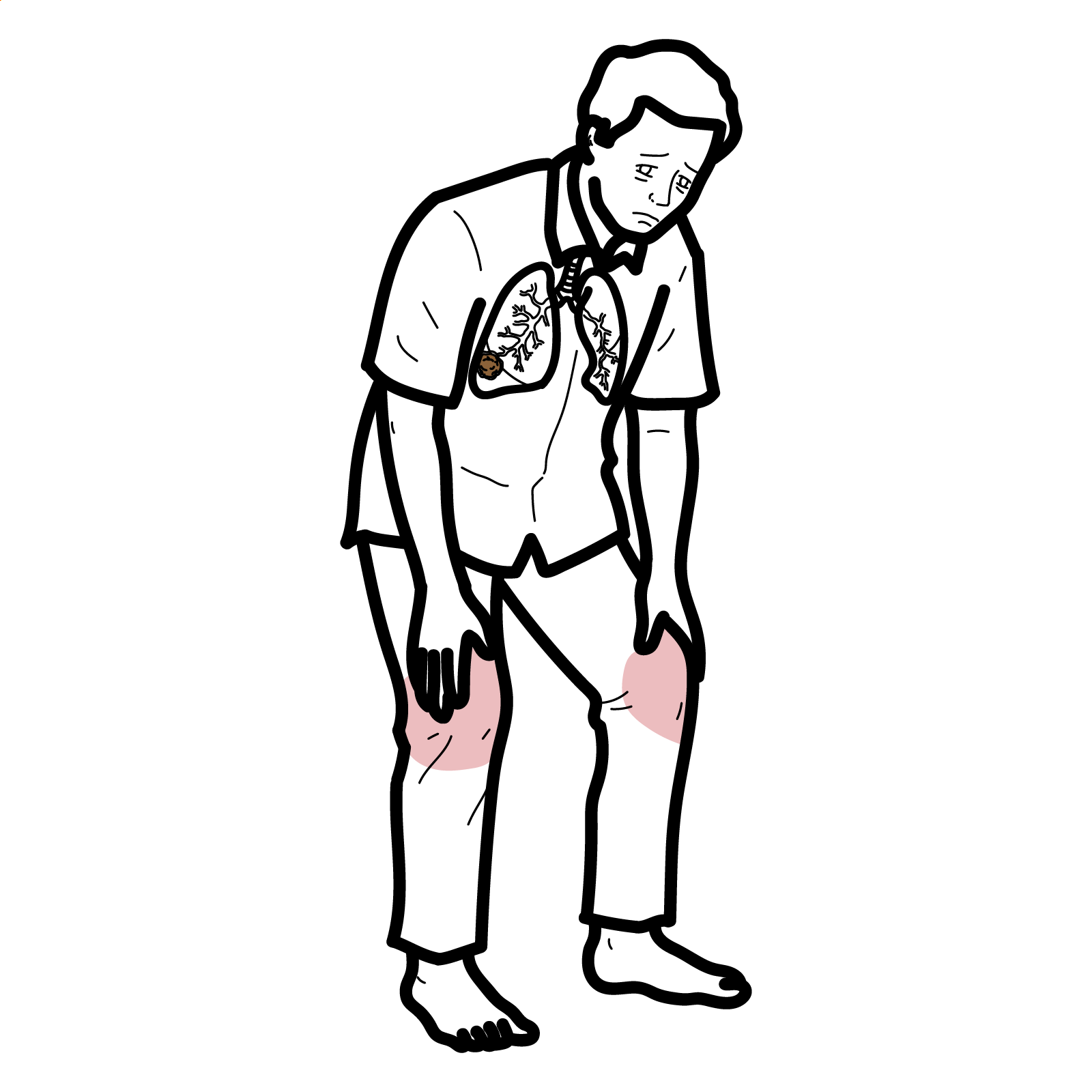
Lambert-Eaton Myasthenic Syndrome
Overview Lambert–Eaton myasthenic syndrome (LEMS) is a rare autoimmune disorder of the presynaptic neuromuscular junction. It causes impaired acetylcholine release, producing the characteristic triad of proximal muscle weakness, reduced reflexes and autonomic dysfunction. LEMS may occur as a paraneoplastic syndrome—most commonly associated with small-cell lung cancer (SCLC)—or as a non-tumour-associated autoimmune disorder. Neuromuscular junction: connection…
View this topic ↗About Visualising Medicine
Good education does not remove complexity. It makes complexity feel simple.
Visualising Medicine is the team behind Armando Hasudungan. We bring together medicine, illustration, writing and technology to make difficult ideas clearer—and build better ways for learners to use them.