

Visual explanationFree resource
Visual medical education by Armando Hasudungan
Medical science, drawn into focus.
Explore visual explanations that reveal how the facts, processes and clinical patterns fit together—then discover the coming AH study platform, built to guide what you study next and check what stuck.
Connected studyComing soon
Clear visual explanations used by medical and allied-health learners around the world.
Explore the free library
Start with the topic in front of you.
Browse by subject or jump straight into the explanation you need. No account required.
Umbilical Hernia
Overview Umbilical hernias are one of the most common surgical conditions in infants and children. In infantile umbilical hernia there is a pathological failure of obliteration of umbilical defect. Umbilical hernia can also occur in adults and is usually acquired due to increased intrabdominal pressure due to obesity, pregnancy, ascites. Management is surgery. Hernia: A bulge or protrusion of…
View topic ↗Digoxin Toxicity
75 year old presents to emergency with a 2 day history nausea, vomiting, abdominal pain and diarrhoea. He has not been tolerating oral fluids and is currently confused with a GCS of 14. He has a past medical history of heart failure, atrial fibrillation and chronic kidney injury. He is on digoxin, metoprolol and an…
View topic ↗Adult onset Still's Disease
Overview Adult Onset Still’s Disease (AOSD) is a complex multisystemic autoinflammatory disease characterised by recurrent episodes of spiking fever (> 39–40°C), pink–salmon transient skin rash, and the presence of arthralgia or polyarthritis. First described by Eric Bywaters in 1971 it closely resembles systemic onset juvenile idiopathic arthritis (Still’s disease). retrospective observational study in Japan found…
View topic ↗Mixed Connective Tissue Disease (MCTD)
Overview MCTD is a systemic autoimmune rheumatic disease characterized by overlapping clinical features of systemic lupus erythematosus (SLE), systemic sclerosis (SSc), polymyositis, with rheumatoid arthritis with high titres of anti-U1 RNP antibodies. It typically affects women aged 20–40 years. Prevalence is estimated at 3.8 per 100,000; more common in females (F:M ~9:1). The disease course…
View topic ↗Osteomalacia / Rickets
Overview Osteomalacia (adults) and rickets (children) are disorders of impaired bone mineralisation leading to soft, poorly mineralised bone. It arises when there is insufficient calcium–phosphate supply to the mineralising matrix due to vitamin D deficiency, calcium deficiency, phosphate deficiency (often FGF23-mediated). Nutritional rickets still occurs worldwide, while hypophosphataemic forms (e.g., XLH, tumour-induced osteomalacia) are rarer…
View topic ↗Pregnancy (not a disease)
Overview Pregnancy – Overview Physiological Changes in Pregnancy Uterus, Vagina and Breast Physiology changes Uterus (Cervix + Isthmus + Body of uterus) Muscle hypertrophy til 20weeks then stretching till term. Uterine and ovarian arteries undergo hypertrophy Cervix Reduced collagen → allows dilatation Hypertrophy of cervical glands → thick mucus plug Uterine body ↑size, shape, shape and consitency Increases…
View topic ↗Polycystic Kidney Disease
Overview The polycystic kidney diseases are among the most common life-threatening inherited diseases worldwide and frequently cause kidney failure. Autosomal dominant polycystic kidney disease (ADPKD) is seen predominantly in adults, whereas autosomal recessive polycystic kidney disease (ARPKD) is mainly a disease of childhood. For ADPKD, screening asymptomatic at-risk adults with a family history by ultrasound…
View topic ↗Full resource library
Browse all topics ↗Choose how you learn
One idea. More than one way to see it.
Use the format that helps the topic click, then switch formats when you need to reinforce it.
01 / WATCH02 / READ03 / SEE04 / CHECK
Videos
Hand-drawn explanations that build the big picture as the concept unfolds.
Notes
Clear written explanations for review, reference and filling in the details.
Diagrams
Visual snapshots that help you easily review topics.
Questions
Test whether the explanation stayed with you—not just whether it looked familiar.
Good places to begin
Explanations learners return to.
Art Competition!
Join the community: Create an account on our website: https://armandoh.org/ YouTube membership: https://www.youtube.com/channel/UCesNt4_Z-Pm41RzpAClfVcg/join Support me: ️ Buy PDFs: https://armandoh.org/shop Patreon: http://www.patreon.com/armando Buy shirts: https://teespring.com/stores/ah-7 Social media: Instagram: http://instagram.com/armandohasudungan Twitter: https://twitter.com/armandohasudung Facebook: https://www.facebook.com/ArmandoHasudungan Resources: Books: https://armandoh.org/resource ️ Equipment: armandoh.org/armando-faigl
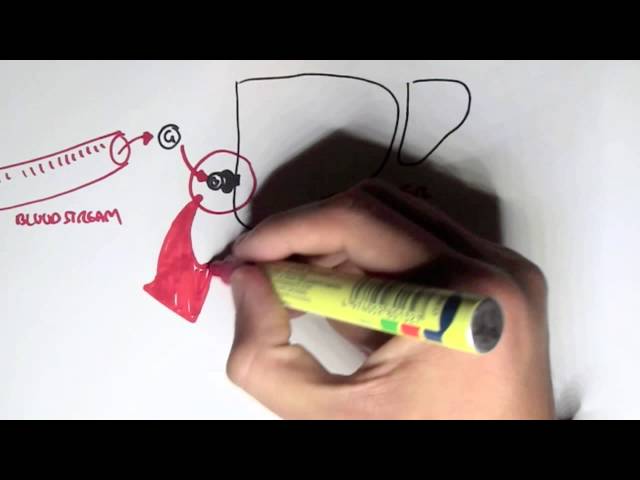
Endocrinology – Glucagon
Learn the key functions of glucagon in glucose metabolism, including its role in glycogenolysis, gluconeogenesis, and ketogenesis. This educational video highlights how glucagon maintains blood sugar during fasting, with clinical insights relevant to diabetes and endocrine physiology.
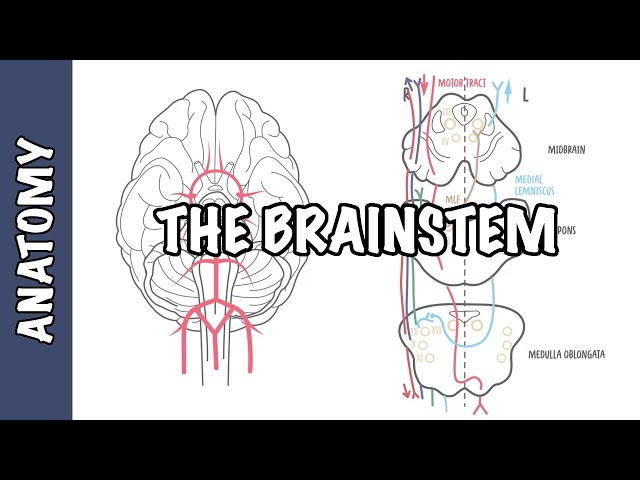
The Brainstem Clinical Anatomy – Rule of 4's, midbrain, medulla, pons
Learn the clinical anatomy of the brainstem using the Rule of 4’s to simplify the organization of key cranial nerve nuclei and tracts. This video breaks down the structures and functions of the midbrain, pons, and medulla, and explains how lesions at each level present clinically.
Our mission
Medical science is complex. Understanding it should feel possible.
Armando Hasudungan turns difficult medical science into clear visual explanations and connected learning experiences—so learners can see the whole picture, remember what matters and find a clearer way forward.
See it clearly
Turn abstract processes and invisible relationships into something the learner can picture.
Connect the pieces
Build understanding around how concepts fit together—not a pile of isolated facts.
Make it useful
Help learners move from explanation to recall, revision and the next logical step.
What clarity feels like
When the topic stops being a blur.
Learners do not come back because the subject became easy. They come back because the explanation gave them a picture they could work with.
“Armando's teaching style gives me the foundational knowledge.
Jessica Payne-Burnett
Medical Student, Charles Sturt University
“The notes I make during his videos help me retain everything better.
Ayesha RaiStudent, Islamabad Medical and Dental College
“The drawings are amazing and super easy to remember.
Reem Mohamed Khair Abdalrazig
Student, Neelain University
Coming soon: the AH study platform
The explanation is only the start.
The free library helps you find a clear explanation. The AH platform is being built to help you connect the resources, follow a clearer path and check what actually stuck.
- Watch in a focused, ad-free study environment.
- Move between connected videos, notes, diagrams and questions.
- Know what belongs next instead of rebuilding the study path yourself.
- Test your understanding while the topic is still fresh.
New and worth a look
Keep building the picture.
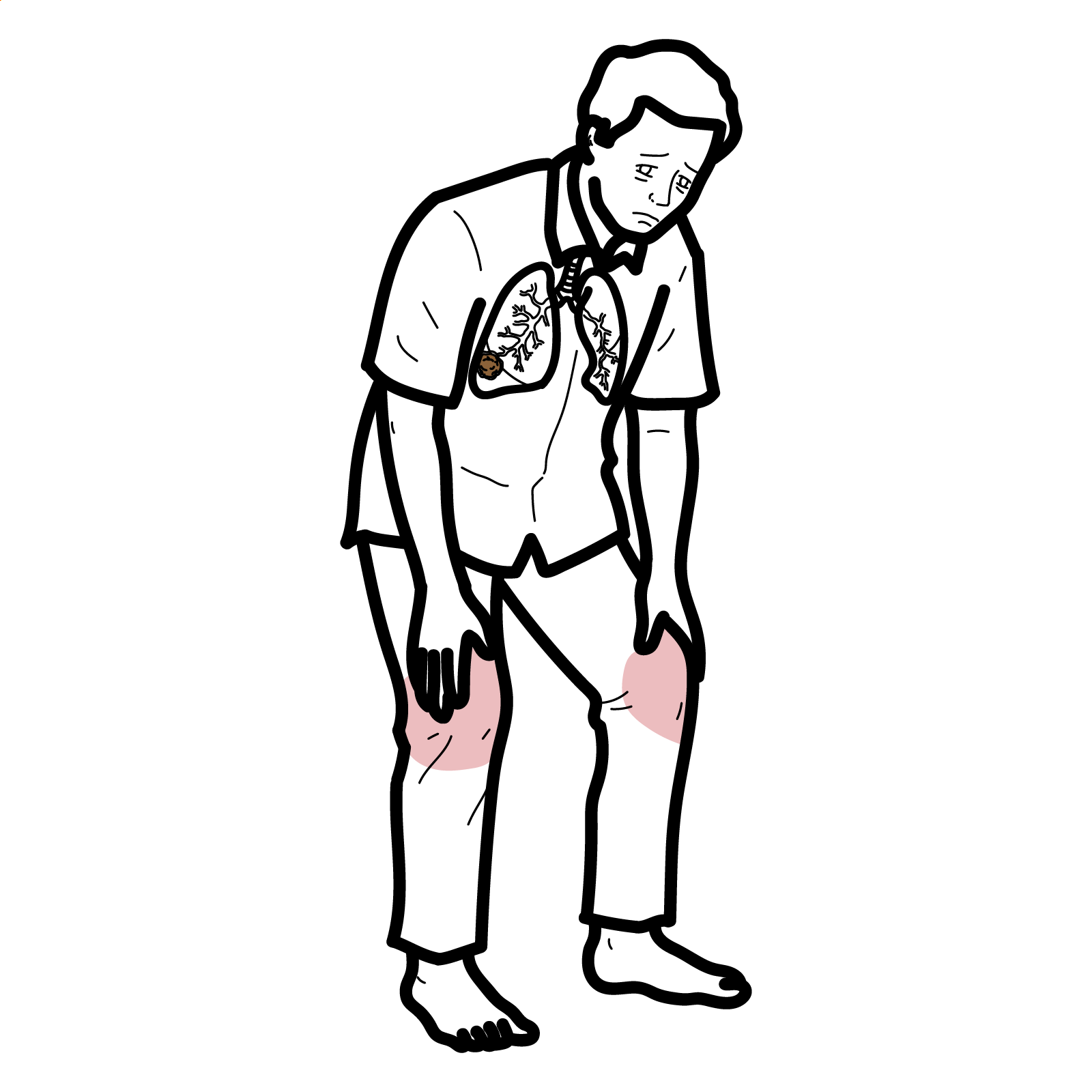
Lambert-Eaton Myasthenic Syndrome
Overview Lambert–Eaton myasthenic syndrome (LEMS) is a rare autoimmune disorder of the presynaptic neuromuscular junction. It causes impaired acetylcholine release, producing the characteristic triad of proximal muscle weakness, reduced reflexes and autonomic dysfunction. LEMS may occur as a paraneoplastic syndrome—most commonly associated with small-cell lung cancer (SCLC)—or as a non-tumour-associated autoimmune disorder. Neuromuscular junction: connection…
View this topic ↗About Visualising Medicine
Good education does not remove complexity. It makes complexity feel simple.
Visualising Medicine is the team behind Armando Hasudungan. We bring together medicine, illustration, writing and technology to make difficult ideas clearer—and build better ways for learners to use them.