

Visual explanationFree resource
Visual medical education by Armando Hasudungan
Medical science, drawn into focus.
Explore visual explanations that reveal how the facts, processes and clinical patterns fit together—then discover the coming AH study platform, built to guide what you study next and check what stuck.
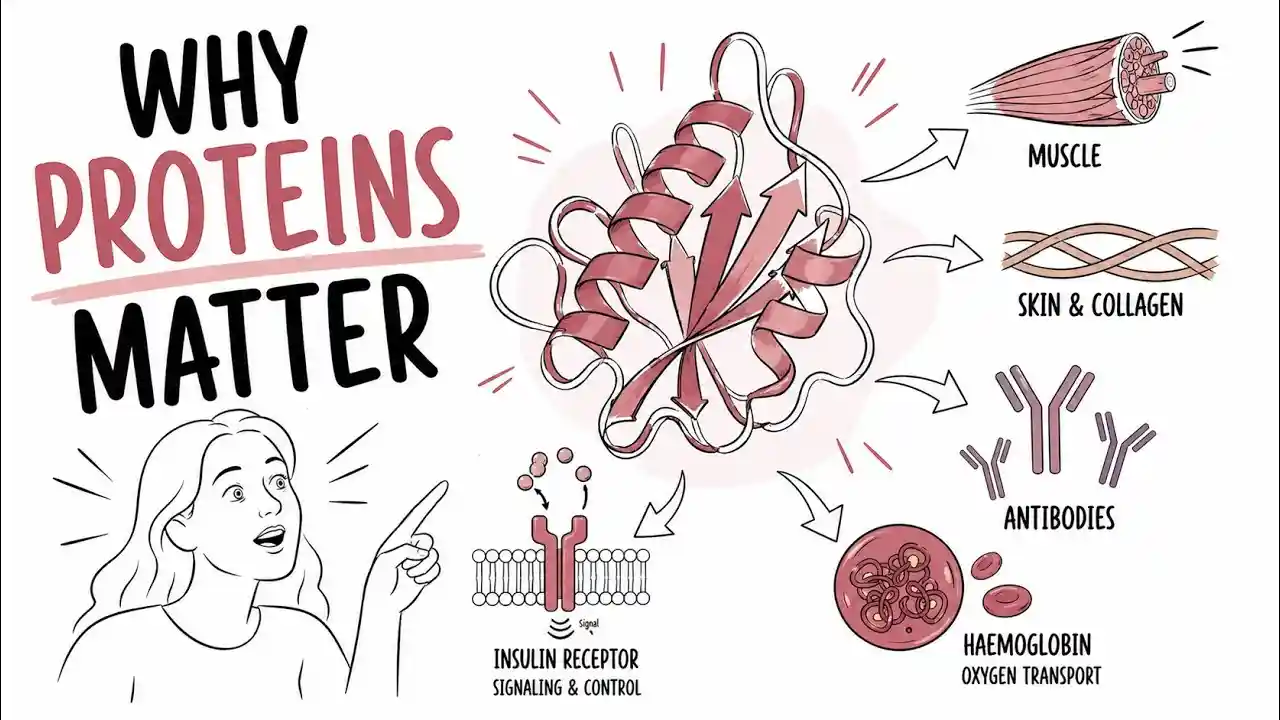
Connected studyComing soon
Clear visual explanations used by medical and allied-health learners around the world.
Explore the free library
Start with the topic in front of you.
Browse by subject or jump straight into the explanation you need. No account required.
Pre-operative Care
Overview Definition Perioperative Management refers to the period of time extending from the day prior to surgical intervention to several days after said intervention. It consists of the preoperative, intraoperative and postoperative period. Patient education Investigation used at surgery Coagulation status (ie. INR <2) Imaging scans for day of surgery Pre-operative care Aims: to provide…
View topic ↗Multiple Sclerosis
"Each patient ought to feel somewhat the better after the physician's visit irrespective of the nature of the illness." -Warfield Theobald Longcope Overview Multiple sclerosis (MS) is defined as an inflammatory demyelinating disease characterised by the presence of episodic neurological dysfunction in at least 2 areas of the CNS (brain, spinal cord, and optic nerves)…
View topic ↗Miscarriage
Overview Miscarriage: Spontaneous abortion, or miscarriage, is defined as a clinically recognized pregnancy loss before the 20th week of gestation. Others define it as expulsion or extraction of an embryo or fetus weighing 500 g or less Abortion: After 20weeks Threatened miscarriage: A pregnancy less than 20 weeks’ gestation associated with vaginal bleeding, generally without cervical dilation.…
View topic ↗Ectopic Pregnancy
Overview Ectopic Pregnancy: A pregnancy in which the fetus develops outside the womb, typically in a fallopian tube. Amenorrhoea: Absence of mentruation. Laproscopy: A surgical procedure in which a fibre-optic instrument is inserted through the abdominal wall to view the organs in the abdomen or permit small-scale surgery. Laparotomy: A surgical incision into the abdominal cavity, for diagnosis…
View topic ↗Otitis Externa
Overview Acute otitis externa (AOE) is a common ear condition seen in the primary health care setting. Also known as ‘swimmer’s ear’ or ‘tropical ear’, it is prevalent in hot humid climates. AOE is an inflammatory condition of the ear canal skin. The causes are infective or non-infective. Otitis externa: Inflammation of the outer ear…
View topic ↗Bipolar Disorder
Overview Bipolar disorder, previously termed manic depression, is a psychiatric diagnosis characterised by abnormally elevated or irritable mood episode(s) accompanied by disruptive symptoms of distractibility, indiscretions, grandiosity, flight of ideas, hyperactivity, decreased need for sleep, and talkativeness. It is well known that bipolar disorder carries with it high mortality and morbidity rates. The lifetime risk…
View topic ↗Renal Cell Carcinoma
Overview Renal cell carcinomas (originate within the renal cortex) are responsible for 85% of all primary renal neoplasms. Transitional cell carcinomas of the renal pelvis are the next most common (~8%). Renal medullary carcinoma is a rare form of RCC seen in sickle cell disease. The most common pathological type of renal cell carcinoma is clear cell…
View topic ↗Full resource library
Browse all topics ↗Choose how you learn
One idea. More than one way to see it.
Use the format that helps the topic click, then switch formats when you need to reinforce it.
01 / WATCH02 / READ03 / SEE04 / CHECK
Videos
Hand-drawn explanations that build the big picture as the concept unfolds.
Notes
Clear written explanations for review, reference and filling in the details.
Diagrams
Visual snapshots that help you easily review topics.
Questions
Test whether the explanation stayed with you—not just whether it looked familiar.
Good places to begin
Explanations learners return to.
DiGeorge and Job syndrome – well-defined immunodeficiencies
George syndrome (22q11.2 deletion) and Job syndrome (hyper-IgE) explained with clear clinical signs and immune defects. Learn how these well-defined genetic syndromes cause recurrent infections, immune dysfunction, and characteristic physical findings. This video breaks down DiGeorge syndrome’s pharyngeal pouch failure from chromosome 22 microdeletion—remember “catch 22”—and its CATCH-22 features: cardiac defects, abnormal facies, thymic hypoplasia,…
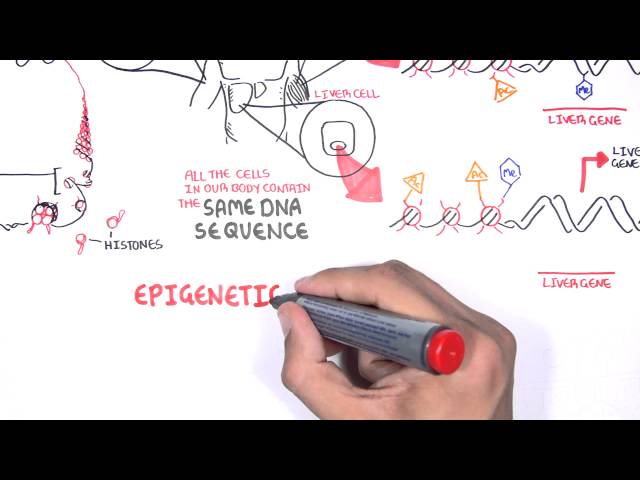
Epigenetics – An Introduction
This sketch video about epigenetics was created by Armando Hasudungan, in collaboration with Professor Susan Clark and Dr Kate Patterson at the Garvan Institute of Medical Research. It has been created for a broad, non-expert audience to highlight key messages about the role epigenetics plays in biological processes like development and diseases such as cancer.
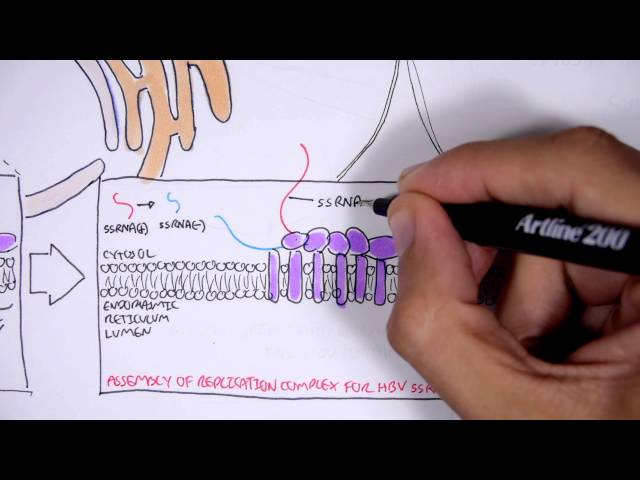
Hepatitis C virus life cycle – Molecular mechanism
Learn about the Hepatitis C virus, including its structure, transmission, and how it targets the liver to cause chronic infection. This video explains the viral life cycle, immune evasion strategies, and the clinical implications of Hepatitis C infection.
Our mission
Medical science is complex. Understanding it should feel possible.
Armando Hasudungan turns difficult medical science into clear visual explanations and connected learning experiences—so learners can see the whole picture, remember what matters and find a clearer way forward.
See it clearly
Turn abstract processes and invisible relationships into something the learner can picture.
Connect the pieces
Build understanding around how concepts fit together—not a pile of isolated facts.
Make it useful
Help learners move from explanation to recall, revision and the next logical step.
What clarity feels like
When the topic stops being a blur.
Learners do not come back because the subject became easy. They come back because the explanation gave them a picture they could work with.
“Armando's teaching style gives me the foundational knowledge.
Jessica Payne-Burnett
Medical Student, Charles Sturt University
“The notes I make during his videos help me retain everything better.
Ayesha RaiStudent, Islamabad Medical and Dental College
“The drawings are amazing and super easy to remember.
Reem Mohamed Khair Abdalrazig
Student, Neelain University
Coming soon: the AH study platform
The explanation is only the start.
The free library helps you find a clear explanation. The AH platform is being built to help you connect the resources, follow a clearer path and check what actually stuck.
- Watch in a focused, ad-free study environment.
- Move between connected videos, notes, diagrams and questions.
- Know what belongs next instead of rebuilding the study path yourself.
- Test your understanding while the topic is still fresh.
New and worth a look
Keep building the picture.
Lambert-Eaton Myasthenic Syndrome
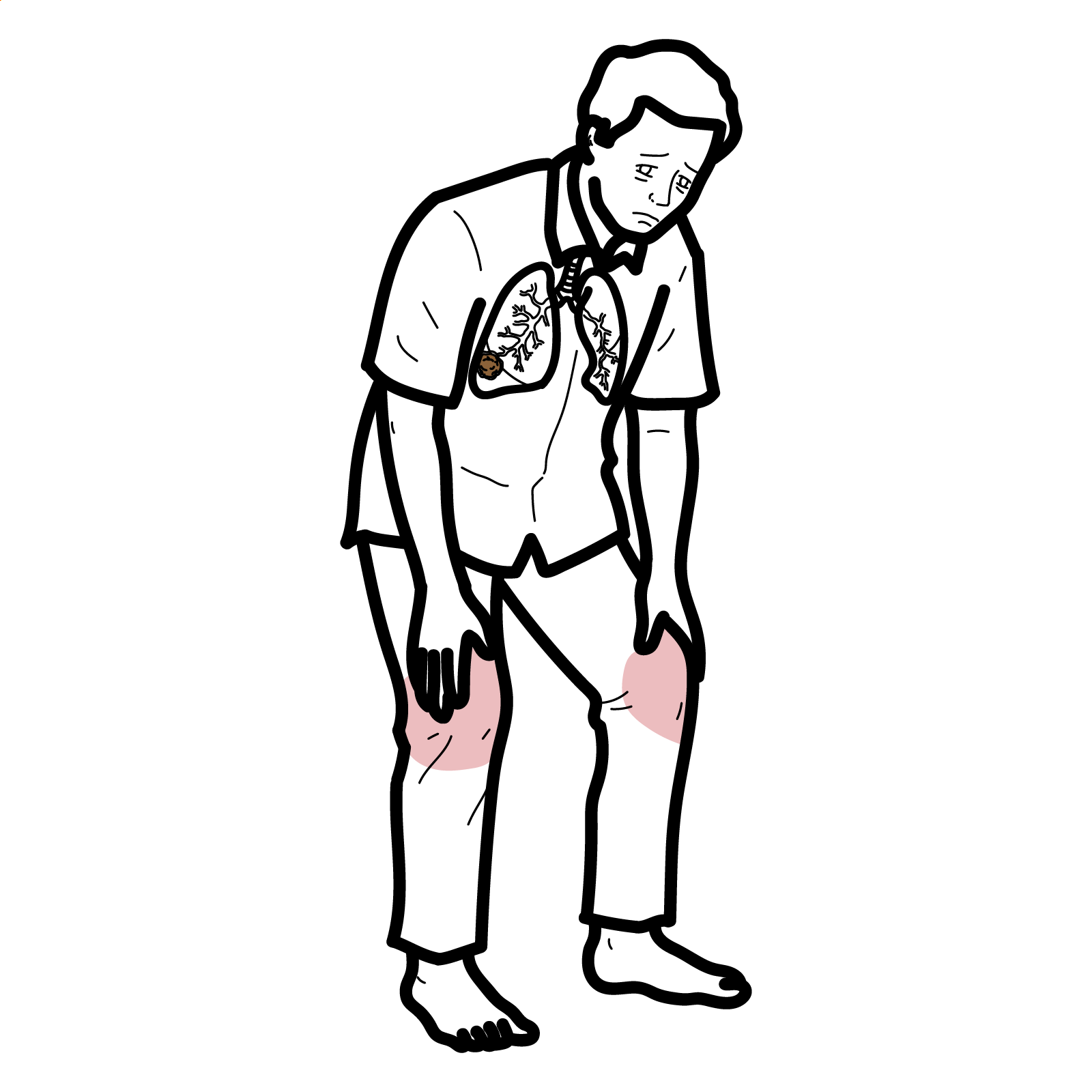
Overview Lambert–Eaton myasthenic syndrome (LEMS) is a rare autoimmune disorder of the presynaptic neuromuscular junction. It causes impaired acetylcholine release, producing the characteristic triad of proximal muscle weakness, reduced reflexes and autonomic dysfunction. LEMS may occur as a paraneoplastic syndrome—most commonly associated with small-cell lung cancer (SCLC)—or as a non-tumour-associated autoimmune disorder. Neuromuscular junction: connection…
View this topic ↗About Visualising Medicine
Good education does not remove complexity. It makes complexity feel simple.
Visualising Medicine is the team behind Armando Hasudungan. We bring together medicine, illustration, writing and technology to make difficult ideas clearer—and build better ways for learners to use them.