

Visual explanationFree resource
Visual medical education by Armando Hasudungan
Medical science, drawn into focus.
Explore visual explanations that reveal how the facts, processes and clinical patterns fit together—then discover the coming AH study platform, built to guide what you study next and check what stuck.
Connected studyComing soon
Clear visual explanations used by medical and allied-health learners around the world.
Explore the free library
Start with the topic in front of you.
Browse by subject or jump straight into the explanation you need. No account required.
Junctional Arrythmias
Overview Junctional rhythms occur when the AV node takes over as the primary pacemaker. Junctional rhythm usually is associated with a benign course. Mechanism SA node has failed AV node just wants to be faster and takes over Enhanced automaticity in AV nodal cells AVNRT – Seperate condition where a re-entry loop stimulates the AV node…
View topic ↗Meniscal Tear
Overview Medial and lateral knee joint menisci serve to transfer load and absorb shock, aid joint stability and provide lubrication. The meniscus is the most commonly injured structure in the knee joint. Acute tears occurs after axial loading combined with rotation. People may complain of a sensation of clicking or catching of the knee with…
View topic ↗Hepatocellular Carcinoma
Overview Hepatocellular carcinoma (also known as hepatoma ) is a primary cancer arising from hepatocytes in predominantly cirrhotic liver. Hepatocellular carcinoma is a leading cause of death worldwide, and cirrhosis is the main risk factor. Infection with hepatitis B and hepatitis C is the main cause of underlying liver disease. Prevention of chronic liver disease would greatly reduce…
View topic ↗Hydrocephalus
Overview Hydrocephalus is excessive accumulation of CSF in the cerebral ventricles. In children, look for increasing head circumference, increased intracranial pressure, a bulging fontanelle, scalp vein engorgement, and paralysis of upward gaze. The most common causes include: Congenital malformations Tumors Inflammation (i.e hemorrhage, meningitis). Treat the underlying cause, if possible; otherwise a surgical shunt is created…
View topic ↗Antiphospholipid Syndrome (APS)
Overview Antiphospholipid Syndrome (APS) is an acquired autoimmune thrombophilia characterized by recurrent venous or arterial thromboses and/or pregnancy morbidity in the presence of persistent antiphospholipid antibodies (aPL). APS may occur as a primary condition or secondary to systemic lupus erythematosus (SLE). Prevalence of aPL in the general population is ~2%, but true APS is rare…
View topic ↗Shoulder Impingement Syndrome (Subacromial Pain Syndrome)
Overview Shoulder impingement syndrome, now more commonly referred to as subacromial pain syndrome (SAPS) , is one of the most frequent causes of shoulder pain. It accounts for ~40–65% of shoulder complaints in primary care and sports medicine settings. It occurs due to mechanical compression of the rotator cuff tendons (most commonly supraspinatus) and subacromial…
View topic ↗Knee Osteoarthritis (KOA)
Overview Knee osteoarthritis is a chronic, whole-joint disorder characterized by pain, stiffness, functional limitation and progressive structural change affecting cartilage, subchondral bone, synovium, menisci, ligaments and peri-articular muscles. Prevalence rises with age and obesity and contributes substantially to global disability; recent GBD analyses and reviews highlight knee OA as a leading cause of pain and…
View topic ↗Full resource library
Browse all topics ↗Choose how you learn
One idea. More than one way to see it.
Use the format that helps the topic click, then switch formats when you need to reinforce it.
01 / WATCH02 / READ03 / SEE04 / CHECK
Videos
Hand-drawn explanations that build the big picture as the concept unfolds.
Notes
Clear written explanations for review, reference and filling in the details.
Diagrams
Visual snapshots that help you easily review topics.
Questions
Test whether the explanation stayed with you—not just whether it looked familiar.
Good places to begin
Explanations learners return to.
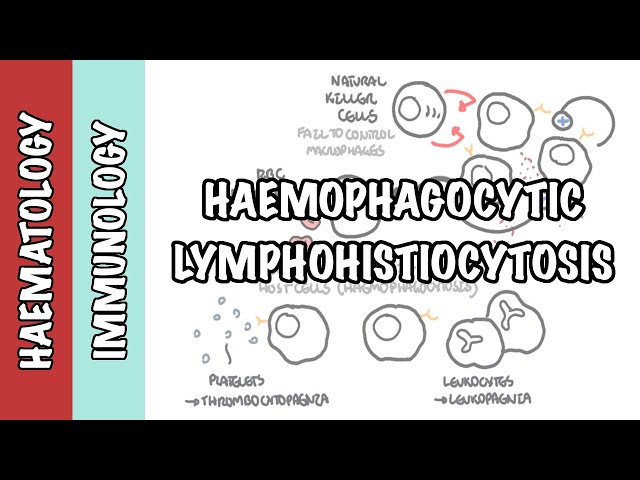
Hemophagocytic lymphohistiocytosis – pathophysiology and causes
Hemophagocytic lymphohistiocytosis (HLH) explained: learn causes, signs, tests, and life-saving treatments. This video breaks down HLH, a hyperinflammatory syndrome where overactive macrophages and cytotoxic T/NK cells trigger a cytokine storm that can destroy tissues and cause multi-organ failure. You’ll learn the difference between primary (hereditary perforin/granzyme defects) and secondary HLH (triggered by infections like EBV,…
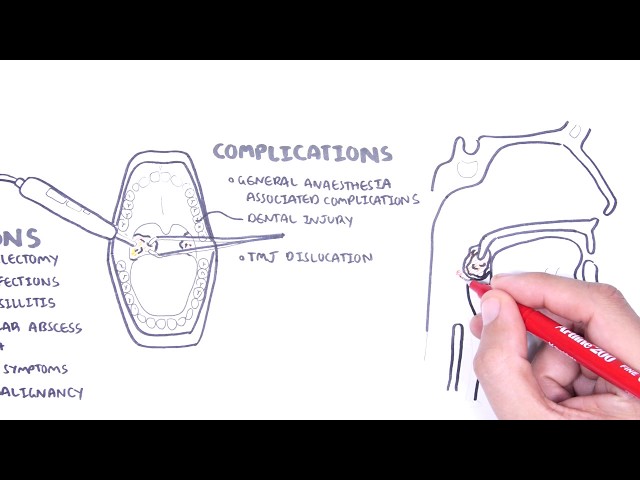
Acute Tonsillitis – causes (viral, bacterial), pathophysiology, treatment, tonsillectomy
Learn about acute tonsillitis, an inflammation of the tonsils often caused by viral or bacterial infections like Streptococcus. This video explains the pathophysiology, key symptoms, treatment options, and indications for tonsillectomy in recurrent or severe cases.
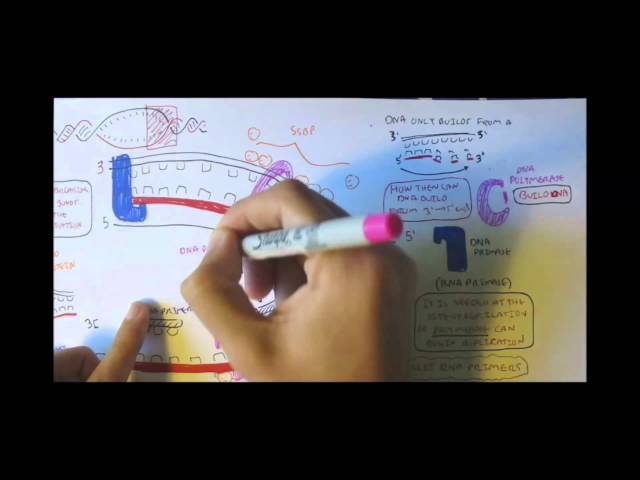
DNA replication
Learn the essentials of DNA Replication in this video, covering key enzymes like helicase, DNA polymerase, and ligase. Perfect for exam prep, this video breaks down the steps of replication with clear visuals and simplified explanations.
Our mission
Medical science is complex. Understanding it should feel possible.
Armando Hasudungan turns difficult medical science into clear visual explanations and connected learning experiences—so learners can see the whole picture, remember what matters and find a clearer way forward.
See it clearly
Turn abstract processes and invisible relationships into something the learner can picture.
Connect the pieces
Build understanding around how concepts fit together—not a pile of isolated facts.
Make it useful
Help learners move from explanation to recall, revision and the next logical step.
What clarity feels like
When the topic stops being a blur.
Learners do not come back because the subject became easy. They come back because the explanation gave them a picture they could work with.
“Armando's teaching style gives me the foundational knowledge.
Jessica Payne-Burnett
Medical Student, Charles Sturt University
“The notes I make during his videos help me retain everything better.
Ayesha RaiStudent, Islamabad Medical and Dental College
“The drawings are amazing and super easy to remember.
Reem Mohamed Khair Abdalrazig
Student, Neelain University
Coming soon: the AH study platform
The explanation is only the start.
The free library helps you find a clear explanation. The AH platform is being built to help you connect the resources, follow a clearer path and check what actually stuck.
- Watch in a focused, ad-free study environment.
- Move between connected videos, notes, diagrams and questions.
- Know what belongs next instead of rebuilding the study path yourself.
- Test your understanding while the topic is still fresh.
New and worth a look
Keep building the picture.
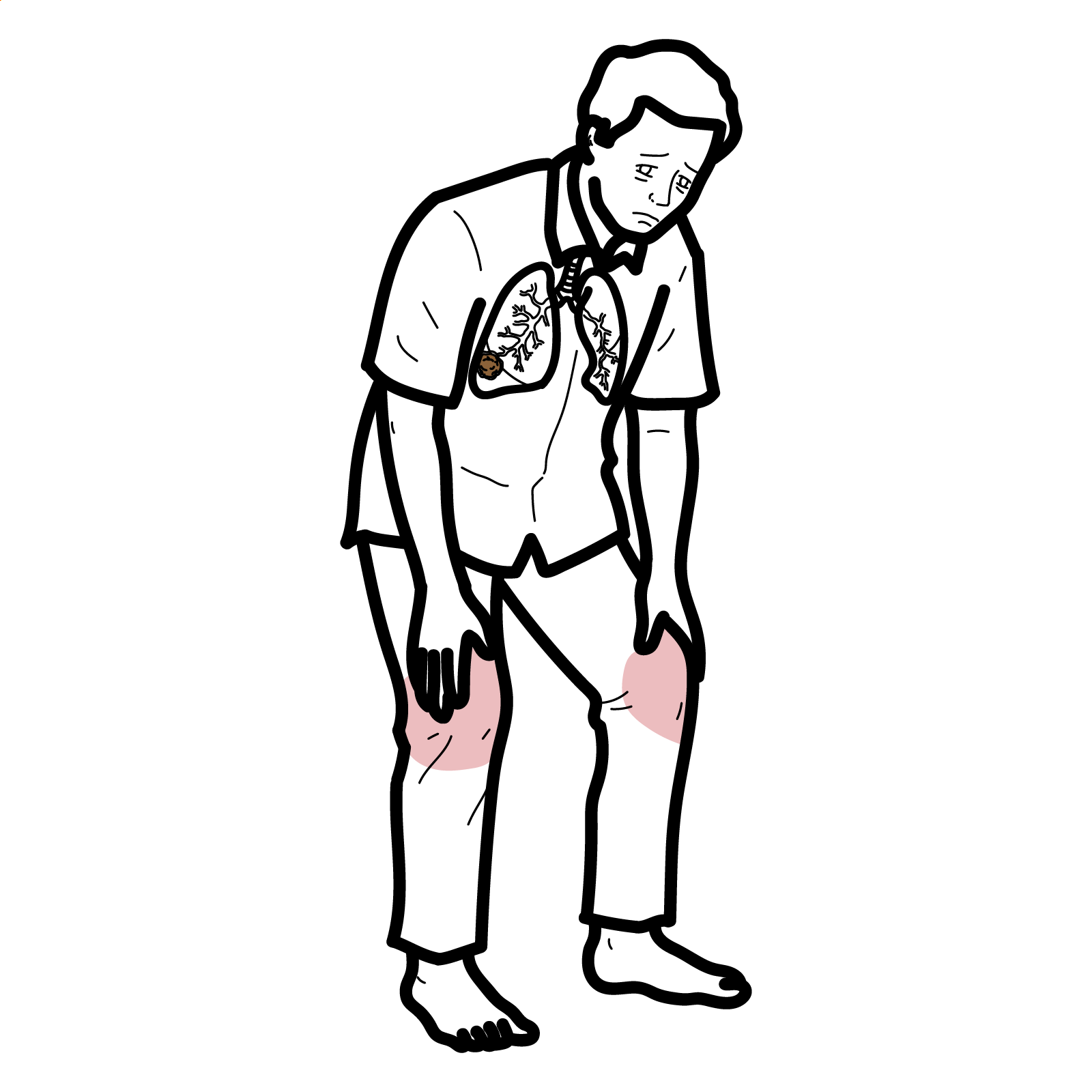
Lambert-Eaton Myasthenic Syndrome
Overview Lambert–Eaton myasthenic syndrome (LEMS) is a rare autoimmune disorder of the presynaptic neuromuscular junction. It causes impaired acetylcholine release, producing the characteristic triad of proximal muscle weakness, reduced reflexes and autonomic dysfunction. LEMS may occur as a paraneoplastic syndrome—most commonly associated with small-cell lung cancer (SCLC)—or as a non-tumour-associated autoimmune disorder. Neuromuscular junction: connection…
View this topic ↗About Visualising Medicine
Good education does not remove complexity. It makes complexity feel simple.
Visualising Medicine is the team behind Armando Hasudungan. We bring together medicine, illustration, writing and technology to make difficult ideas clearer—and build better ways for learners to use them.