

Visual explanationFree resource
Visual medical education by Armando Hasudungan
Medical science, drawn into focus.
Explore visual explanations that reveal how the facts, processes and clinical patterns fit together—then discover the coming AH study platform, built to guide what you study next and check what stuck.
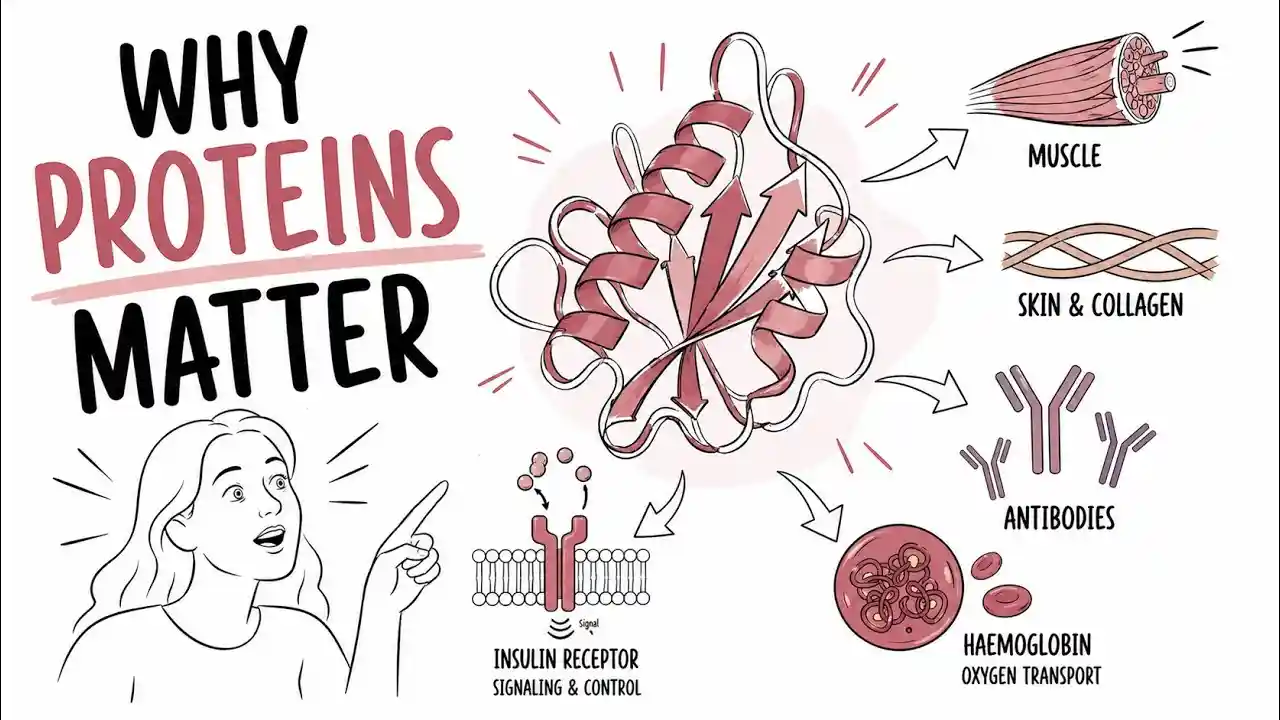
Connected studyComing soon
Clear visual explanations used by medical and allied-health learners around the world.
Explore the free library
Start with the topic in front of you.
Browse by subject or jump straight into the explanation you need. No account required.
Rheumatoid Arthritis-Associated Interstitial Lung Disease (RA-ILD)
Overview Rheumatoid arthritis-associated interstitial lung disease (RA-ILD) is a serious extra-articular manifestation of RA, affecting up to 10% of RA patients clinically, though subclinical involvement may be present in up to 60% on HRCT. It typically presents in the 5th–6th decade, with a male predominance and is a leading cause of RA-related mortality. The most…
View topic ↗Polycystic Ovarian Syndrome
Overview Polycystic ovary syndrome is a common, lifelong condition that appears to be increasing in prevalence with increasing obesity, and is more common in Indigenous and southeast Asian women. PCOS is the presence of multiple follicular cysts in the ovaries (>12 cysts). PCOS results in hormonal imbalance resulting in the associated signs and symptoms (ie.…
View topic ↗Acute Appendicitis
Overview Acute appendicitis is an acute inflammation of the vermiform (worm-like) appendix. It is mainly caused by obstruction of the lumen of the appendix by stool, infective agents or lymphoid hyperplasia. Acute appendicits is the most common abdominal surgical emergency in the world, with a lifetime risk of 6.9% in females and 8.6% in males.…
View topic ↗Urinary Tract Infection (Children)
Overview Urinary Tract infections (UTIs) in children are common and usually carry low risk. UTIs are often non-specific and can not be diagnosed on symptoms alone. A clean specimen (urine) is required for the diagnosis of UTI. Any child who is unwell, and most children under 6 months, should be admitted for IV antibiotics. The…
View topic ↗Aortic Stenosis
Overview Aortic valve stenosis is characterised by obstruction of left ventricular outflow, resulting in inadequate cardiac output, decreased exercise capacity, heart failure, and death from cardiovascular causes. Mild to moderate aortic stenosis is usually a symptomatic, but occasionally can be found on routine examination Locations of stenosis – Valvular (common), supravalvular and subvalvular Aortic Stenosis…
View topic ↗Hydrocephalus
Overview Hydrocephalus is excessive accumulation of CSF in the cerebral ventricles. In children, look for increasing head circumference, increased intracranial pressure, a bulging fontanelle, scalp vein engorgement, and paralysis of upward gaze. The most common causes include: Congenital malformations Tumors Inflammation (i.e hemorrhage, meningitis). Treat the underlying cause, if possible; otherwise a surgical shunt is created…
View topic ↗Acute Coronary Syndrome
Overview Coronary artery obstruction or rupture can result in a variety of ischaemic condition which fall under the term of acute coronary syndrome. This does not include stable angina. Ischaemic heart disease is the leading cause of death world wide. The mortality of myocardial infarction is believed to be 45% with 70% of these deaths…
View topic ↗Full resource library
Browse all topics ↗Choose how you learn
One idea. More than one way to see it.
Use the format that helps the topic click, then switch formats when you need to reinforce it.
01 / WATCH02 / READ03 / SEE04 / CHECK
Videos
Hand-drawn explanations that build the big picture as the concept unfolds.
Notes
Clear written explanations for review, reference and filling in the details.
Diagrams
Visual snapshots that help you easily review topics.
Questions
Test whether the explanation stayed with you—not just whether it looked familiar.
Good places to begin
Explanations learners return to.
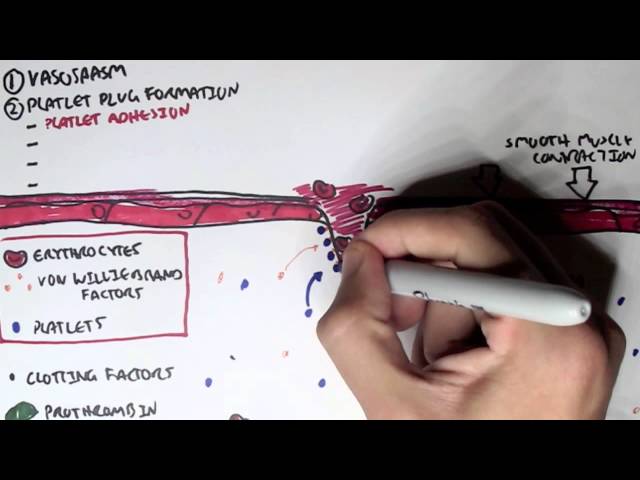
Haemostasis (Hemostasis)
Learn the key steps of hemostasis, including vascular spasm, platelet plug formation, and the coagulation cascade in this educational medical video. Understand how the body prevents and controls bleeding, with clinical insights into clotting disorders and anticoagulant therapy.
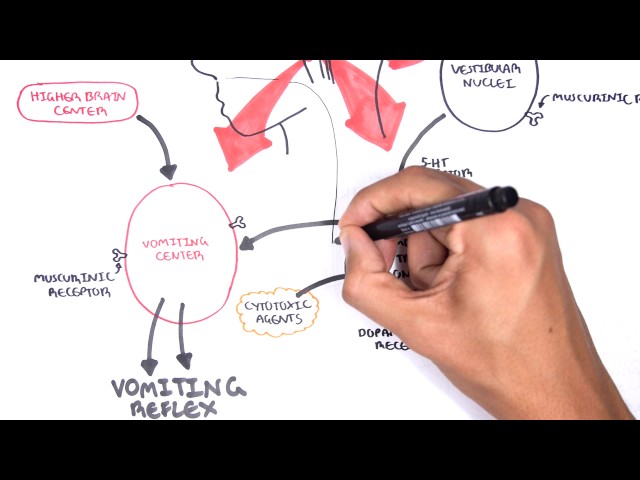
Physiology of Vomiting – Vomiting reflex (NEW)
Explore the physiology behind vomiting, including the roles of the vomiting center, chemoreceptor trigger zone, and afferent inputs. This video breaks down the vomiting reflex arc and key pathways involved in nausea and emesis for high-yield exam prep.
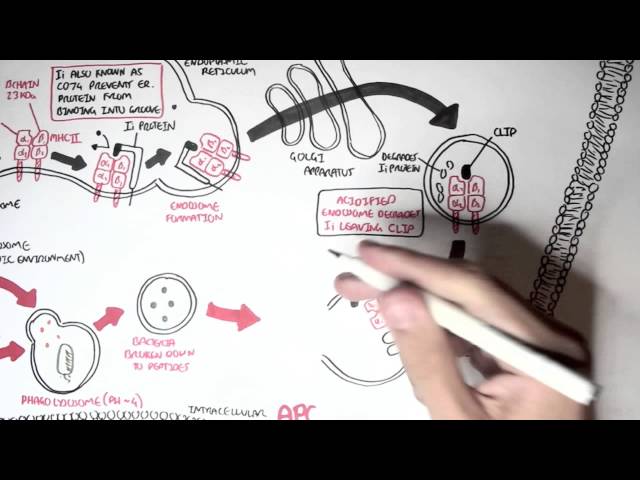
MHC class II processing – antigen presentation mechanism
Learn how MHC II molecules present extracellular antigens to helper T cells, playing a key role in activating adaptive immune responses. This video explains the antigen processing steps, including endocytosis, peptide loading in endosomes, and the involvement of the invariant chain and HLA-DM.
Our mission
Medical science is complex. Understanding it should feel possible.
Armando Hasudungan turns difficult medical science into clear visual explanations and connected learning experiences—so learners can see the whole picture, remember what matters and find a clearer way forward.
See it clearly
Turn abstract processes and invisible relationships into something the learner can picture.
Connect the pieces
Build understanding around how concepts fit together—not a pile of isolated facts.
Make it useful
Help learners move from explanation to recall, revision and the next logical step.
What clarity feels like
When the topic stops being a blur.
Learners do not come back because the subject became easy. They come back because the explanation gave them a picture they could work with.
“Armando's teaching style gives me the foundational knowledge.
Jessica Payne-Burnett
Medical Student, Charles Sturt University
“The notes I make during his videos help me retain everything better.
Ayesha RaiStudent, Islamabad Medical and Dental College
“The drawings are amazing and super easy to remember.
Reem Mohamed Khair Abdalrazig
Student, Neelain University
Coming soon: the AH study platform
The explanation is only the start.
The free library helps you find a clear explanation. The AH platform is being built to help you connect the resources, follow a clearer path and check what actually stuck.
- Watch in a focused, ad-free study environment.
- Move between connected videos, notes, diagrams and questions.
- Know what belongs next instead of rebuilding the study path yourself.
- Test your understanding while the topic is still fresh.
New and worth a look
Keep building the picture.
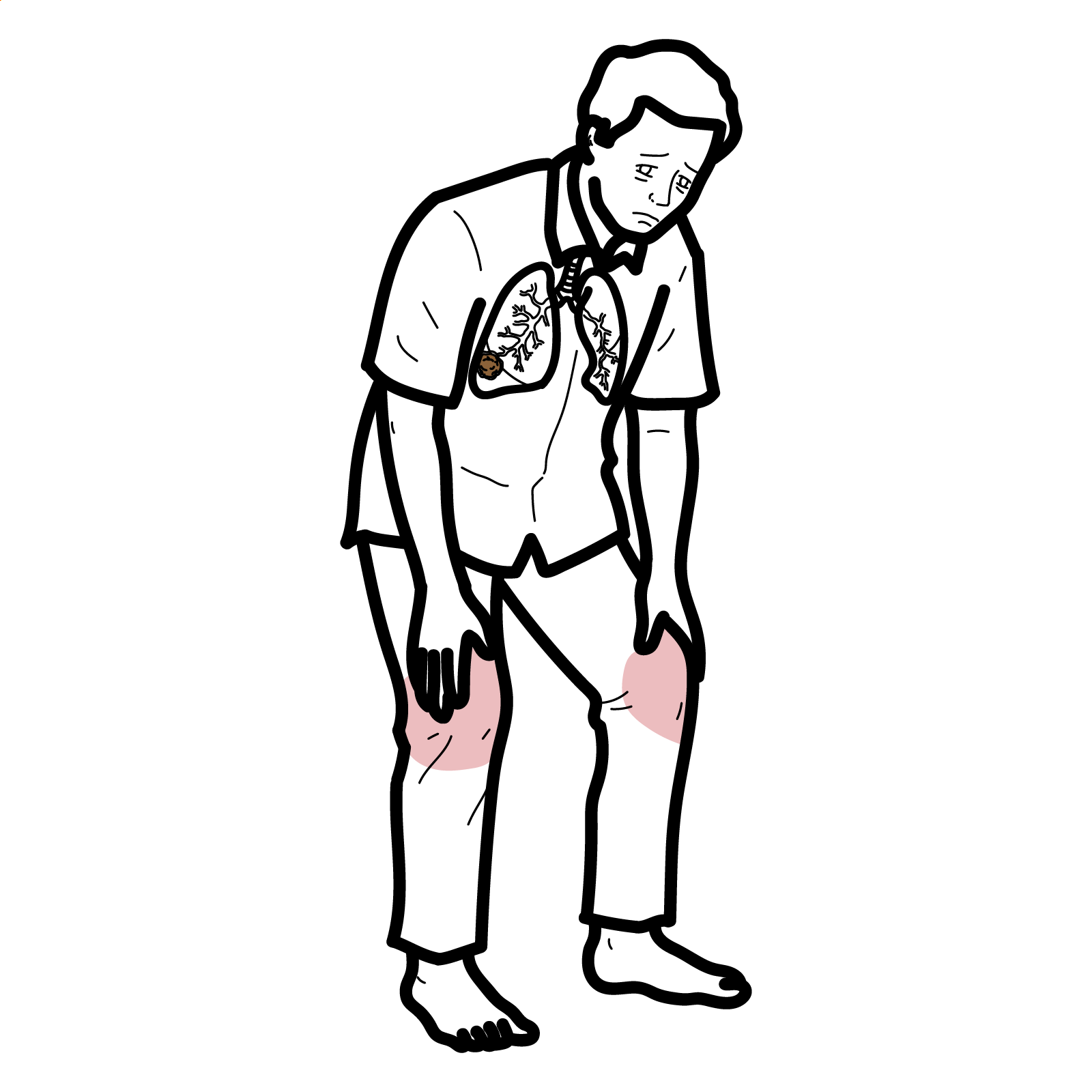
Lambert-Eaton Myasthenic Syndrome
Overview Lambert–Eaton myasthenic syndrome (LEMS) is a rare autoimmune disorder of the presynaptic neuromuscular junction. It causes impaired acetylcholine release, producing the characteristic triad of proximal muscle weakness, reduced reflexes and autonomic dysfunction. LEMS may occur as a paraneoplastic syndrome—most commonly associated with small-cell lung cancer (SCLC)—or as a non-tumour-associated autoimmune disorder. Neuromuscular junction: connection…
View this topic ↗About Visualising Medicine
Good education does not remove complexity. It makes complexity feel simple.
Visualising Medicine is the team behind Armando Hasudungan. We bring together medicine, illustration, writing and technology to make difficult ideas clearer—and build better ways for learners to use them.