

Visual explanationFree resource
Visual medical education by Armando Hasudungan
Medical science, drawn into focus.
Explore visual explanations that reveal how the facts, processes and clinical patterns fit together—then discover the coming AH study platform, built to guide what you study next and check what stuck.
Connected studyComing soon
Clear visual explanations used by medical and allied-health learners around the world.
Explore the free library
Start with the topic in front of you.
Browse by subject or jump straight into the explanation you need. No account required.
Post‑splenectomy Immunodeficiency
Overview Post‑splenectomy immunodeficiency refers to the increased susceptibility to infection following removal (or functional loss) of the spleen. The spleen plays a critical role in filtering bloodborne pathogens, especially encapsulated bacteria, and in mounting both innate and adaptive immune responses. Loss of splenic function leads to impaired opsonisation, reduced IgM production, and defective clearance of…
View topic ↗Chronic Spontaneous Urticaria +/- angioedema
Overview Chronic spontaneous urticaria (CSU) is a mast-cell–driven skin disorder defined by recurrent wheals (hives), angioedema, or both for >6 weeks without a specific external trigger , with a point prevalence around 0.5–1% and a female predominance; median disease duration is ~2–5 years, but a subset persists longer and markedly impairs quality of life and…
View topic ↗Inguinal Hernia
Overview Higher incidence among men 40 to 59 years of age. Although there are many different types of hernias, they are usually related to the abdomen, with approximately 75% of all hernias occurring in the inguinal region. Hernia contains omentum (90% of cases) or intestine (10% of cases). Inguinal hernias are at risk of irreducibility or incarceration, which…
View topic ↗Pertussis
Author Megan Miner Armando Faigl Overview Pertussis, also known as “whooping cough”, is a contagious, acute respiratory infection caused by the bacterium Bordetella pertussis. In babies, the infection can sometimes lead to pneumonia and occasionally brain damage and can even be life threatening. Older children and adults can get whooping cough and can spread it…
View topic ↗Maternal infections
Overviews Maternal infections is a broad term for any infection that is acquired by a pregnant woman antepartum, intrapartum or postpartum. These infections may have detrimental impacts on the mother and the foetus/newborn. 1 Maternal infections covered in this page include TORCH infections as well as Group B Streptococcal infection and chorioamnionitis. TORCH infections are…
View topic ↗Transient Ischaemic Attack (TIA)
Overview Transient ischemic attack is defined as transient neurologic symptoms without evidence of acute infarction. It is a common and important risk factor for future stroke. TIAs are produced by temporary ischemia to a vascular territory, usually caused by thrombosis or embolism and less commonly by vasculitis, hematologic disorders such as sickle cell disease or…
View topic ↗Generalised Anxiety Disorder
DSM V categorise these as seperate disorders Depressive disorders Bipolar disorders Anxiety disorders Anxiety Disorders Generalised Anxiety Disorder Specific Phobia Agoraphobia Social Anxiety Disorder Panic Disorder This will mainly focus on Generalised Anxiety Disorder and touches on Panic Disorder . Overview Generalized anxiety disorder (GAD) can be defined as anxiety and worry about several events…
View topic ↗Full resource library
Browse all topics ↗Choose how you learn
One idea. More than one way to see it.
Use the format that helps the topic click, then switch formats when you need to reinforce it.
01 / WATCH02 / READ03 / SEE04 / CHECK
Videos
Hand-drawn explanations that build the big picture as the concept unfolds.
Notes
Clear written explanations for review, reference and filling in the details.
Diagrams
Visual snapshots that help you easily review topics.
Questions
Test whether the explanation stayed with you—not just whether it looked familiar.
Good places to begin
Explanations learners return to.
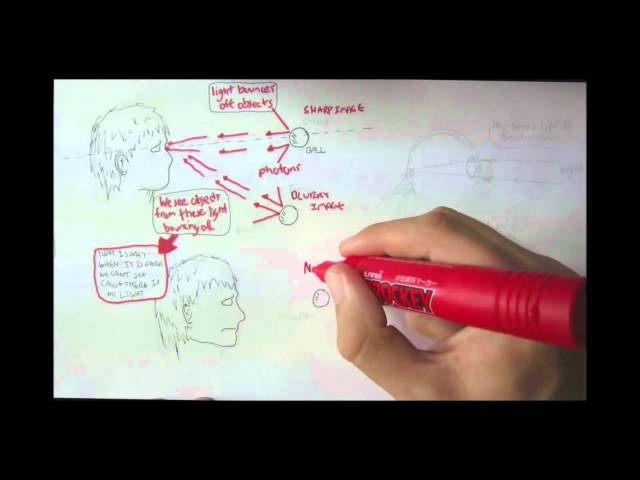
Vision Physiology Introduction
Gain a clear understanding of vision physiology, from light entering the eye to signal processing in the retina and brain. This high-yield introduction is perfect for mastering the basics of visual pathways for exams like the USMLE, NEET, or MCAT.
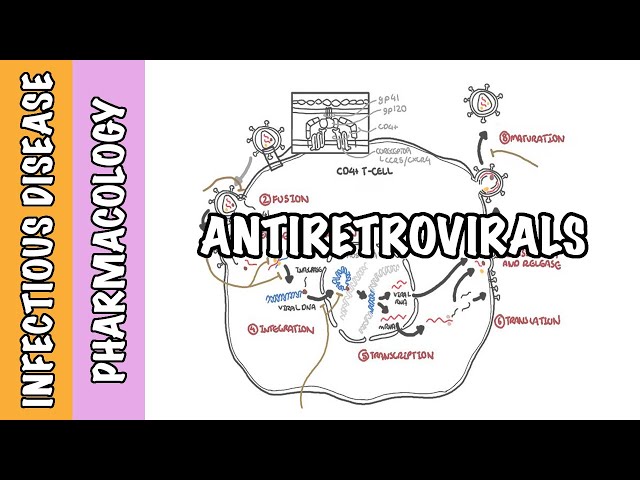
Pharmacology – HIV antiretroviral drugs (classes, mechanism of action and side effects)
Explore the major classes of HIV antiretroviral drugs, including their mechanisms of action in targeting different stages of the viral life cycle. This video also highlights common side effects, clinical uses, and the role of combination therapy in effective HIV management.
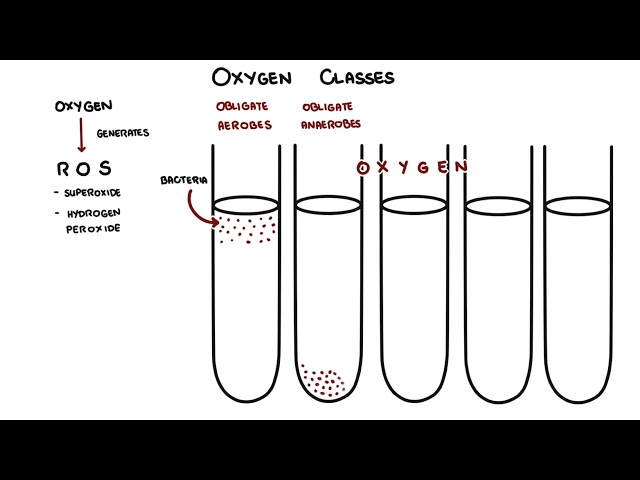
Growth, Metabolism, and Survival of Bacteria / Microbe
Microbes survive anywhere by mastering nutrients, oxygen use, and flexible metabolism—learn how these strategies drive infection, persistence, and lab diagnostics. This video explains microbial nutrient needs (macronutrients, trace elements like iron and siderophores), energy and carbon strategies (phototrophs, chemotrophs, autotrophs, heterotrophs), and why most pathogens are chemo-heterotrophs. Discover how oxygen shapes metabolism—obligate aerobes, obligate anaerobes,…
Our mission
Medical science is complex. Understanding it should feel possible.
Armando Hasudungan turns difficult medical science into clear visual explanations and connected learning experiences—so learners can see the whole picture, remember what matters and find a clearer way forward.
See it clearly
Turn abstract processes and invisible relationships into something the learner can picture.
Connect the pieces
Build understanding around how concepts fit together—not a pile of isolated facts.
Make it useful
Help learners move from explanation to recall, revision and the next logical step.
What clarity feels like
When the topic stops being a blur.
Learners do not come back because the subject became easy. They come back because the explanation gave them a picture they could work with.
“Armando's teaching style gives me the foundational knowledge.
Jessica Payne-Burnett
Medical Student, Charles Sturt University
“The notes I make during his videos help me retain everything better.
Ayesha RaiStudent, Islamabad Medical and Dental College
“The drawings are amazing and super easy to remember.
Reem Mohamed Khair Abdalrazig
Student, Neelain University
Coming soon: the AH study platform
The explanation is only the start.
The free library helps you find a clear explanation. The AH platform is being built to help you connect the resources, follow a clearer path and check what actually stuck.
- Watch in a focused, ad-free study environment.
- Move between connected videos, notes, diagrams and questions.
- Know what belongs next instead of rebuilding the study path yourself.
- Test your understanding while the topic is still fresh.
New and worth a look
Keep building the picture.
Lambert-Eaton Myasthenic Syndrome
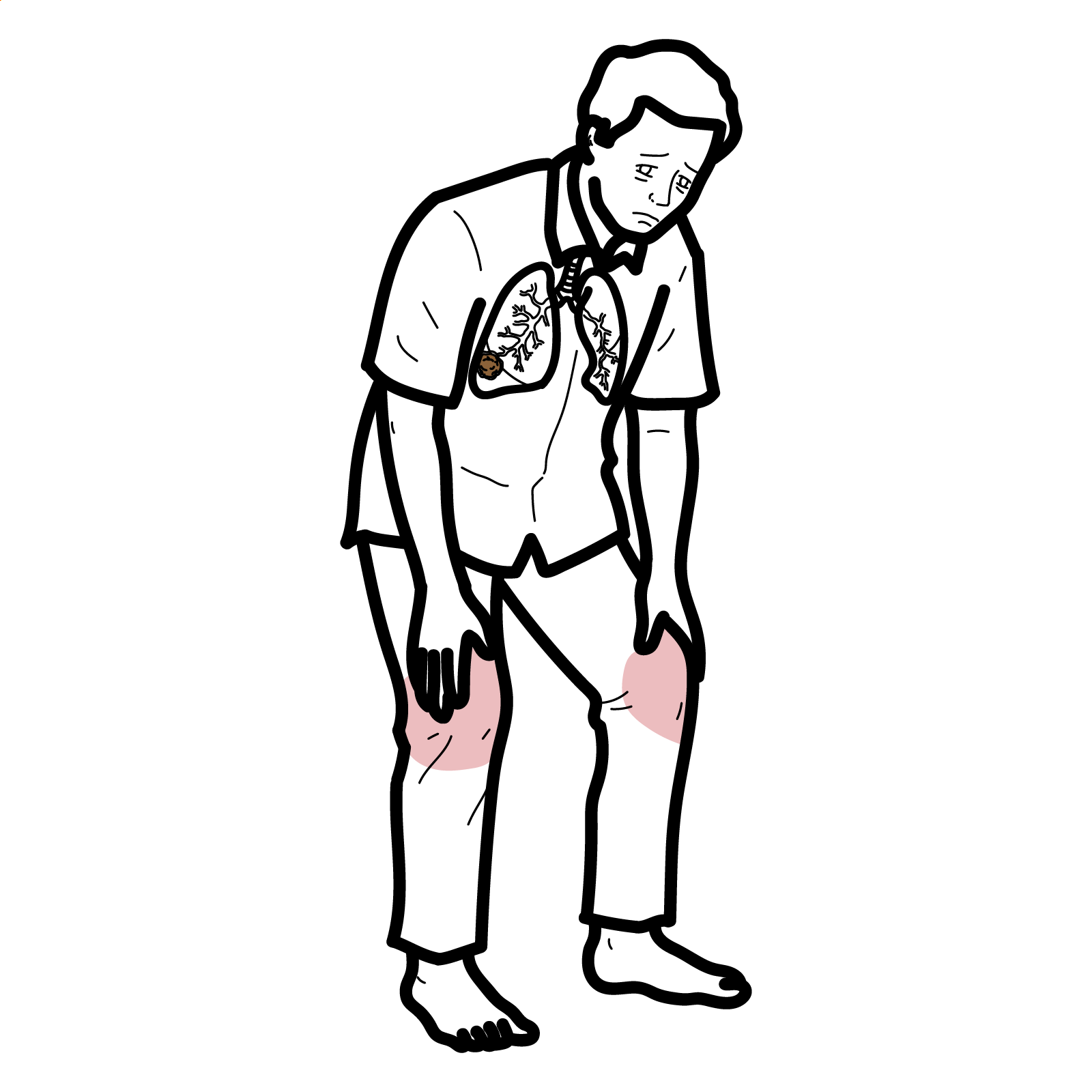
Overview Lambert–Eaton myasthenic syndrome (LEMS) is a rare autoimmune disorder of the presynaptic neuromuscular junction. It causes impaired acetylcholine release, producing the characteristic triad of proximal muscle weakness, reduced reflexes and autonomic dysfunction. LEMS may occur as a paraneoplastic syndrome—most commonly associated with small-cell lung cancer (SCLC)—or as a non-tumour-associated autoimmune disorder. Neuromuscular junction: connection…
View this topic ↗About Visualising Medicine
Good education does not remove complexity. It makes complexity feel simple.
Visualising Medicine is the team behind Armando Hasudungan. We bring together medicine, illustration, writing and technology to make difficult ideas clearer—and build better ways for learners to use them.